Español
 Deutsch
 日本語
 Polska
 Français
 한국의
 Українська
 Italiano
 Nederlands
 Türkçe
 Português

















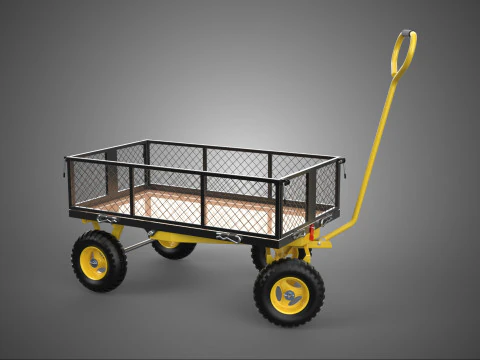
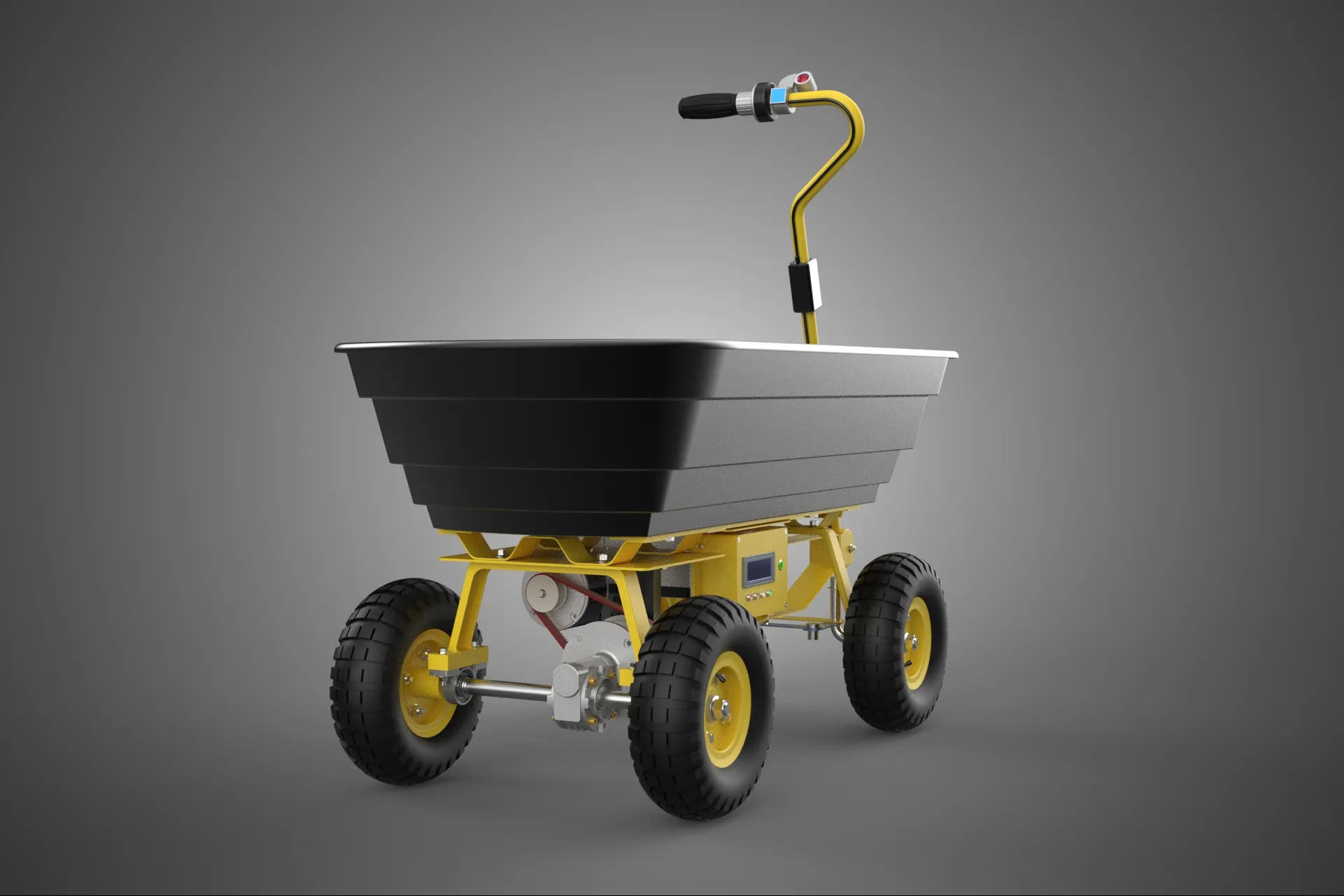
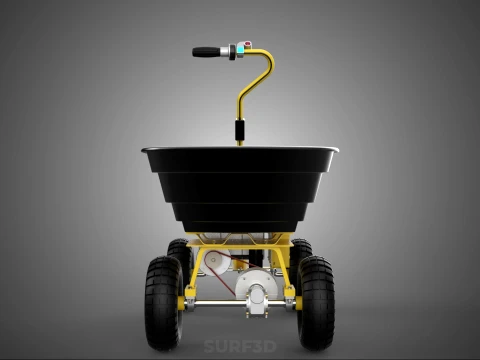
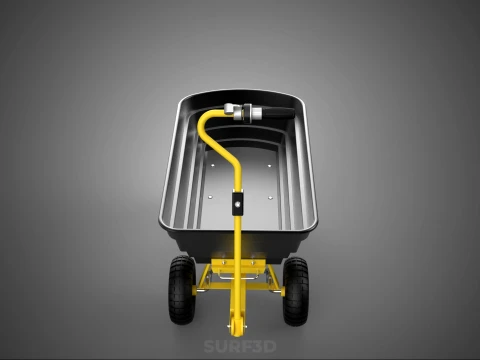
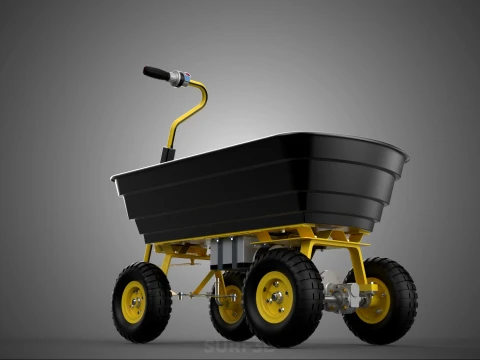
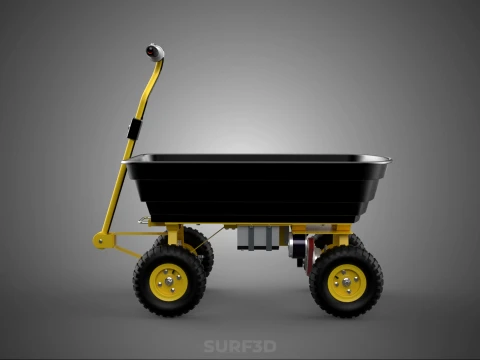
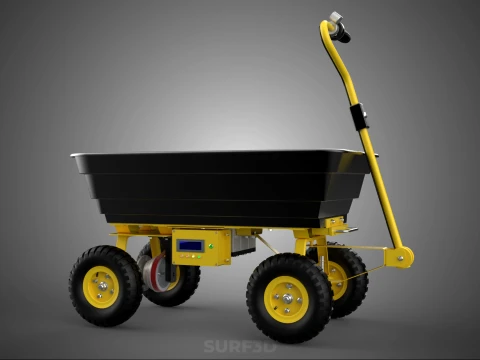
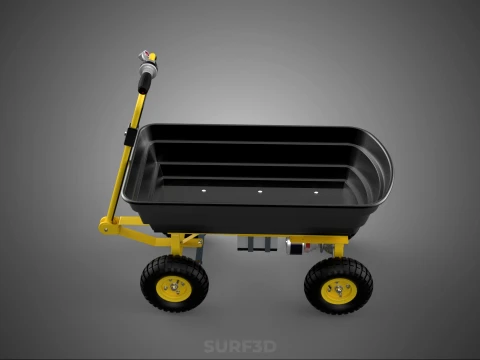
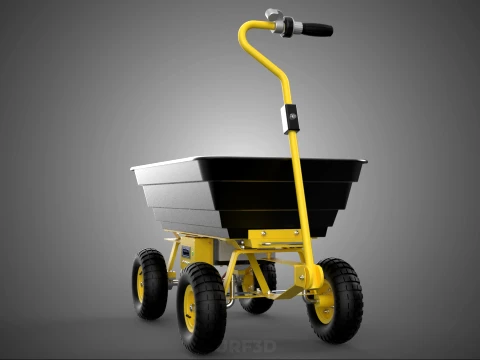
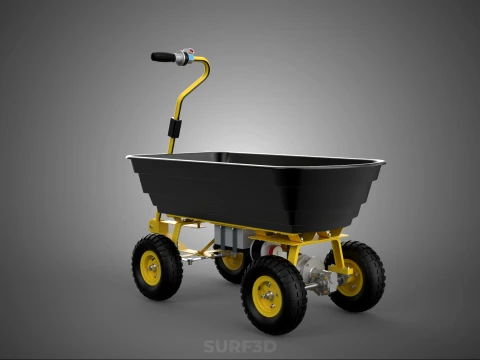
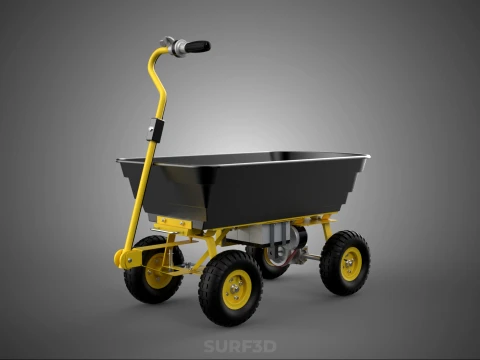
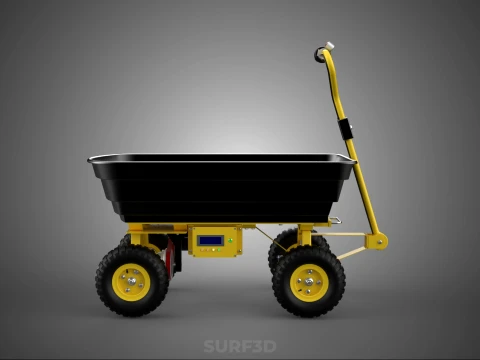
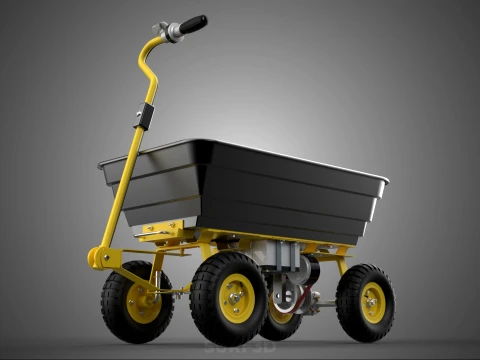
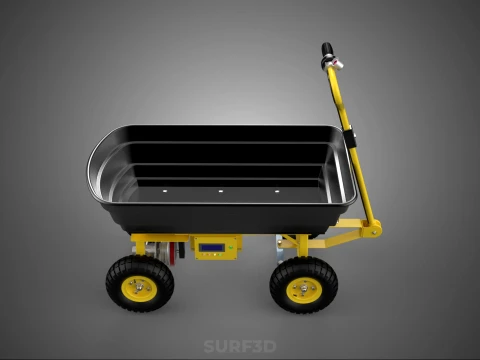
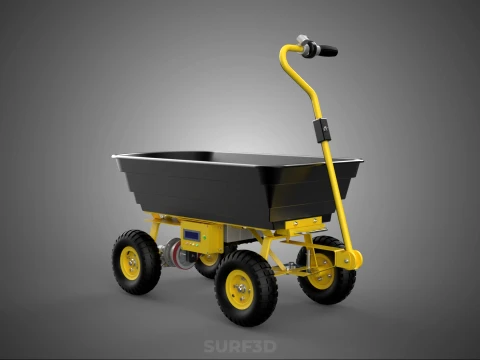
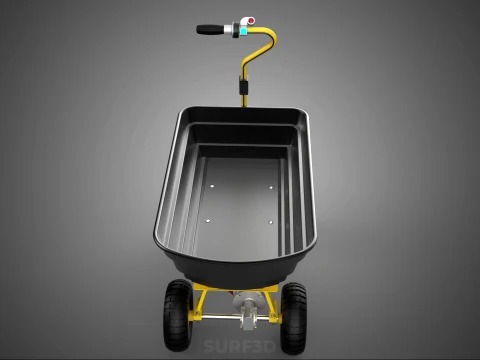
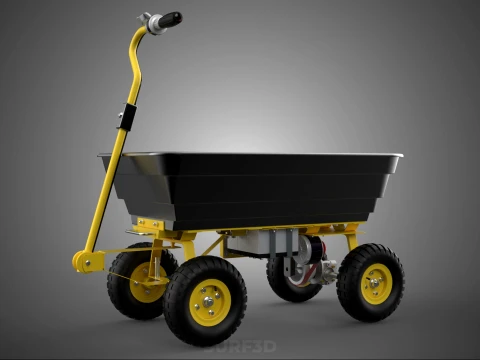
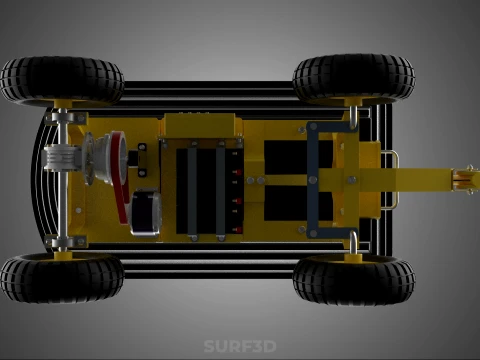
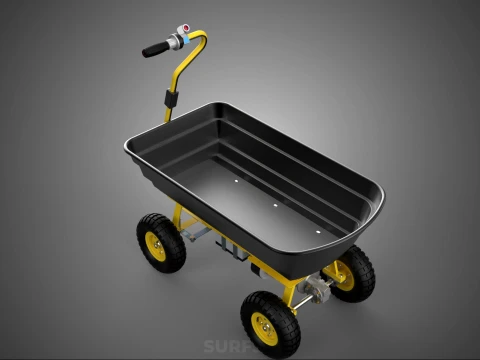
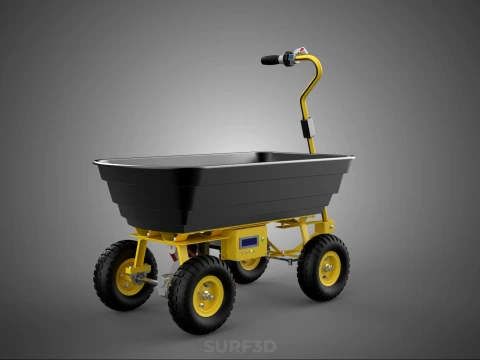
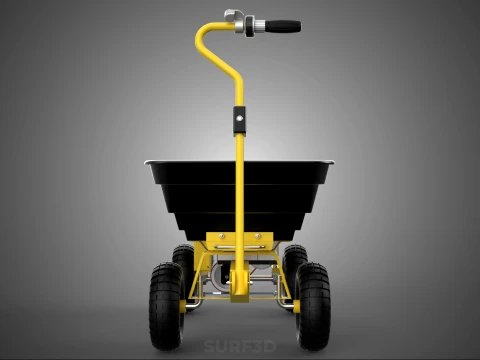
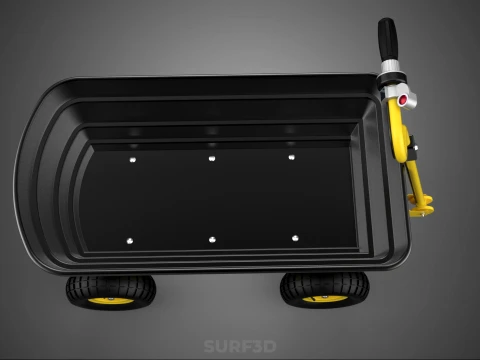
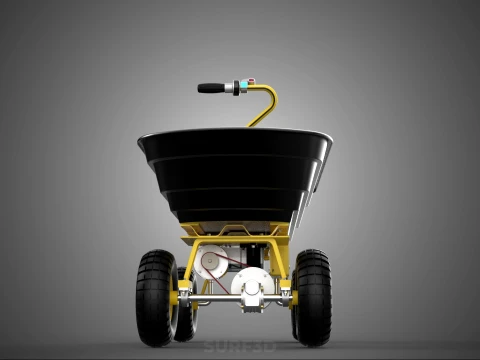
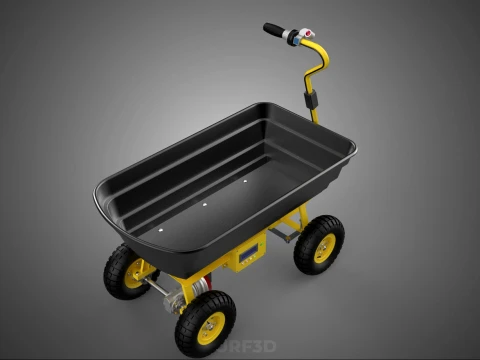
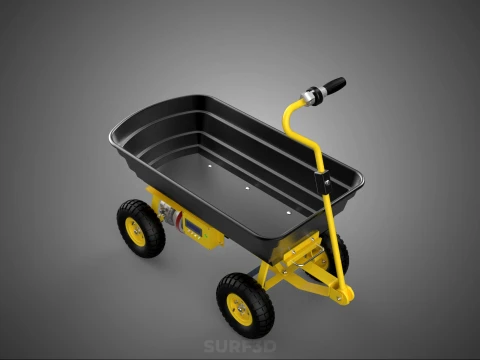
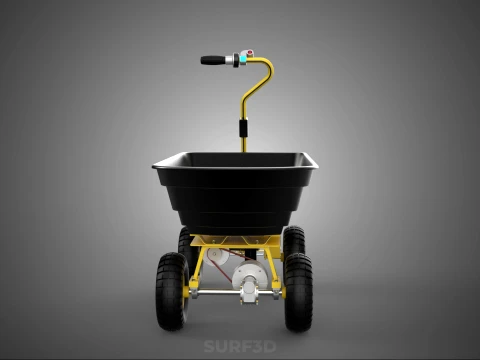
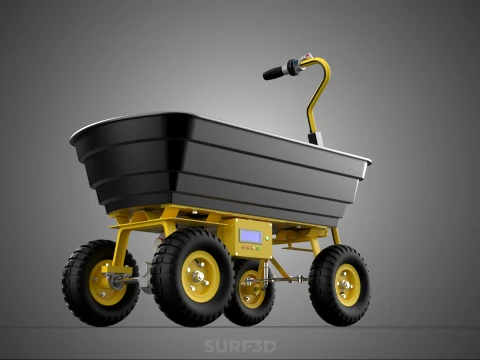
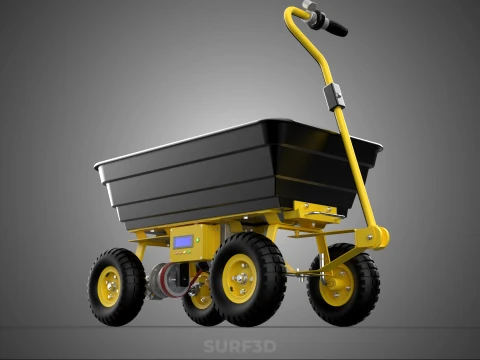
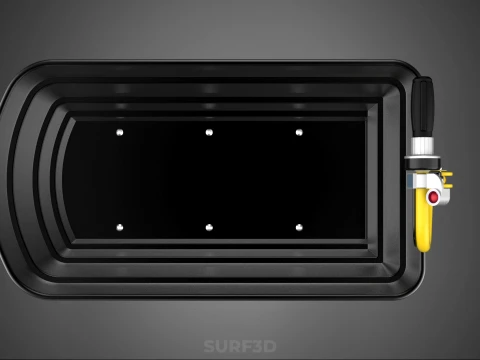
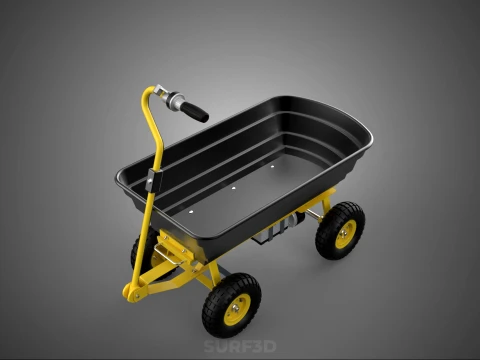
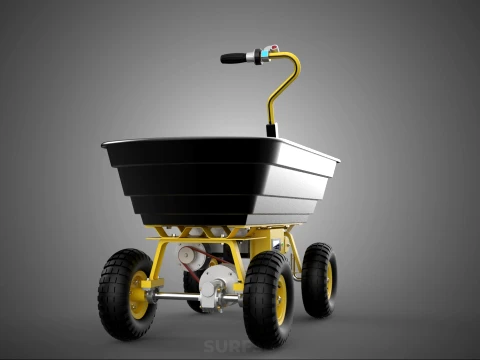
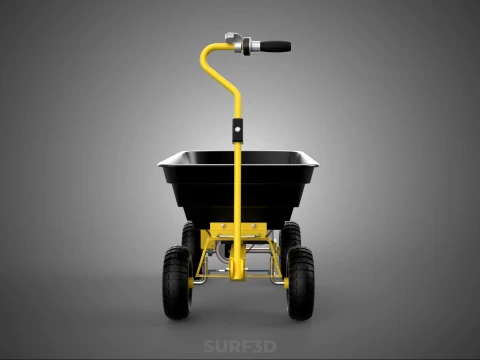
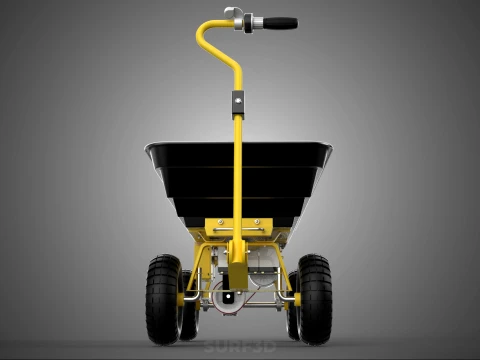
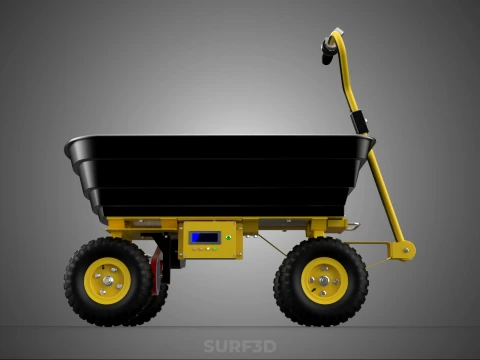
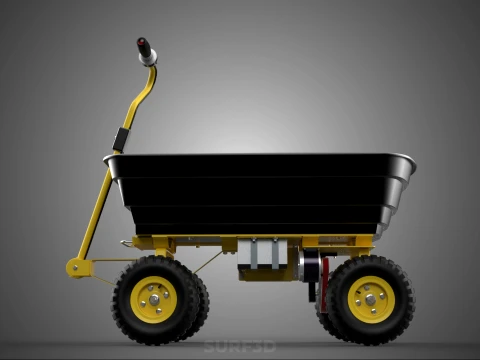
ELECTRIC MOTOR CART TROLLEY WAGON MATERIAL HANDLING AGRICULTURAL 3D Model

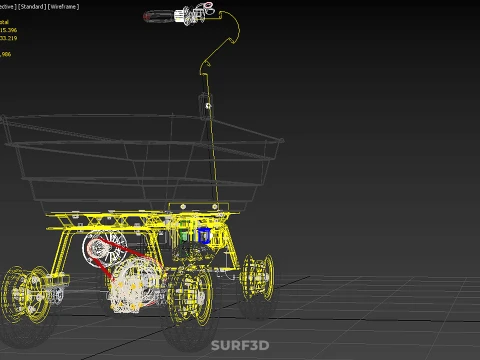
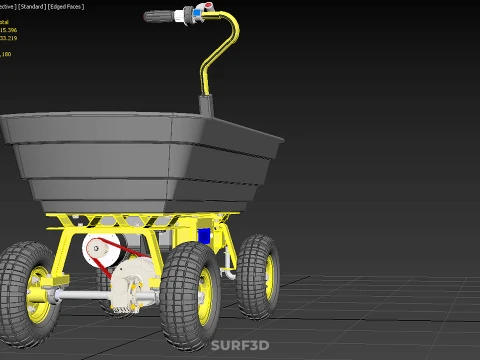
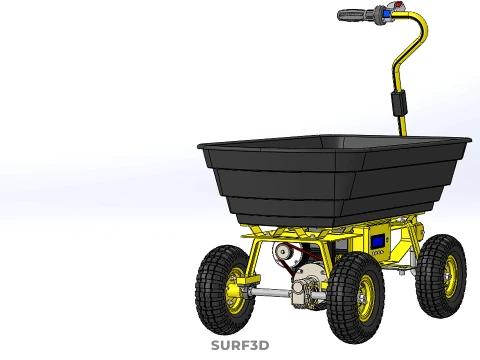
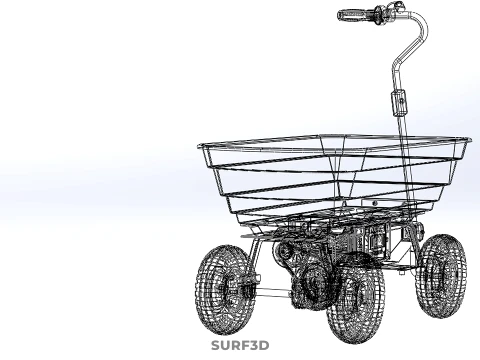
- Request product support by the author


- Available formats:
- Item ID:630201
- Date: 2026-02-24
- Polygons:515396
- Vertices:433219
- Animated:No
- Textured:No
- Rigged:No
- Materials:Yes
- Low-poly:No
- Collection:No
- UVW mapping:No
- Plugins Used:No
- Print Ready:No
- 3D Scan:No
- Adult content:No
- PBR:No
- AI Training:No
- Geometry:Poly NURBS
- Unwrapped UVs:Unknown
- Views:693
Description
High-quality 3D assets at affordable prices — trusted by designers, engineers, and creators worldwide. Made with care to be versatile, accessible, and ready for your pipeline.
Included File Formats
This model is provided in 14 widely supported formats, ensuring maximum compatibility:
• - FBX (.fbx) – Standard format for most 3D software and pipelines
• - OBJ + MTL (.obj, .mtl) – Wavefront format, widely used and compatible
• - STL (.stl) – Exported mesh geometry; may be suitable for 3D printing with adjustments
• - STEP (.step, .stp) – CAD format using NURBS surfaces
• - IGES (.iges, .igs) – Common format for CAD/CAM and engineering workflows (NURBS)
• - SAT (.sat) – ACIS solid model format (NURBS)
• - DAE (.dae) – Collada format for 3D applications and animations
• - glTF (.glb) – Modern, lightweight format for web, AR, and real-time engines
• - 3DS (.3ds) – Legacy format with broad software support
• - 3ds Max (.max) – Provided for 3ds Max users
• - Blender (.blend) – Provided for Blender users
• - SketchUp (.skp) – Compatible with all SketchUp versions
• - AutoCAD (.dwg) – Suitable for technical and architectural workflows
• - Rhino (.3dm) – Provided for Rhino users
Model Info
• - All files are checked and tested for integrity and correct content
• - Geometry uses real-world scale; model resolution varies depending on the product (high or low poly)
• • - Scene setup and mesh structure may vary depending on model complexity
• - Rendered using Luxion KeyShot
• - Affordable price with professional detailing
Buy with confidence. Quality and compatibility guaranteed.
If you have any questions about the file formats, feel free to send us a message — we're happy to assist you!
Sincerely,
SURF3D
Trusted source for professional and affordable 3D models.
More Information About 3D Model :
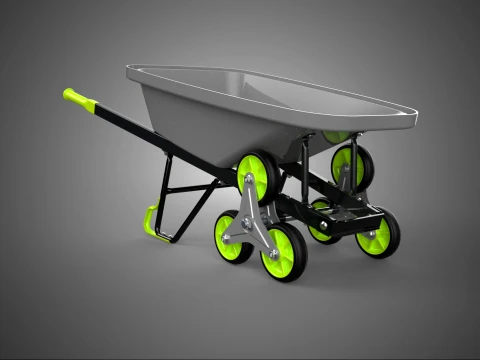
An Electric Motor Cart Trolley Wagon, in the context of material handling within agricultural settings, refers to a battery-powered, wheeled vehicle designed for the efficient, quiet, and environmentally responsible transport of various loads across farm properties. These versatile machines consolidate the functionality of traditional carts, trolleys, and wagons, offering motorized assistance to reduce manual labor and enhance operational productivity in a diverse range of agricultural tasks.
While the terms 'cart,' 'trolley,' and 'wagon' are often used interchangeably, they can sometimes denote variations in size, design, and intended use. 'Cart' might suggest a smaller, often operator-guided unit; 'trolley' could imply a platform vehicle for specific routes or indoor/greenhouse use; and 'wagon' typically refers to a larger, four-wheeled hauler. However, in modern electric material handling equipment, these distinctions blur, with manufacturers producing multi-purpose designs that embody characteristics of all three, unified by electric propulsion and material handling intent, specifically adapted for the demanding agricultural environment.
**Core Components and Design:**
The fundamental design of an electric motor cart trolley wagon centers on a robust chassis, an electric propulsion system, a power source, and a versatile load bed.
* **Propulsion System:** At its core is an electric motor, typically a direct current (DC) or alternating current (AC) motor, which provides smooth, instantaneous torque. This system eliminates direct exhaust emissions, reduces noise pollution significantly, and often requires less maintenance compared to internal combustion engines. Speed control is usually managed via a throttle or joystick, often incorporating regenerative braking to extend battery life.
* **Power Source:** High-capacity rechargeable batteries, commonly lead-acid, lithium-ion, or occasionally other chemistries, serve as the energy reservoir. Battery capacity dictates range and operational duration between charges. Integrated or external charging systems are standard, requiring access to electrical power.
* **Chassis and Frame:** Constructed from durable materials such as steel or reinforced aluminum, the frame is engineered to withstand the rigors of agricultural environments, including uneven terrain, exposure to weather, and substantial load weights. High ground clearance and a low center of gravity are common features to enhance stability and navigate challenging farm landscapes.
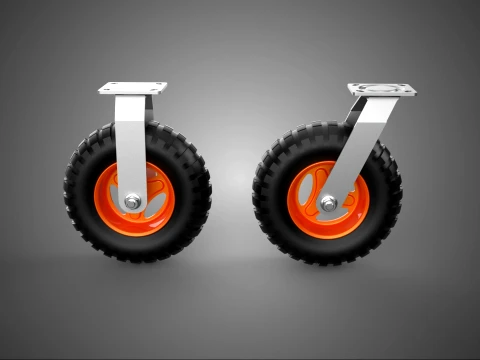
* **Wheels and Tires:** Depending on the application, vehicles may feature pneumatic tires for superior traction and shock absorption on rough or soft ground (e.g., fields, gravel paths), or solid tires for heavy-duty, puncture-resistant performance in specific environments like greenhouses or paved areas. Configurations typically range from three to four wheels for stability and maneuverability, with steering mechanisms varying from tiller-style to automotive-type steering wheels.
* **Load Bed/Platform:** Designs vary widely, from simple flatbeds for general cargo to specialized configurations like dump beds for bulk materials (e.g., soil, feed, manure), enclosed boxes for sensitive goods, or modular systems for specific implements (e.g., sprayers, picking bins, toolboxes). Materials often include treated steel, aluminum, or durable plastics, chosen for corrosion resistance and ease of cleaning.
**Operational Principles and Features:**
These electric vehicles are engineered for ease of operation and enhanced safety. They often include variable speed controls, allowing operators to match speed to task requirements, from slow, precise maneuvers in confined spaces to faster transport across open fields. Ergonomic controls, often incorporating a tiller or steering wheel, reduce operator fatigue. Safety features commonly include automatic brakes that engage when the throttle is released, emergency stop buttons, horns, lights for low-light conditions, and robust guarding to protect the operator and bystanders. The absence of engine vibrations and fumes contributes to a more comfortable and healthier working environment for agricultural workers, particularly in enclosed spaces like greenhouses or barns.
**Applications in Agriculture:**
The utility of electric motor cart trolley wagons in agriculture is extensive and growing. Key applications include:
* **Harvesting:** Transporting freshly picked fruits, vegetables, flowers, or other crops from fields or greenhouses to packing areas, minimizing damage and labor.
* **Livestock Management:** Delivering feed, water, and bedding to animals, or assisting in waste removal from barns and enclosures.
* **Nursery and Greenhouse Operations:** Moving potted plants, trays, soil mixes, fertilizers, and tools within controlled environments, where quiet operation and zero emissions are particularly beneficial.
* **Tool and Equipment Transport:** Shuttling hand tools, small machinery, irrigation components, and repair parts across large farm properties.
* **General Farm Logistics:** Assisting in various tasks such as trash removal, fence repair material delivery, landscaping, and maintenance operations.
* **Specialized Applications:** Some models are adapted for tasks like spraying, spreading, or integrated with specific harvesting aids and platforms.
**Advantages:**
The adoption of electric motor cart trolley wagons in agriculture offers several notable advantages: environmental friendliness due to zero direct emissions, reduced noise pollution benefiting both human and animal welfare, lower operating costs through reduced fuel consumption and often simpler maintenance, improved indoor air quality in enclosed spaces, enhanced maneuverability, and a quieter operation that is less disruptive to sensitive crops or livestock. Their electric nature also supports the increasing move towards sustainable farming practices and compliance with environmental regulations.
**Technological Advancements and Future Outlook:**
Ongoing developments in battery technology (e.g.
Need more formats?
If you need a different format, please send us a Conversion Request. We can convert 3D models to: .stl, .c4d, .obj, .fbx, .ma/.mb, .3ds, .3dm, .dxf/.dwg, .max. .blend, .skp, .glb. Free Format ConversionWe do not convert 3d scenes and solid formats such as .step, .iges, .stp, .sldprt etc!
Usage Information
ELECTRIC MOTOR CART TROLLEY WAGON MATERIAL HANDLING AGRICULTURAL - You can use this royalty-free 3D model for both personal and commercial purposes in accordance with the Basic or Extended License.The Basic License covers most standard use cases, including digital advertisements, design and visualization projects, business social media accounts, native apps, web apps, video games, and physical or digital end products (both free and sold).
The Extended License includes all rights granted under the Basic License, with no usage limitations, and allows the 3D model to be used in unlimited commercial projects under Royalty-Free terms.
Read more
Do you provide Money Back Guarantee?
Yes, we do. If you purchased a product and found some error in the renders or description, we'll try to fix the problem as soon as possible. If we cannot correct the error, we will cancel your order and you will get your money back within 24 hours from downloading the item. Read more conditions hereKeywords