


 Español
 Deutsch
 日本語
日本語 Polska
 Français
 한국의
한국의 Українська
 Italiano
 Nederlands
 Türkçe
 Português
 Bahasa Indonesia
 Русский
 中國
中國 हिंदी
हिंदी
















pirateship 3D Models
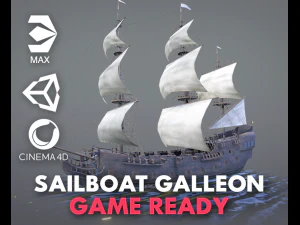
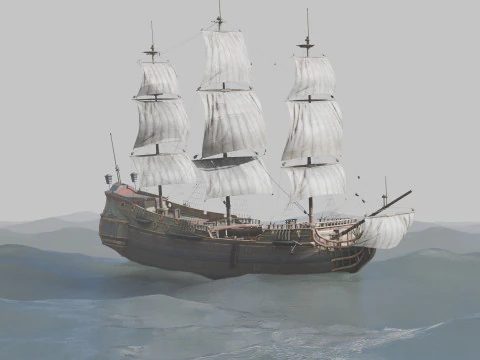
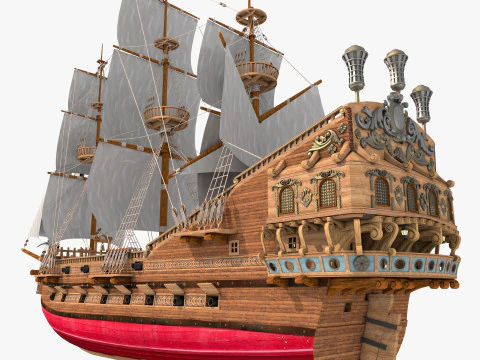
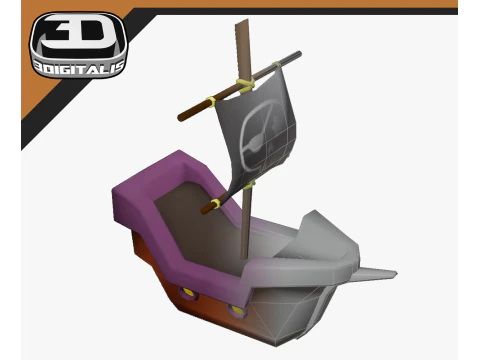
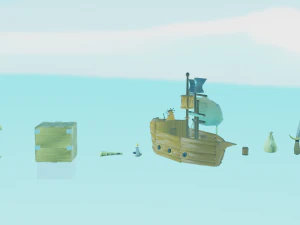
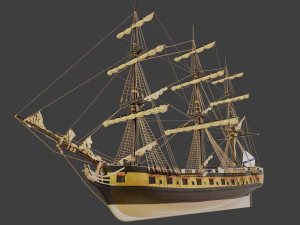
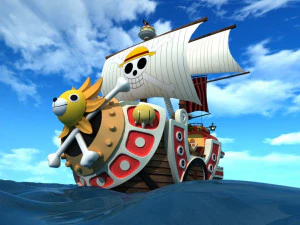
We have 22 item(s) Royalty free pirateship 3D Models. Buy or download free 3D models for your CG projects, film and video production, animation, visualizations, games, VR/AR, and others. You can download any 3d model in all popular 3d formats including MAX, OBJ, FBX, 3DS, STL, C4D, BLEND, MAYA










Trending searches 3D Models:
Sculpture 3D Models Characters 3D Models Kitchen 3D Models Horse 3D Models Architectural Exteriors 3D Models Phone and Cell Phone 3D Models Vegetable 3D Models Jewellery 3D Models Toys 3D Models Medical 3D Models Helicopter 3D Models Heavy Weapon 3D Models Truck 3D Models Anatomy 3D ModelsQ1: What types of pirate ships are available as 3D models?
The catalog reflects the major vessel types associated with the golden age of piracy (roughly 1650–1730). Galleons: large three-masted warships converted to pirate use, most visually associated with the Spanish Main. Brigantines and brigs: two-masted vessels favored by pirates for speed and maneuverability. Sloops: single-masted, fast, shallow-draft vessels — the most commonly used pirate vessel historically because they could operate in shallow waters. Frigates: faster than galleons with lighter armament, used by larger pirate operations. Fantasy pirate ships — flying variants, ghost ships, steampunk sailing vessels — are a separate creative category with significant demand from games.
Q2: What rigging detail should a high-quality pirate ship 3D model include?
Standing rigging (the permanent wire and rope supports that hold the masts upright): shrouds running from mast to hull sides, stays running fore and aft, and ratlines (the horizontal rope ladders on the shrouds). Running rigging (the lines used to control sails): halyards for raising and lowering yards, braces for rotating yards, sheets controlling sail angle. This rope geometry is what makes or breaks a sailing ship model's visual authenticity — a mast with no rigging looks like a pole, not a functional sailing vessel. Full rigging at correct scale typically adds 100,000–300,000 tris to the model depending on rope geometry resolution. Some sellers represent rigging as texture rather than geometry at lower price points.
Q3: How are sail cloth materials set up in Blender for a pirate ship render?
Canvas sails require a specific combination of material properties. Base roughness 0.7–0.8 for the matte, woven fabric surface. Translucency at 0.3–0.4 to allow backlit sails to glow warmly when the sun is behind them — without this, sails look like painted boards rather than fabric. A subtle woven cloth normal map adds surface texture. The sail geometry should have slight billowing using a Wave modifier or carefully keyframed cloth simulation — flat rectangular sails look wrong under any wind conditions. For animated ocean scenes, the sail fill (how much they billow) should respond to the same wind force field driving any wave simulation, keeping visual consistency between water state and sail behavior.
Q4: What polygon count is suitable for a game-ready pirate ship?
A hero ship the player captains and views from close range: 80,000–200,000 tris including rigging geometry. An enemy ship encountered at sea combat distances: 20,000–50,000 tris with rigging as texture rather than geometry. A distant background ship: 3,000–8,000 tris. The hull planking geometry accounts for a significant polygon share — each plank edge needs enough geometry to hold the curvature of the hull without faceting. Cannons are another dense region: a typical pirate ship carried 14–40 cannons, and if each is modeled individually at 500–800 tris, that's 7,000–32,000 tris just for armament. For game budgets, LOD cannon geometry or instanced cannon meshes keep this manageable.