


 English
 Español
 Deutsch
 日本語
日本語 Polska
 Français
 한국의
한국의 Українська
 Italiano
 Nederlands
 Türkçe
 Bahasa Indonesia
 Русский
 中國
中國 हिंदी
हिंदी
















Máquinas - Industrial Modelos 3D
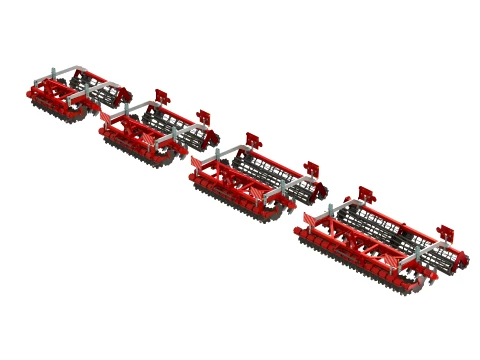
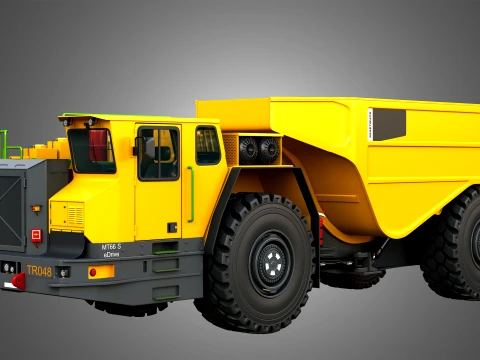
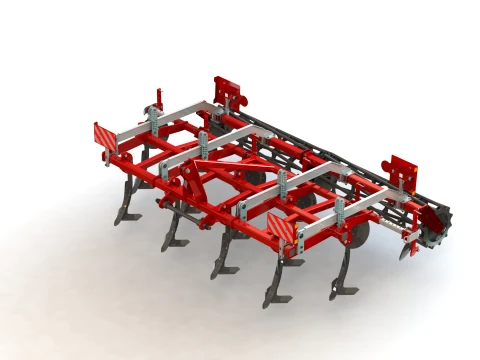
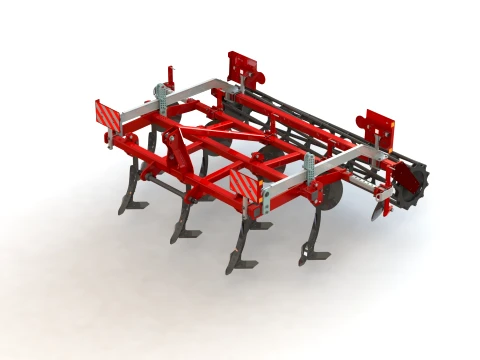
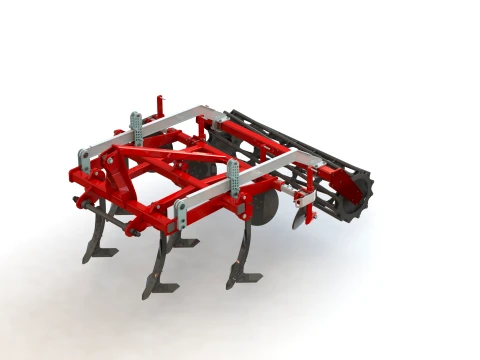
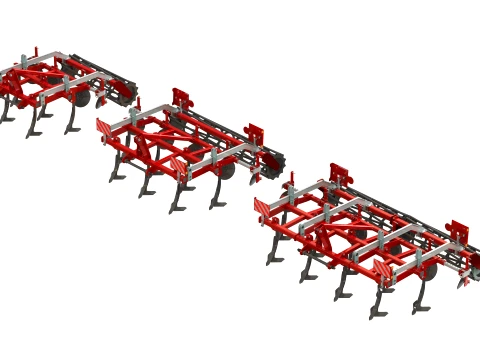
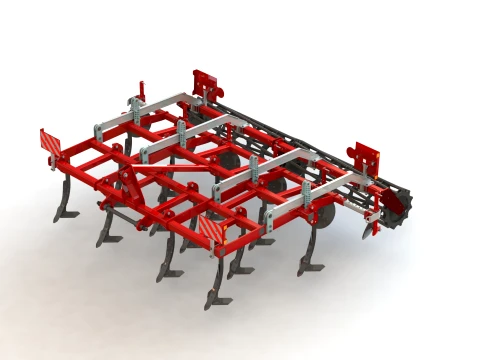
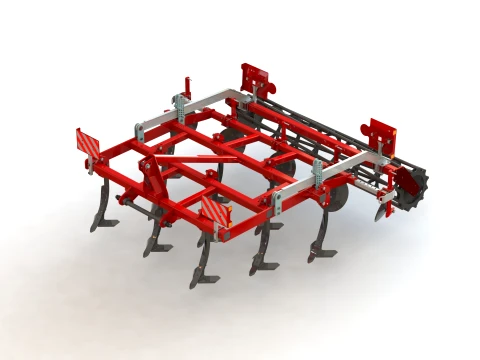
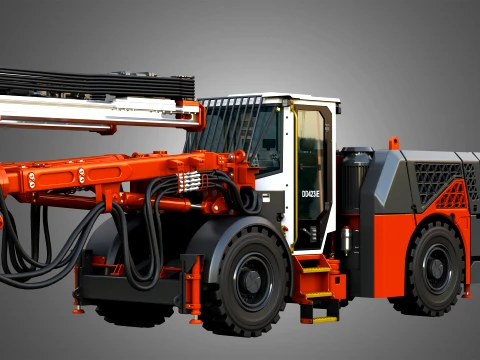
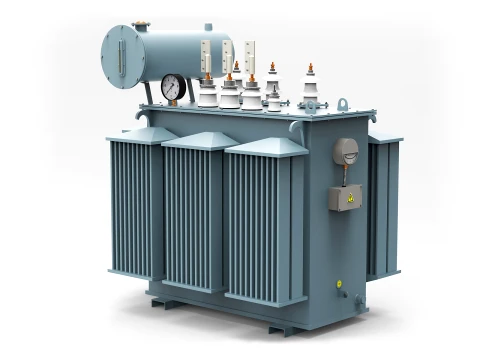
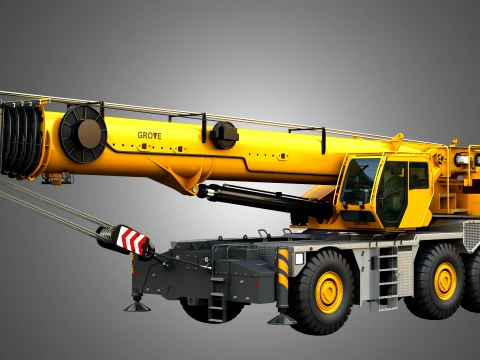
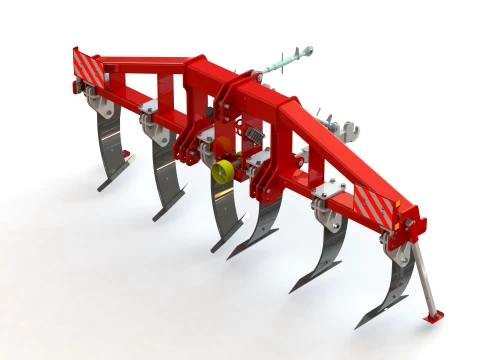
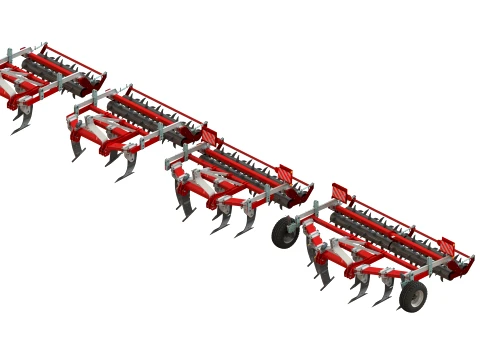
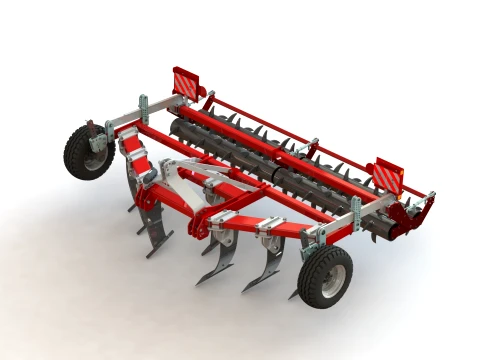
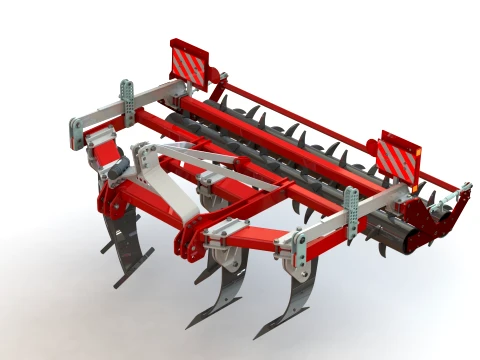
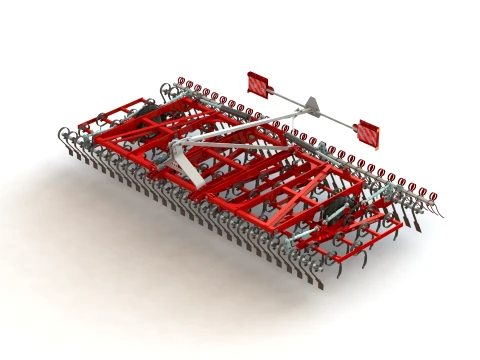
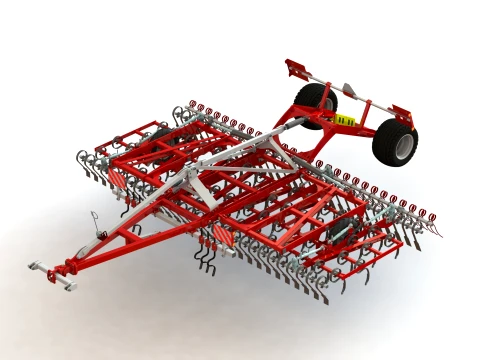
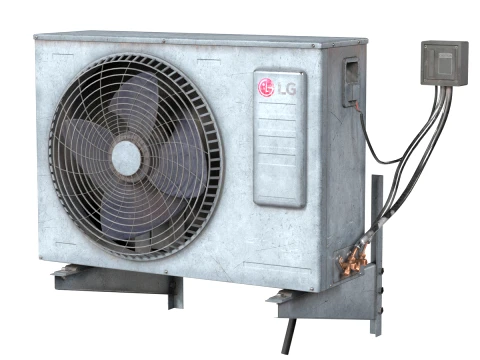
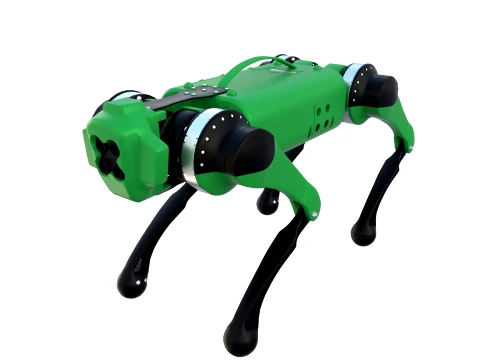
Nós temos 5055 item(s) Sem Royalties Modelos 3D. This category contains a wide choice of Machines 3D Models - Industrial. Any 3D Machines model is available in .max, .obj, .c4d, .fbx, .dxf, .dwg, .stl, .iges, .3ds, .mb, .lwo, .3dm, .skp and .blend format. Some of them are ready for 3D Printing & Games. Also you will find a great number of models in Shipping Containers and Tools categories.


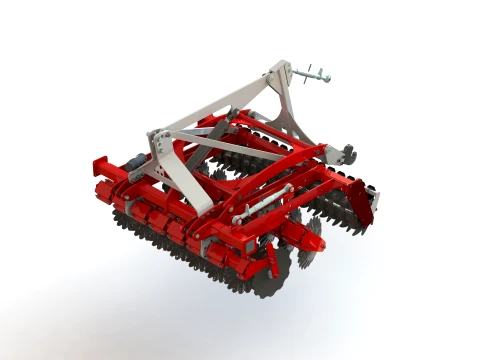
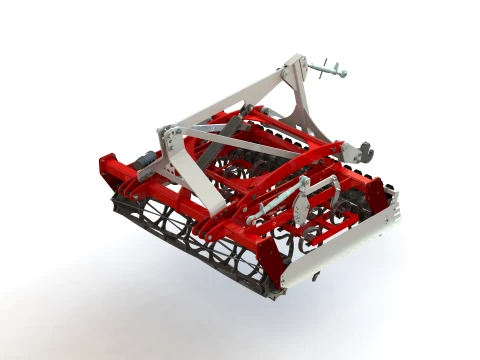
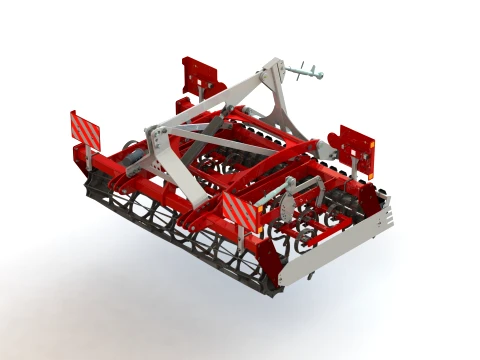
Pesquisas em alta Modelos 3D:
Escultura Modelos 3D Personagens Modelos 3D Cozinha Modelos 3D cavalo Modelos 3D Arquitetura Exterior Modelos 3D Telefone e telemóvel Modelos 3D Vegetal Modelos 3D Joalheria Modelos 3D Brinquedos Modelos 3D Médico Modelos 3D Helicoptro Modelos 3D arma pesada Modelos 3D Caminhão Modelos 3D Anatomia Modelos 3DQue tipos de equipamento de fabrico estão incluídos na coleção de 2026?
A categoria Máquinas apresenta uma vasta gama de equipamento da indústria pesada, incluindo fresadoras CNC multieixos, linhas de montagem automatizadas, prensas hidráulicas e braços robóticos industriais com especificações de 2026. Cada modelo é construído com autenticidade mecânica, o que significa que todas as juntas, pistões e aberturas de ventilação são posicionados de acordo com normas de engenharia do mundo real. Isto torna estes recursos indispensáveis para designers industriais que criam layouts de chão de fábrica ou animadores técnicos que demonstram processos de fabrico. Os modelos apresentam texturas PBR de alta fidelidade que captam o aspeto robusto do aço com revestimento em pó e a acumulação subtil de gordura comum em ambientes de produção ativos.
As máquinas industriais estão equipadas para animação funcional?
Sim, os modelos de máquinas profissionais 2026 são totalmente operacionais. Os braços robóticos utilizam rigs de Cinemática Inversa (IK), permitindo o movimento preciso dos efetores finais, enquanto as máquinas CNC apresentam eixos deslizantes e fusos rotativos. As caixas de segurança, os painéis de controlo e as correias transportadoras também são articulados. Esta funcionalidade é fundamental para simulações de formação industrial e aplicações de gémeos digitais, nas quais a máquina virtual deve replicar os movimentos da sua contraparte física. Os utilizadores podem animar facilmente sequências complexas, tais como um braço robótico a recolher uma peça ou ciclos de prensagem, com total consistência mecânica e movimentos fluidos.
Como é tratado o realismo das superfícies e materiais industriais?
Para alcançar um aspeto industrial autêntico, utilizamos shaders PBR multicamadas que enfatizam o contraste dos materiais. Irá ver a diferença entre ferro fundido em bruto, pistões de cromo polido e superfícies pintadas de amarelo de segurança. Em 2026, incluímos também máscaras de desgaste ajustáveis, permitindo-lhe adicionar riscos, ferrugem ou fugas de óleo às máquinas. Este nível de profundidade dos materiais evita que as máquinas pareçam brinquedos de plástico, garantindo que resistem à iluminação direta e intensa típica dos ambientes fabris e das visualizações industriais profissionais.
As máquinas incluem painéis de controlo e ecrãs interativos?
A maioria das máquinas industriais de 2026 está equipada com ecrãs detalhados de Interface Homem-Máquina (HMI). Estes ecrãs utilizam texturas emissivas e são frequentemente sobrepostos com elementos de interface do utilizador, como manómetros, leituras de temperatura e indicadores de paragem de emergência. Os botões e interruptores nestes painéis têm geometria separada, permitindo a interação tátil em ambientes de RV. Isto é particularmente útil para módulos de formação em segurança ou visitas guiadas, em que o utilizador precisa de interagir com os controlos da máquina para compreender o seu funcionamento ou os procedimentos de emergência.
Como é que estas máquinas complexas são otimizadas para simulações de fábrica em tempo real?
Apesar do seu elevado nível de detalhe, os modelos de máquinas 2026 estão otimizados para renderização de alto desempenho. Fornecemos versões LOD (Nível de Detalhe) e utilizamos renderização baseada em instâncias para componentes repetitivos, como parafusos e sensores. Para utilizadores que trabalham no Unreal Engine 5 ou no Omniverse, muitos recursos suportam Nanite, permitindo geometria com qualidade cinematográfica sem sacrificar as taxas de fotogramas. Isto garante que mesmo uma cena de fábrica enorme, repleta de dezenas de máquinas complexas, permaneça responsiva, proporcionando uma experiência fluida tanto para renderização offline como para planeamento industrial em tempo real.