


 English
 Español
 Deutsch
 日本語
日本語 Polska
 Français
 한국의
한국의 Українська
 Italiano
 Nederlands
 Türkçe
 Português
 Bahasa Indonesia
 中國
中國 हिंदी
हिंदी
















Грызуны - Животные 3D Модели
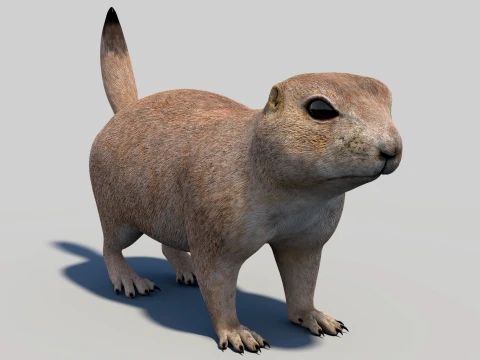
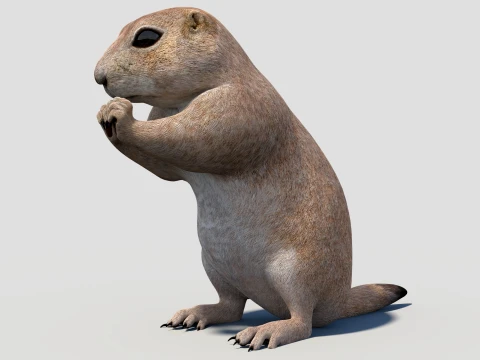
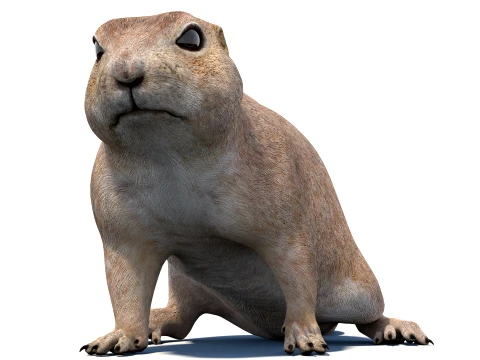
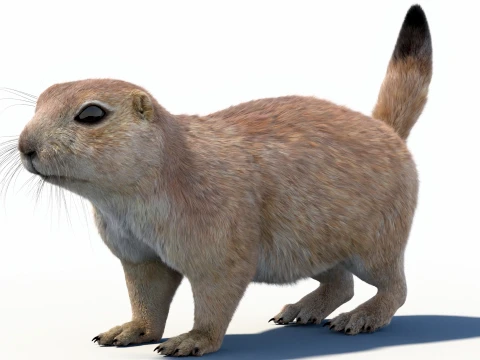
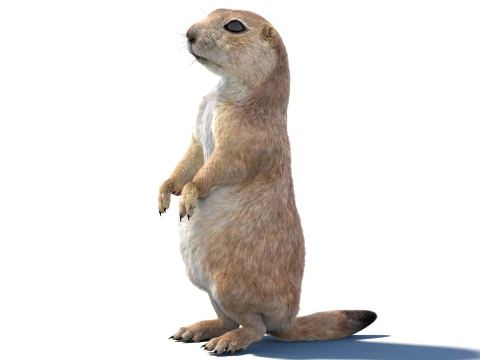
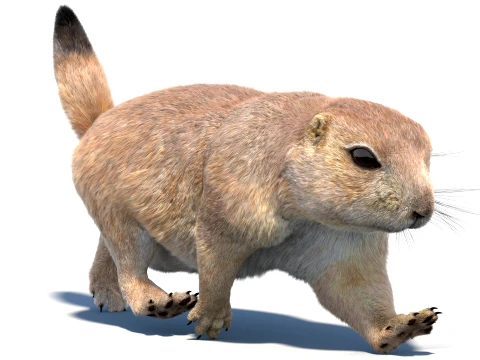
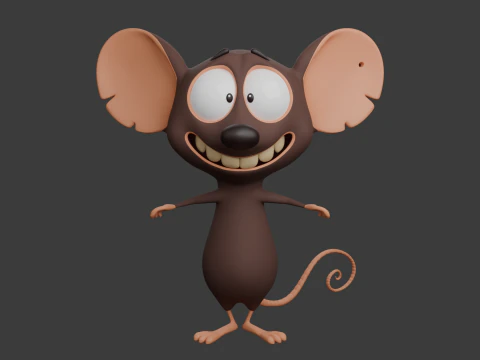
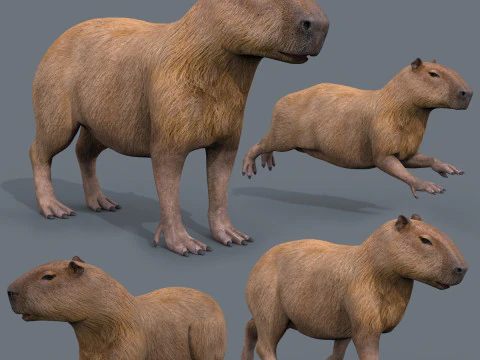
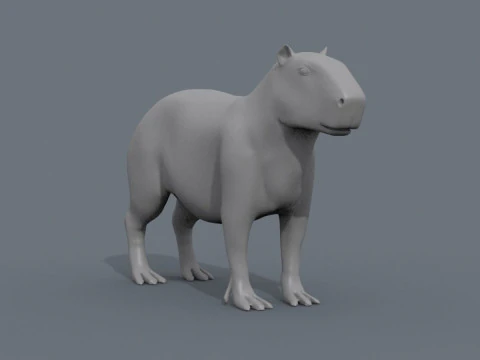
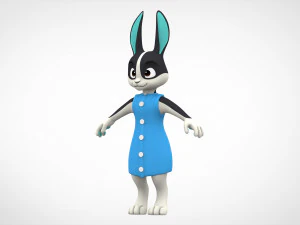
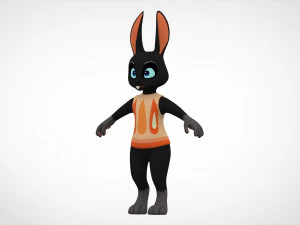
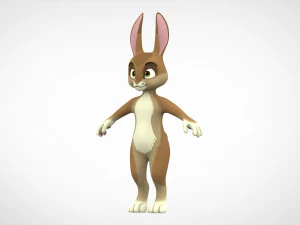
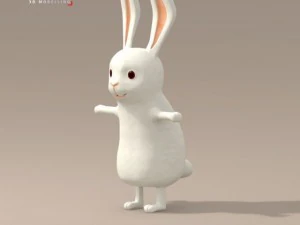
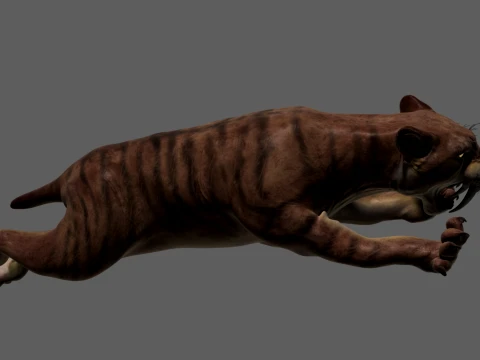
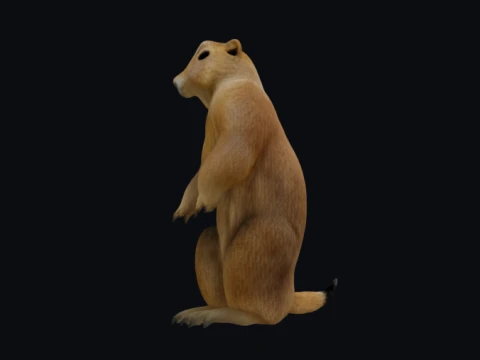
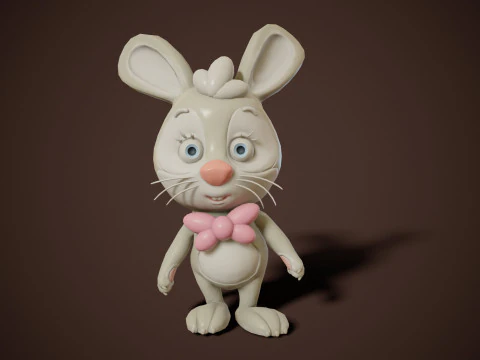
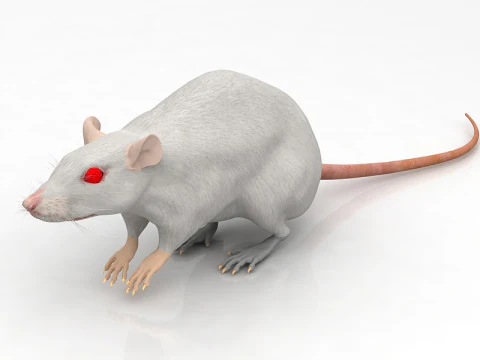
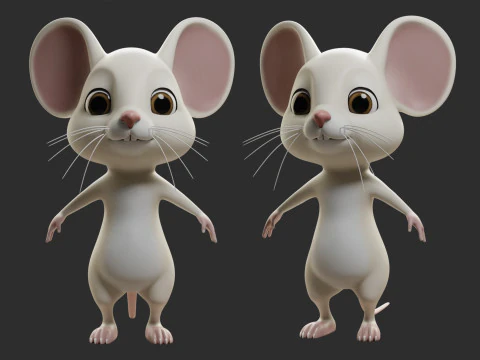
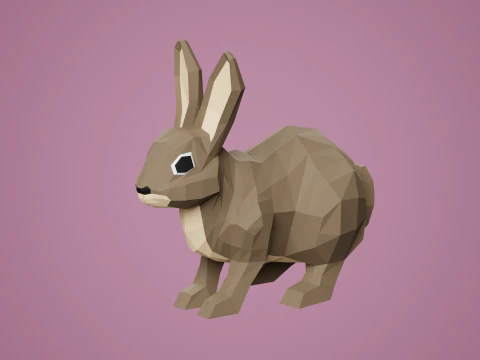
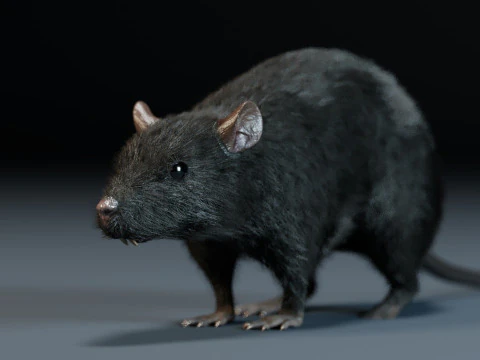
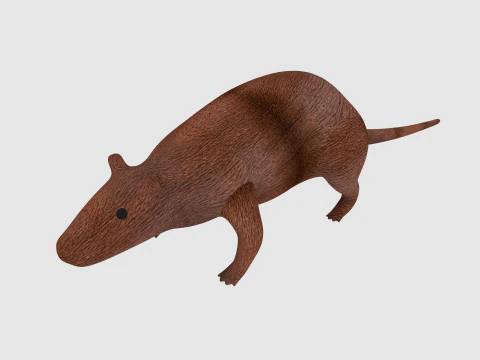
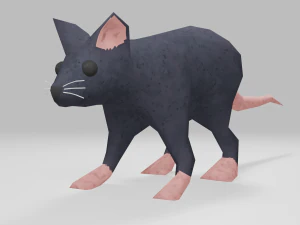
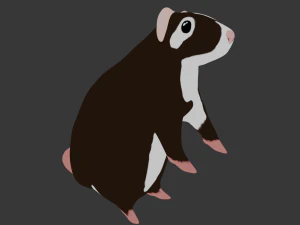
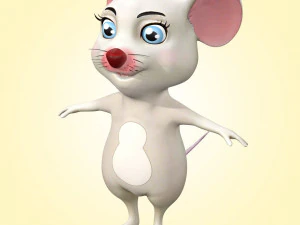
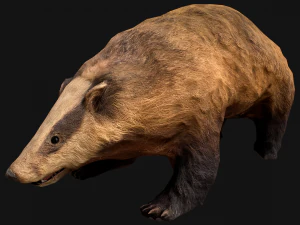
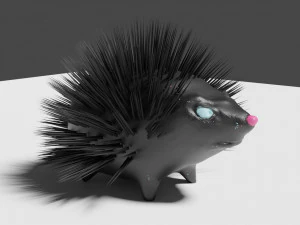
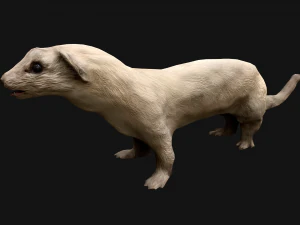
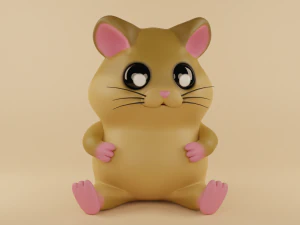
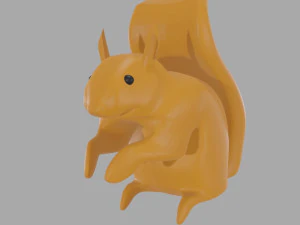
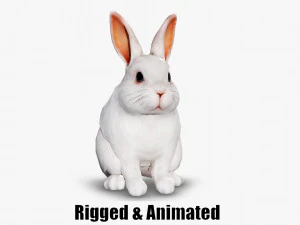
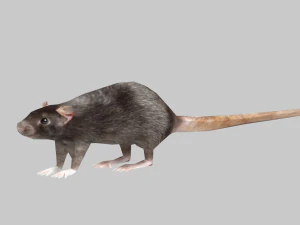
У нас уже 166 товар(ов) Без выплаты роялти 3D Модели. This category contains a wide choice of Rodent 3D Models - Animals. Any 3D Rodent model is available in .max, .obj, .c4d, .fbx, .dxf, .dwg, .stl, .iges, .3ds, .mb, .lwo, .3dm, .skp and .blend format. Some of them are ready for 3D Printing & Games. Also you will find a great number of models in Reptiles and Sheep categories.































Популярные запросы 3D Модели:
Скульптуры 3D Модели Персонажи 3D Модели Кухня 3D Модели Лошадь 3D Модели Архитектурные Экстерьеры 3D Модели Телефоны 3D Модели Овощи 3D Модели Ювелирные изделия 3D Модели Игрушки 3D Модели Медицина 3D Модели Вертолет 3D Модели Тяжелое оружие 3D Модели Грузовик 3D Модели Анатомия 3D МоделиКак реализована «макродетализация» в 3D-моделях грызунов 2026 года?
Поскольку грызуны небольшие, в 3D-сценах их часто рассматривают на «макро»-уровне. В 2026 году наши модели грызунов отличаются чрезвычайной детализацией в таких областях, как лапы, усы и глаза. Для кожи на лапах и хвосте используются карты нормалей высокого разрешения, чтобы показать тонкую чешуйчатую текстуру. Усы смоделированы в виде отдельных динамических кривых, реагирующих на движение и ветер. Для глаз используется шейдер «Double-Shell», который обеспечивает глубокий, блестящий вид с видимой роговицей и радужной оболочкой. Такой уровень детализации гарантирует, что даже когда 3D-крыса или мышь находится в центре внимания 4K-кадра, она выглядит естественно и реалистично.
Оптимизированы ли риги грызунов для быстрых, резких движений?
Грызуны обладают очень высоким метаболизмом и двигаются быстрыми, «судорожными» рывками. Чтобы передать это в 2026 году, наши риги созданы для высокоскоростной отзывчивости. Это включает специализированные настройки «Jiggle» для ушей и живота, а также «Speed-Sensitive» для хвостов. Профессиональные ассеты грызунов поставляются с библиотекой «циклов действий», таких как нюхание, умывание мордочки и быстрое бегание. Эти анимации разработаны с кривыми «Ease-In» и «Ease-Out», которые соответствуют неистовой энергии настоящей белки или хомяка. Для разработчиков это означает, что персонаж готов для игр в жанре стелс или городских симуляторов, где грызуны служат важным элементом окружающей среды.
Каковы стандарты ухода за шерстью у 3D-белок и крыс?
В 2026 году шерсть является определяющей характеристикой модели грызуна. Для белок мы предоставляем высокоплотные наборы ухода для «пушистого хвоста» с использованием нитей XGen или Alembic. Эти наборы ухода позволяют свету отражаться от отдельных волосков, создавая мягкий, пушистый силуэт. Для крыс и мышей шерсть часто моделируется с «жирным» или «грубым» видом с использованием карт шероховатости и металличности в системе ухода. Такое разнообразие позволяет создателям различать чистенького домашнего хомячка и грязную городскую крысу. Все системы шерсти оптимизированы для современного рендеринга волос на GPU, что обеспечивает высокую частоту кадров как в VR, так и в кинематографических проектах.
Включают ли эти ресурсы реалистичные структуры рта и зубов?
Ключевой анатомической особенностью грызунов являются их постоянно растущие резцы. Наши модели грызунов 2026 года включают полностью смоделированные рты с правильно сформированными передними зубами и детализированными языками. Это жизненно важно для анимаций, связанных с грызением или едой. Для зубов используется специальный шейдер «Enamel» с легким желтоватым оттенком для реалистичности. Эти детали часто используются в образовательных анимациях для объяснения биологии грызунов или в кинематографических проектах, где грызун может «взаимодействовать» с кабелями или едой. Полная настройка и текстурирование внутренней части рта позволяют реализовать полный спектр выразительных поведений без дополнительной работы по моделированию.
Можно ли использовать 3D-модели грызунов для AR-симуляций «домашних животных»?
Да, грызуны, такие как хомяки и морские свинки, пользуются невероятной популярностью в приложениях с виртуальными питомцами в 2026 году. Мы предоставляем эти ресурсы в форматах USDZ и GLB, которые идеально подходят для мобильной AR. Небольшие размеры грызунов делают их идеальными для «настольных питомцев», где пользователь может наблюдать, как животное бегает по мебели в реальном мире. Материалы PBR настроены так, чтобы выглядеть реалистично и естественно в условиях реального освещения. Многие из наших моделей также включают «разъемы взаимодействия», позволяющие разработчикам прикреплять виртуальные предметы, такие как миски для еды или беговые колеса, создавая полностью интерактивный и иммерсивный опыт виртуального питомца на мобильных устройствах или в очках AR.