


 English
 Español
 Deutsch
 日本語
日本語 Polska
 Français
 한국의
한국의 Українська
 Italiano
 Nederlands
 Türkçe
 Português
 Bahasa Indonesia
 中國
中國 हिंदी
हिंदी















Потолочный вентилятор - Освещение 3D Модели
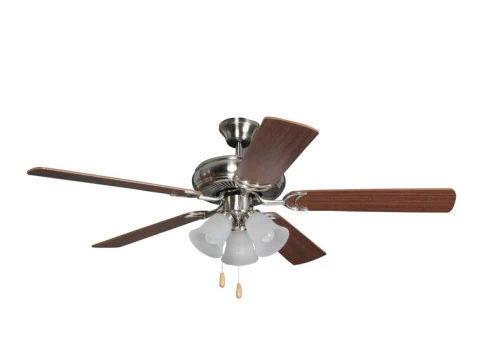
У нас уже 71 товар(ов) Без выплаты роялти 3D Модели. This category contains a wide choice of Ceiling Fan 3D Models - Lighting. Any 3D Ceiling Fan Lighting model is available in .max, .obj, .c4d, .fbx, .dxf, .dwg, .stl, .iges, .3ds, .mb, .lwo, .3dm, .skp and .blend format. Some of them are ready for 3D Printing & Games. Also you will find a great number of models in Ceiling Lights and Lamp categories.
- -50%
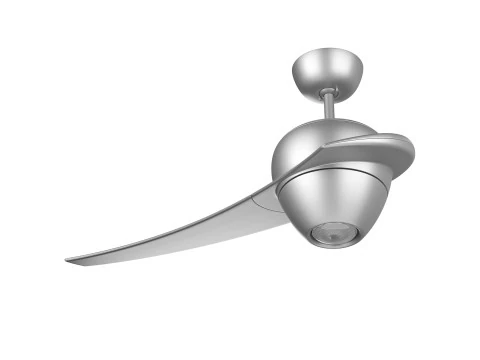
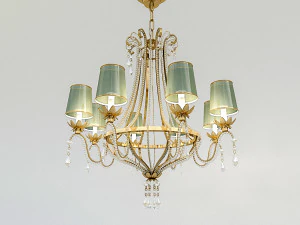
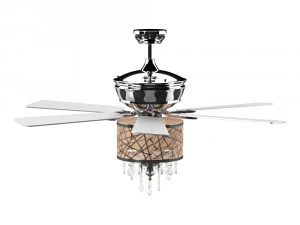
 chuckfinleyCeiling Fan
 - -50%
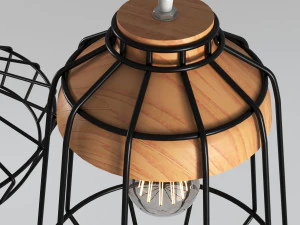
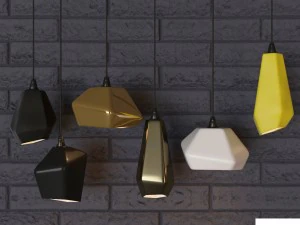
 cgdocaCeiling Fan
 - -50%
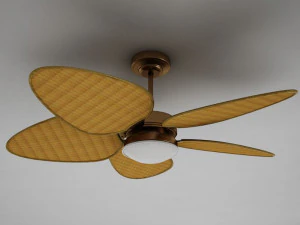
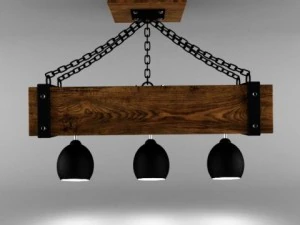
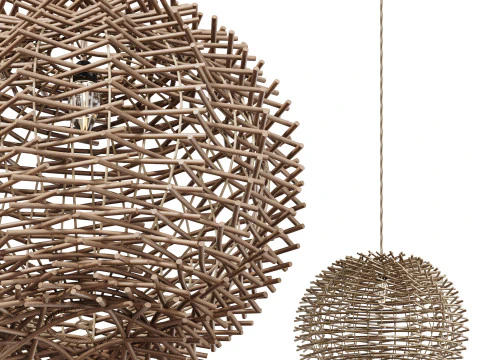 cgdocaCeiling Fan
 - -50%
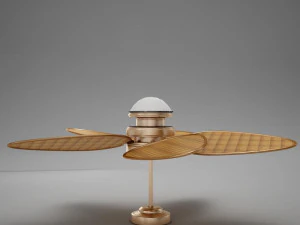
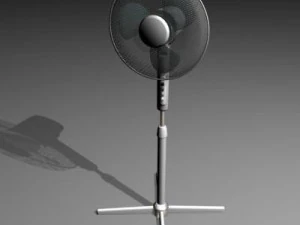
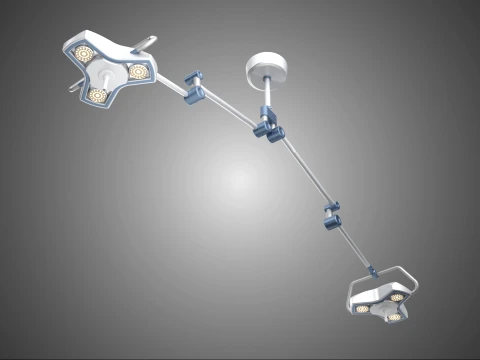 surf3dCeiling Fan






























Популярные запросы 3D Модели:
Скульптуры 3D Модели Персонажи 3D Модели Кухня 3D Модели Лошадь 3D Модели Архитектурные Экстерьеры 3D Модели Телефоны 3D Модели Овощи 3D Модели Ювелирные изделия 3D Модели Игрушки 3D Модели Медицина 3D Модели Вертолет 3D Модели Тяжелое оружие 3D Модели Грузовик 3D Модели Анатомия 3D МоделиОснащены ли потолочные вентиляторы механизмами для реалистичного вращения и движения?
Каждый вентилятор в категории 2026 готов к анимации. Мы предоставляем иерархическую скелетную модель, которая разделяет корпус двигателя, узел лопастей и цепочки. Лопасти смоделированы с аэродинамической кривизной, чтобы реалистично отражать свет при вращении. В 2026 году мы также включили прокси-элементы для размытия движения, которые позволяют вентилятору выглядеть как реалистичное размытие на высоких скоростях без необходимости тяжелого рендеринга субкадров. Эта функциональность необходима для прогулок по интерьерам и видео ArchViz, где тонкое движение окружающей среды добавляет виртуальному пространству дополнительный слой жизни.
Как реализована интеграция освещения и механики вентилятора?
Потолочные вентиляторы этой категории оснащены двухканальными шейдерами, что позволяет независимо контролировать освещение вентилятора и скорость двигателя. В световых шарах используются высококачественные диффузные материалы, предотвращающие появление ярких пятен и обеспечивающие мягкое, равномерное свечение. Мы уделяем пристальное внимание контрасту материалов, часто сочетая матовый никель или матовый черный металл с натуральным деревом или полупрозрачными акриловыми лопастями. Это гарантирует, что вентилятор будет выглядеть как предмет мебели премиум-класса, что делает его идеальным дополнением к рендерам жилых или коммерческих помещений, где функциональная эстетика играет ключевую роль.
Имеют ли вентиляторы физическую анимацию цепочек?
Да, цепочки оснащены риггингом «Spline-IK» или «Physics-Constraints». Это позволяет цепочкам раскачиваться естественно, если вентилятор анимирован или в сцене присутствует симулированный источник ветра. В 2026 году именно эта небольшая деталь не дает сцене выглядеть статичной и «застывшей». Фурнитура на концах цепочек — будь то дерево, металл или хрусталь — моделируется как отдельная геометрия со своими собственными весом и свойствами материала.
Можно ли настраивать текстуры лопастей для разных видов дерева?
Все лопасти вентилятора имеют неперекрывающиеся UV-карты и отдельные идентификаторы материалов. Вы можете легко переключаться между отделкой из ореха, дуба или современного белого пластика. В 2026 текстуры включают «анизотропные» свойства для дерева, что означает, что текстура отражает свет по-разному в зависимости от угла наклона лопасти. Это жизненно важно для потолочных вентиляторов, так как на лопасти часто смотрят снизу под разными углами, и правильное отражение света является ключом к тому, чтобы дерево выглядело аутентично.
Как корпуса двигателей оптимизированы для работы в больших сценах?
Хотя внешний вид очень детализирован, внутренние «невидимые» компоненты двигателя удалены для экономии полигонов. Мы предоставляем версии LOD (уровень детализации) для крупномасштабных проектов, таких как вестибюли отелей, где видно несколько вентиляторов. Версия с максимальным LOD имеет детализированные винты и вентиляционные отверстия для крупных планов, в то время как версии с более низким LOD сосредоточены на силуэте и основном светоизлучении. Это гарантирует, что вы сможете разместить вентиляторы в большом зале без значительного влияния на время рендеринга или стабильность окна просмотра.