行星 - 科幻小说 - 3D 模型 3D 模型

我们有 470 项目 免版税 3D 模型.

筛选器
$5
$1500
  1. 月球模型 v5 3D 模型
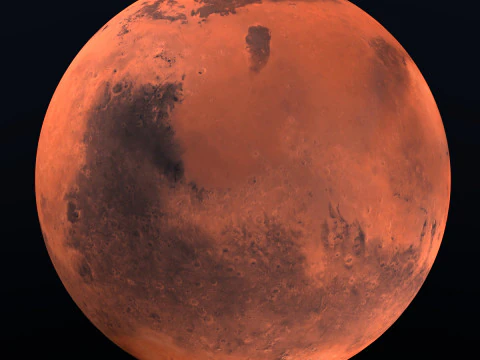
  2. 火星模型 v5 3D 模型
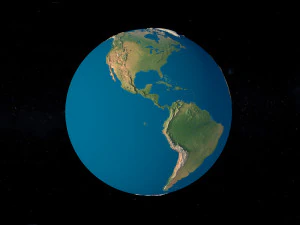
  3. 地球星球 v2 26K 3D 模型
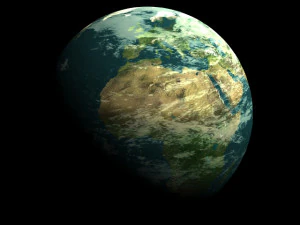
  4. 地球 16K 星球 3D 模型
  5. 火星8K 3D 模型
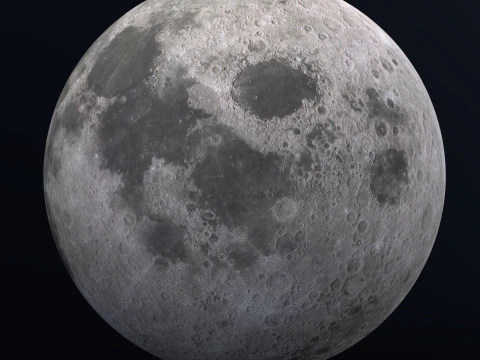
  6. 月亮8K 3D 模型
  7. -50%
    卡通地球 3D 模型
  8. -50%
    程式化的新月 3D 模型
  9. -50%
    地球行星 3D 模型
  10. -30%
    月亮 4k 纹理 3D 模型
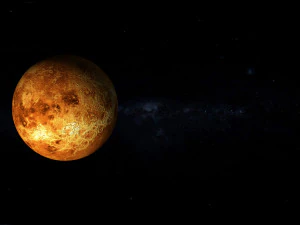
  11. 金星行星 3D 模型
  12. 金星行星 3D 模型
  13. 天王星行星 3D 模型
  14. 太阳 3D 模型
  15. 土星行星 3D 模型
  16. 冥王星行星 3D 模型
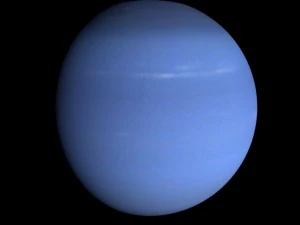
  17. 海王星行星 3D 模型
  18. 月球行星 3D 模型
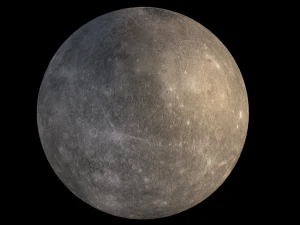
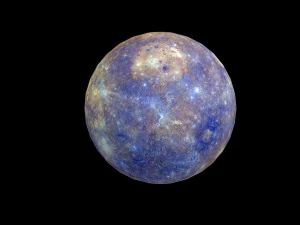
  19. 水星行星 3D 模型
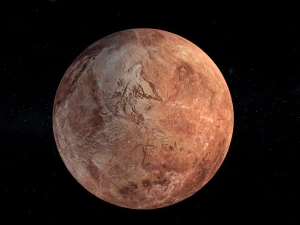
  20. 火星行星 3D 模型
  21. 创造星球 3D 模型
  22. 木星行星 3D 模型
  23. 豪美亚矮行星 3D 模型
  24. 阋神星矮行星 3D 模型
  25. 地球行星 3D 模型
  26. 谷神星 矮行星 3D 模型
  27. 陨石 3D 模型
  28. 行星 3D 模型
  29. -20%
    逼真的地球 3D 模型
  30. -20%
    月亮真实感 3D 模型
  31. -20%
    战斗宇航服 3D 模型
  32. 太阳系 3D 模型
  33. 小行星2 3D 模型
  34. 金星 3D 模型
  35. 汞 3D 模型
  36. 地球与月亮 3D 模型
  37. 行星包 3D 模型
  38. 动画太阳地球月亮系统 3D 模型
  39. 动画星球包 3D 模型
  40. 动画太阳系包 3D 模型
  41. -40%
    行星 3D 模型
    $5.40 $9.00
  42. 动画太阳模型 3D 模型
  43. 动画高清海王星模型 3D 模型
  44. 动画天王星模型 3D 模型
  45. 动画高清木星模型 3D 模型
  46. 动画高清土星模型 3D 模型
  47. 动画高清小行星模型 3D 模型
  48. 动画2k金星模型 3D 模型
  49. 动画 4k 水星模型 3D 模型
  50. 动画 8k 火星模型 3D 模型
  51. 23k现实月亮 3D 模型
  52. 动画 16k 地球包 3D 模型
  53. 动画逼真高清地球模型 3D 模型
  54. 动画16k地球地理模型 3D 模型
  55. 高清动画地球模型 3D 模型
  56. 地球 月亮 3D 模型
  57. 地球行星 3D 模型
  58. 火箭在行星上旅行的动画 3D 模型
  59. 科幻超现实日落 3D 模型
  60. 虫洞动画 3D 模型
  61. 黑洞场景动画 3D 模型
  62. 新植物地形改造 3D 模型
  63. 地球 3D 模型
  64. 地球 3D 模型
  65. -50%
    行星地球 8k 3D 模型
  66. 木星动画 3D 模型
  67. 现实的月亮 3D 模型
  68. -30%
    无人机月球挖掘机 3D 模型
  69. 地球 3D 模型
  70. 彩色纹理卡通行星集 3D 模型
  71. -30%
    现实的行星 3D 模型
  72. 科幻星球 3D 模型
  73. -50%
    行星 太阳系 3D 模型
  74. 小行星2c 3D 模型
  75. 小行星2b 3D 模型
  76. 小行星2a 3D 模型
  77. 盘古地球 3D 模型
  78. 金属之星 3D 模型
  79. 小行星1e 3D 模型
  80. 小行星 1d 3D 模型
  81. 小行星1c 3D 模型
  82. 小行星 1b 3D 模型
  83. 小行星1a 3D 模型
  84. 行星 3D 模型
  85. 超级黑洞 3D 模型
  86. 星球大战 死星 3D 模型
  87. 地球 3D 模型
  88. 盘古地球 3D 模型
  89. 地球 3D 模型
  90. 太阳 3D 模型
页 1 的 5

What types of celestial bodies are featured in this category?

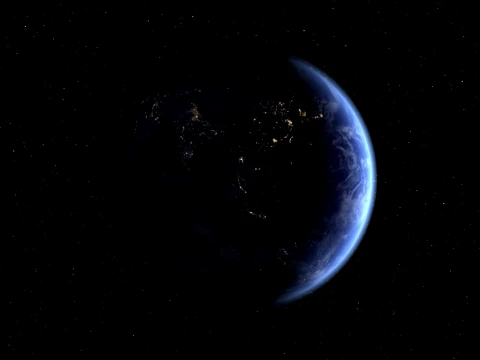
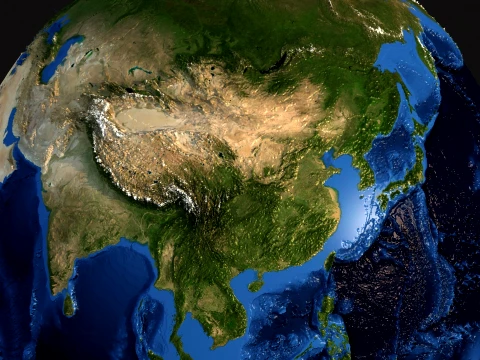
The planet category is an astronomical library featuring a wide array of celestial bodies, from hyper-realistic replicas of our own solar system to imaginative alien worlds. In 2026, we offer high-resolution Earth models with multi-layered clouds, glowing city lights, and accurate topography. You can also find massive gas giants with complex ring systems, icy moons, and scorched volcanic planets. These models are essential for anyone building a space-themed game, a cosmic visualization, or a sci-fi cinematic. Each planet is designed to be the centerpiece of a scene, providing the massive scale and visual complexity required to make a digital universe feel vast and diverse.

How are the atmospheric and cloud layers handled for realism?

Realism in 2026 planetary models is achieved through a multi-layered approach. Our models often include separate spheres for the surface terrain, the cloud cover, and the atmospheric haze. This allows for realistic shadow casting from the clouds onto the surface and a beautiful "limb-darkening" effect where the atmosphere glows at the planet's edge. The cloud textures are often provided at 8K or 16K resolution, featuring intricate patterns that can be rotated independently of the planet's surface to simulate weather patterns. This level of detail is perfect for orbital views where the viewer can see the depth and movement of the atmosphere, providing a professional and immersive backdrop for your space-based 3D projects.

Can I find procedurally generated alien worlds?

Yes, the 2026 collection includes many alien planets that utilize procedural textures to create unique and biologically diverse surfaces. You can find worlds with purple oceans, bioluminescent forests, or crystalline mountain ranges. These models are designed for creators who need to build a sense of wonder and discovery in their sci-fi narratives. The textures are mapped using spherical projections to ensure there are no visible seams at the poles. These alien worlds often come with customized atmospheric settings, allowing you to create a thick, hazy green sky or a thin, violet air layer, providing an infinite variety of exotic locations for your interstellar explorations and science fiction adventures.
Are these planet models suitable for close-up surface shots?

While these models are primarily designed for orbital and mid-range views, many of our 2026 planetary assets include high-resolution displacement maps for specific regions. This allows for a smooth transition from space down toward the upper atmosphere. For true surface-level shots, we recommend using these models as the "background-plate" while using more detailed terrain assets for the immediate foreground. However, the 16K and 32K textures available for many of our Earth and Mars models provide enough detail for very low-orbit renders, allowing you to see mountain ranges, river systems, and city grids with impressive clarity and professional visual fidelity.

What rendering techniques help create a massive planetary scale?

To capture the immense scale of a planet in 2026, we recommend using "fresnel-based" atmospheric shaders that glow more brightly at the edges of the sphere. Use a very large, distant light source to simulate the sun, which will create a realistic "terminator" line between day and night. For the night side, using a separate "emissive" map for city lights or volcanic activity will add a sense of life and scale. Adding a subtle "atmospheric-glow" or "bloom" around the planet will make it feel like a massive body reflecting light. These techniques, combined with high-resolution textures, help ground the planet in your scene, making it look as imposing and majestic as a real celestial body.