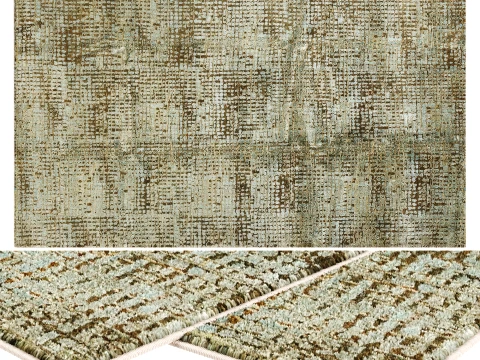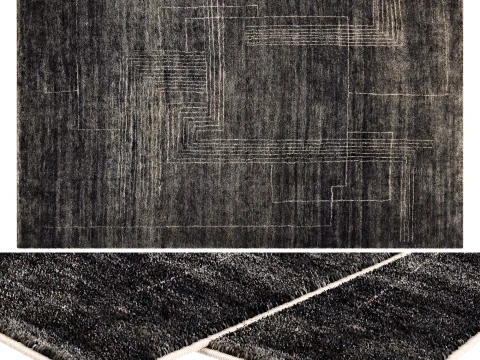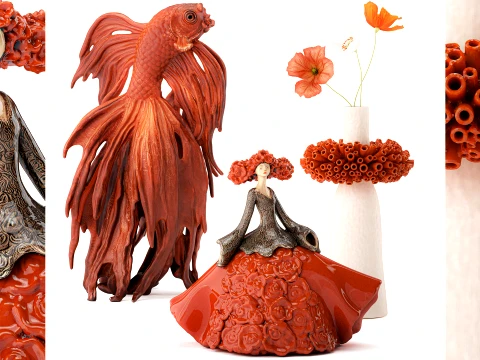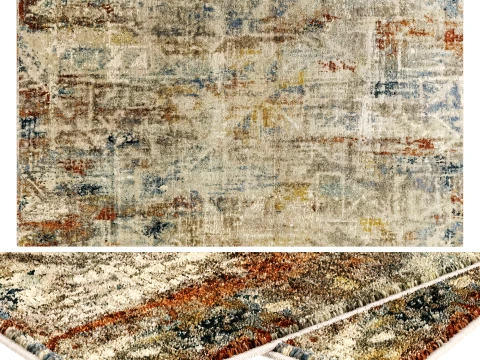
建筑师的元素 3D 模型

我们有 22424 项目 免版税 3D 模型.

筛选器
$5
$1500
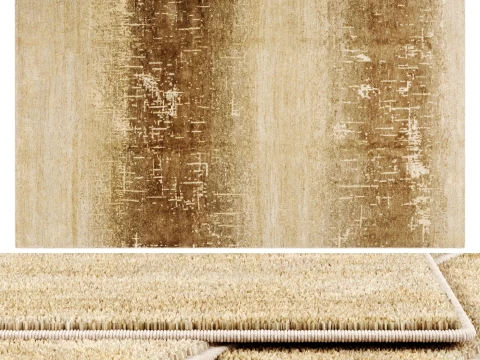
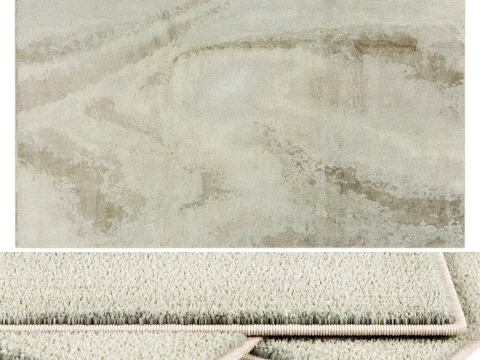
  1. 塞拉红 3D 模型
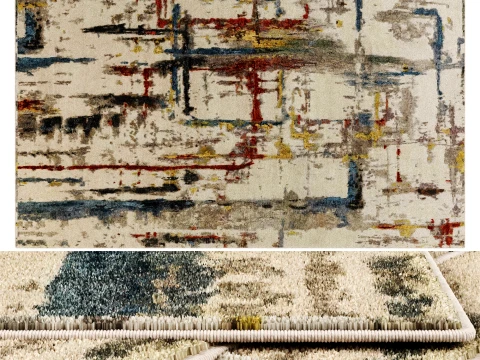
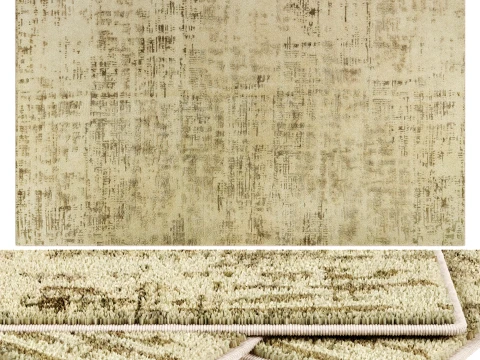
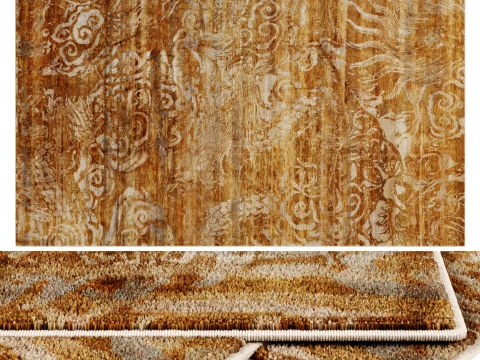
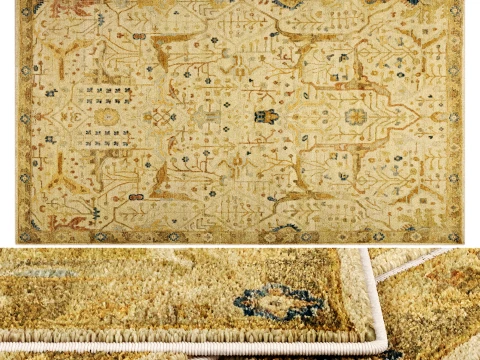
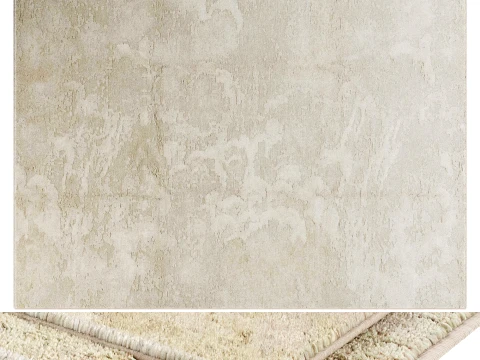
  2. 印加象牙 3D 模型
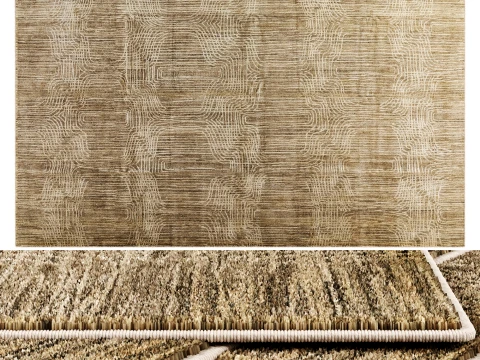
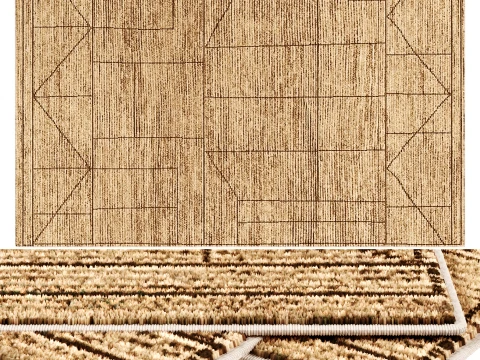
  3. 安文丁白 3D 模型
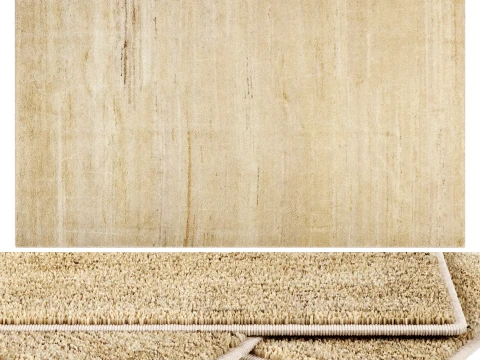
  4. 西奥·克洛玛 3D 模型
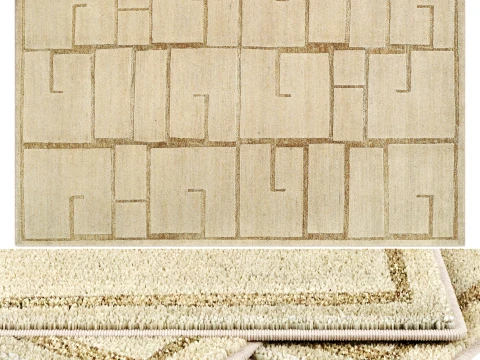
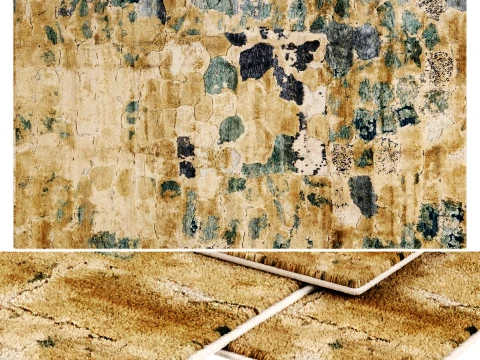
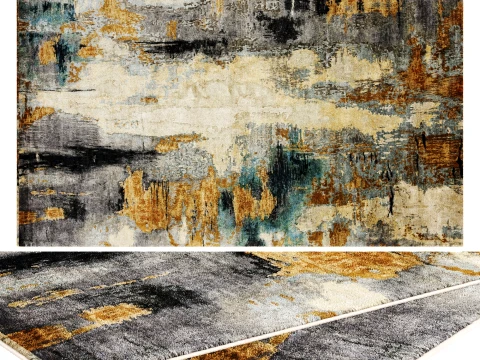
  5. 相交金灰褐色 3D 模型
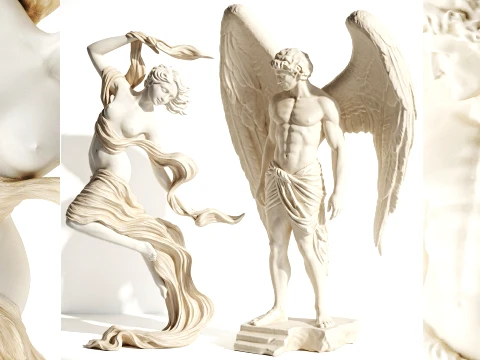
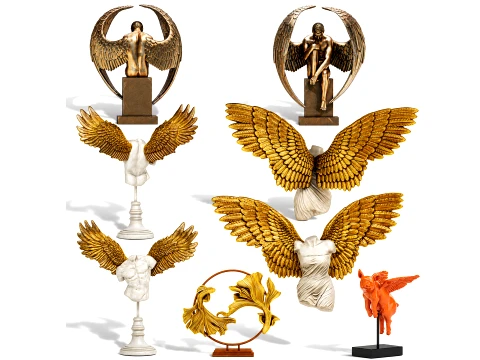
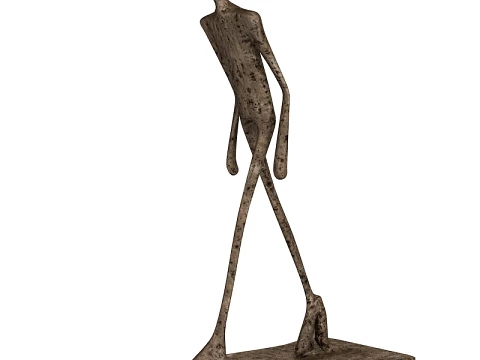
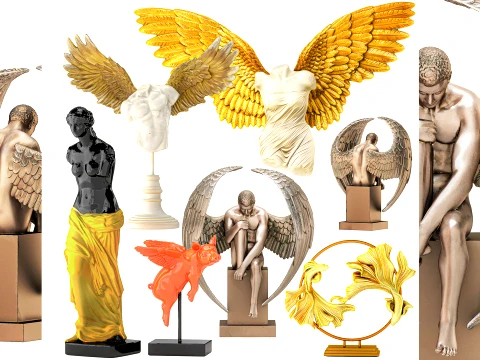
  6. 人类雕像 3D 模型
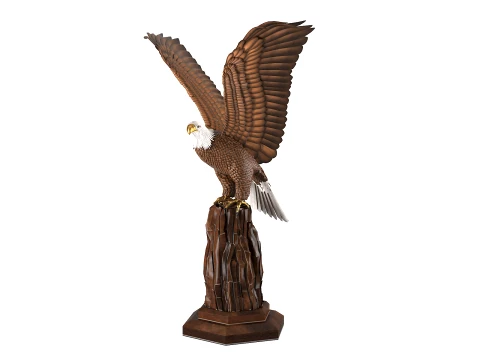
  7. 鹰雕塑 3D 模型
  8. 巴洛克相框套装 3D 模型
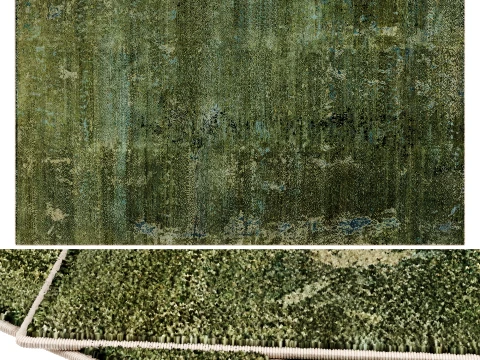
  9. 流板栗 3D 模型
  10. 花岗岩饰带 3D 模型
  11. 海岸线雪花石膏 3D 模型
  12. 麻布象牙金 3D 模型
  13. 信封浮石 3D 模型
  14. 裂雾 3D 模型
  15. 上海麻羊皮 3D 模型
  16. 神话镀金 3D 模型
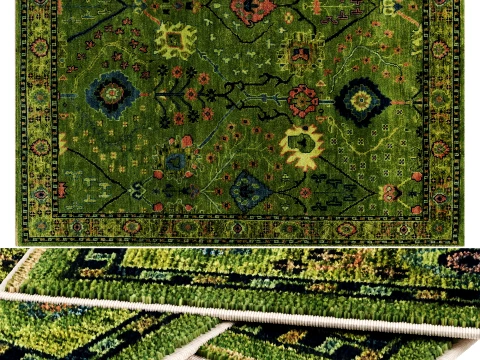
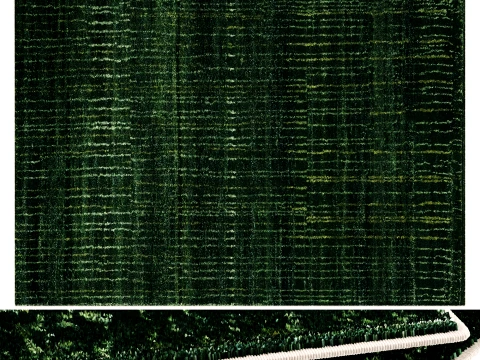
  17. 多尼戈尔 III 绿色 3D 模型
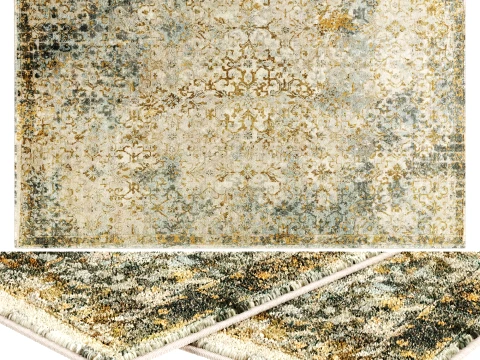
  18. 城市之光地衣蓝 3D 模型
  19. 信封海泡沫 3D 模型
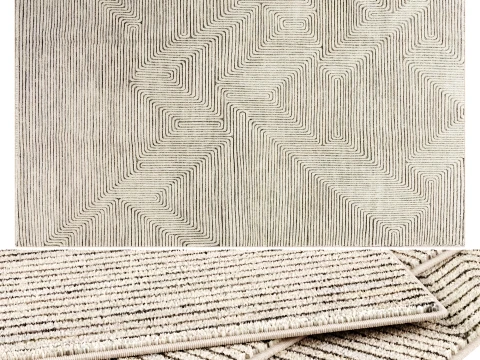
  20. 细条纹玉 3D 模型
  21. 棕榈贝壳 3D 模型
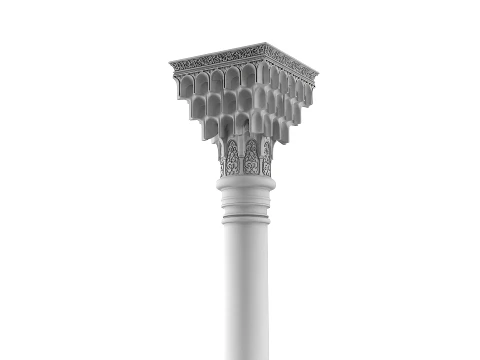
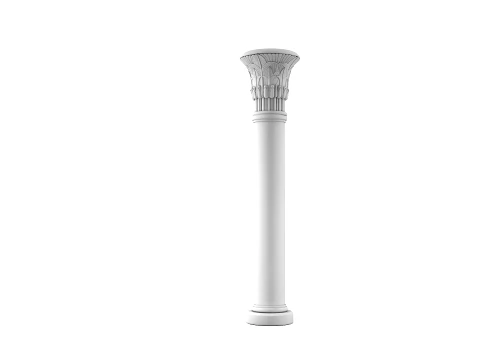
  22. 阿罕布拉罗马柱 3D 模型
  23. 高原 III 象牙木炭 3D 模型
  24. 哥特式柱 3D 模型
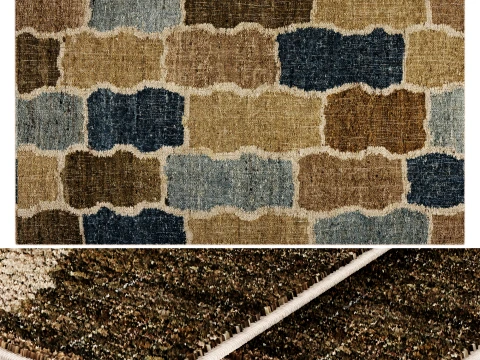
  25. 钩针海岸 3D 模型
  26. 算盘条纹土坯 3D 模型
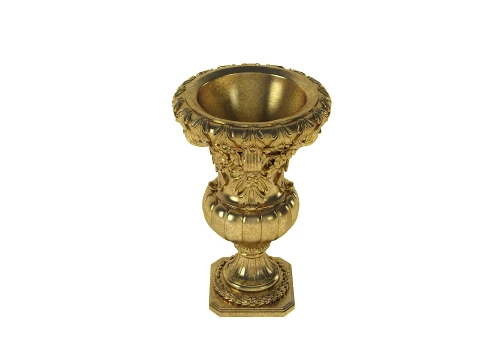
  27. 巴洛克花瓶套装 3D 模型
  28. 巴洛克花瓶 8 3D 模型
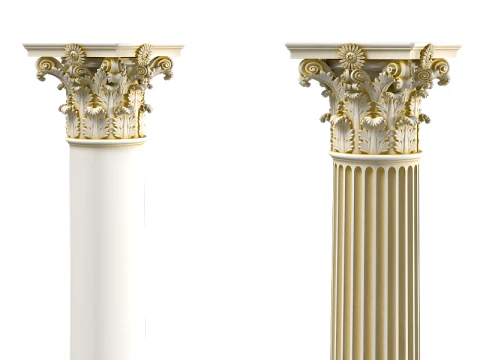
  29. 科林斯柱式 3D 模型
  30. 黄金系列 3D 模型
  31. 钩针海岸 3D 模型
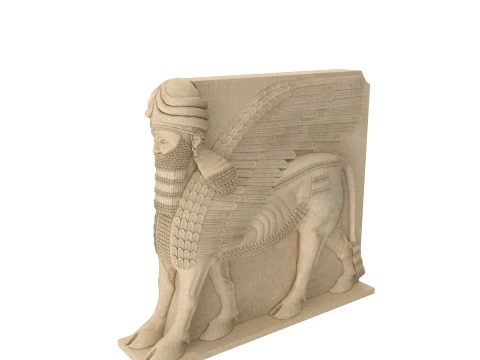
  32. 拉马苏雕像 3D 模型
  33. -40%
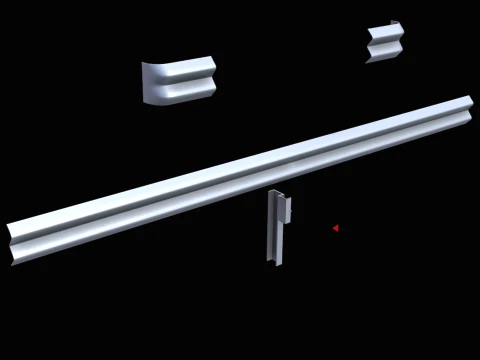
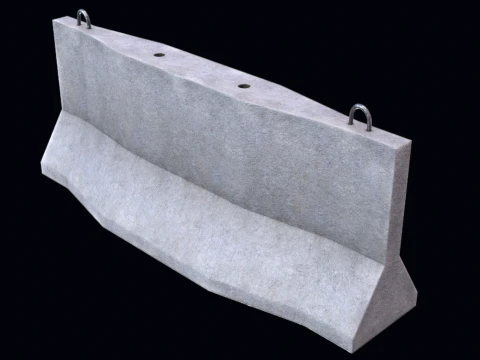
    混凝土屏障 Game Ready PBR 3D 模型
  34. 积雪羊皮纸 3D 模型
  35. Craquelin II 青金石 3D 模型
  36. 瓦尔纳青铜 3D 模型
  37. 恰帕斯灰金 3D 模型
  38. Nexus 木炭 3D 模型
  39. 城市之光 IV 五彩纸屑 3D 模型
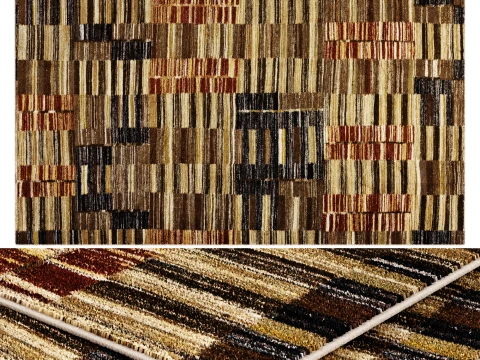
  40. 新光谱 3D 模型
  41. -40%
    交通后游戏就绪 PBR 3D 模型
  42. -40%
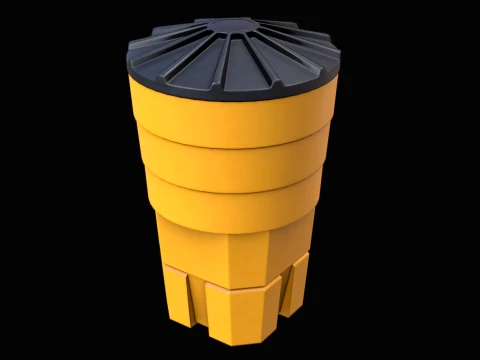
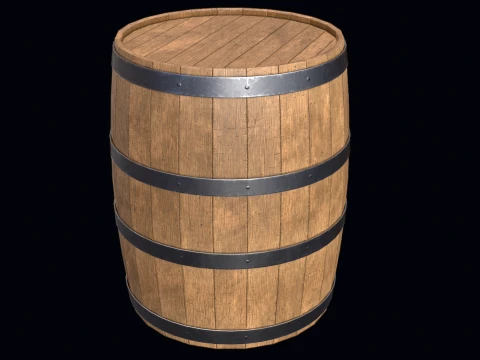
    酒桶游戏就绪 PBR 3D 模型
  43. -40%
    交通鼓游戏就绪 PBR 3D 模型
  44. -40%
    交通锥游戏就绪 PBR 3D 模型
  45. -40%
    模块化生活单元 M1 3D 模型
  46. -40%
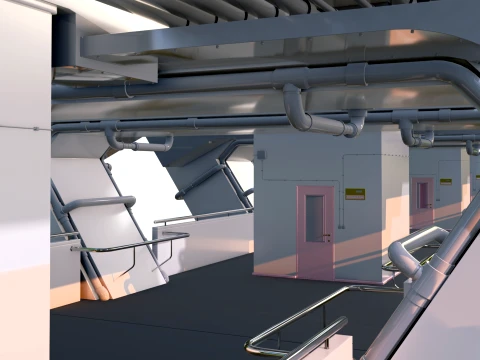
    大桥下层甲板部分 M1 3D 模型
  47. -40%
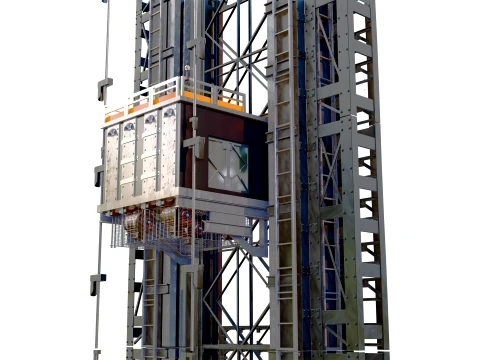
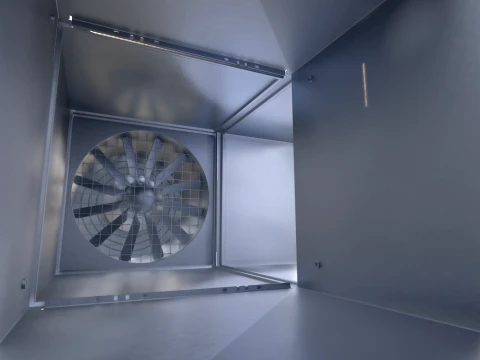
    内部通风轴M1 3D 模型
  48. -40%
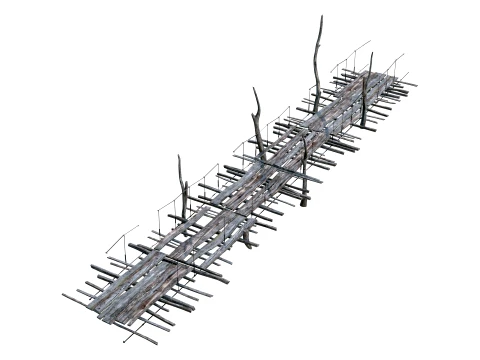
    M1 旧木码头 3D 模型
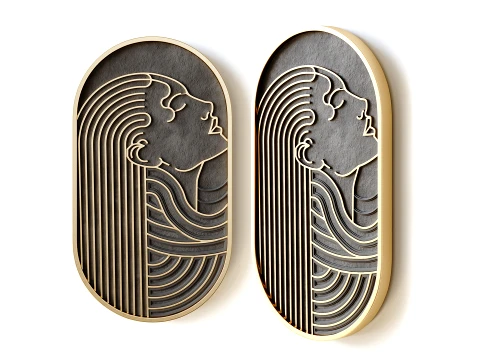
  49. Lerad激光艺术 3D 模型
  50. -40%
    木门游戏就绪 PBR 3D 模型
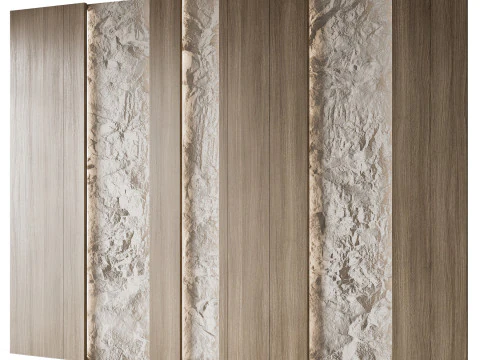
  51. 墙板39 3D 模型
  52. 墙板38 3D 模型
  53. 墙板37 3D 模型
  54. 墙板36 3D 模型
  55. -40%
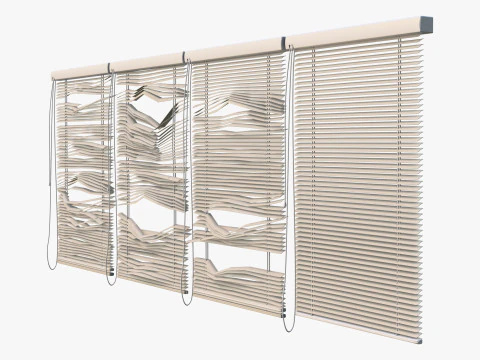
    废弃百叶窗 M1 3D 模型
  56. 3d 壁画 3D 模型
  57. -40%
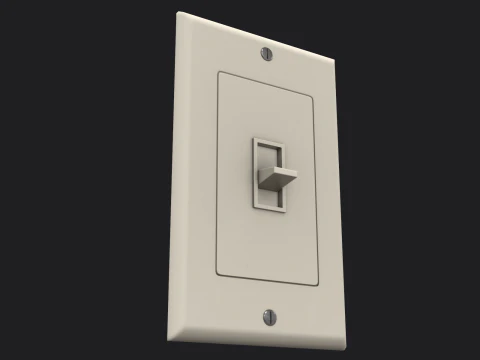
    灯开关游戏就绪 PBR 3D 模型
  58. -40%
    生态城长凳集成垃圾箱 M1 3D 模型
  59. -40%
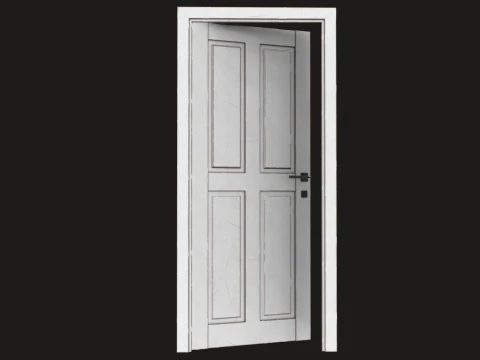
    木门游戏就绪 PBR 3D 模型
  60. 天幕黑色阁楼006 3D 模型
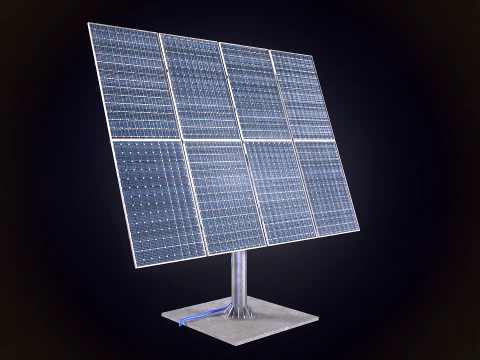
  61. 太阳能跟踪系统面板 3D 模型
  62. -40%
    旧木定向柱 M1 3D 模型
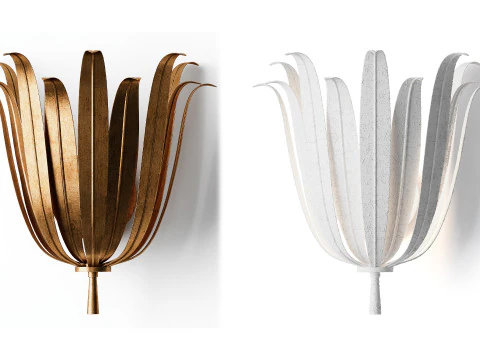
  63. 维琴奇奥叶壁灯 3D 模型
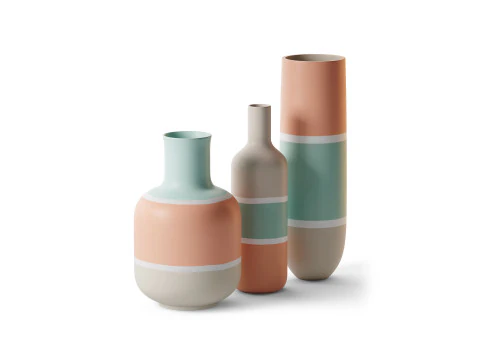
  64. 花瓶套装3 3D 模型
  65. 花瓶套装2 3D 模型
  66. 花瓶套装 3D 模型
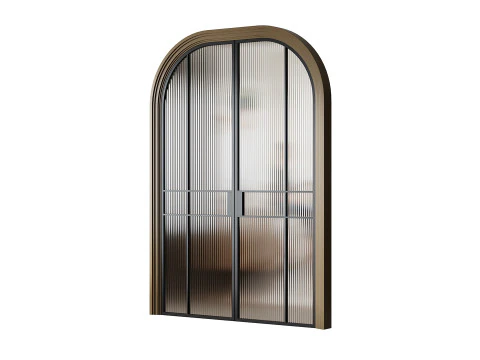
  67. 内门 45 3D 模型
  68. 内门 42 3D 模型
  69. 内门 41 3D 模型
  70. Jan Vogel Poel 的抽象雕塑 3D 模型
  71. -40%
    蒸汽朋克阁楼装饰 15 件套 M1 3D 模型
  72. 几何马 3D 模型
  73. 老工厂窗户包 3D 模型
  74. 恩德贝勒女人雕塑 3D 模型
  75. 花瓶装饰套装 04 3D 模型
  76. 花瓶装饰套装 03 3D 模型
  77. 花瓶装饰套装 02 3D 模型
  78. 花瓶装饰套装 3D 模型
  79. -40%
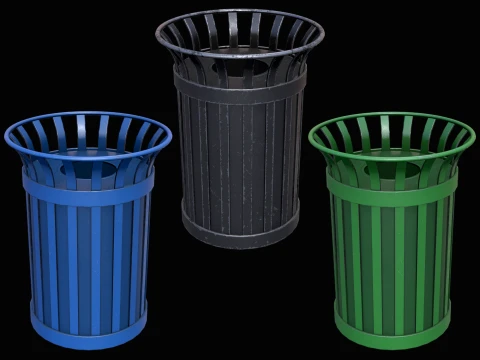
    带轮垃圾桶 3D 模型
  80. 多边形杜宾雕像 3D 模型
  81. 儿童墙板 6 3D 模型
  82. 儿童墙板 5 3D 模型
  83. 儿童墙板 4 3D 模型
  84. -40%
    卡通废弃交通锥 M1 3D 模型
  85. -40%
    机械齿轮木质地球仪M1 3D 模型
  86. 丰收幽灵 3D 模型
  87. 圣诞驯鹿装饰 3D 模型
  88. 钢公鸡001 3D 模型
  89. 黄铜幸运牛雕像 3D 模型
  90. 倒立的马平衡雕塑 3D 模型
页 1 的 225

What are the technical standards for architectural elements in 2026?

In 2026, architectural 3D models are expected to be more than just visual shells; they are increasingly integrated with BIM (Building Information Modeling) standards. High-quality assets in this category feature "Clean Geometry" with non-overlapping UVs and are often provided in formats like IFC or Revit-compatible FBX. For visual rendering, PBR (Physically Based Rendering) materials are a must, utilizing 4K or 8K textures for Albedo, Normal, and Roughness maps to simulate realistic stone, wood, and metal surfaces. This ensures that a single element can be used from the initial conceptual design phase through to the final photorealistic marketing render or VR walkthrough. The geometry is optimized to handle "Real-Time Global Illumination," making these assets perfect for modern engines like Unreal Engine 5 or Lumion 2026.

How is modularity handled in architectural 3D assets?

Modularity is a core requirement for 2026 workflows. Most architectural elements, such as columns, moldings, and panels, are designed to be "snappable." This means they use standard metric or imperial dimensions and have their pivot points accurately placed at the corners or center-bottom. This allows architects and level designers to quickly assemble complex structures by duplicating and snapping components together without gaps or mesh overlapping. Whether you are building a classical cathedral or a modern skyscraper, these modular kits significantly reduce production time while maintaining a consistent aesthetic across the entire architectural project. Most kits also include "corner pieces" and "end caps" to ensure seamless transitions in complex geometry layouts.

Can these architectural elements be used for VR and AR walkthroughs?

Absolutely. In 2026, the demand for immersive architectural experiences is at an all-time high. Our models are optimized with balanced polygon counts and efficient LOD (Level of Detail) systems, making them ideal for VR headsets like the Apple Vision Pro or Meta Quest 4. Because they utilize PBR workflows, materials react realistically to dynamic lighting within VR environments. Furthermore, many elements include simplified "Collision Meshes," allowing users to walk through digital spaces without passing through walls or furniture. This technical readiness ensures a smooth, high-frame-rate experience, which is vital for preventing motion sickness in VR and providing a professional sense of presence in virtual property tours.

Are the materials customizable for different interior design styles?

Yes, customization is a priority in our 2026 collection. Many architectural elements are provided with "Multi-Material" setups, allowing users to swap textures easily. For example, a single crown molding model can be assigned a wood, plaster, or metallic shader without changing the geometry. Furthermore, many creators provide "Substance" (.sbsar) files or layered PSDs, enabling procedural adjustments to parameters like "Dirt," "Age," or "Paint Color." This allows architects to maintain a unique look for every project while using a consistent library of base assets, significantly speeding up the creative iteration process during the design development phase.

How do architectural elements integrate with modern lighting systems?

Modern architectural rendering relies heavily on physical accuracy. Our 2026 models are built to interact correctly with IES (Illumination Engineering Society) light profiles. Elements like light fixtures, recessed ceilings, and window frames are designed with accurate "Emissive" materials and "Light Portals." This ensures that light bounces and shadows behave exactly as they would in a real-world building. Additionally, the UV maps are meticulously unwrapped to avoid "Lightmap Leaks" or "Light Bleed," which is essential for high-quality "Baking" in engines like Unity or for real-time ray-tracing in professional ArchViz software, providing a level of realism that satisfies even the most demanding clients.