


 English
 Deutsch
 日本語
日本語 Polska
 Français
 한국의
한국의 Українська
 Italiano
 Nederlands
 Türkçe
 Português
 Bahasa Indonesia
 Русский
 中國
中國 हिंदी
हिंदी
















Elementos Arquitectónicos Modelados 3D
Tenemos 22869 artículo(s) Libre de regalías Modelos 3D. Ofrecemos una amplia colección de modelos arquitectónicos 3D para cualquier tipo de proyecto. Puedes encontrar modelos de MAX, C4D, BLEND, FBX, STL y OBJ, formatos GLTF. Navegue por la colección completa y seguro que encuentra algo útil en las categorías 3D Architectural Interior Models y Modelos de coches en 3D
- -50%
 deckoratorSculpture
 - -50%
 deckoratorSculpture
 - -50%
 deckoratorSculpture
 - -50%
 deckoratorSculpture
 - -50%
 deckoratorSculpture
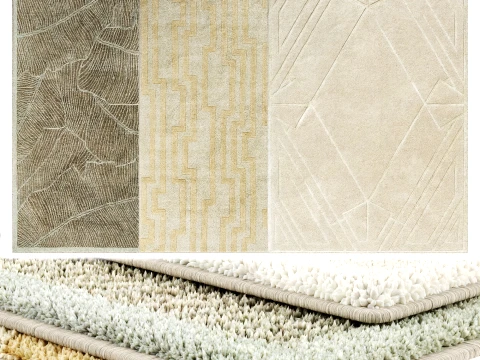
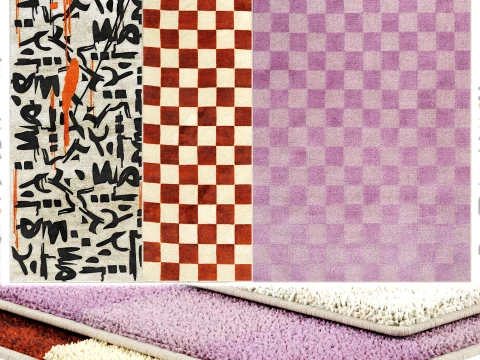
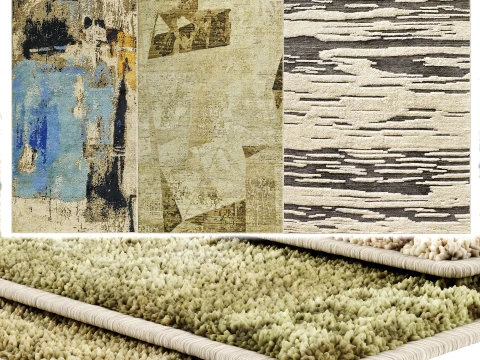
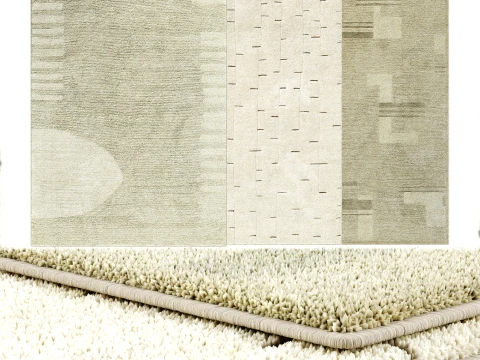








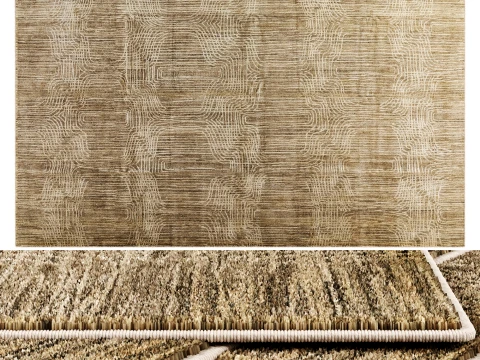
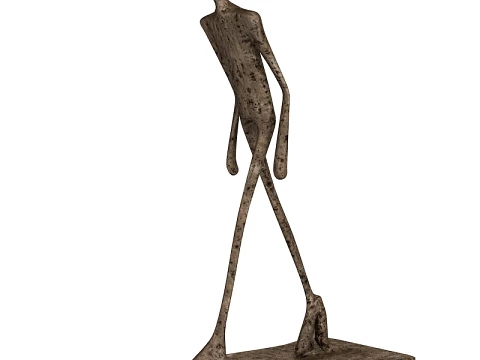
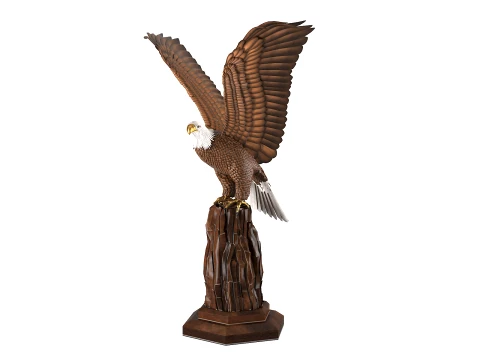
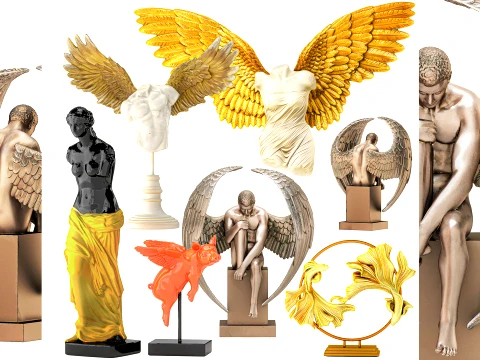
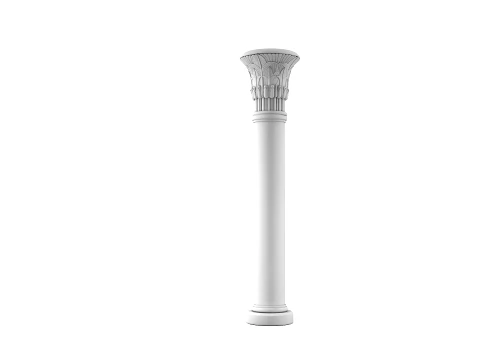
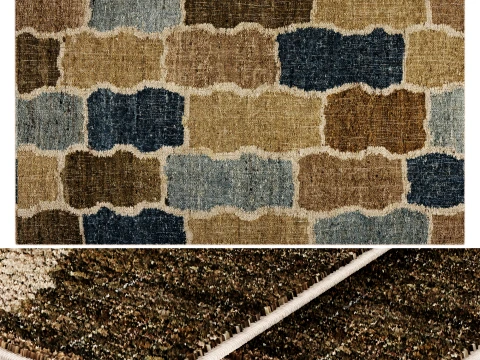
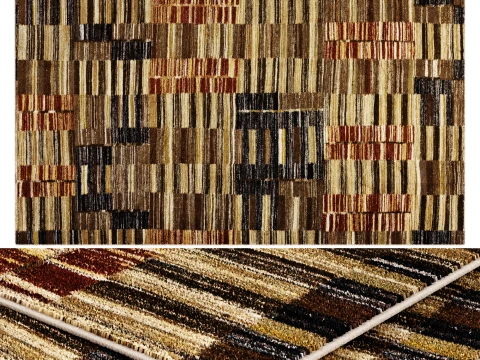
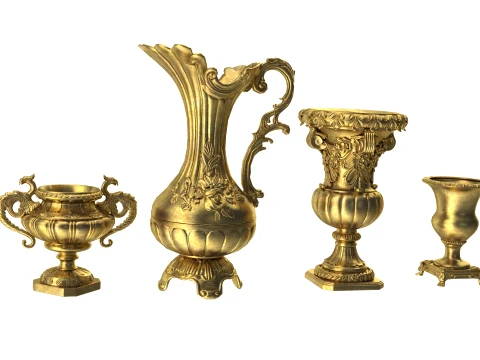

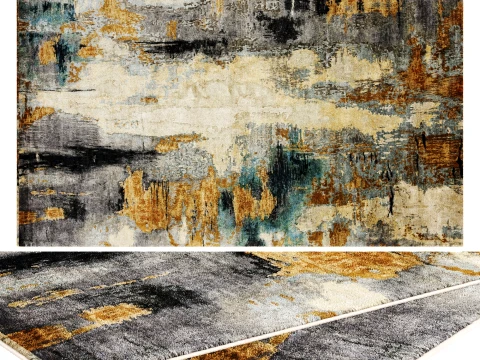
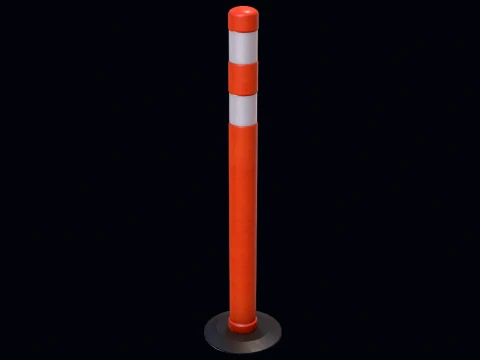
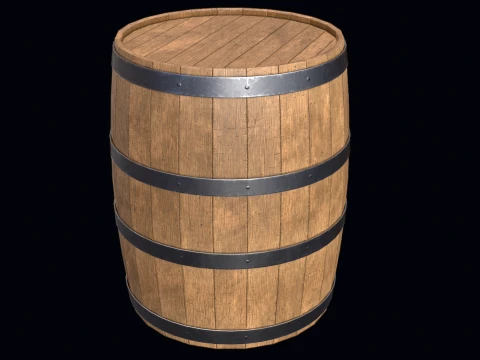

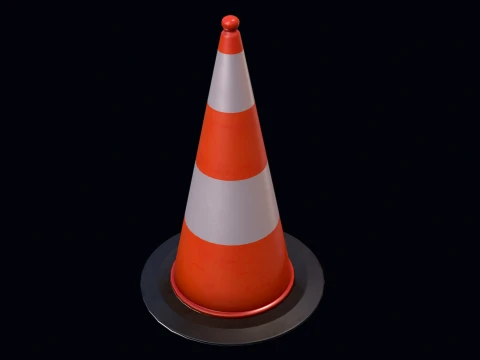
Búsquedas de tendencias Modelos 3D:
Escultura Modelos 3D Personajes Modelos 3D Cocina Modelos 3D Caballo Modelos 3D Exteriores Modelos 3D Télefono y Móvil Modelos 3D Vegetales Modelos 3D Joyeria Modelos 3D Juguetes Modelos 3D Medicinal Modelos 3D Helicóptero Modelos 3D Armas Pesadas Modelos 3D Camión Modelos 3D Anatomía Modelos 3D¿Cuáles son los estándares técnicos para los elementos arquitectónicos en 2026?
En 2026, se espera que los modelos 3D arquitectónicos sean algo más que simples envolventes visuales; se integran cada vez más con los estándares BIM (Building Information Modeling). Los activos de alta calidad de esta categoría cuentan con una «geometría limpia» con UV no superpuestas y suelen proporcionarse en formatos como IFC o FBX compatible con Revit. Para el renderizado visual, los materiales PBR (renderizado basado en la física) son imprescindibles, utilizando texturas 4K u 8K para los mapas de albedo, normal y rugosidad con el fin de simular superficies realistas de piedra, madera y metal. Esto garantiza que un mismo elemento pueda utilizarse desde la fase inicial de diseño conceptual hasta el render fotorrealista final para marketing o el recorrido en realidad virtual. La geometría está optimizada para gestionar la «iluminación global en tiempo real», lo que hace que estos activos sean perfectos para motores modernos como Unreal Engine 5 o Lumion 2026.
¿Cómo se gestiona la modularidad en los activos 3D arquitectónicos?
La modularidad es un requisito fundamental para los flujos de trabajo de 2026. La mayoría de los elementos arquitectónicos, como columnas, molduras y paneles, están diseñados para ser «ajustables». Esto significa que utilizan dimensiones métricas o imperiales estándar y que sus puntos de pivote están colocados con precisión en las esquinas o en el centro de la parte inferior. Esto permite a los arquitectos y diseñadores de niveles ensamblar rápidamente estructuras complejas duplicando y ajustando los componentes entre sí sin huecos ni superposición de mallas. Tanto si se trata de construir una catedral clásica como un rascacielos moderno, estos kits modulares reducen significativamente el tiempo de producción al tiempo que mantienen una estética coherente en todo el proyecto arquitectónico. La mayoría de los kits también incluyen «piezas de esquina» y «tapas de extremo» para garantizar transiciones fluidas en diseños geométricos complejos.
¿Se pueden utilizar estos elementos arquitectónicos para recorridos en RV y RA?
Por supuesto. En 2026, la demanda de experiencias arquitectónicas inmersivas está en su punto más alto. Nuestros modelos están optimizados con un número equilibrado de polígonos y sistemas LOD (nivel de detalle) eficientes, lo que los hace ideales para cascos de RV como el Apple Vision Pro o el Meta Quest 4. Al utilizar flujos de trabajo PBR, los materiales reaccionan de forma realista a la iluminación dinámica dentro de los entornos de RV. Además, muchos elementos incluyen «mallas de colisión» simplificadas, lo que permite a los usuarios recorrer espacios digitales sin atravesar paredes o muebles. Esta preparación técnica garantiza una experiencia fluida y con una alta tasa de fotogramas, lo cual es vital para prevenir el mareo en la realidad virtual y proporcionar una sensación profesional de presencia en las visitas virtuales a propiedades.
¿Se pueden personalizar los materiales para diferentes estilos de diseño de interiores?
Sí, la personalización es una prioridad en nuestra colección de 2026. Muchos elementos arquitectónicos se proporcionan con configuraciones «multimaterial», lo que permite a los usuarios cambiar de textura fácilmente. Por ejemplo, a un único modelo de moldura de techo se le puede asignar un sombreador de madera, yeso o metal sin cambiar la geometría. Además, muchos creadores proporcionan archivos «Substance» (.sbsar) o PSD en capas, lo que permite ajustes procedimentales de parámetros como «Suciedad», «Antigüedad» o «Color de la pintura». Esto permite a los arquitectos mantener un aspecto único para cada proyecto al tiempo que utilizan una biblioteca coherente de activos básicos, lo que acelera significativamente el proceso de iteración creativa durante la fase de desarrollo del diseño.
¿Cómo se integran los elementos arquitectónicos con los sistemas de iluminación modernos?
El renderizado arquitectónico moderno se basa en gran medida en la precisión física. Nuestros modelos 2026 están diseñados para interactuar correctamente con los perfiles de luz de la IES (Illumination Engineering Society). Elementos como las luminarias, los techos empotrados y los marcos de las ventanas se diseñan con materiales «emisivos» precisos y «portales de luz». Esto garantiza que los rebotes de luz y las sombras se comporten exactamente como lo harían en un edificio del mundo real. Además, los mapas UV se desenvuelven meticulosamente para evitar «fugas de mapa de luz» o «sangrado de luz», lo cual es esencial para un «horneado» de alta calidad en motores como Unity o para el trazado de rayos en tiempo real en software profesional de visualización arquitectónica, proporcionando un nivel de realismo que satisface incluso a los clientes más exigentes.