


 English
 Deutsch
 日本語
日本語 Polska
 Français
 한국의
한국의 Українська
 Italiano
 Nederlands
 Türkçe
 Português
 Bahasa Indonesia
 Русский
 中國
中國 हिंदी
हिंदी















Fruta - Comida Modelados 3D
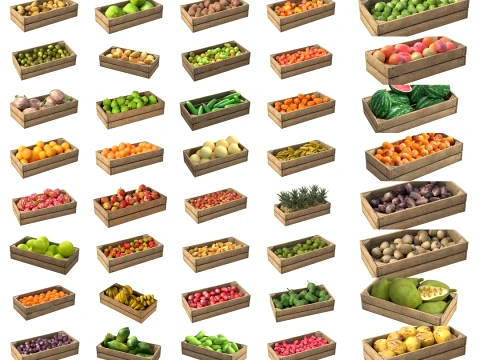
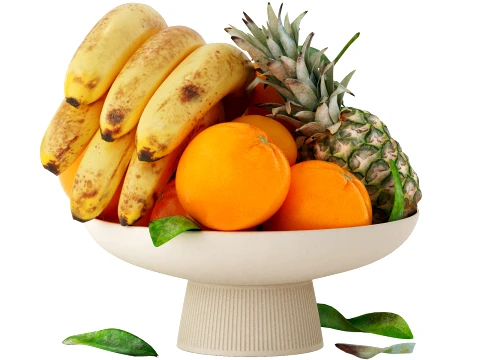
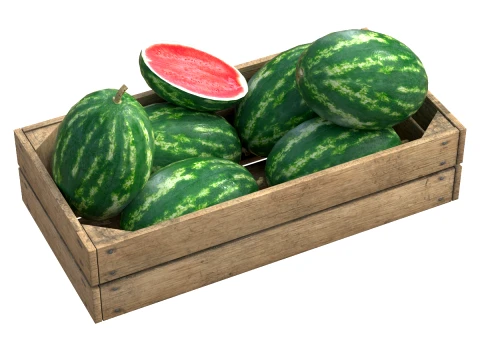
Tenemos 1515 artículo(s) Libre de regalías Modelos 3D. This category contains a wide choice of Fruit 3D Models - Food. Any 3D Fruit model is available in .max, .obj, .c4d, .fbx, .dxf, .dwg, .stl, .iges, .3ds, .mb, .lwo, .3dm, .skp and .blend format. Some of them are ready for 3D Printing & Games. Also you will find a great number of models in Beverage and Miscellaneous categories.



Búsquedas de tendencias Modelos 3D:
Escultura Modelos 3D Personajes Modelos 3D Cocina Modelos 3D Caballo Modelos 3D Exteriores Modelos 3D Télefono y Móvil Modelos 3D Vegetales Modelos 3D Joyeria Modelos 3D Juguetes Modelos 3D Medicinal Modelos 3D Helicóptero Modelos 3D Armas Pesadas Modelos 3D Camión Modelos 3D Anatomía Modelos 3D¿Qué hace que los modelos 3D de frutas de 2026 parezcan más realistas que las versiones anteriores?
El salto en el realismo de las frutas se debe al uso generalizado de la fotogrametría de alta resolución y la «dispersión subsuperficial» (SSS). En 2026, frutas como las uvas, las naranjas y las bayas se modelan para permitir que la luz penetre en la superficie y se disperse dentro de la pulpa, creando ese característico «brillo» orgánico. También utilizamos el «microdesplazamiento» para capturar la estructura porosa específica de las cáscaras de los cítricos o la fina pelusa de un melocotón. Esto garantiza que, incluso a distancias macro extremas, la fruta parezca tangiblemente real, lo cual es un requisito para las aplicaciones modernas de comestibles y la cinematografía gastronómica en 4K.
¿Se ofrecen las frutas en distintos estados de maduración?
Sí, la colección 2026 hace hincapié en la «maduración dinámica» a través de conjuntos de texturas especializados. Un único modelo de fruta puede incluir mapas para los estados «fresco», «maduro» y «ligeramente magullado». Esto se consigue mediante texturizado «basado en máscaras», lo que permite al usuario mezclar colores para mostrar un plátano que pasa de verde a amarillo. Este nivel de variedad es esencial para los artistas de ArchViz que desean crear escenas de cocina «habitadas» o para contenidos educativos centrados en la salud en los que es necesario demostrar visualmente la evolución de la calidad de los alimentos con precisión científica.
¿Cómo se modela la estructura interna de la fruta cortada?
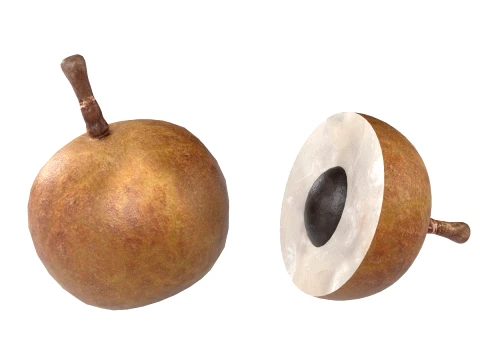
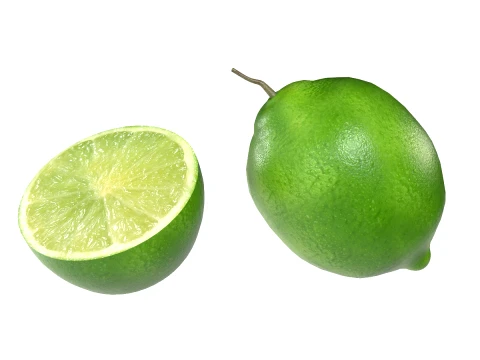
Para 2026, la categoría de Fruta incluye una amplia gama de modelos «cortados por la mitad» y «en rodajas». Estos recursos cuentan con una geometría interna de alta fidelidad, como el corazón fibroso de una piña o las cavidades con semillas de una fresa. Los sombreadores internos son muy detallados y cuentan con mapas de «humedad» que simulan el jugo brillante en la superficie de la rodaja. Esta «capa de jugo» utiliza un sombreador refractivo independiente para crear destellos de luz realistas, lo que garantiza que la fruta cortada tenga un aspecto fresco y apetecible en visualizaciones culinarias de alta gama y en representaciones de menús de restaurantes.
¿Incluyen estos modelos efectos de superficie «cerosos» y «polvorientos»?
Las superficies de la fruta auténtica rara vez son uniformes, y nuestros modelos 2026 capturan esto a través de mapas de «rugosidad secundaria». Por ejemplo, un modelo de manzana incluirá una capa de «cera» que se puede pulir o manchar, mientras que una ciruela o una uva contará con una capa de «bloom» o «polvorienta» que imita la capa natural de levadura. Estos efectos se gestionan mediante sombreadores «PBR en capas», lo que permite al artista ajustar la «limpieza» de la fruta dependiendo de si se supone que está en una cesta recién recogida de la huerta o en un expositor pulido de una tienda de comestibles.
¿Están optimizados los recursos de fruta para la dispersión «a gran escala» en ArchViz?
A pesar del alto nivel de detalle, los modelos de fruta de 2026 están diseñados para ofrecer «rendimiento de instanciación». Ofrecemos «Proxy-LOD» para escenas que requieren cientos de frutas, como un puesto de mercado o un gran cuenco decorativo. Estas versiones utilizan «Normal Map Transfer» para mantener la apariencia de los detalles de alta poligonalidad, al tiempo que se mantiene bajo el recuento real de polígonos. Esto garantiza que tu ventana gráfica siga respondiendo incluso con miles de bayas o uvas individuales en la escena, lo cual es vital para la visualización arquitectónica profesional y el diseño de entornos a gran escala.