


 English
 Deutsch
 日本語
日本語 Polska
 Français
 한국의
한국의 Українська
 Italiano
 Nederlands
 Türkçe
 Português
 Bahasa Indonesia
 Русский
 中國
中國 हिंदी
हिंदी
















Broches - Joyeria Modelados 3D para Imprimir
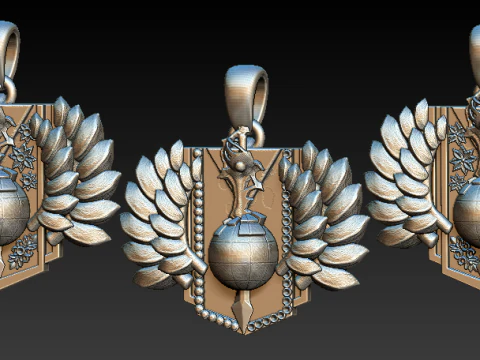
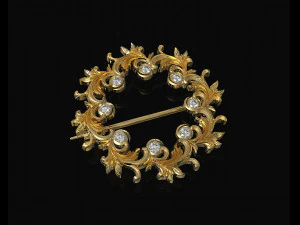
Tenemos 68 artículo(s) Libre de regalías Modelos 3D. This category contains a wide choice of Brooches - 3D Printable Models. Any 3D Printable Brooches model is available in .obj, .stl, .iges, .3dm, .skp, .wrl and .blend format. All of these 3d print models are ready for 3D Printing. Also you will find a great number of 3d models in Bracelets and Cufflinks categories.
- -50%
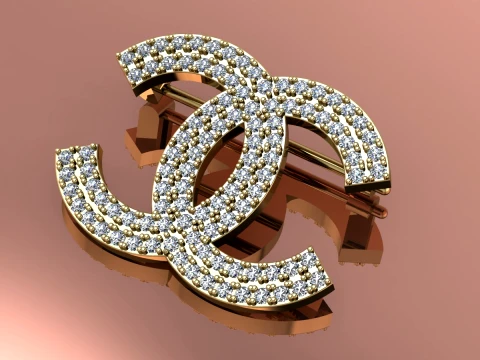 DaronJewelryBrooches
 - -50%
 marpanddesignsBrooches
 - -50%
 danyelonBrooches
 - -50%
 DMetlBrooches
 - -20%
 DesignerworkshopBrooches
 - -50%
 smokprintBrooches
 - -50%
 SMJewelryDesignBrooches
 - -50%
 dmitxeBrooches
 - -50%
 VtraBrooches









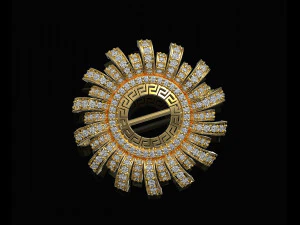





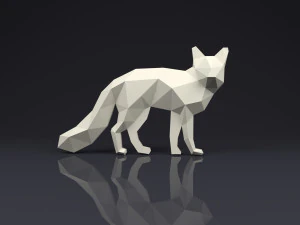


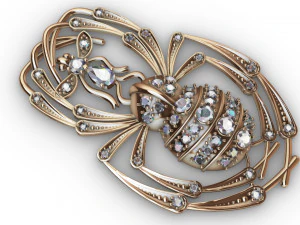
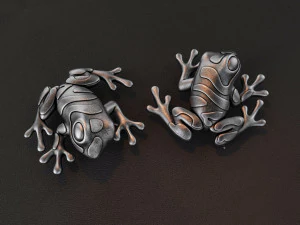


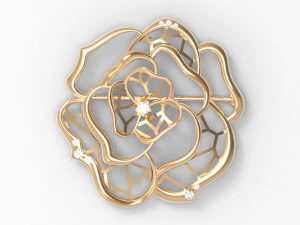
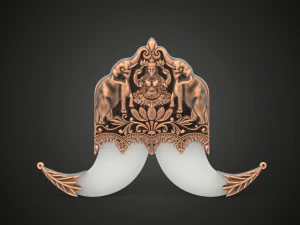

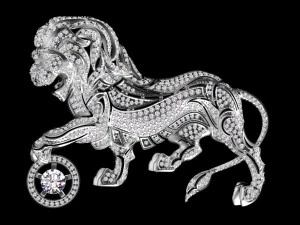






Búsquedas de tendencias Modelos 3D:
Escultura Modelos 3D Personajes Modelos 3D Cocina Modelos 3D Caballo Modelos 3D Exteriores Modelos 3D Télefono y Móvil Modelos 3D Vegetales Modelos 3D Joyeria Modelos 3D Juguetes Modelos 3D Medicinal Modelos 3D Helicóptero Modelos 3D Armas Pesadas Modelos 3D Camión Modelos 3D Anatomía Modelos 3D¿Cuál es la tendencia actual en «broches modernos» en 2026?
La categoría de broches está experimentando un «renacimiento de la alta costura», alejándose de los estilos puramente tradicionales para adentrarse en el territorio de la «joyería artística» más atrevida. Nuestra colección de 2026 presenta grandes «ramas botánicas», «motivos surrealistas» y «broches cinéticos» con partes móviles. Estos modelos están diseñados como «piezas de lienzo», que ofrecen una gran superficie para intrincados trabajos en metal, pavé de piedras y esmalte. Un broche es una «obra maestra», que a menudo sirve como escaparate principal de la destreza técnica de un diseñador. Estos modelos 3D proporcionan la compleja base arquitectónica necesaria para crear estas piezas de joyería a gran escala y de gran impacto que definen un vestuario de «alta costura».
¿Cómo se integra el mecanismo de «alpinete y cierre de seguridad»?
Un broche requiere un sistema de sujeción «de alta resistencia», y nuestros modelos 2026 incluyen «bisagras de pasador integradas» y «cerrojos de seguridad». Estos componentes se modelan para ser fundidos como parte del cuerpo principal o como piezas separadas «soldadas». Nos aseguramos de que el «canal del pasador» esté colocado de manera que el broche quede plano contra la prenda sin «inclinarse hacia delante». El cierre de seguridad se ha diseñado con «holgura operativa» para garantizar que gira con suavidad tras la fundición. Este enfoque en la «funcionalidad estructural» garantiza que estas piezas de gran tamaño permanezcan firmemente sujetas incluso a los tejidos más delicados, proporcionando al usuario «tranquilidad técnica».
¿Están los modelos optimizados para el engaste de piedras a «gran escala»?
Muchos de nuestros diseños de broches de 2026 cuentan con cientos de engastes de piedras de «tamaños variables», desde micro-pavé hasta grandes «cabujones centrales». Estos modelos «multipiedra» son una proeza de la ingeniería digital, en la que cada garra se somete a «pruebas de resistencia» en el entorno digital para garantizar que pueda soportar el peso de la gema. Esta geometría «preconfigurada» permite la creación de «obras maestras con incrustaciones» que llevarían semanas tallar a mano. Al utilizar estos recursos 3D profesionales, un taller puede producir broches de «alta joyería» con una «precisión matemática» que garantiza un reflejo perfecto de la luz y un aspecto impecable de «alfombra de pavé» en toda la superficie.
¿Cómo gestionan los modelos 3D las «texturas orgánicas» como las plumas o los pétalos?
Para capturar el «hiperrealismo» de la naturaleza, nuestros modelos de broches de 2026 utilizan «escultura digital de alta resolución». Capturamos las «microvenas» de una hoja o la «textura fibrosa» de la pluma de un pájaro. Estas texturas son lo suficientemente profundas como para permanecer visibles tras la fundición a la «cera perdida» y el «cepillado con alambre» o el «acabado satinado» finales. Este nivel de «fidelidad orgánica» es un requisito fundamental para la «alta joyería», ya que permite que el metal imite la suavidad y la complejidad de la naturaleza. Estas características aportan una «riqueza táctil» que hace que el broche acabado parezca un «momento congelado» de la naturaleza capturado en metal precioso.
¿Cuáles son las mejores técnicas de acabado para broches de «gran superficie»?
Para un broche de gran tamaño, el «acabado de contraste» es la forma más eficaz de añadir profundidad. En 2026, recomendamos un fondo «mate pulido con chorro de arena» con reflejos «pulidos a espejo» en los bordes elevados. Este aspecto de «doble textura» resalta la forma 3D del modelo. En la fase de impresión 3D, es fundamental utilizar «zonas sin soporte» en la cara principal del broche para evitar cualquier marca en la superficie. Tras la fundición, se puede utilizar la «soldadura láser» para fijar el mecanismo del alfiler sin riesgo de dañar las intrincadas piedras o el esmaltado de la parte frontal, lo que garantiza un «acabado impecable» para estas piezas de gran valor de inversión.