


 English
 Deutsch
 日本語
日本語 Polska
 Français
 한국의
한국의 Українська
 Italiano
 Nederlands
 Türkçe
 Português
 Bahasa Indonesia
 Русский
 中國
中國 हिंदी
हिंदी
















Blindaje - Militar Modelados 3D
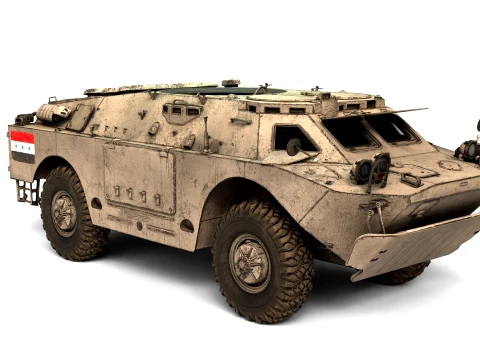
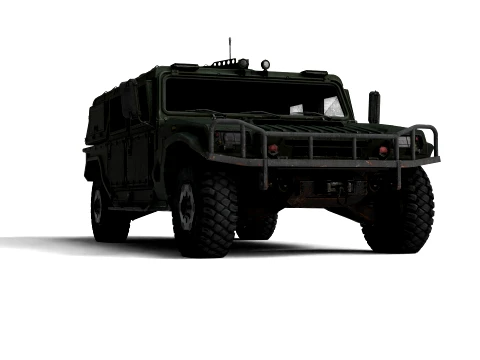
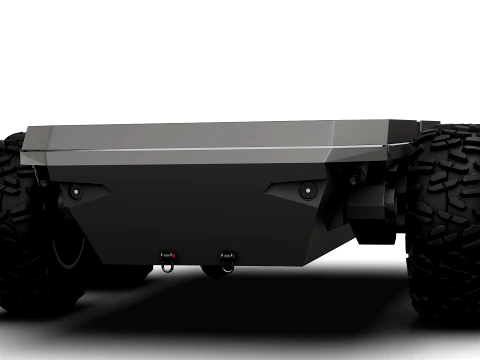
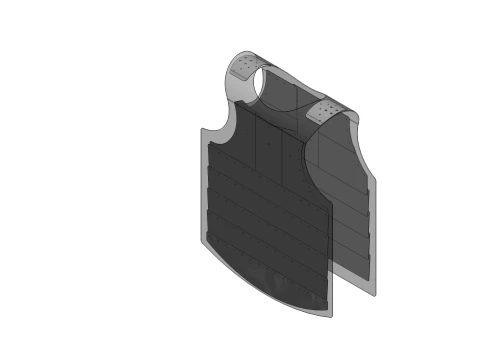
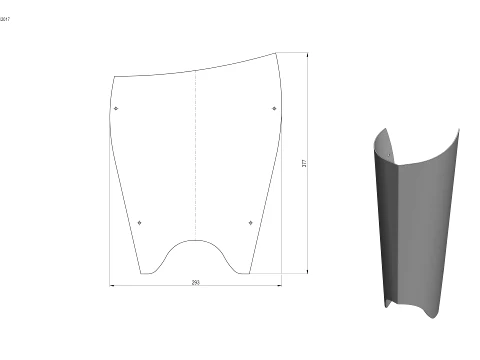
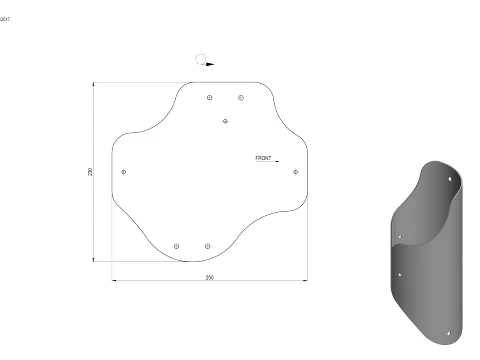
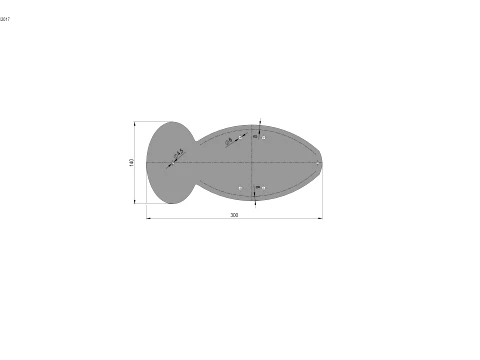
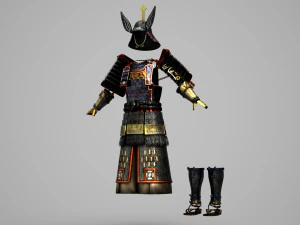
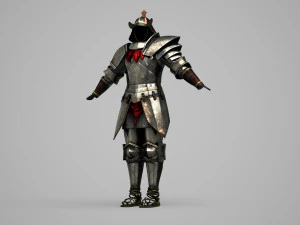
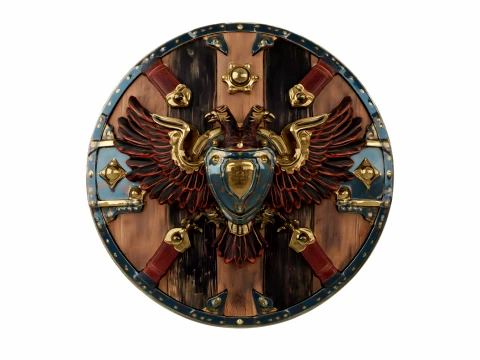
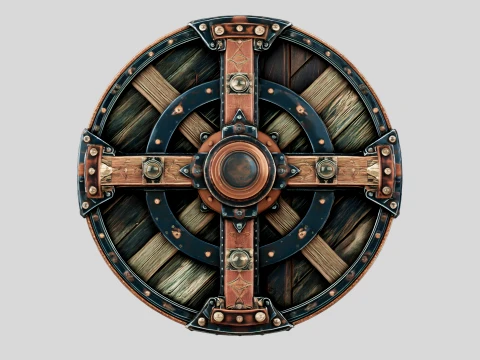
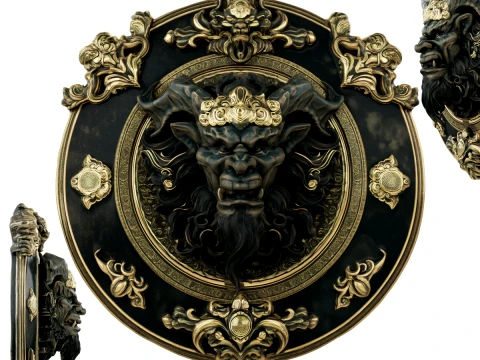
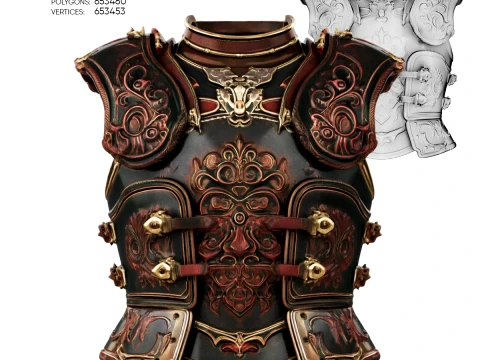
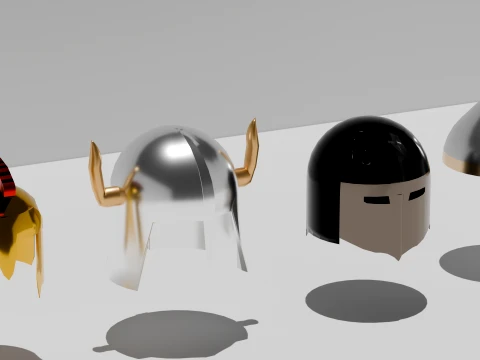
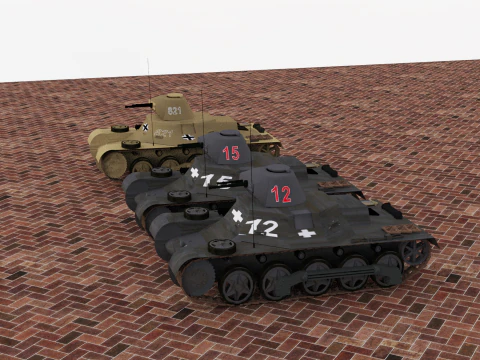
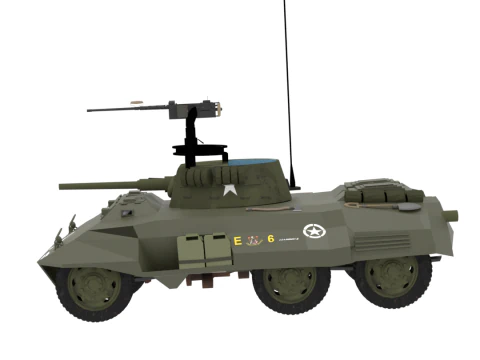
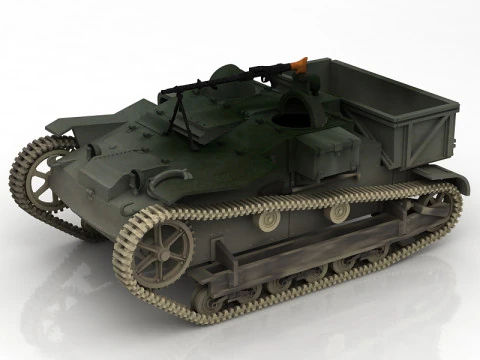
Tenemos 363 artículo(s) Libre de regalías Modelos 3D. This category contains a wide choice of Armor 3D Models - Military. Any 3D Armor model is available in .max, .obj, .c4d, .fbx, .dxf, .dwg, .stl, .iges, .3ds, .mb, .lwo, .3dm, .skp and .blend format. Some of them are ready for 3D Printing & Games. Also you will find a great number of models in Accessories and Gun categories.
- -50%
 turbocgArmor
 - -30%
 SiddiqueArmor
 - -30%
 SiddiqueArmor
  rangerider3365Armor
 rangerider3365Armor




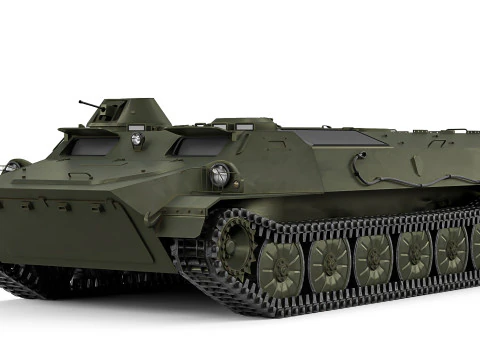


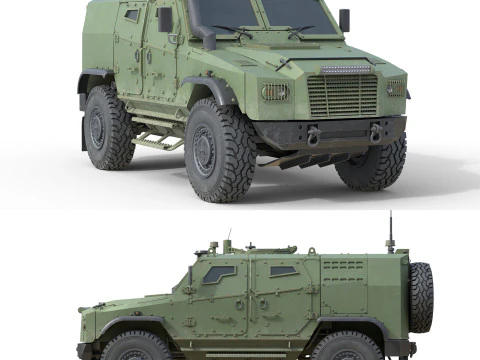










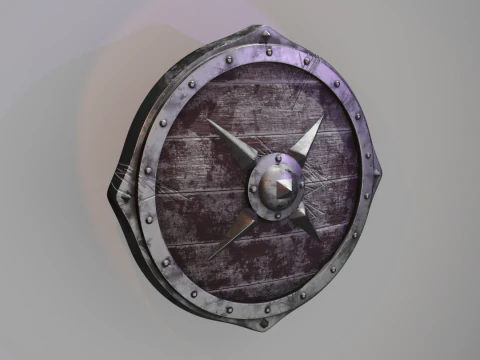


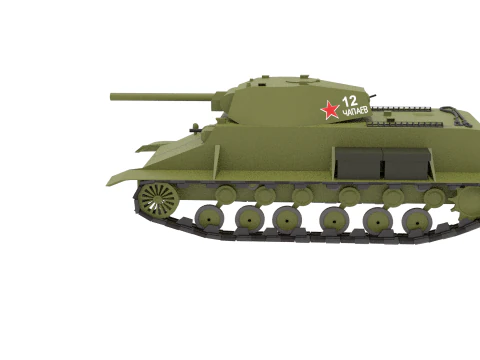


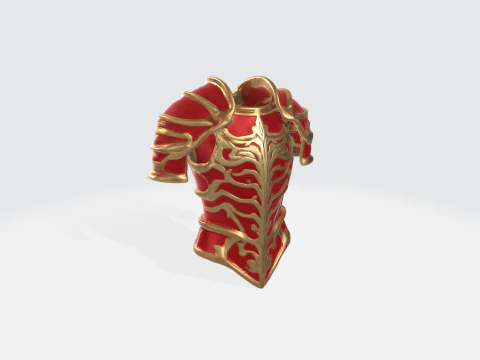

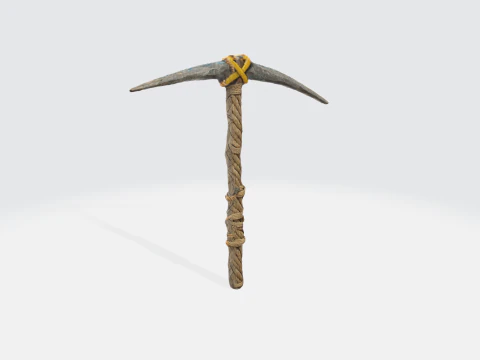









Búsquedas de tendencias Modelos 3D:
Escultura Modelos 3D Personajes Modelos 3D Cocina Modelos 3D Caballo Modelos 3D Exteriores Modelos 3D Télefono y Móvil Modelos 3D Vegetales Modelos 3D Joyeria Modelos 3D Juguetes Modelos 3D Medicinal Modelos 3D Helicóptero Modelos 3D Armas Pesadas Modelos 3D Camión Modelos 3D Anatomía Modelos 3D¿Qué variedad de sistemas de protección hay disponible en la categoría «Armadura»?
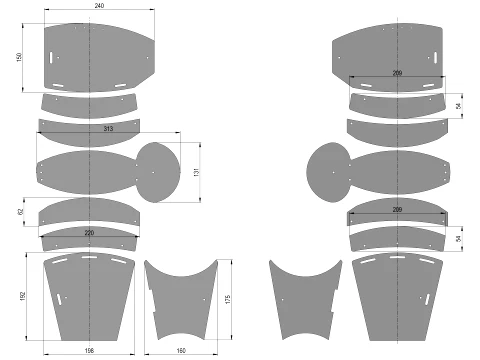
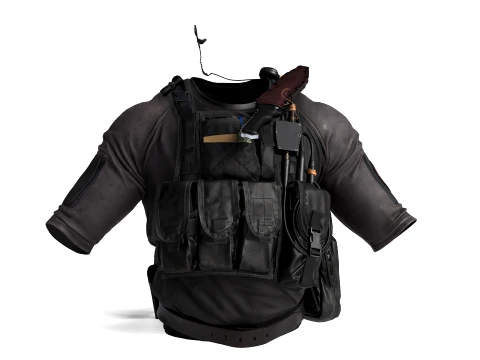
Esta categoría abarca tanto la protección balística personal como los sistemas de blindaje vehicular. Ofrecemos modelos 3D detallados de portaplacas modernos, chalecos de Kevlar y cascos tácticos, así como bloques de blindaje reactivo contra explosivos (ERA) y kits de blindaje de láminas para tanques. Cada modelo está diseñado teniendo en cuenta la «jerarquía de materiales», mostrando las capas de cerámica, acero y tejido que constituyen la protección moderna. Estos recursos son esenciales para crear personajes combatientes realistas o para visualizar las mejoras de supervivencia de los vehículos de combate blindados en escenarios de guerra moderna.
¿Cómo se simula el realismo de «cuerpo blando» de los chalecos balísticos?
En 2026, las armaduras personales, como los chalecos y los portadores, se modelan utilizando una simulación avanzada de tejidos para capturar la tensión y el pliegue realistas de la tela. Hacemos hincapié en el «peso» de la armadura, mostrando cómo se asienta sobre los hombros del personaje e interactúa con las bolsas. Los materiales presentan tejidos de alta resolución para Cordura y texturas realistas de «velcro». Esto evita que la armadura parezca una carcasa de plástico rígida, proporcionando la apariencia orgánica y pesada necesaria para renderizados de personajes de alta fidelidad y secuencias de combate cinematográficas en las que el equipo debe reaccionar a los movimientos del personaje.
¿Se han modelado por separado las placas y los insertos de la armadura?
Sí, para visualizaciones técnicas, nuestros modelos de armadura 2026 cuentan con placas balísticas extraíbles. Se pueden mostrar las placas ESAPI internas insertadas en el soporte, con etiquetado realista y texturas «Ceramic-Strike». Este enfoque de modelado «del revés» es vital para contenidos educativos sobre equipamiento militar o para juegos con «modelado de daños» en los que la armadura puede agotarse o romperse. La capacidad de separar las capas de protección añade un nivel de autenticidad técnica que es un sello distintivo de los activos 3D militares de calidad profesional.
¿Cómo gestionan la luz y las sombras los kits de blindaje para vehículos?
El blindaje adicional para vehículos, como el ERA o el blindaje de jaula, se modela con «huecos físicos» para garantizar una oclusión ambiental y un sombreado precisos. En 2026, los materiales de estos kits incluyen mapas de «desgaste por explosión», que simulan el impacto de disparos de armas pequeñas o de escombros ambientales. Los soportes de montaje y los pernos se modelan físicamente para mostrar cómo se atornilla el blindaje al casco principal. Esto garantiza que el vehículo parezca una máquina modular y blindada, en lugar de una única malla estática, lo cual es fundamental para una visualización realista de los vehículos militares.
¿Está el blindaje optimizado para el «rigging de personajes» y el skinning?
Todos los modelos de blindaje personal se proporcionan con una «topología limpia» optimizada específicamente para el skinning y el peso de vértices. Están diseñados para seguir los movimientos de un rig de personaje sin recortes ni estiramientos excesivos. En 2026, también incluimos «proxies de colisión», lo que garantiza que las bolsas y los accesorios acoplados a la armadura reaccionen correctamente al entorno. Esta preparación técnica permite a los artistas integrar fácilmente la armadura en sus flujos de trabajo de personajes, lo que da como resultado un combatiente que se ve y se mueve con total realismo táctico.