


 English
 Deutsch
 日本語
日本語 Polska
 Français
 한국의
한국의 Українська
 Italiano
 Nederlands
 Türkçe
 Português
 Bahasa Indonesia
 Русский
 中國
中國 हिंदी
हिंदी
















Equipamiento Mèdico - Medicinal Modelados 3D
Tenemos 1626 artículo(s) Libre de regalías Modelos 3D. This category contains a wide choice of Medical Equipment 3D Models - Medical. Any 3D Medical Equipment model is available in .max, .obj, .c4d, .fbx, .dxf, .dwg, .stl, .iges, .3ds, .mb, .lwo, .3dm, .skp and .blend format. Some of them are ready for 3D Printing & Games. Also you will find a great number of models in Medical and Medicines categories.
- -50%
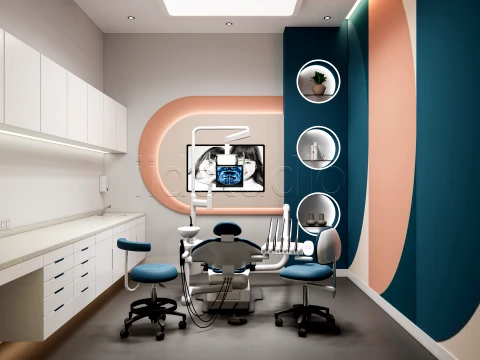 IIDStodioMedical Equipment
 - -50%
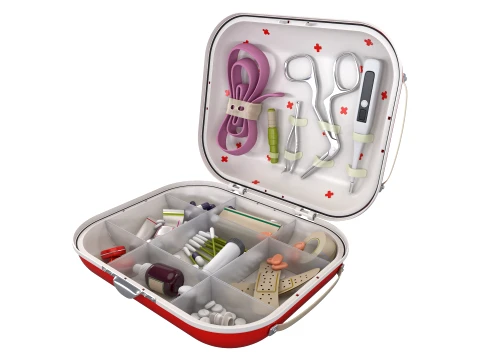 ZURELMedical Equipment
 - -50%
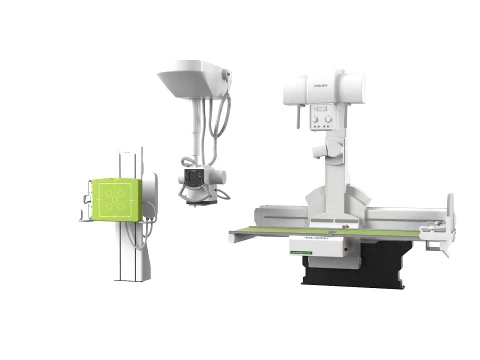 3dmshopMedical Equipment
 - -50%
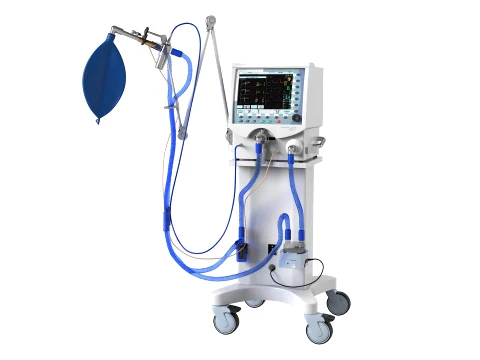 3dmshopMedical Equipment
  HQ3DMODMedical Equipment
 HQ3DMODMedical Equipment
 HQ3DMODMedical Equipment
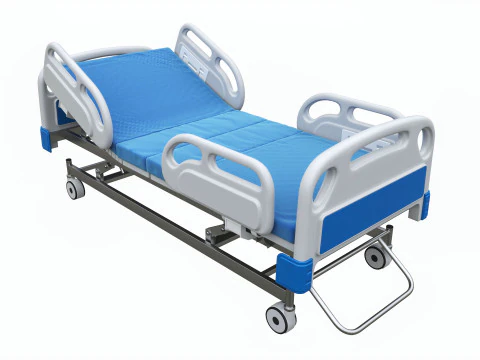 HQ3DMODMedical Equipment
 HQ3DMODMedical Equipment
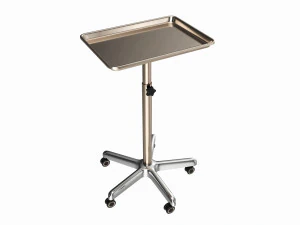 HQ3DMODMedical Equipment
- -50%
 3D4SCIMedical Equipment
 - -50%
 3dmshopMedical Equipment
 - -50%
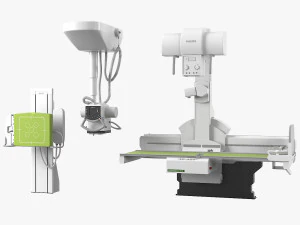 3dmshopMedical Equipment
 - -50%
 3dmshopMedical Equipment
 - -50%
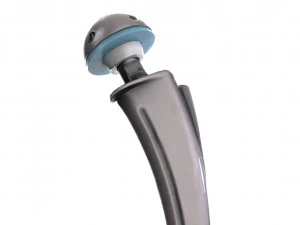 zames1992Medical Equipment













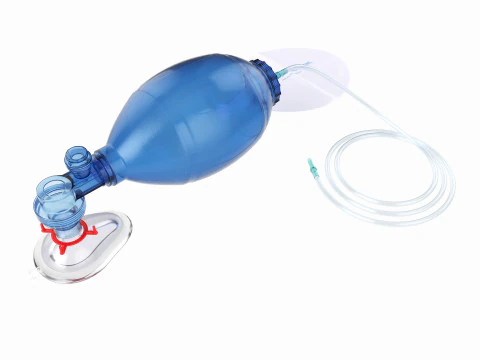


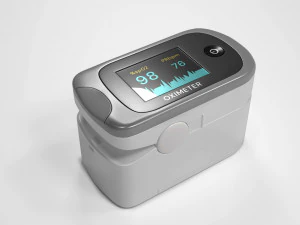


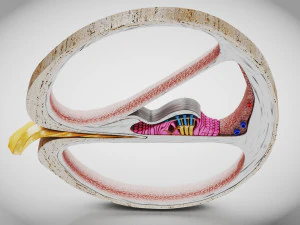
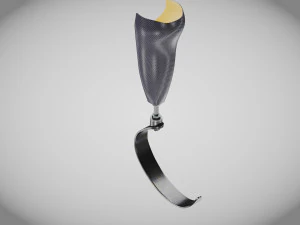

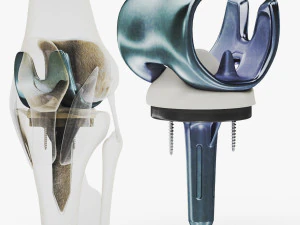


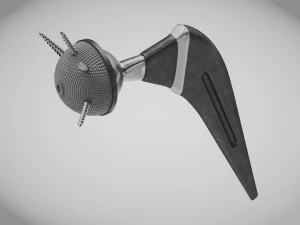


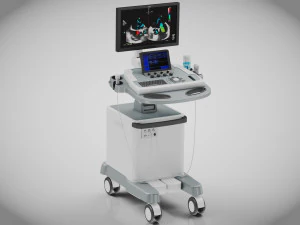


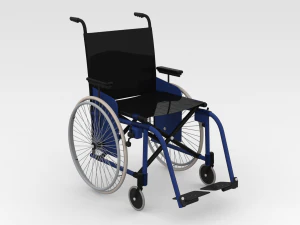


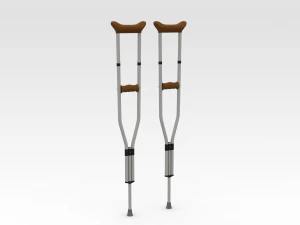


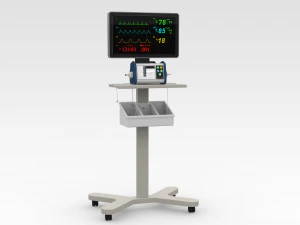
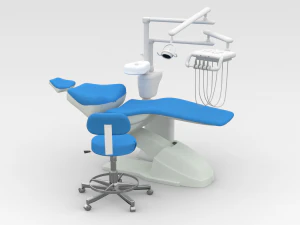







Búsquedas de tendencias Modelos 3D:
Escultura Modelos 3D Personajes Modelos 3D Cocina Modelos 3D Caballo Modelos 3D Exteriores Modelos 3D Télefono y Móvil Modelos 3D Vegetales Modelos 3D Joyeria Modelos 3D Juguetes Modelos 3D Medicinal Modelos 3D Helicóptero Modelos 3D Armas Pesadas Modelos 3D Camión Modelos 3D Anatomía Modelos 3D¿Qué tipos de equipos de diagnóstico y quirúrgicos se incluyen en esta categoría?
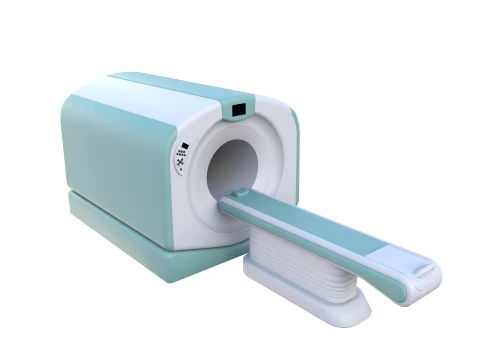
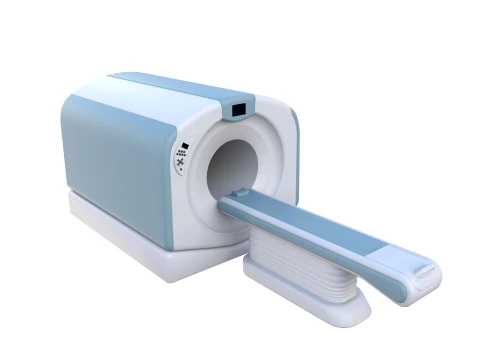
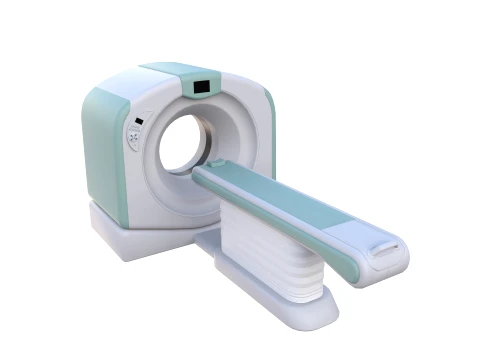
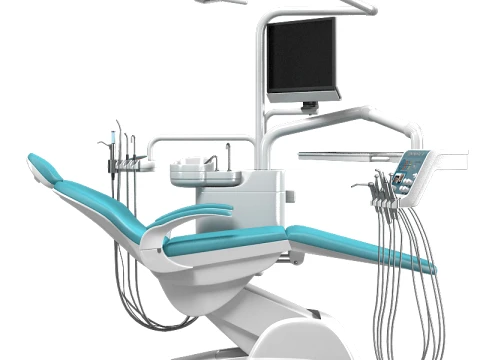
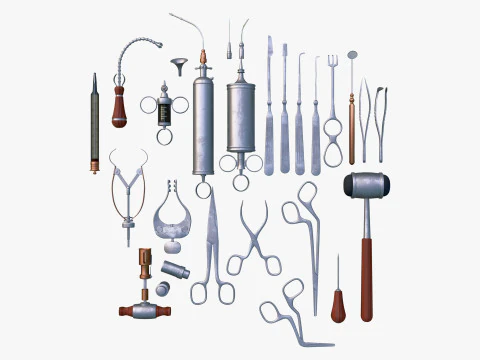
La categoría de equipos médicos para 2026 abarca una amplia gama de tecnología que salva vidas, desde escáneres de resonancia magnética y tomografía computarizada de alto campo hasta estaciones de trabajo de anestesia modulares y monitores de pacientes de cabecera. También ofrecemos herramientas especializadas, como brazos quirúrgicos robóticos, desfibriladores y sillones dentales. Cada modelo se desarrolla siguiendo estrictamente las normas de diseño industrial, lo que garantiza que cada puerto, sensor y articulación mecánica se coloque con precisión de ingeniería. Esto hace que estos activos sean ideales para arquitectos que diseñan alas de hospitales o para desarrolladores que crean módulos de formación interactivos en realidad virtual, en los que el personal médico debe aprender a interactuar con hardware complejo en un entorno virtual sin riesgos.
¿Están los equipos médicos preparados para el movimiento funcional y la interacción?
Sí, los modelos médicos profesionales de 2026 están totalmente articulados para reflejar sus homólogos del mundo real. Las camillas de resonancia magnética se deslizan suavemente hacia el túnel, las lámparas quirúrgicas cuentan con rotación multieje con fricción realista y las pantallas de los respiradores están equipadas con formas de onda animadas. En 2026, estos rigs también incluyen restricciones mecánicas para evitar movimientos poco realistas, lo cual es crucial para los estudios ergonómicos y las simulaciones de procedimientos médicos. Dentro de la jerarquía del modelo, todas las partes móviles están agrupadas de forma lógica, lo que permite a los animadores simular fácilmente a un paciente siendo colocado para una exploración o a un cirujano ajustando una interfaz robótica durante una delicada operación virtual.
¿Cómo se aborda el realismo de los materiales y superficies médicas estériles?
Para lograr el característico «aspecto clínico», utilizamos sombreadores PBR especializados diseñados para entornos estériles. Esto incluye plásticos antimicrobianos de alto brillo, acero inoxidable cepillado de grado médico y tubos de silicona translúcida. En 2026, también nos centramos en detalles sutiles de la superficie, como las marcas de «limpieza» y los microarañazos en las pantallas de visualización, que rompen la perfección digital y añaden una capa de realidad vivida a una escena hospitalaria. Los materiales están calibrados para reaccionar correctamente a la iluminación fría y de alto CRI típica de los quirófanos, lo que garantiza que el equipo tenga un aspecto profesional y esté físicamente integrado en cualquier render arquitectónico de alta fidelidad.
¿Incluyen estos modelos interfaces interactivas y pantallas digitales?
La mayoría de los activos médicos de 2026 vienen equipados con pantallas HMI (interfaz hombre-máquina) de alta resolución. Estas pantallas utilizan texturas emisivas para mostrar datos realistas del paciente, como la frecuencia cardíaca, la saturación de oxígeno y la presión arterial. Los elementos de la interfaz de usuario suelen estar organizados en capas, lo que permite cambiar los datos mostrados o simular un estado de «alerta crítica» con indicadores rojos parpadeantes. Esta funcionalidad es un requisito fundamental para los vídeos instructivos médicos y las simulaciones sanitarias interactivas, ya que permite que el equipo comunique su estado al usuario, proporcionando una experiencia verdaderamente inmersiva que imita el entorno de alta presión de un centro médico real.
¿Cómo se gestiona la geometría interna de escáneres y dispositivos complejos?
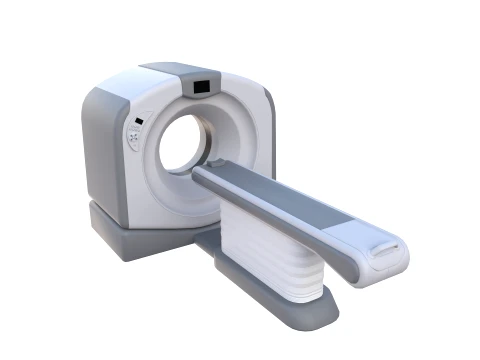
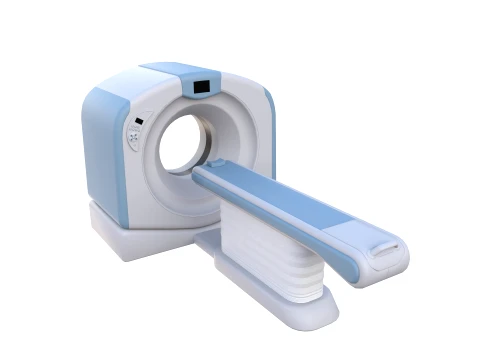
Para los modelos de gama alta de 2026, ofrecemos geometría «lista para secciones transversales». Esto significa que dispositivos como los escáneres de TC o los robots quirúrgicos se modelan con componentes estructurales internos, tales como pórticos giratorios, sistemas de refrigeración y carcasas electrónicas. Este enfoque de «modelado sólido» es vital para las animaciones educativas que explican cómo funcionan estas máquinas internamente. A las piezas internas se les asignan sus propios ID de material, lo que permite renderizados de «rayos X» o «vista explosionada». Esta transparencia técnica garantiza que nuestros modelos no solo sirvan como elementos visuales, sino como herramientas educativas que puedan mostrar la sofisticada ingeniería que se esconde bajo las estériles carcasas de los equipos médicos modernos.