


 Español
 Deutsch
 日本語
日本語 Polska
 Français
 한국의
한국의 Українська
 Italiano
 Nederlands
 Türkçe
 Português
 Bahasa Indonesia
 Русский
 中國
中國 हिंदी
हिंदी
















Medical Equipment - Medical 3D Models
We have 1625 item(s) Royalty free 3D Models. This category contains a wide choice of Medical Equipment 3D Models - Medical. Any 3D Medical Equipment model is available in .max, .obj, .c4d, .fbx, .dxf, .dwg, .stl, .iges, .3ds, .mb, .lwo, .3dm, .skp and .blend format. Some of them are ready for 3D Printing & Games. Also you will find a great number of models in Medical and Medicines categories.
- -50%
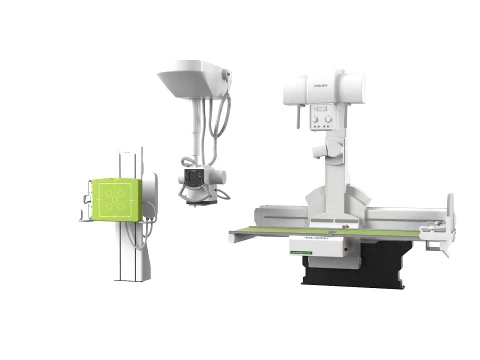 3dmshopMedical Equipment
 - -50%
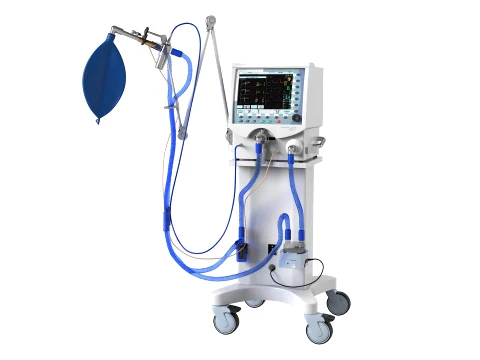 3dmshopMedical Equipment
 - -50%
 3dmshopMedical Equipment
 - -50%
 3dmshopMedical Equipment

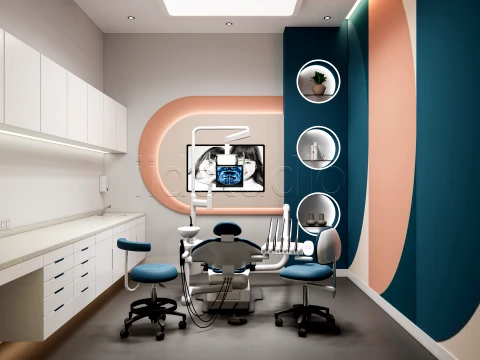













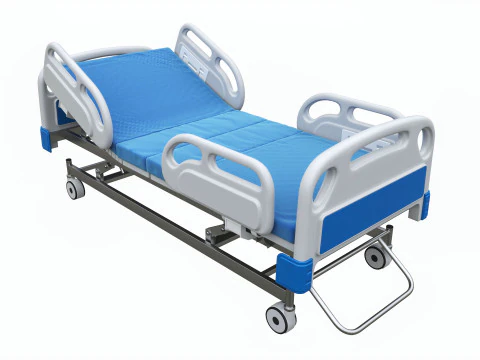


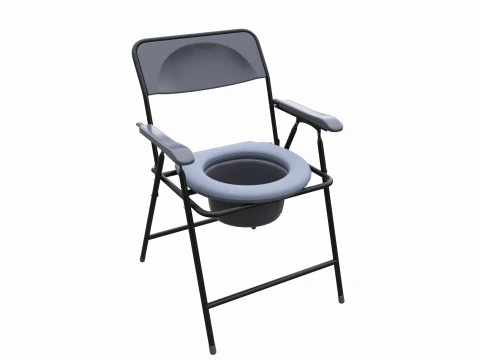


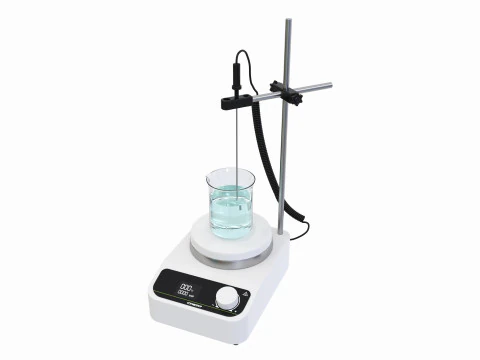
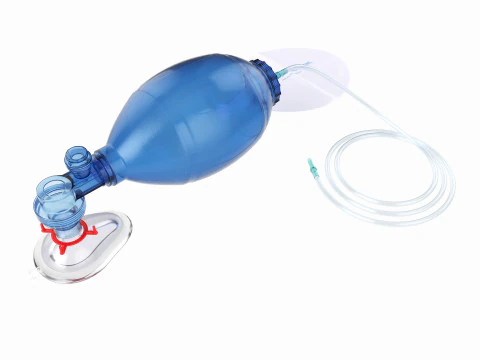












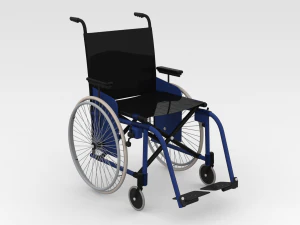


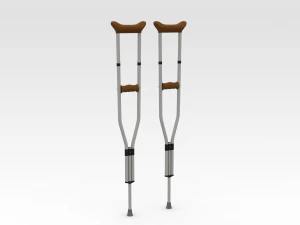


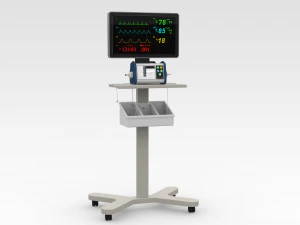
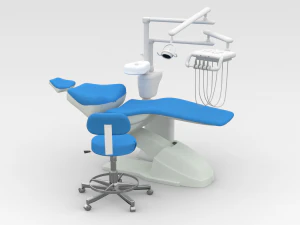








Trending searches 3D Models:
Sculpture 3D Models Characters 3D Models Kitchen 3D Models Horse 3D Models Architectural Exteriors 3D Models Phone and Cell Phone 3D Models Vegetable 3D Models Jewellery 3D Models Toys 3D Models Medical 3D Models Helicopter 3D Models Heavy Weapon 3D Models Truck 3D Models Anatomy 3D ModelsWhat types of diagnostic and surgical hardware are included in this category?
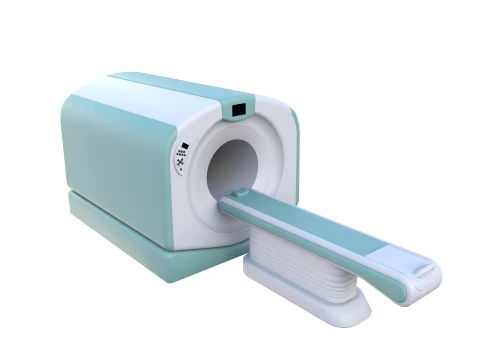
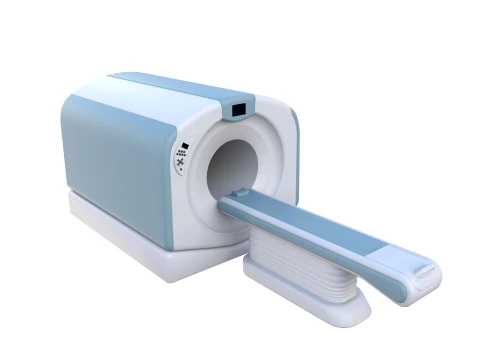
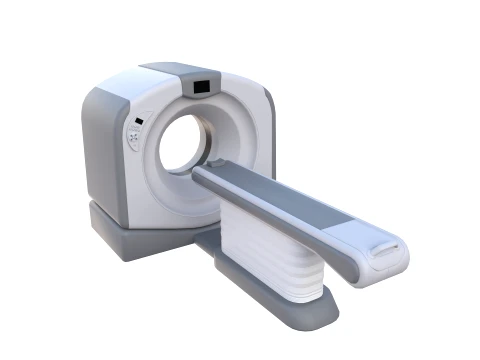
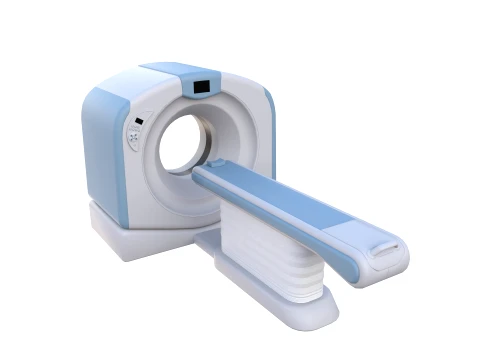
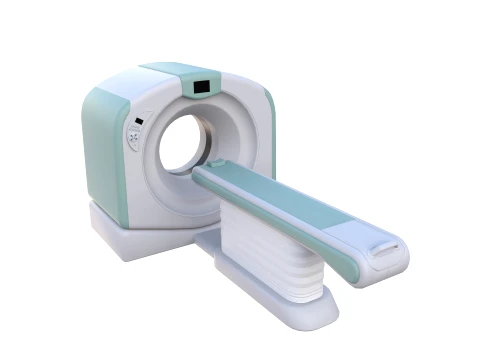
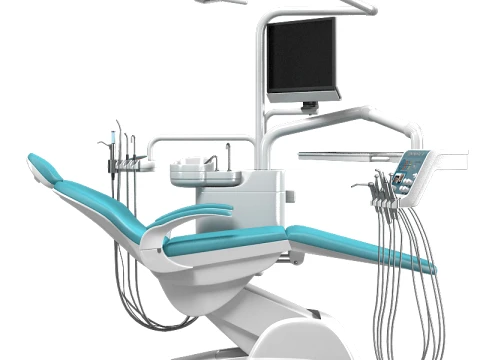
The Medical Equipment category for 2026 encompasses a vast array of life-saving technology, ranging from high-field MRI and CT scanners to modular anesthesia workstations and bedside patient monitors. We also provide specialized tools such as robotic surgical arms, defibrillators, and dental chairs. Each model is developed with strict adherence to industrial design standards, ensuring that every port, sensor, and mechanical joint is placed with engineering precision. This makes these assets ideal for architects designing hospital wings or for developers creating interactive VR training modules where medical staff must learn to interact with complex hardware in a risk-free virtual environment.
Are the medical machines rigged for functional movement and interaction?
Yes, professional 2026 medical models are fully articulated to reflect their real-world counterparts. MRI tables slide smoothly into the bore, surgical lights feature multi-axis rotation with realistic friction, and ventilator screens are equipped with animated waveforms. In 2026, these rigs also include mechanical constraints to prevent unrealistic movements, which is crucial for ergonomic studies and medical procedure simulations. Within the model hierarchy, all moving parts are logically grouped, allowing animators to easily simulate a patient being positioned for a scan or a surgeon adjusting a robotic interface during a delicate virtual operation.
How is the realism of sterile medical materials and surfaces handled?
To achieve the characteristic "Clinical Look," we utilize specialized PBR shaders designed for sterile environments. This includes high-gloss antimicrobial plastics, brushed medical-grade stainless steel, and translucent silicone tubing. In 2026, we also focus on subtle surface details like "Wipe-Down" streaks and micro-scratches on display screens, which break the digital perfection and add a layer of lived-in reality to a hospital scene. The materials are calibrated to react correctly to the cool, high-CRI lighting typical of operating rooms, ensuring that the equipment looks professional and physically grounded in any high-fidelity architectural render.
Do these models include interactive interfaces and digital displays?
Most 2026 medical assets come equipped with high-resolution HMI (Human-Machine Interface) screens. These displays utilize emissive textures to show realistic patient data, such as heart rate, oxygen saturation, and blood pressure. The UI elements are often layered, allowing you to change the displayed data or simulate a "Critical Alert" state with flashing red indicators. This functionality is a primary requirement for medical instructional videos and interactive healthcare simulations, as it allows the equipment to communicate its status to the user, providing a truly immersive experience that mimics the high-pressure environment of a real medical facility.
How is the internal geometry of complex scanners and devices managed?
For high-end 2026 models, we provide "Cutaway-Ready" geometry. This means that devices like CT scanners or surgical robots are modeled with internal structural components, such as rotating gantries, cooling systems, and electronic housing. This "Solid-Modeling" approach is vital for educational animations that explain how these machines function internally. The internal parts are assigned their own material IDs, allowing for "X-ray" or "Exploded-View" renders. This technical transparency ensures that our models serve not just as visual props, but as educational tools that can demonstrate the sophisticated engineering hidden beneath the sterile outer shells of modern medical equipment.