


 Español
 Deutsch
 日本語
日本語 Polska
 Français
 한국의
한국의 Українська
 Italiano
 Nederlands
 Türkçe
 Português
 Bahasa Indonesia
 Русский
 中國
中國 हिंदी
हिंदी
















Pig - Animals 3D Models
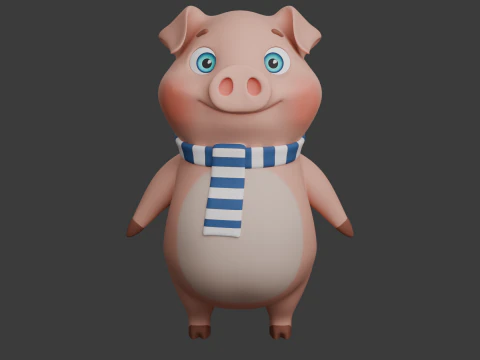
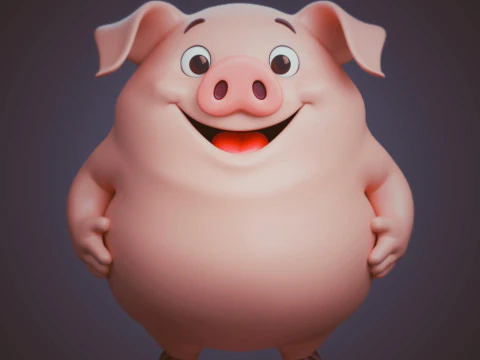
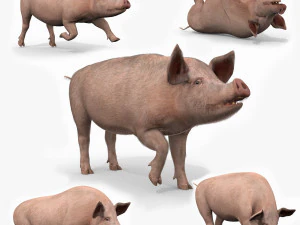
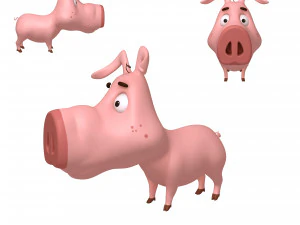
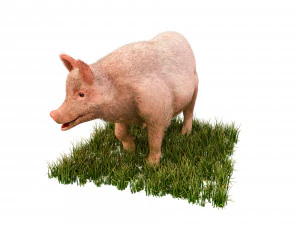
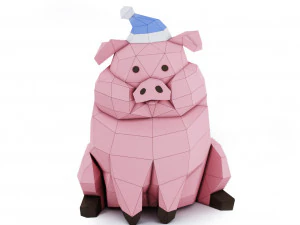
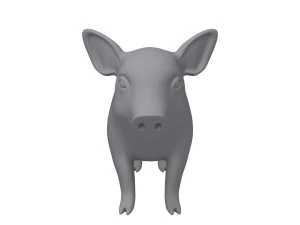
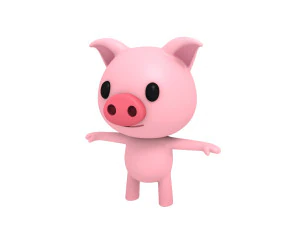
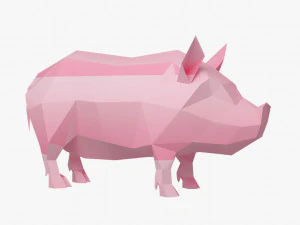
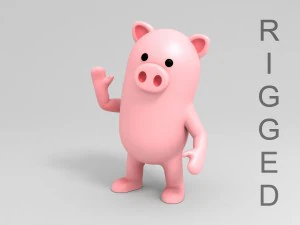
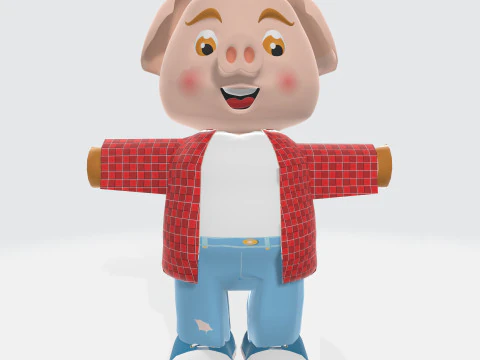
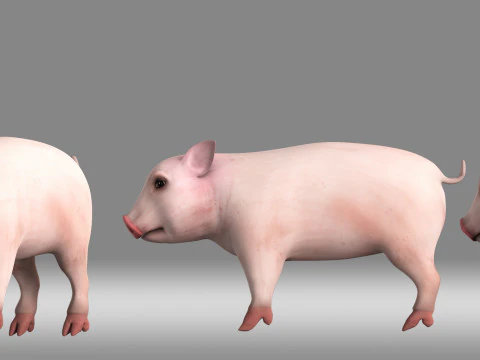
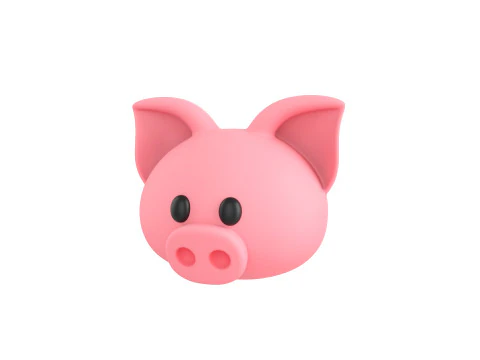
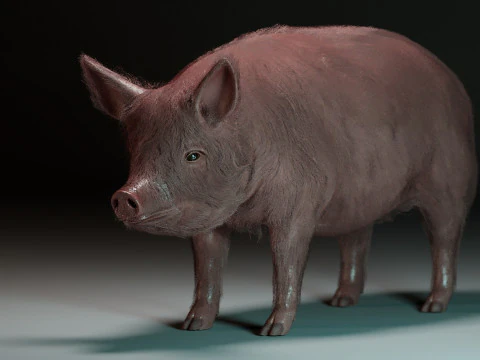
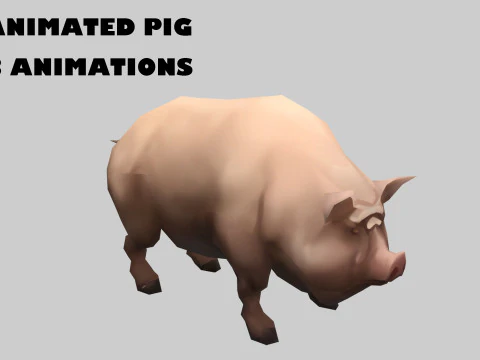
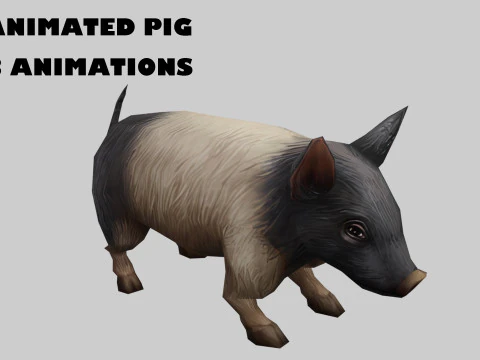
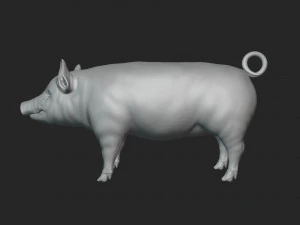
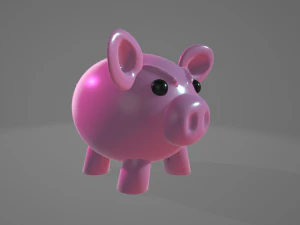
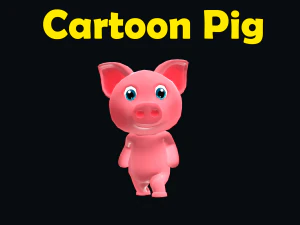
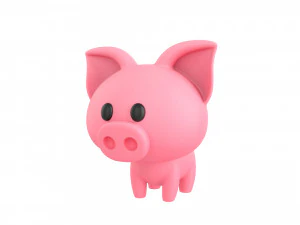
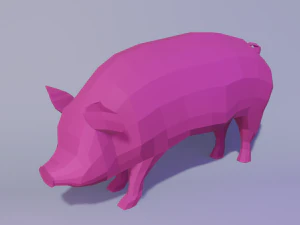
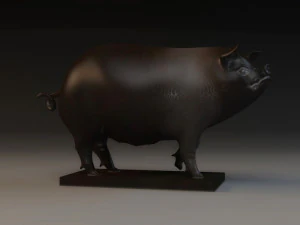
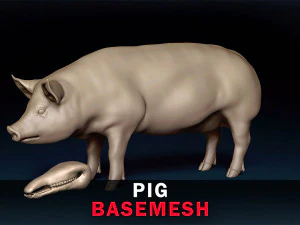
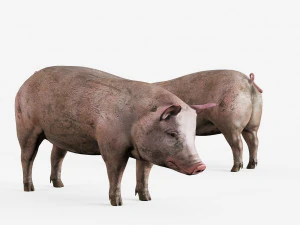
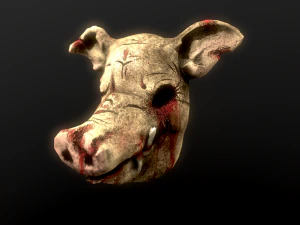
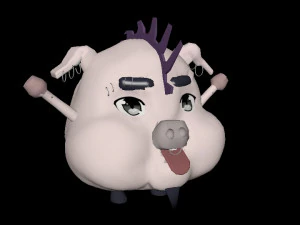
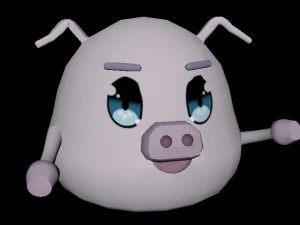
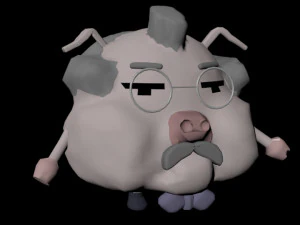
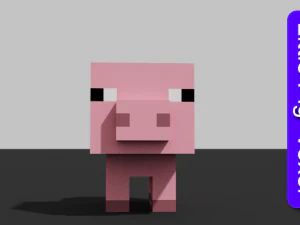
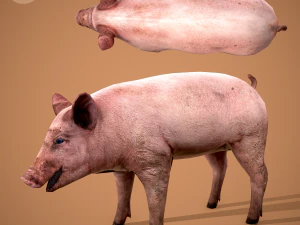
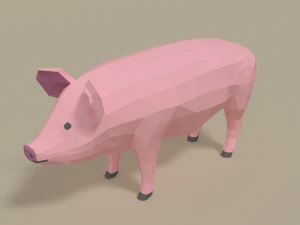
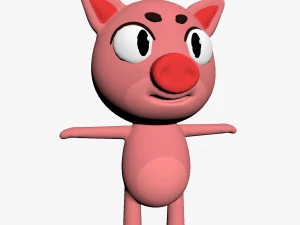
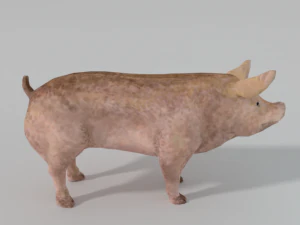
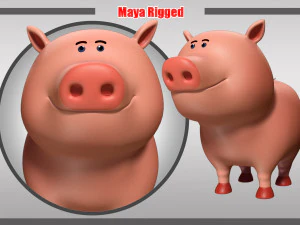
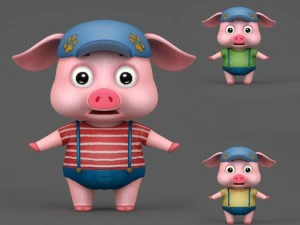
We have 114 item(s) Royalty free 3D Models. This category contains a wide choice of Pig 3D Models - Animals. Any 3D Pig model is available in .max, .obj, .c4d, .fbx, .dxf, .dwg, .stl, .iges, .3ds, .mb, .lwo, .3dm, .skp and .blend format. Some of them are ready for 3D Printing & Games. Also you will find a great number of models in Insects and Reptiles categories.




































Trending searches 3D Models:
Sculpture 3D Models Characters 3D Models Kitchen 3D Models Horse 3D Models Architectural Exteriors 3D Models Phone and Cell Phone 3D Models Vegetable 3D Models Jewellery 3D Models Toys 3D Models Medical 3D Models Helicopter 3D Models Heavy Weapon 3D Models Truck 3D Models Anatomy 3D ModelsWhat technical details are essential for a realistic pig 3D model in 2026?
In 2026, a high-quality 3D pig model must excel in skin representation. Unlike fur-covered animals, a pig's skin is highly visible, requiring advanced Subsurface Scattering (SSS) to simulate how light penetrates the epidermal layers. Professional models on 3DExport feature 8K PBR textures that include detailed maps for skin pores, sparse hair bristles, and varying levels of roughness to show "damp" vs. "dry" areas. Anatomically, the rig must support the heavy, fleshy nature of the neck and belly. Using "Pose Space Deformation" (PSD) or "Morph Targets" ensures that as the pig bends or sits, the skin folds realistically rather than collapsing. These details are critical for close-up shots in cinematic farm scenes or high-fidelity agricultural simulators.
Are the pig models rigged for realistic snout and ear movement?
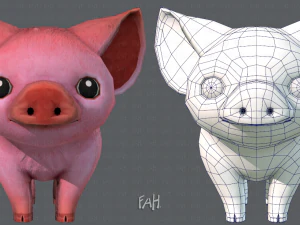
Yes, professional pig rigs in 2026 feature high-articulation controllers for the snout (disk) and ears. Pigs use their snouts for rooting and sensing, so the 3D model must have enough topology to allow for stretching and "wrinkling" of the nose area. The ears are often rigged with "Spring Controllers" or "Jiggle Deformers" so they flop naturally as the animal walks. This technical setup is essential for VR applications where the user might feed or interact with the animal at close range. Most assets come with pre-baked "idles" like sniffing the ground or ear twitching, allowing developers to quickly populate a farm environment with believable, living creatures that react to their surroundings.
How is the sparse hair or bristles modeled on 3D pigs?
For 2026, the standard for pig "hair" is a hybrid grooming system. For "Hero" models, creators provide Alembic-based strand grooms that allow individual bristles to catch the light and cast tiny shadows. For background or mobile-optimized assets, "Alpha-mapped" textures or "Shell" fur systems are used to give the skin a rough, bristly silhouette without the performance cost of thousands of strands. This is particularly important for breeds like the Berkshire or Tamworth, where the hair pattern is a defining feature. Having these options allows the user to scale the visual quality based on their project's rendering budget, from mobile games to 4K film renders.
Can I use these models for veterinary or food industry visualizations?
Absolutely. We offer specialized "Anatomical" pig models that include internal structures such as the skeletal system, muscular layers, and vital organs. In 2026, these are widely used in veterinary education and for technical visualizations within the food processing industry. These assets are often provided with "Exploded View" configurations, where parts can be separated to show internal mechanics or cuts of meat. The geometry is highly precise and based on biological data, ensuring that students or industry professionals can use the 3D model as a reliable reference for training and procedural planning in a virtual environment.
Do you provide different breeds like Domestic, Boar, or Miniature pigs?
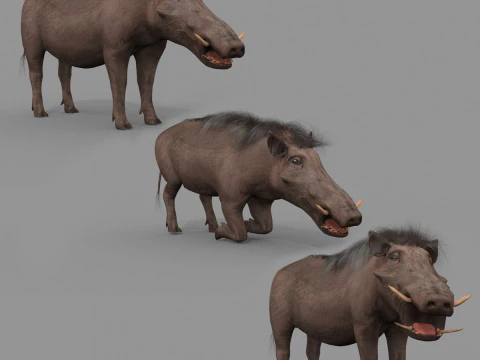
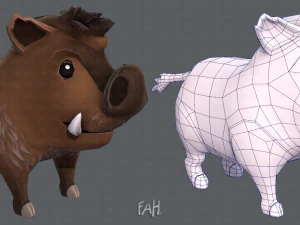
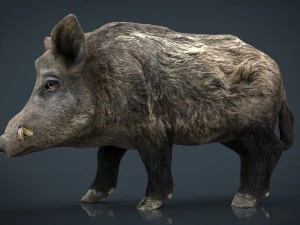
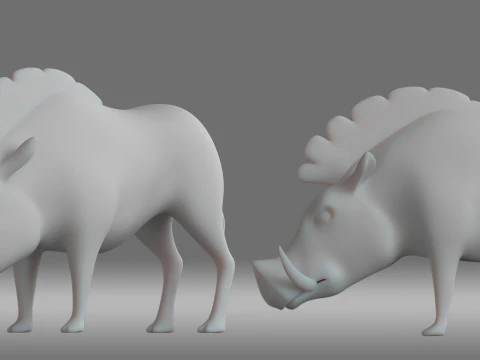
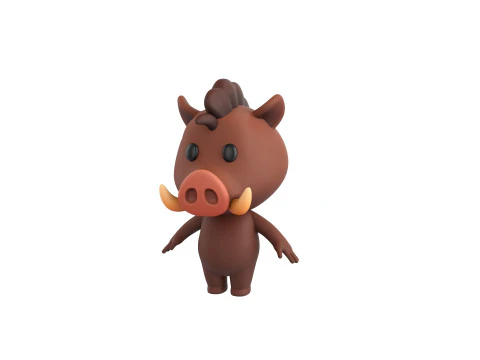
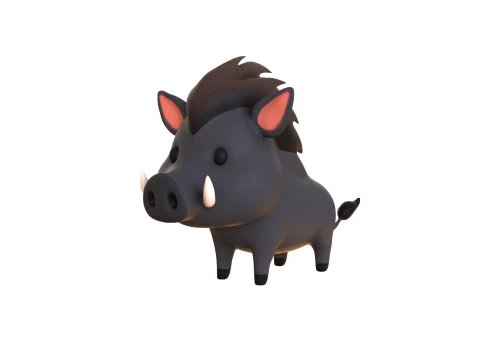
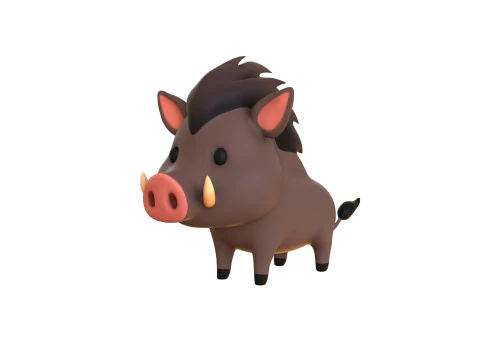
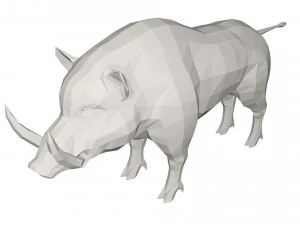
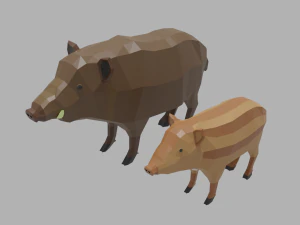
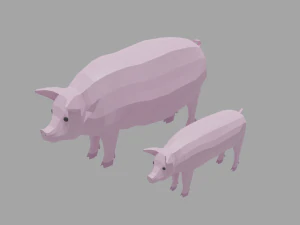
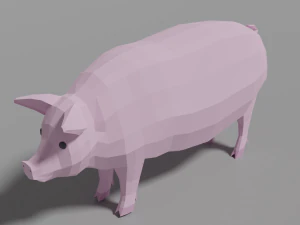
Our 2026 collection covers a wide range of porcine species. This includes the standard pink domestic pig, rugged wild boars with dense fur and tusks, and even "Teacup" miniature pigs for pet-simulator games. Each model features species-specific proportions; for example, a wild boar rig is more muscular and "front-heavy," while a domestic pig has a softer, rounded silhouette. The wild boar models also include specialized tusk shaders and denser fur grooms. This diversity allows creators to choose the exact asset that fits their narrative, whether it's a realistic survival game set in a forest or a cozy farm management simulation.