


 Español
 Deutsch
 日本語
日本語 Polska
 Français
 한국의
한국의 Українська
 Italiano
 Nederlands
 Türkçe
 Português
 Bahasa Indonesia
 Русский
 中國
中國 हिंदी
हिंदी
















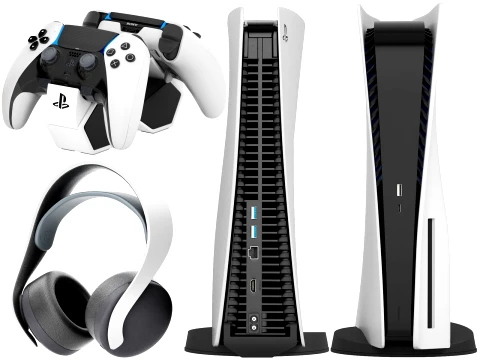
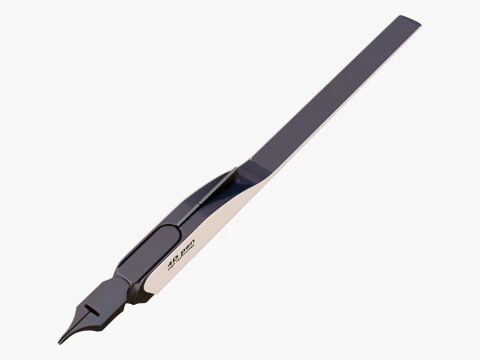
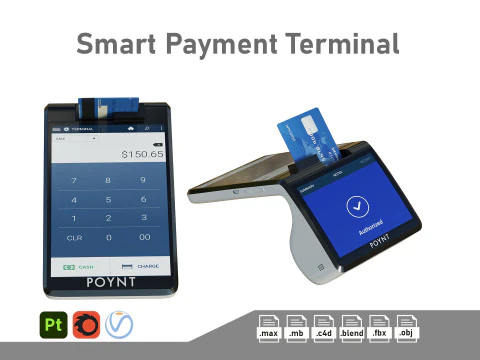
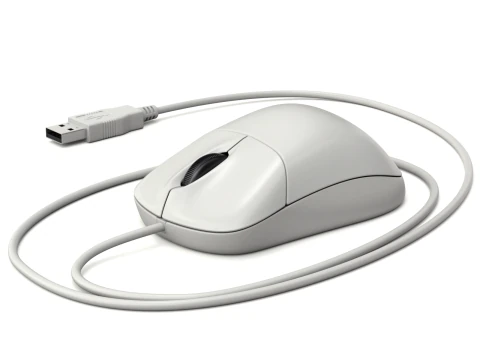
Gadgets - Electronics 3D Models
We have 710 item(s) Royalty free 3D Models.
This category contains a wide choice of Gadgets 3D Models - Electronics. Any 3D Gadgets model is available in .max, .obj, .c4d, .fbx, .dxf, .dwg, .stl, .iges, .3ds, .mb, .lwo, .3dm, .skp and .blend format. Some of them are ready for 3D Printing & Games. Also you will find a great number of models in TV and GPS categories.
Apple
Samsung
HTC
LG
Sony
Nokia
Dell
Canon
Nikon
HP
GoPro
Logitech
Olympus
Fujifilm
Lenovo
BlackBerry
Acer
Asus
Huawei
JVC
Kodak
Motorola
Panasonic
Philips
Sharp
Toshiba
Wacom
Amazon
Google
Benq

























Trending searches 3D Models:
Sculpture 3D Models Characters 3D Models Kitchen 3D Models Horse 3D Models Architectural Exteriors 3D Models Phone and Cell Phone 3D Models Vegetable 3D Models Jewellery 3D Models Toys 3D Models Medical 3D Models Helicopter 3D Models Heavy Weapon 3D Models Truck 3D Models Anatomy 3D ModelsWhat defines the "Gadget" category in the 2026 electronics collection?
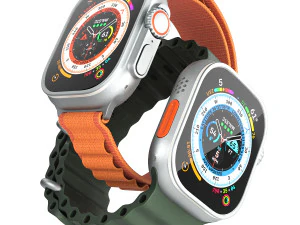
The Gadget category serves as the hub for personal, wearable, and smart home technology. In 2026, this primarily includes sophisticated smartwatches with curved OLED screens, fitness trackers with biometric sensors, and the latest generation of AR/VR headsets. We also include niche tech novelties like smart rings, portable power banks with integrated displays, and IoT (Internet of Things) home sensors. These models are characterized by their compact, ergonomic designs and high-tech material palettes, often featuring combinations of ceramic, sapphire glass, and lightweight titanium. Each gadget is modeled as a "Hero Asset," meaning it holds its visual integrity even when viewed at extreme macro distances in a 4K product commercial.
How are VR and AR headsets modeled to showcase internal optics?
In 2026, VR/AR headsets are no longer just external shells; they feature "Full-Stack" optical modeling. This includes the individual fresnel lens elements, internal displays, and even the IR sensor arrays used for eye-tracking. We use specialized "Optical Shaders" that simulate light refraction and the "Blue-Light" tint common in high-end lenses. This allows artists to render realistic "Eye-Glow" effects or create "X-ray" views showing the internal cooling fans and processors. For tech reviewers or educators, these models are perfect for explaining how spatial computing works. The rigs also include articulated headbands and sliding IPD (Interpupillary Distance) adjusters, ensuring the headset fits realistically on any 3D character head.
Are 3D smartwatches rigged for character interaction and strap deformation?
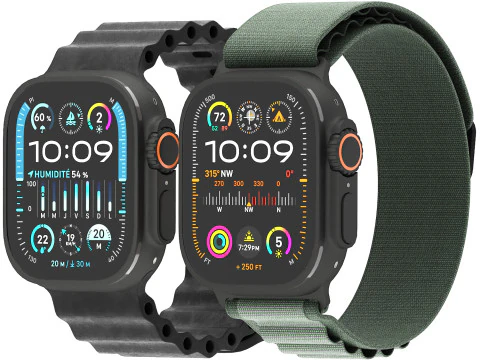
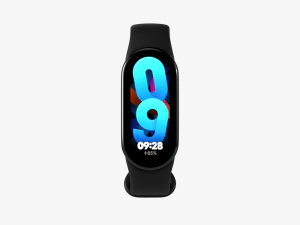
Yes, rigging for wearables is a high priority in 2026. Smartwatches and fitness trackers feature "Soft-Body" rigs for their straps, which are pre-calibrated to wrap realistically around a character's wrist. These rigs use "Skin-Wrap" or "Spline-IK" systems to ensure that leather, metal, or silicon bands deform without stretching or mesh clipping. This is essential for character-driven animations where the watch must stay perfectly positioned during movement. Additionally, the "Digital Crown" and side buttons are rigged for tactile clicking, and the screen UI is set up on a separate emissive layer, allowing for the animation of notification pop-ups, health data tracking, or incoming calls during a scene.
How is "Material Sophistication" handled for premium 2026 gadgets?
High-end gadgets rely on a "Layered Shader" approach to capture the complexity of modern industrial design. For example, a smartwatch might use an "Anisotropic" shader for its brushed metal casing, a "Clearcoat" shader for its screen, and a "Subsurface Scattering" shader for its silicon strap. In 2026, we also include "Thin-Film Interference" maps for sensors and camera lenses, giving them that signature iridescent look found on real hardware. These shaders are fully compatible with both path-tracing and real-time engines, ensuring that reflections and light-refractions are physically accurate. This level of material depth is vital for product marketing, where the "feel" of the premium materials must be conveyed through the screen.
Do these gadget models support IoT and Smart Home visualizations?
Absolutely. The category includes a vast array of smart home gadgets such as thermostats, security cameras, and voice-controlled hubs. These models are designed with "Modular Mounting" in mind, featuring separate back-plates and screw-hole geometry for easy integration into architectural scenes. For ArchViz artists, these small details are what make a "Smart Home" look believable. The security cameras are rigged with "Pan-and-Tilt" controls and feature emissive "Status LEDs" that can be changed from green to red to show the system is active. By including these interactive gadgets, we provide the tools needed to visualize the fully connected, automated living environments that define 2026 modern living.