


 Español
 Deutsch
 日本語
日本語 Polska
 Français
 한국의
한국의 Українська
 Italiano
 Nederlands
 Türkçe
 Português
 Bahasa Indonesia
 Русский
 中國
中國 हिंदी
हिंदी
















Squid - Animals 3D Models
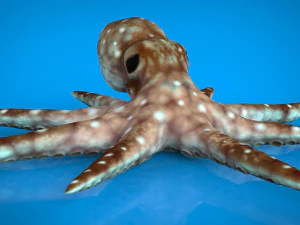
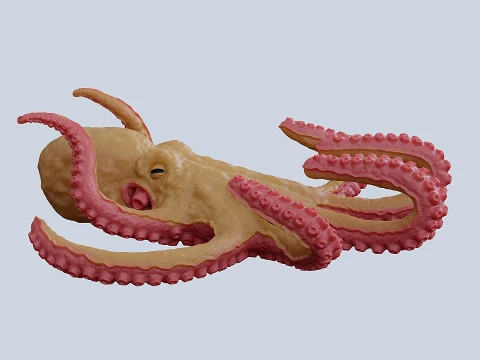
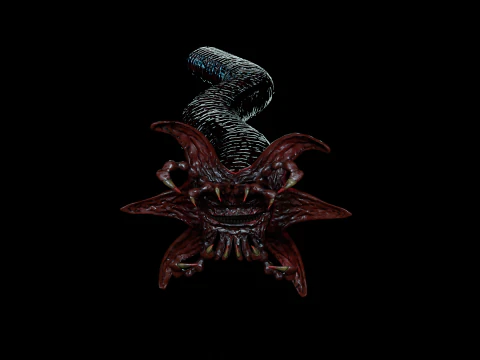
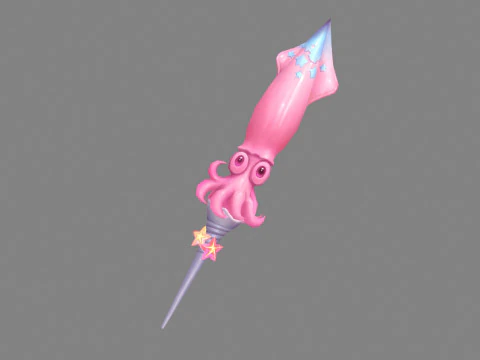
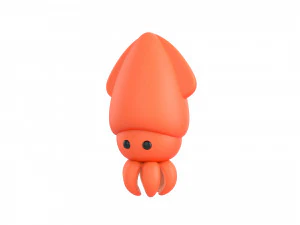
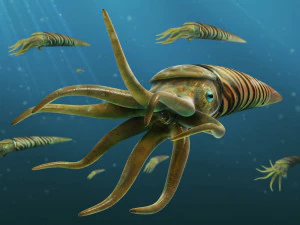
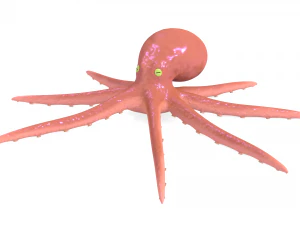
We have 13 item(s) Royalty free 3D Models. This category contains a wide choice of Squid 3D Models - Animals. Any 3D Squid model is available in .max, .obj, .c4d, .fbx, .dxf, .dwg, .stl, .iges, .3ds, .mb, .lwo, .3dm, .skp and .blend format. Some of them are ready for 3D Printing & Games. Also you will find a great number of models in Shark and Whale categories.



Trending searches 3D Models:
Sculpture 3D Models Characters 3D Models Kitchen 3D Models Horse 3D Models Architectural Exteriors 3D Models Phone and Cell Phone 3D Models Vegetable 3D Models Jewellery 3D Models Toys 3D Models Medical 3D Models Helicopter 3D Models Heavy Weapon 3D Models Truck 3D Models Anatomy 3D ModelsHow is the "Jet Propulsion" movement of a squid animated in 2026?
Squid locomotion in 2026 is handled through a combination of "Shape Keys" and "Soft-Body" physics. To simulate the "Jet Propulsion" effect, the mantle (the main body) is rigged to expand and contract, while the funnel is animated to direct water flow. Professional rigs include "Dynamic Splines" for the tentacles, allowing them to trail realistically behind the body as the squid pulses through the water. This setup is vital for marine simulators where the squid must navigate through complex volumetric water. By using "Vertex Animation Textures" (VAT), developers can achieve these complex deformations in real-time engines with minimal performance overhead, capturing the fluid, alien-like grace of a cephalopod in motion.
What technical features allow for "Bioluminescence" in squid models?
Many deep-sea squid species use bioluminescence for camouflage or communication. In 2026, our squid 3D models include dedicated "Emission" and "Mask" maps specifically for photophores (light-producing organs). In engines like Unreal Engine 5 or Unity, these maps can be pulsed or color-shifted using a simple shader parameter. The PBR materials also feature a "Subsurface Scattering" (SSS) value that allows the internal glow to bleed through the skin realistically. This is essential for creating high-impact deep-ocean scenes, such as a Giant Squid battle or a shimmering shoal of Humboldt squid, where the lighting defines the creature's presence in the dark.
Are the tentacles rigged for "Constricting" and "Hunting" animations?
Yes, professional squid rigs feature "High-Bone-Count" tentacle chains with Inverse Kinematics (IK). This allows the two longer feeding tentacles to shoot forward and "wrap" around prey models. The suckers are modeled with high-resolution Normal maps to capture their serrated edges. In 2026, these rigs often include "Collision Volumes," ensuring that the tentacles react to the surface of the object they are grabbing without clipping. This level of technical readiness is critical for cinematic VFX shots and "Monster" gameplay where the squid serves as a primary antagonist or a highly interactive biological entity.
How is the "Color-Changing" (Chromatophore) effect achieved?
One of the most impressive features of 2026 squid models is the "Chromatophore" shader. Using a "Multi-Layered" texture approach, users can blend between different Albedo maps to simulate the squid changing color for camouflage or threat displays. By using a "Noise" texture as a mask, you can create the shimmering, pulsating color waves seen in real squids. This effect is crucial for high-fidelity nature documentaries and stealth-based marine games, providing a layer of biological realism that makes the 3D asset feel truly alive and responsive to its environment.
Can I find Giant Squid and Colossal Squid models in this category?
Absolutely. Our 2026 collection includes "Mega-Fauna" versions of squids, such as the Architeuthis (Giant Squid). These models are built with massive scale in mind, featuring UDIM texture sets to ensure the skin detail remains sharp even when the camera spans the entire length of the creature. These "Legendary" models often come with specialized rigs for battling other large marine assets like sperm whales. The PBR materials are tuned to handle the deep-sea lighting conditions, with extra attention paid to the "beak" and the massive eyes, which are modeled with realistic light-gathering properties to reflect their real-world deep-sea adaptations.