


 Español
 Deutsch
 日本語
日本語 Polska
 Français
 한국의
한국의 Українська
 Italiano
 Nederlands
 Türkçe
 Português
 Bahasa Indonesia
 Русский
 中國
中國 हिंदी
हिंदी
















Bull - Animals 3D Models
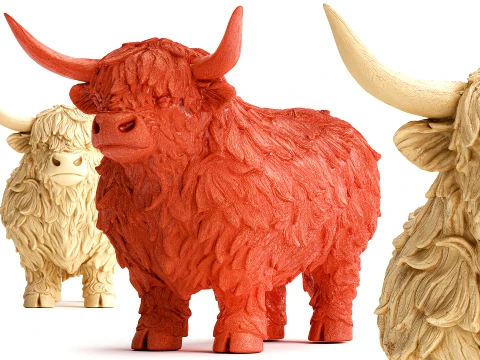
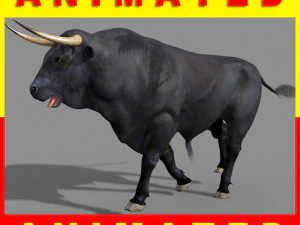
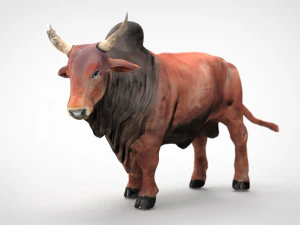
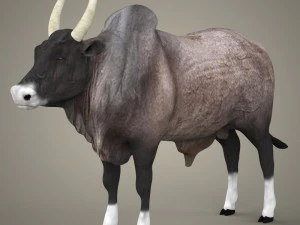
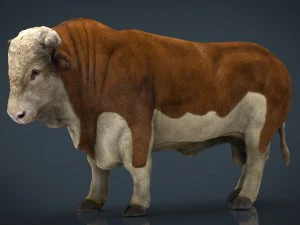
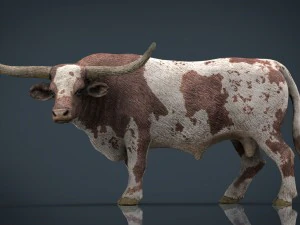
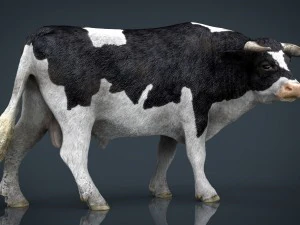
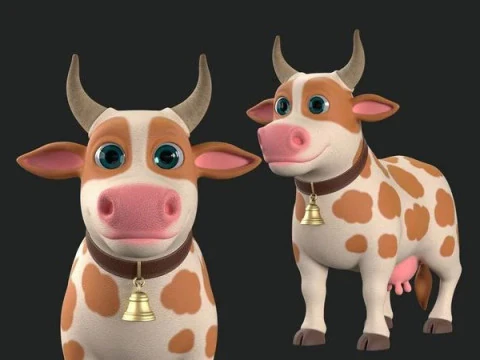
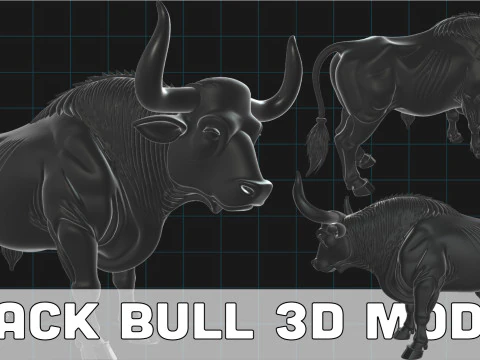
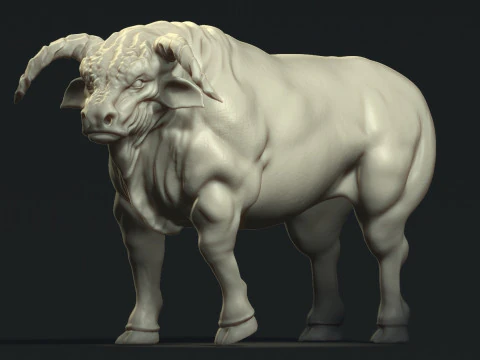
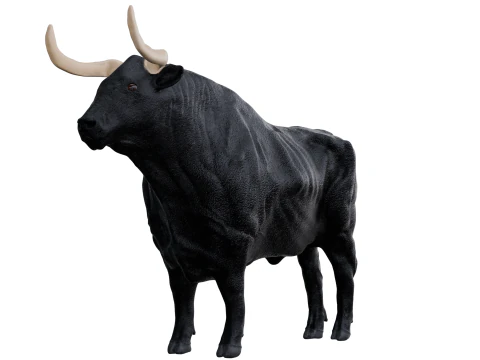
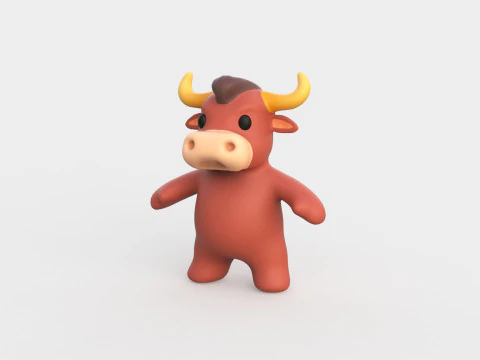
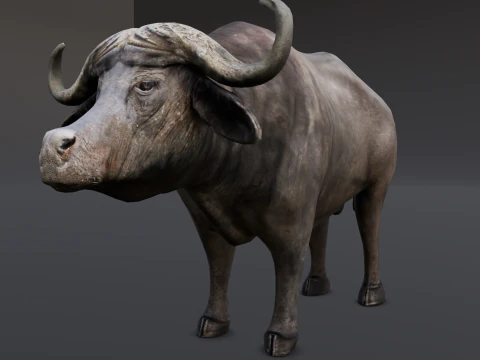
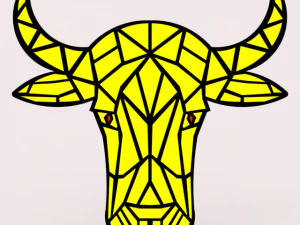
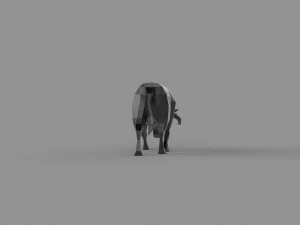
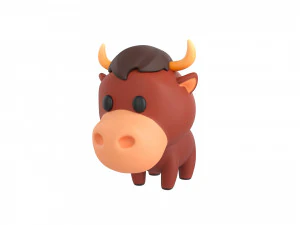
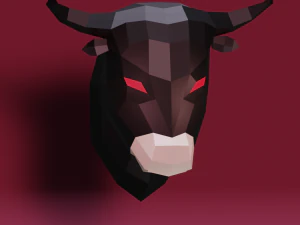
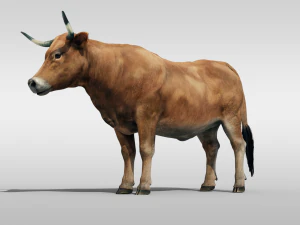
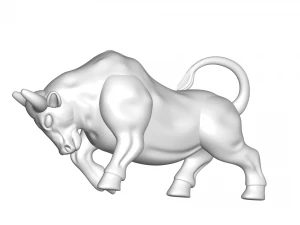
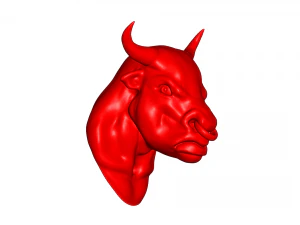
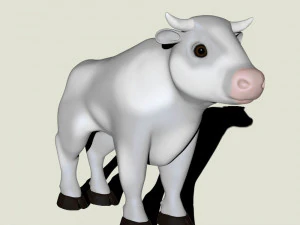
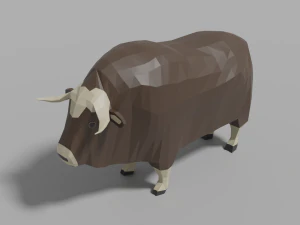
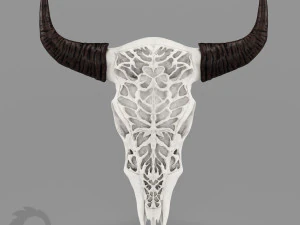
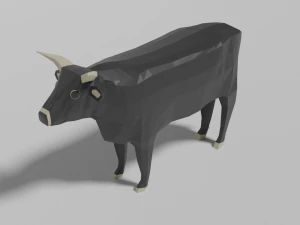
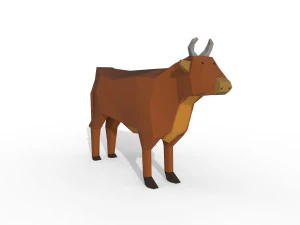
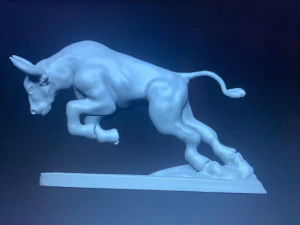
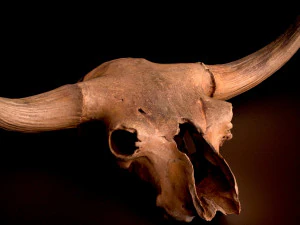
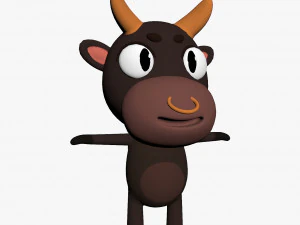
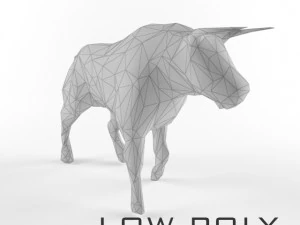
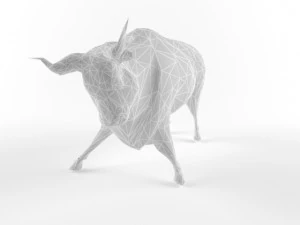
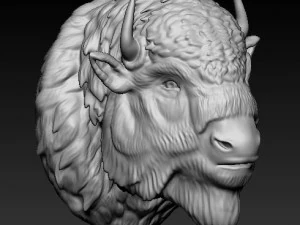
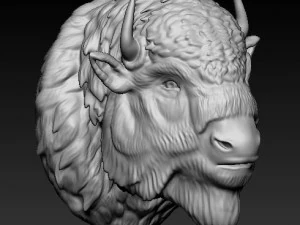
We have 93 item(s) Royalty free 3D Models. This category contains a wide choice of Bull 3D Models - Animals. Any 3D Bull model is available in .max, .obj, .c4d, .fbx, .dxf, .dwg, .stl, .iges, .3ds, .mb, .lwo, .3dm, .skp and .blend format. Some of them are ready for 3D Printing & Games. Also you will find a great number of models in Bird and Cat categories.


































Trending searches 3D Models:
Sculpture 3D Models Characters 3D Models Kitchen 3D Models Horse 3D Models Architectural Exteriors 3D Models Phone and Cell Phone 3D Models Vegetable 3D Models Jewellery 3D Models Toys 3D Models Medical 3D Models Helicopter 3D Models Heavy Weapon 3D Models Truck 3D Models Anatomy 3D ModelsWhat technical features define a high-quality bull 3D model in 2026?
In 2026, a professional bull 3D model is defined by its anatomical precision and the integration of a dynamic muscle system. High-quality bovine assets must feature "quad-dominant" topology to allow for heavy deformation during charging or bucking animations. Since bulls possess significant mass, creators now implement "vertex color" maps to drive muscle jiggle and skin tension, ensuring that the heavy neck folds and powerful haunches react realistically to movement. Additionally, PBR textures should include detailed maps for short-haired hide, polished horns, and even subtle "moisture" maps for the nose and eyes. These technical standards allow the model to stand up to the high-fidelity rendering requirements of modern cinematic projects and realistic farm simulators alike.
Are these bull models rigged for complex physics-based movements?
Yes, most bull assets on 3DExport come with advanced skeletal rigs compatible with industry-standard physics engines. In 2026, this includes Inverse Kinematics (IK) for the hooves and specialized controllers for the tail and ears. For game developers using Unreal Engine 5 or Unity, these rigs are often "retargeted" to support common bovine animation sets, such as walking, running, and aggressive charging. Some premium models also include "ragdoll" configurations, allowing for realistic physical interactions when the bull hits an object or falls. This level of rigging ensures that the model deforms naturally without "clipping" or "stretching" the mesh, providing a believable performance in any real-time or offline rendering environment.
How is the fur and hide texture handled for different bull breeds?
Texture handling in 2026 utilizes a multi-layered approach to represent diverse breeds like the Angus, Hereford, or Spanish Fighting Bull. For short-haired breeds, artists use high-resolution Albedo and Normal maps combined with a "Micro-Detail" shader to simulate the direction of hair growth. For shaggier breeds like the Highland bull, creators often provide "XGen" or "Alembic" groom files that support real-time hair strands. These textures also include "Masks" for dirt, mud, and dust, allowing users to procedurally add weathering to the animal depending on the environment. This ensures that whether the bull is in a clean showroom or a muddy paddock, the visual fidelity remains consistent and photorealistic.
Can I use bull 3D models for traditional 3D printing and sculpture?
Many of our bull assets are designed specifically for the 3D printing community. These "Print-Ready" models are optimized with a "manifold" geometry, meaning the mesh is completely watertight and free of internal intersecting faces that could confuse a slicer. In 2026, high-detail resin (SLA) printing is the standard for animal miniatures, so these models often feature exaggerated textures on the horns and skin to ensure detail is preserved at smaller scales. If you are a digital sculptor, you can also find high-poly ZBrush (ZTL) files that serve as an excellent base for creating custom physical statues or bronze-style trophies, provided you have the appropriate commercial license for physical reproduction.
Are the horns and hooves modeled as separate sub-meshes?
Professional 3D artists usually model the horns, hooves, and eyes as separate sub-meshes or "Material IDs." This is a crucial technical setup in 2026 because these parts require vastly different shader properties compared to the skin. Hooves and horns are typically rendered with a higher "Specular" and "Roughness" value to mimic keratin, while the eyes require a "Refraction" shader for the cornea. Having these as separate elements allows users to easily swap textures—for example, changing a bull's horns from a polished black to a weathered bone look—without needing to repaint the entire body. This modularity is essential for artists who need to create several variations of the same animal for a large scene or a diverse herd.