


 Español
 Deutsch
 日本語
日本語 Polska
 Français
 한국의
한국의 Українська
 Italiano
 Nederlands
 Türkçe
 Português
 Bahasa Indonesia
 Русский
 中國
中國 हिंदी
हिंदी
















Bus - Vehicle 3D Models
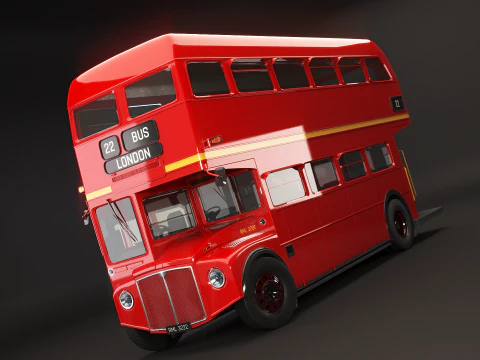
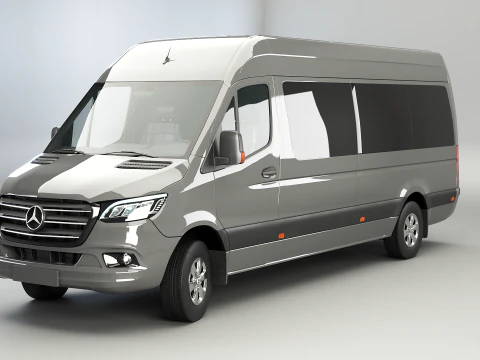
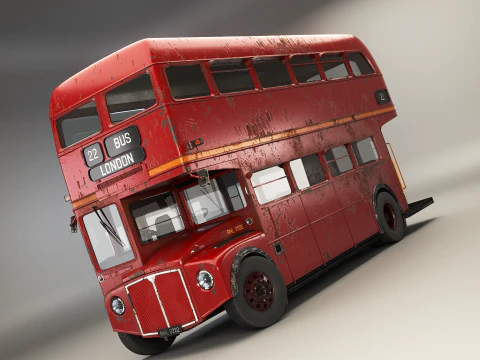
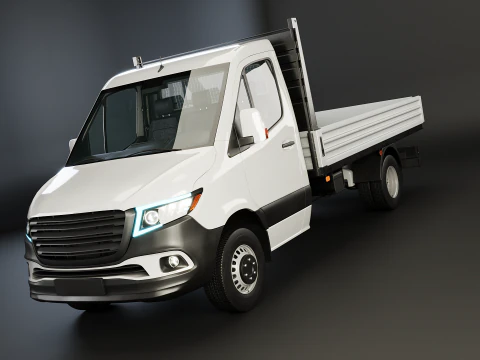
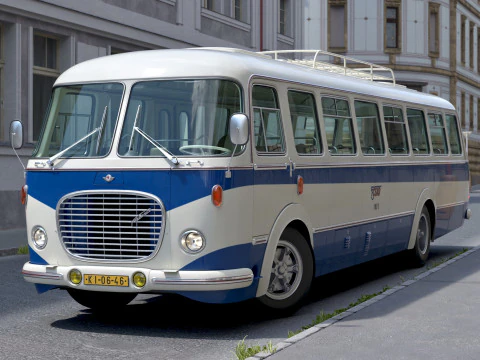
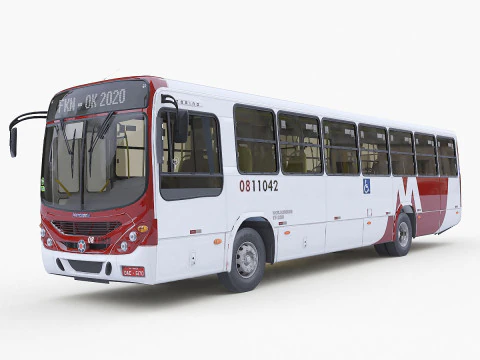
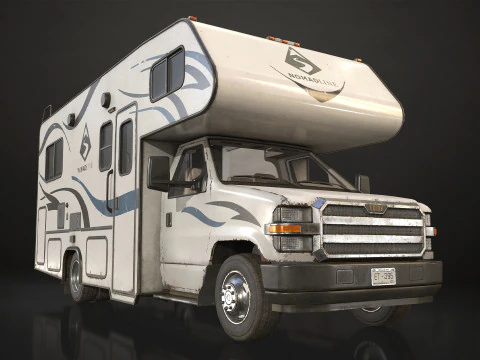
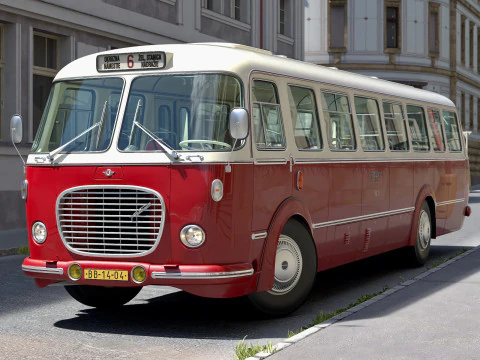
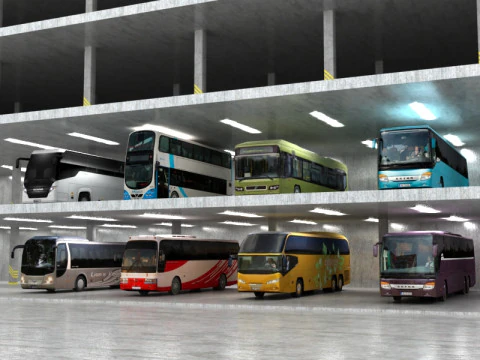
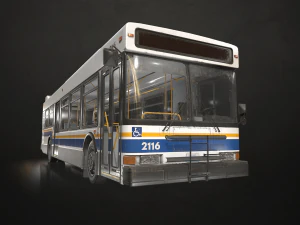
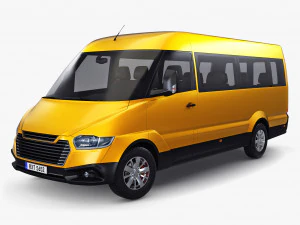
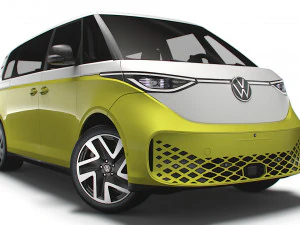
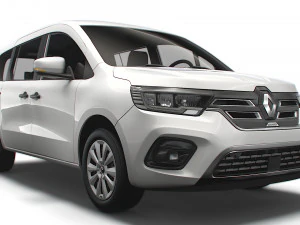
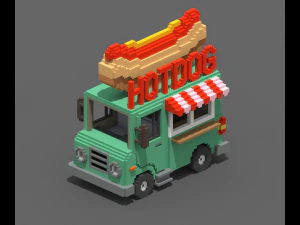
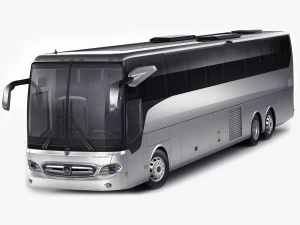
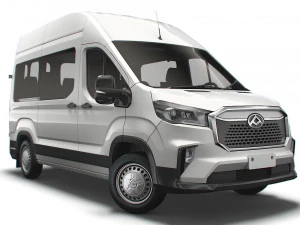
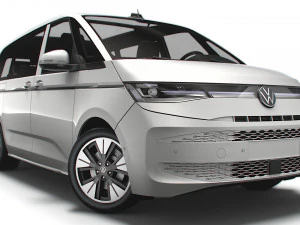
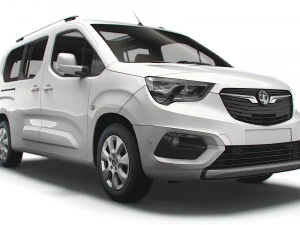
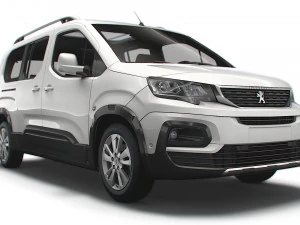
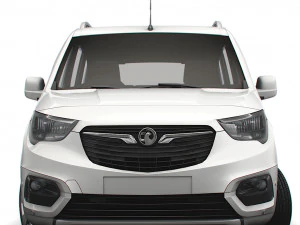
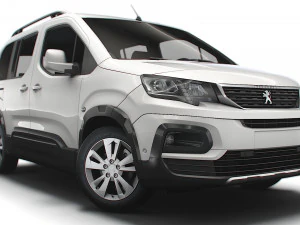
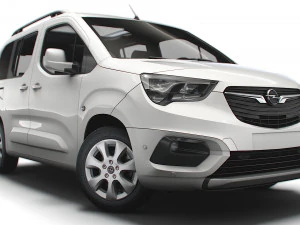
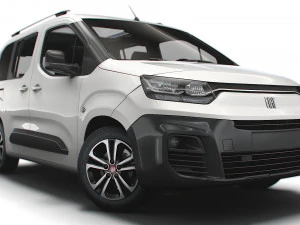
We have 638 item(s) Royalty free 3D Models. This category contains a wide choice of Bus 3D Models - Vehicle. Any 3D Bus model is available in .max, .obj, .c4d, .fbx, .dxf, .dwg, .stl, .iges, .3ds, .mb, .lwo, .3dm, .skp and .blend format. Some of them are ready for 3D Printing & Games. Also you will find a great number of models in Bicycle and Cart categories.





































Trending searches 3D Models:
Sculpture 3D Models Characters 3D Models Kitchen 3D Models Horse 3D Models Architectural Exteriors 3D Models Phone and Cell Phone 3D Models Vegetable 3D Models Jewellery 3D Models Toys 3D Models Medical 3D Models Helicopter 3D Models Heavy Weapon 3D Models Truck 3D Models Anatomy 3D ModelsWhat types of public and private transit buses are featured?
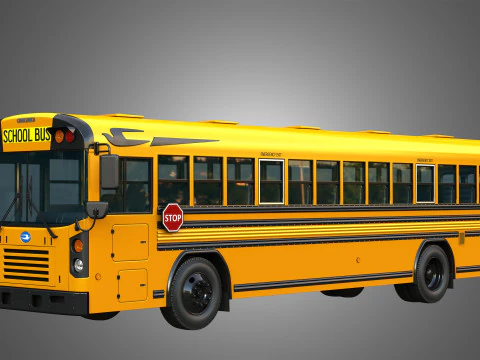
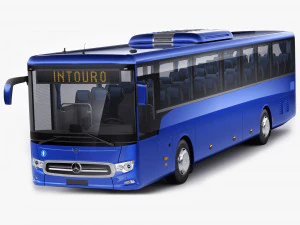
The bus category is a comprehensive library of mass transit vehicles, ranging from standard city transit buses and iconic yellow school buses to luxury long-distance coaches and double-decker tourist buses. In 2026, we also emphasize "green-transit" with models of electric and hydrogen-powered buses featuring futuristic aerodynamic designs. These models are essential for urban planning, architectural visualizations, and traffic simulations. Each bus is modeled with a focus on functional realism, showcasing realistic door mechanisms, destination signs, and exterior lighting, providing the necessary scale and variety for any modern city-themed or transportation project.
How detailed are the interiors for passenger transit?
Interior detail is a primary requirement for bus visualization, and our 2026 models often include fully realized passenger areas. You will find realistic seating arrangements with grip-handles, stop-request buttons, and detailed driver workstations. For luxury coaches, the interiors reflect a high-end travel aesthetic with reclining seats and entertainment systems. City buses often feature realistic textures like non-slip flooring and stainless-steel stanchions. These interiors are modeled to scale, allowing for immersive first-person walkthroughs or cinematic shots that showcase the commuter experience. The pre-configured interior lighting ensures a believable atmosphere for your urban and travel-themed renders.
Are the bus doors and steering rigged for animation?
Yes, most of our 2026 bus models come with organized hierarchies that allow for easy animation of the doors and wheels. City buses often feature complex folding or sliding door systems that are rigged to open and close realistically. The front wheels are set to steer, allowing you to show the bus navigating tight city corners. Many models also include a basic rig for the suspension, showing the bus "kneeling" at a stop to simulate passenger boarding. This functionality is vital for creators who need to demonstrate urban traffic flow or passenger logistics, ensuring your bus animations look professional and technically accurate.
Can I customize the advertisements and liveries on the buses?
Absolutely. The large, flat sides of buses are perfect for branding, and our 2026 models are designed with organized UV maps specifically for customization. You can easily apply your own transit agency liveries, city-specific colors, or commercial advertisements. Many models include separate material IDs for the windows, allowing you to apply "perforated-vinyl" ad wraps that are common in modern cities. This flexibility is essential for matching a bus to a specific fictional or real-world location. The high-resolution textures ensure that your custom branding remains sharp and professional even at 4K or 8K resolutions in your urban renders.
What rendering settings create the best urban transit atmosphere?
To capture the look of a city bus in 2026, we recommend using a "cool" or "neutral" lighting setup that reflects a typical urban environment. Use high-quality "refractive" materials for the large windows to show the detailed interior while also catching reflections of the surrounding city buildings. For the tires and lower body, adding a layer of subtle "road-grime" will add a sense of daily use and realism. Using "motion-blur" on the background will help emphasize the bus's movement through traffic. These techniques help ground the bus in its environment, making it look functional, massive, and perfectly integrated into your digital city landscape.