


 Español
 Deutsch
 日本語
日本語 Polska
 Français
 한국의
한국의 Українська
 Italiano
 Nederlands
 Türkçe
 Português
 Bahasa Indonesia
 Русский
 中國
中國 हिंदी
हिंदी
















Fruit - Food 3D Models
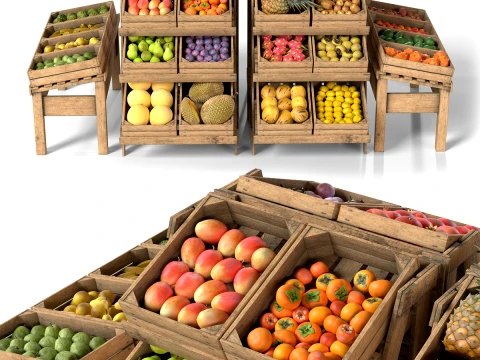
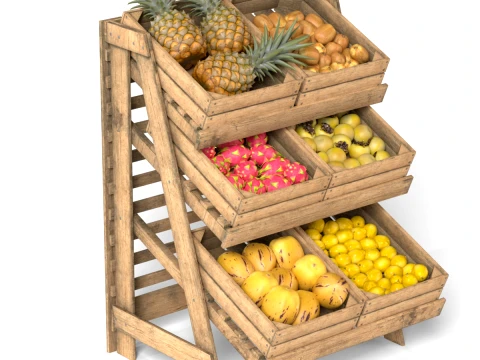
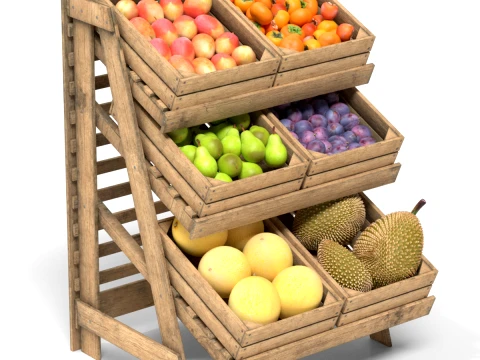
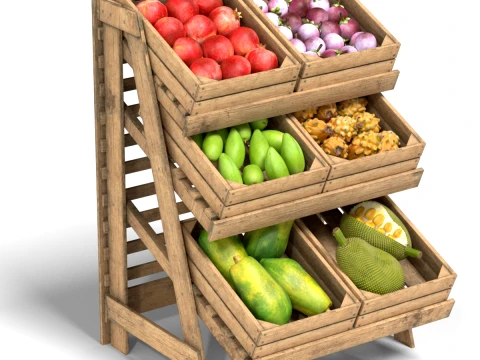
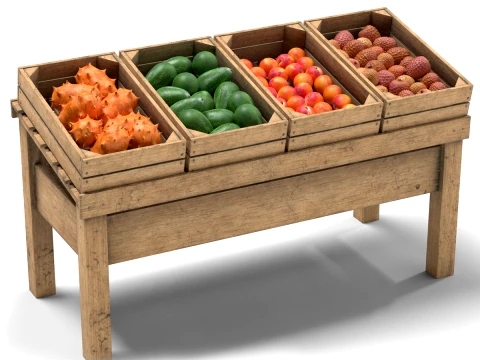
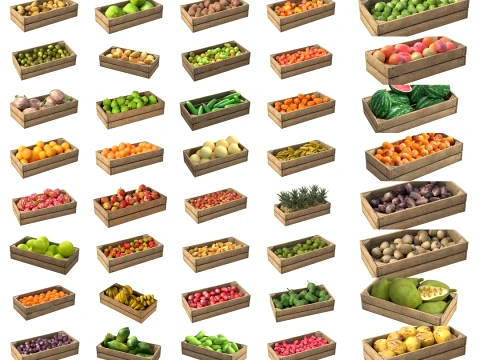
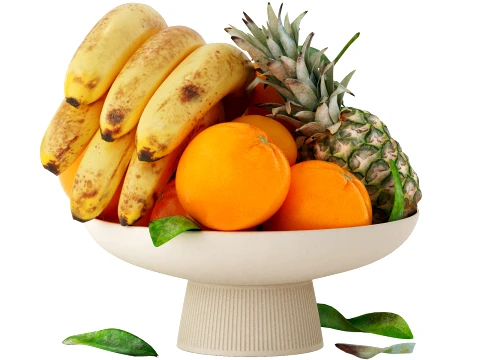
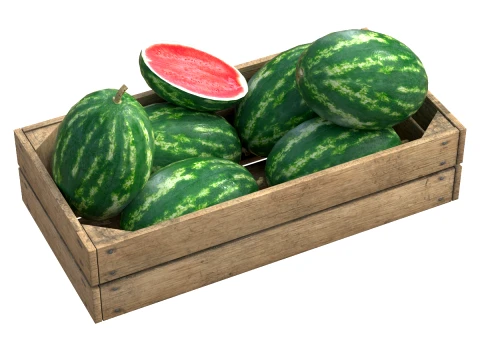
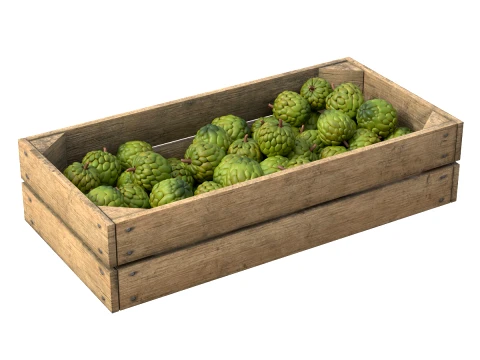
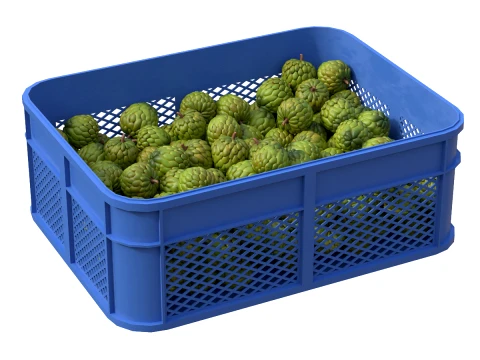
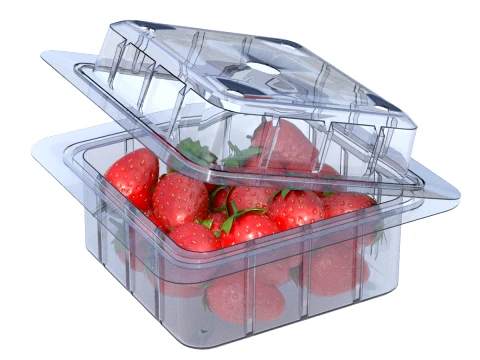
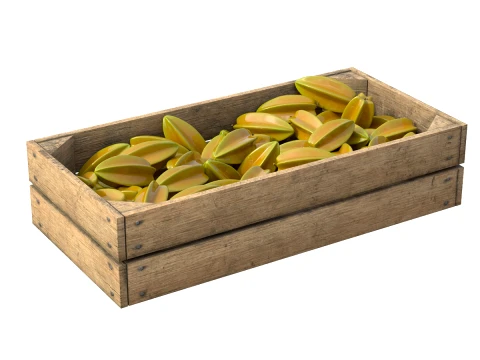
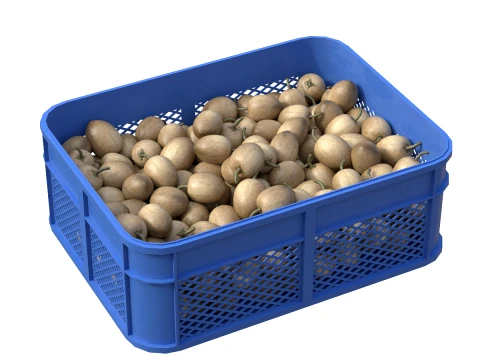
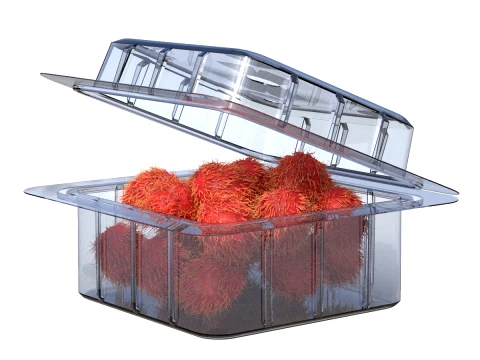
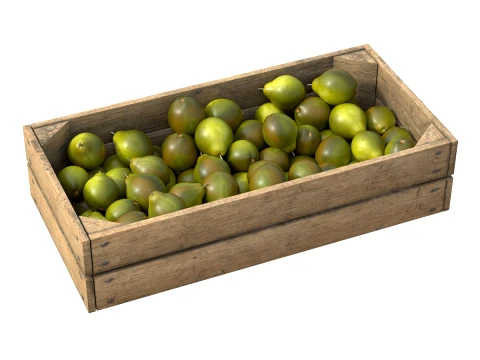
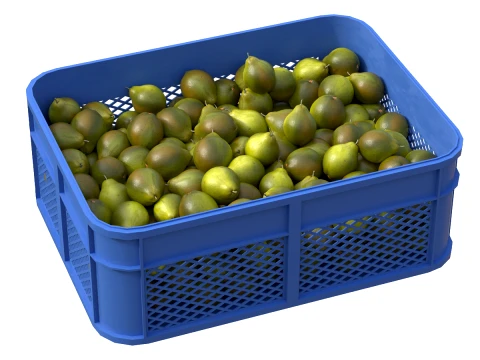
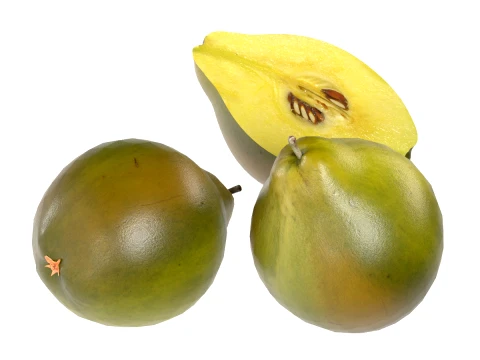
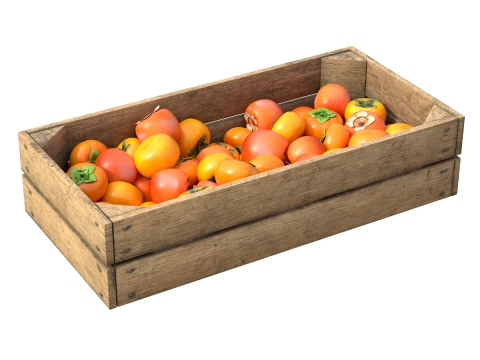
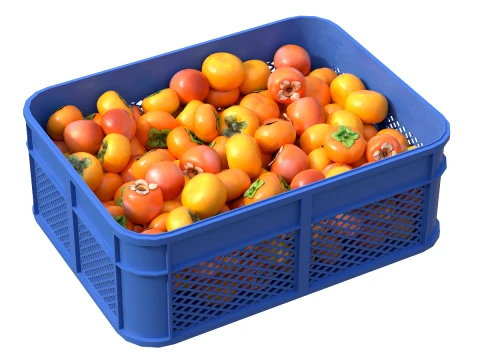
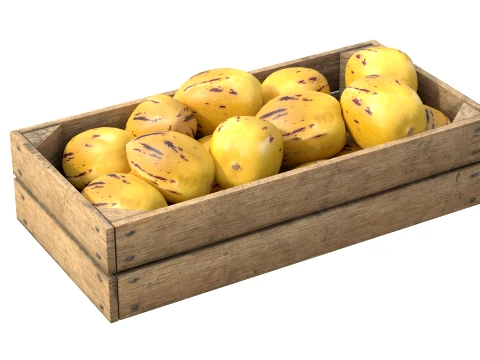
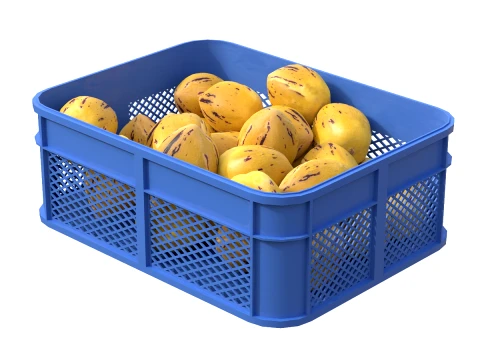
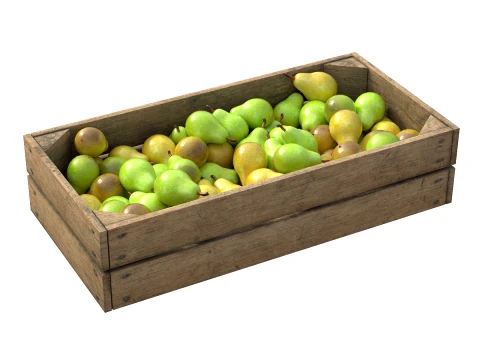
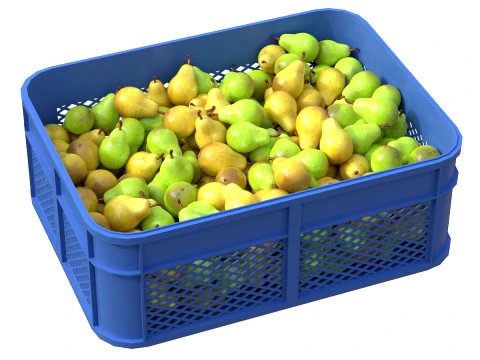
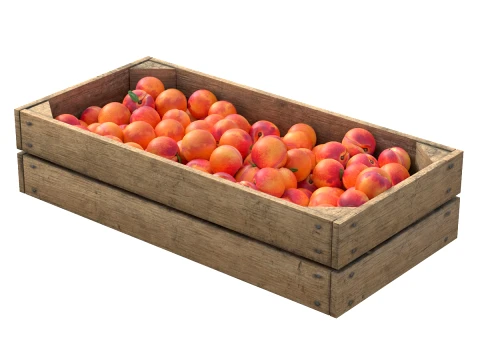
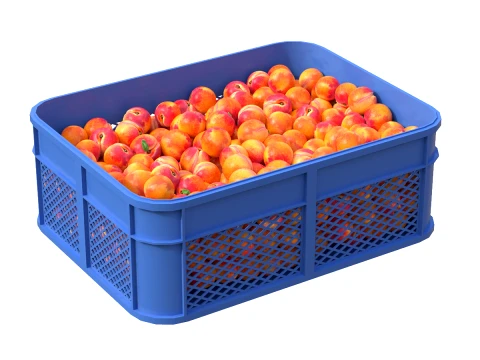
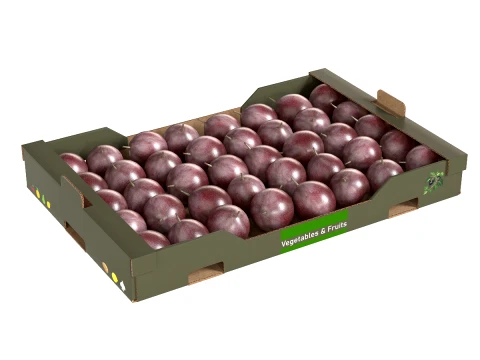
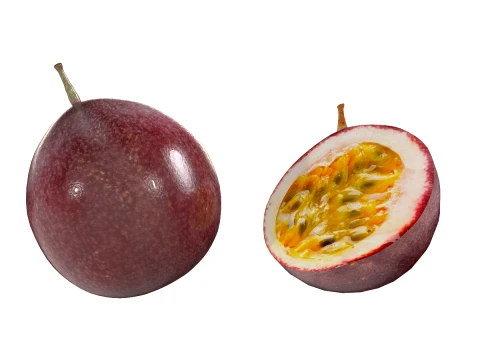
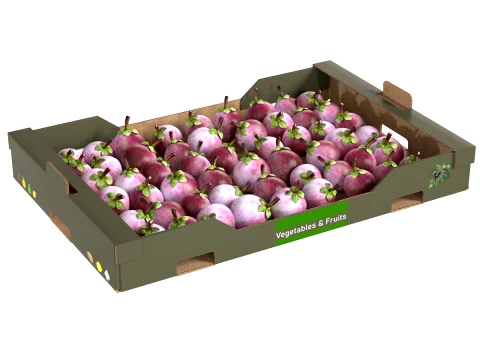
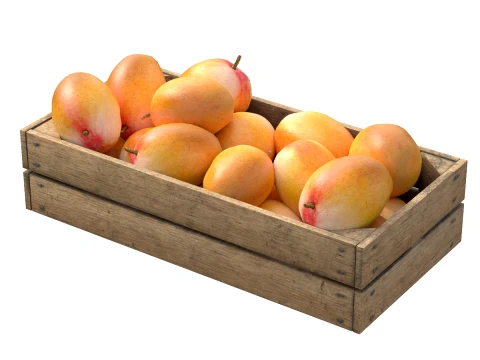
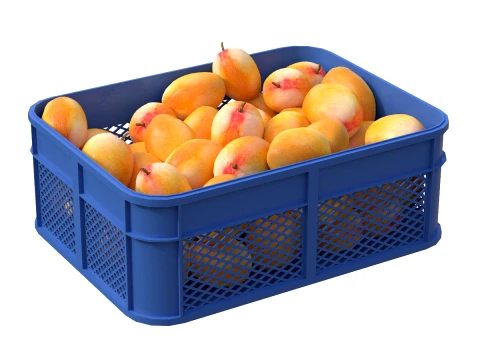
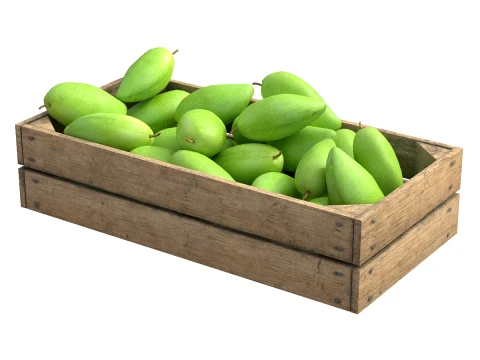
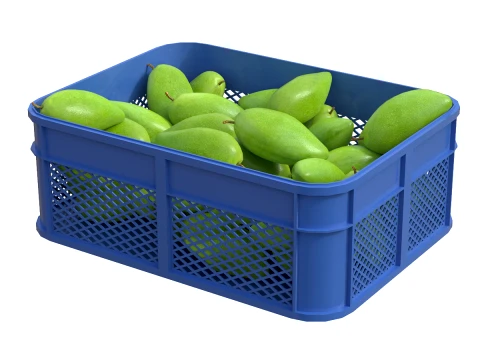
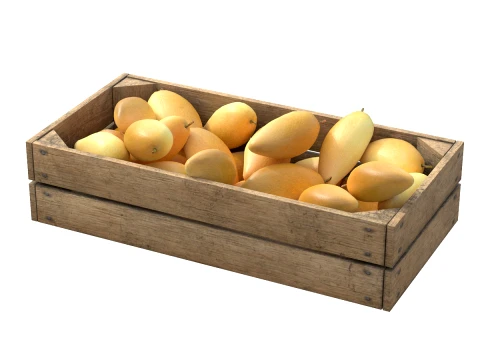
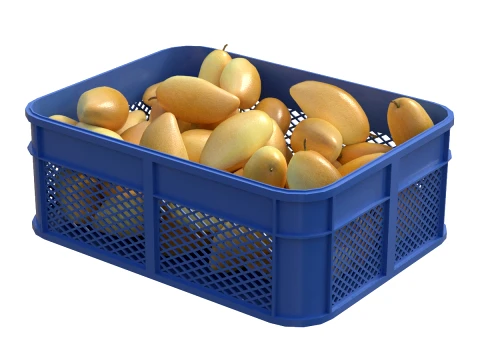
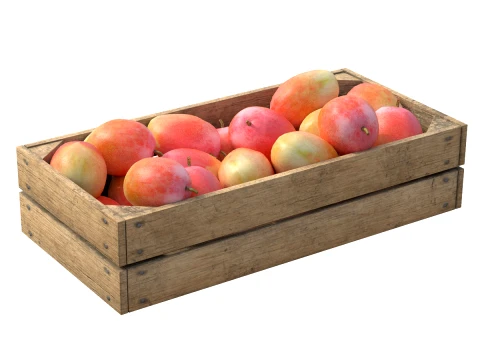
We have 1530 item(s) Royalty free 3D Models. This category contains a wide choice of Fruit 3D Models - Food. Any 3D Fruit model is available in .max, .obj, .c4d, .fbx, .dxf, .dwg, .stl, .iges, .3ds, .mb, .lwo, .3dm, .skp and .blend format. Some of them are ready for 3D Printing & Games. Also you will find a great number of models in Beverage and Miscellaneous categories.



Trending searches 3D Models:
Sculpture 3D Models Characters 3D Models Kitchen 3D Models Horse 3D Models Architectural Exteriors 3D Models Phone and Cell Phone 3D Models Vegetable 3D Models Jewellery 3D Models Toys 3D Models Medical 3D Models Helicopter 3D Models Heavy Weapon 3D Models Truck 3D Models Anatomy 3D ModelsWhat makes 2026 fruit 3D models look more realistic than previous versions?
The leap in fruit realism is due to the widespread use of high-resolution photogrammetry and "Subsurface Scattering" (SSS). In 2026, fruits like grapes, oranges, and berries are modeled to allow light to penetrate the surface and scatter within the pulp, creating that signature organic "glow." We also utilize "Micro-Displacement" to capture the specific pore structure of citrus peels or the fine fuzz on a peach. This ensures that even at extreme macro-distances, the fruit looks tangibly real, which is a requirement for modern grocery apps and 4K food cinematography.
Are the fruits provided in various states of ripeness?
Yes, the 2026 collection emphasizes "Dynamic Ripeness" through specialized texture sets. A single fruit model might include maps for "Fresh," "Ripe," and "Slightly Bruised" states. This is achieved through "Mask-Based" texturing, allowing the user to blend between colors to show a banana turning from green to yellow. This level of variety is essential for ArchViz artists who want to create "Lived-In" kitchen scenes or for health-focused educational content where the progression of food quality needs to be visually demonstrated with scientific accuracy.
How is the internal structure of sliced fruit modeled?
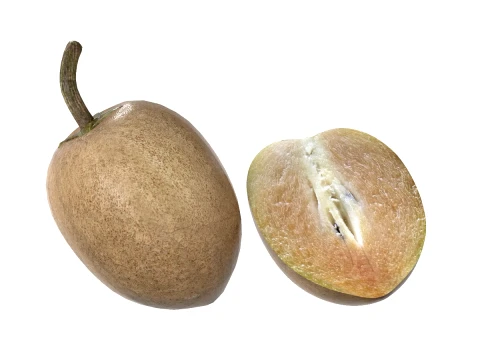
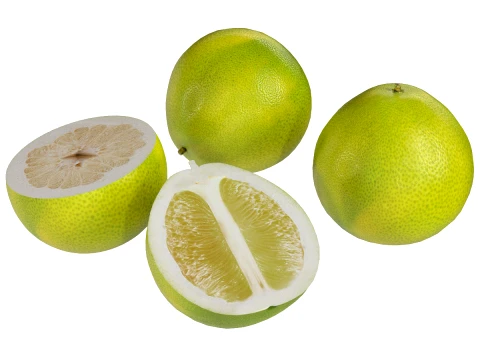
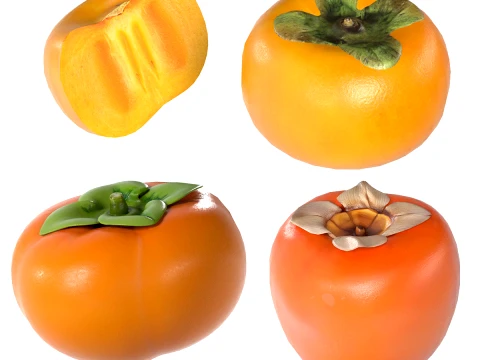
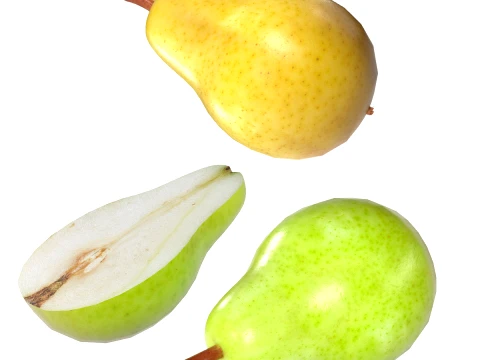
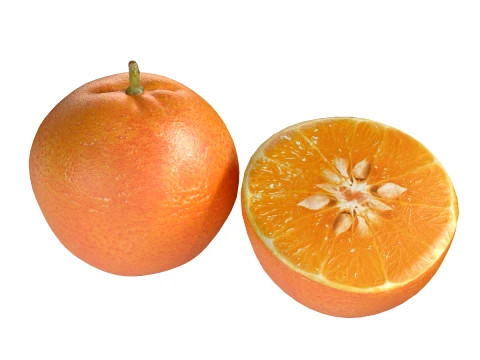
For 2026, the Fruit category includes a vast array of "Half-Cut" and "Sliced" models. These assets feature high-fidelity internal geometry, such as the fibrous core of a pineapple or the seed-pockets of a strawberry. The internal shaders are highly detailed, featuring "Wetness" maps that simulate the glistening juice on the surface of the slice. This "Juice-Layer" uses a separate refractive shader to create realistic light glints, ensuring that sliced fruit looks fresh and appetizing in high-end culinary visualizations and restaurant menu renders.
Do these models include "Waxy" and "Dusty" surface effects?
Authentic fruit surfaces are rarely uniform, and our 2026 models capture this through "Secondary Roughness" maps. For example, an apple model will include a "Wax" layer that can be buffed or smudged, while a plum or grape will feature a "Bloom" or "Dusty" layer that mimics the natural yeast coating. These effects are handled via "Layered PBR" shaders, allowing the artist to adjust the "cleanliness" of the fruit depending on whether it’s supposed to be in a farm-fresh basket or a polished grocery display.
Are fruit assets optimized for "Large-Scale" scattering in ArchViz?
Despite the high detail, 2026 fruit models are built for "Instancing Performance." We provide "Proxy-LODs" for scenes that require hundreds of fruits, such as a market stall or a large decorative bowl. These versions use "Normal Map Transfer" to maintain the appearance of high-poly detail while keeping the actual polygon count low. This ensures that your viewport remains responsive even with thousands of individual berries or grapes in the scene, which is vital for professional architectural visualization and large-scale environment design.