


 English
 Español
 Deutsch
 日本語
日本語 Polska
 Français
 한국의
한국의 Українська
 Italiano
 Nederlands
 Türkçe
 Português
 Bahasa Indonesia
 Русский
 中國
中國
















फ़ूट - फ़ूड 3D मॉडल्स
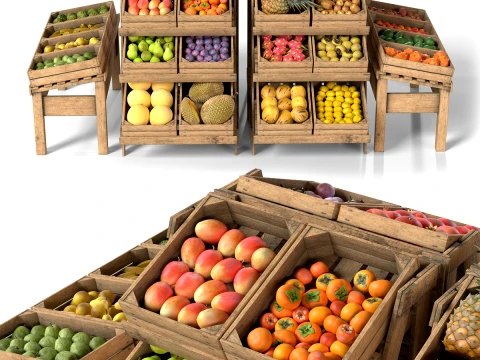
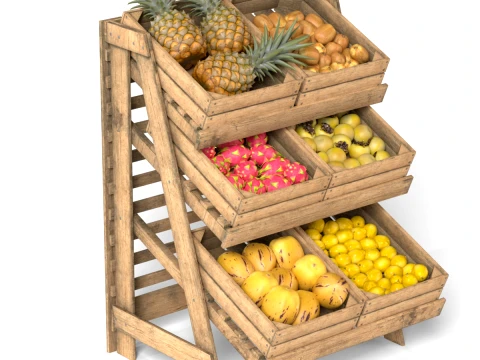
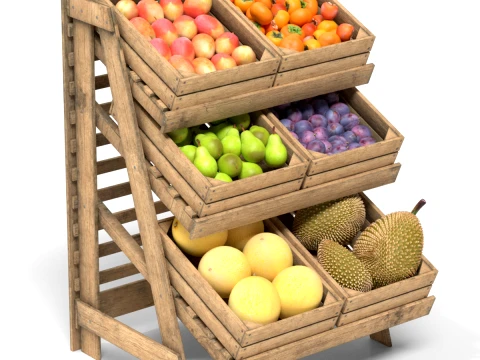
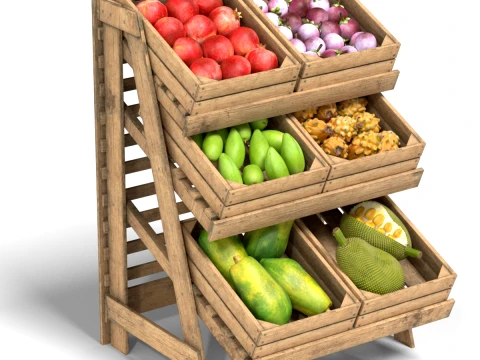
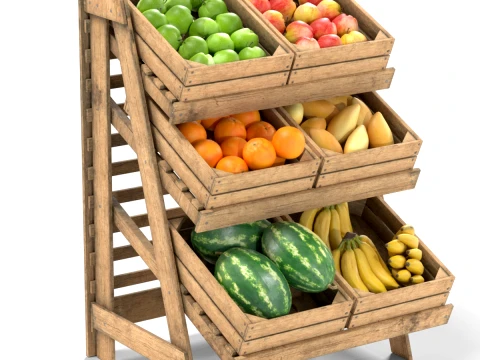
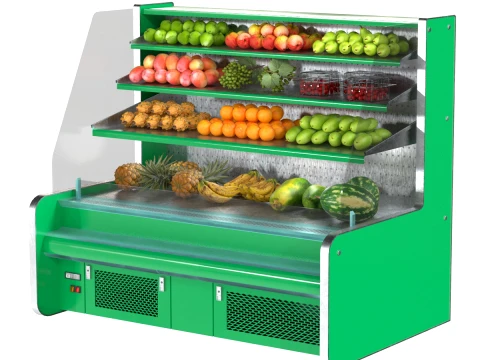
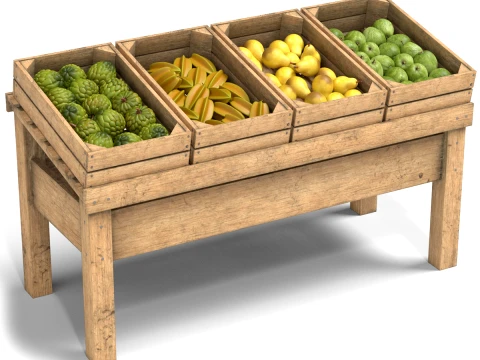
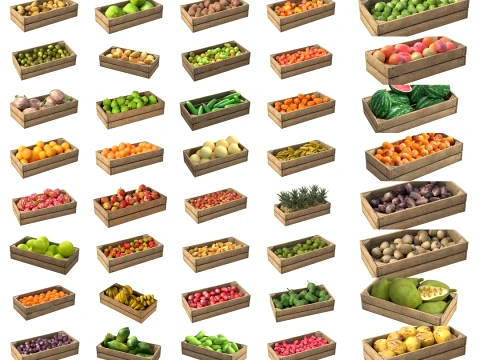
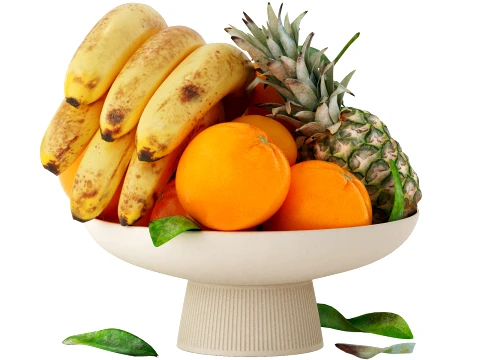
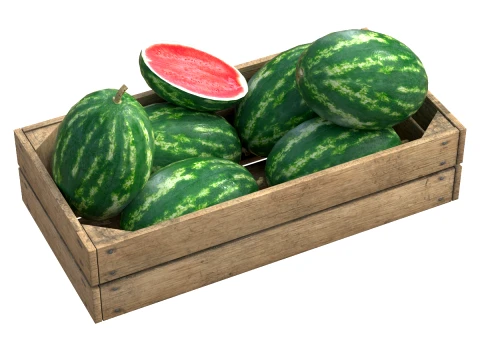
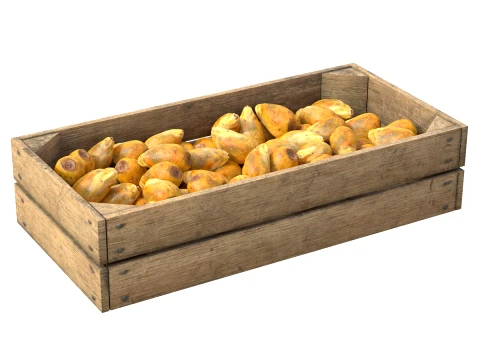
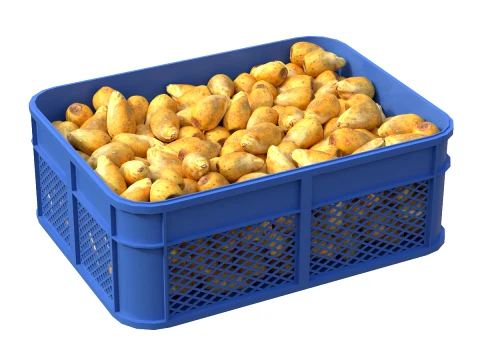
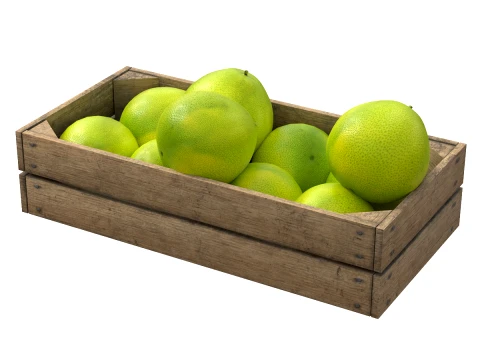
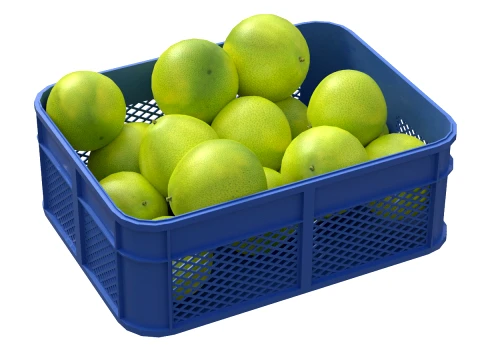
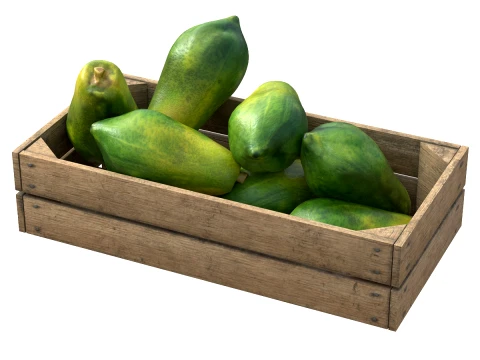
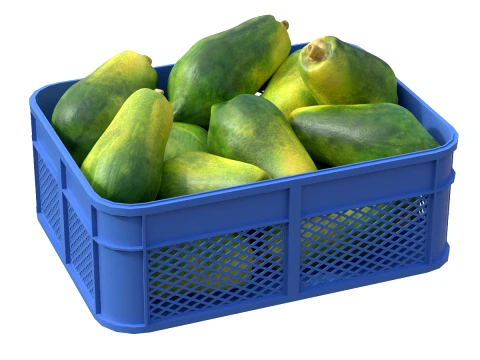
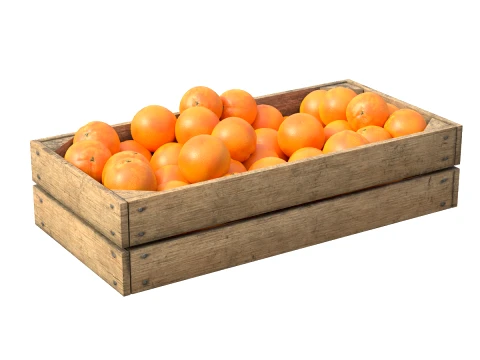
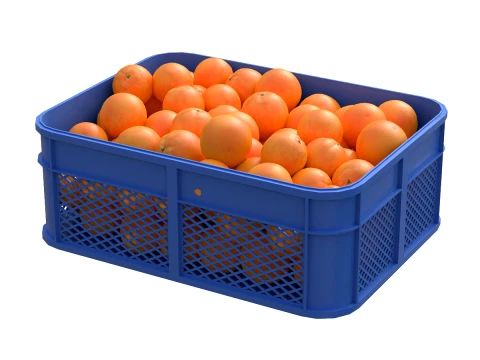
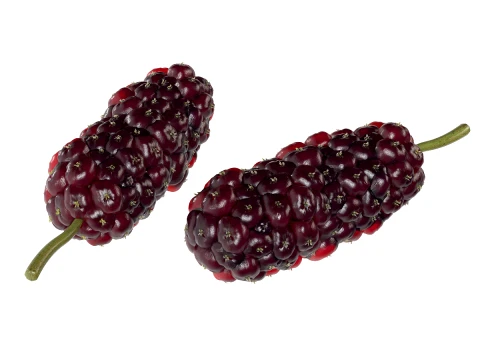
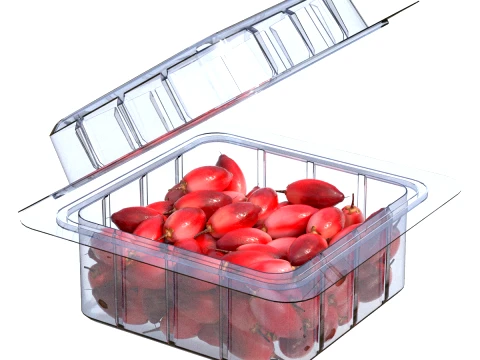
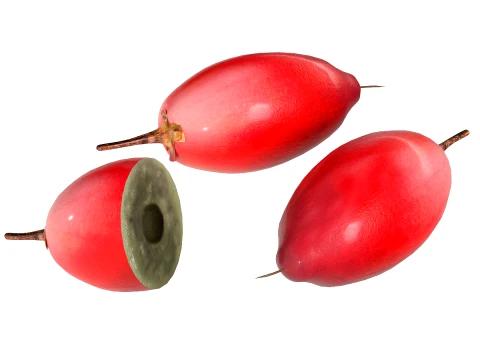
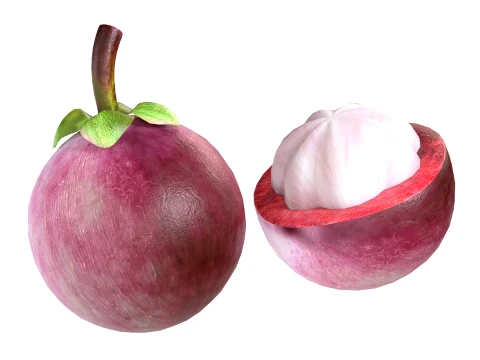
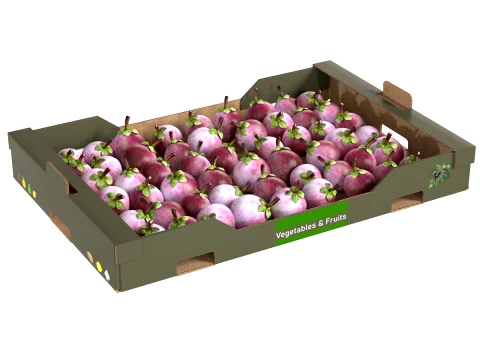
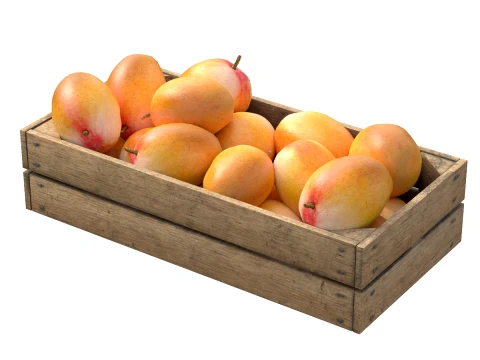
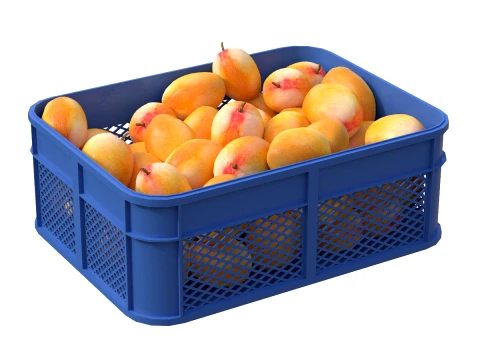
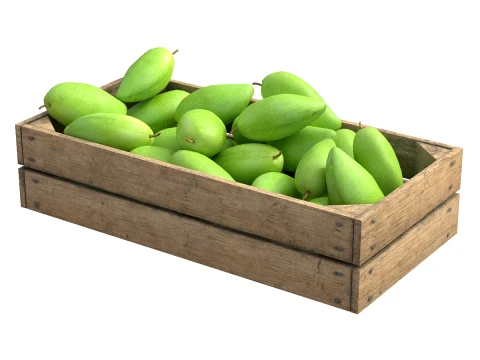
हमारे पास है 1523 आइटम रॉयल्टी फ्री 3D मॉडल्स. This category contains a wide choice of Fruit 3D Models - Food. Any 3D Fruit model is available in .max, .obj, .c4d, .fbx, .dxf, .dwg, .stl, .iges, .3ds, .mb, .lwo, .3dm, .skp and .blend format. Some of them are ready for 3D Printing & Games. Also you will find a great number of models in Beverage and Miscellaneous categories.



ट्रेंडिंग सर्च 3D मॉडल्स:
मूर्तिकला 3D मॉडल्स पात्र 3D मॉडल्स किचन 3D मॉडल्स घोड़ा 3D मॉडल्स आर्किटेक्चरल एक्सटीरियर्स 3D मॉडल्स फ़ोन और सेल फ़ोन 3D मॉडल्स सब्ज़ी 3D मॉडल्स आभूषण 3D मॉडल्स खिलौने 3D मॉडल्स चिकित्सा 3D मॉडल्स हेलीकाप्टर 3D मॉडल्स भारी हथियार 3D मॉडल्स ट्रक 3D मॉडल्स एनाटॉमी 3D मॉडल्स2026 फ्रूट 3D मॉडल पिछले वर्शन की तुलना में ज़्यादा रियलिस्टिक क्यों लगते हैं?
फलों की असलियत में यह उछाल हाई-रिज़ॉल्यूशन फ़ोटोग्रामेट्री और "सबसरफ़ेस स्कैटरिंग" (SSS) के बड़े पैमाने पर इस्तेमाल की वजह से है। 2026 में, अंगूर, संतरे और बेरी जैसे फलों को इस तरह से बनाया जाएगा कि रोशनी सतह में घुसकर गूदे के अंदर फैल जाए, जिससे वह खास ऑर्गेनिक "चमक" पैदा हो। हम खट्टे फलों के छिलकों के खास पोर स्ट्रक्चर या आड़ू पर बारीक रोएं को कैप्चर करने के लिए "माइक्रो-डिस्प्लेसमेंट" का भी इस्तेमाल करते हैं। इससे यह पक्का होता है कि बहुत ज़्यादा मैक्रो-दूरी पर भी, फल असली जैसा दिखे, जो मॉडर्न ग्रोसरी ऐप्स और 4K फ़ूड सिनेमैटोग्राफ़ी के लिए ज़रूरी है।
क्या फल अलग-अलग तरह से पके हुए दिए जाते हैं?
हाँ, 2026 कलेक्शन खास टेक्सचर सेट के ज़रिए "Dynamic Ripeness" पर ज़ोर देता है। एक सिंगल फ्रूट मॉडल में "Fresh," "Ripe," और "Slightly Bruised" स्टेट्स के मैप शामिल हो सकते हैं। यह "Mask-Based" टेक्सचरिंग के ज़रिए किया जाता है, जिससे यूज़र केले को हरे से पीले रंग में बदलते हुए दिखाने के लिए रंगों के बीच ब्लेंड कर सकता है। इस लेवल की वैरायटी ArchViz आर्टिस्ट के लिए ज़रूरी है जो "Lived-In" किचन सीन बनाना चाहते हैं या हेल्थ-फोकस्ड एजुकेशनल कंटेंट के लिए जहाँ खाने की क्वालिटी की प्रोग्रेस को साइंटिफिक एक्यूरेसी के साथ विज़ुअली दिखाने की ज़रूरत होती है।
कटे हुए फल की अंदरूनी बनावट को कैसे मॉडल किया जाता है?
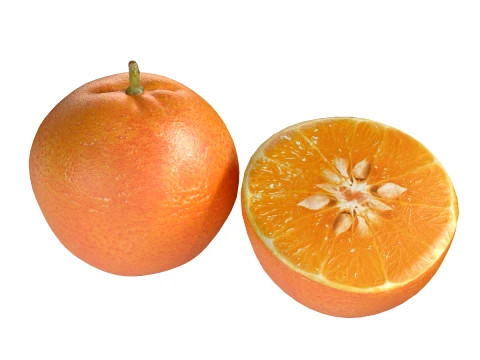
2026 के लिए, फ्रूट कैटेगरी में "हाफ-कट" और "स्लाइस्ड" मॉडल्स की एक बड़ी रेंज शामिल है। इन एसेट्स में हाई-फिडेलिटी इंटरनल ज्योमेट्री होती है, जैसे कि अनानास का रेशेदार कोर या स्ट्रॉबेरी के सीड-पॉकेट्स। इंटरनल शेडर्स बहुत डिटेल्ड होते हैं, जिनमें "वेटनेस" मैप्स होते हैं जो स्लाइस की सतह पर चमकते जूस की नकल करते हैं। यह "जूस-लेयर" रियलिस्टिक लाइट ग्लिंट्स बनाने के लिए एक अलग रिफ्रैक्टिव शेडर का इस्तेमाल करता है, जिससे यह पक्का होता है कि हाई-एंड कलिनरी विज़ुअलाइज़ेशन और रेस्टोरेंट मेनू रेंडर्स में स्लाइस्ड फ्रूट फ्रेश और टेस्टी दिखें।
क्या इन मॉडल्स में "मोमी" और "डस्टी" सरफेस इफ़ेक्ट्स शामिल हैं?
असली फलों की सतहें शायद ही कभी एक जैसी होती हैं, और हमारे 2026 मॉडल इसे "सेकेंडरी रफनेस" मैप के ज़रिए कैप्चर करते हैं। उदाहरण के लिए, एक सेब के मॉडल में एक "वैक्स" लेयर होगी जिसे बफ़ या स्मज किया जा सकता है, जबकि एक प्लम या अंगूर में एक "ब्लूम" या "डस्टी" लेयर होगी जो नेचुरल यीस्ट कोटिंग की नकल करती है। इन इफ़ेक्ट्स को "लेयर्ड PBR" शेडर्स के ज़रिए हैंडल किया जाता है, जिससे आर्टिस्ट फल की "सफ़ाई" को इस आधार पर एडजस्ट कर सकता है कि उसे फ़ार्म-फ़्रेश बास्केट में रखना है या पॉलिश किए हुए ग्रोसरी डिस्प्ले में।
क्या फ्रूट एसेट्स ArchViz में "लार्ज-स्केल" स्कैटरिंग के लिए ऑप्टिमाइज़ किए गए हैं?
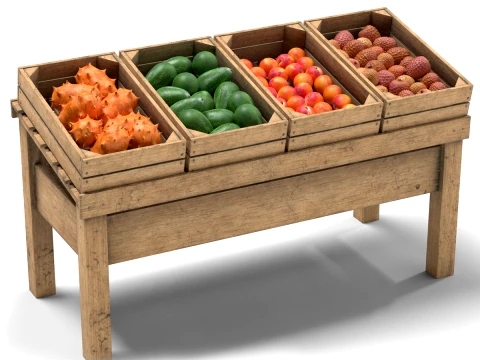
ज़्यादा डिटेल के बावजूद, "इंस्टेंसिंग परफॉर्मेंस" के लिए 2026 फ्रूट मॉडल बनाए गए हैं। हम उन सीन के लिए "प्रॉक्सी-LODs" देते हैं जिनमें सैकड़ों फ्रूट की ज़रूरत होती है, जैसे कि मार्केट स्टॉल या बड़ा डेकोरेटिव बाउल। ये वर्शन असल पॉलीगॉन काउंट को कम रखते हुए हाई-पॉली डिटेल का अपीयरेंस बनाए रखने के लिए "नॉर्मल मैप ट्रांसफर" का इस्तेमाल करते हैं। यह पक्का करता है कि सीन में हज़ारों अलग-अलग बेरी या अंगूर होने पर भी आपका व्यूपोर्ट रिस्पॉन्सिव बना रहे, जो प्रोफेशनल आर्किटेक्चरल विज़ुअलाइज़ेशन और बड़े पैमाने पर एनवायरनमेंट डिज़ाइन के लिए ज़रूरी है।