


 English
 Español
 Deutsch
 日本語
日本語 Polska
 Français
 한국의
한국의 Українська
 Italiano
 Türkçe
 Português
 Bahasa Indonesia
 Русский
 中國
中國 हिंदी
हिंदी












Fruit - Voedsel 3D Modellen
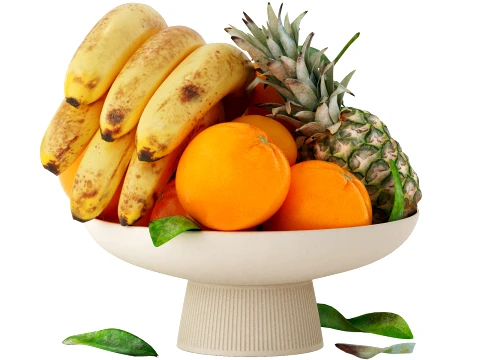
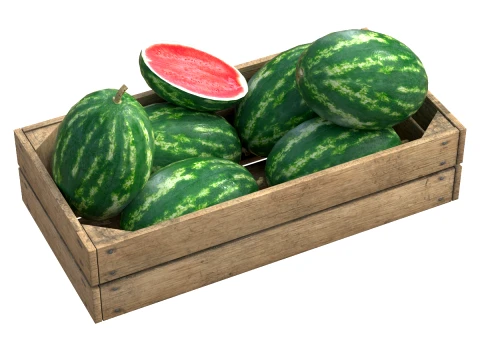
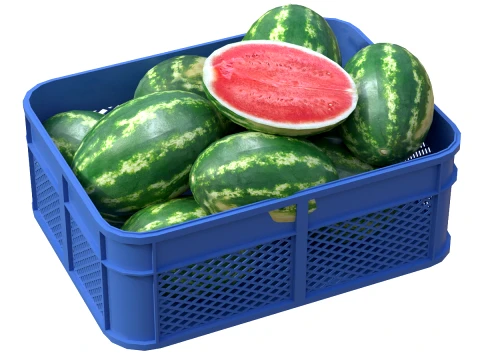
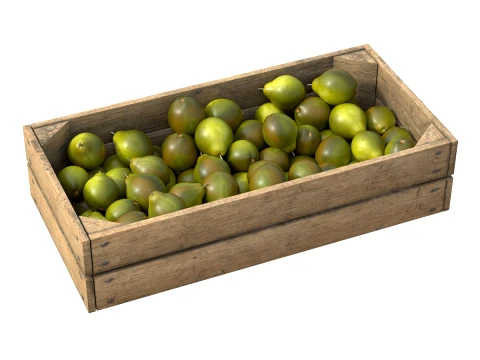
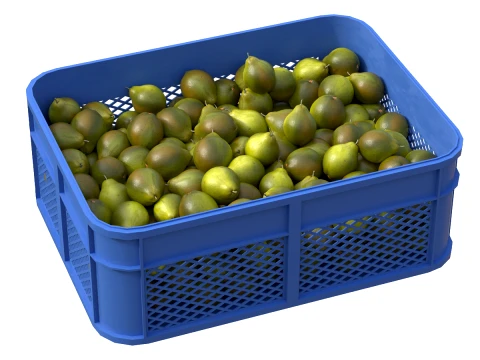
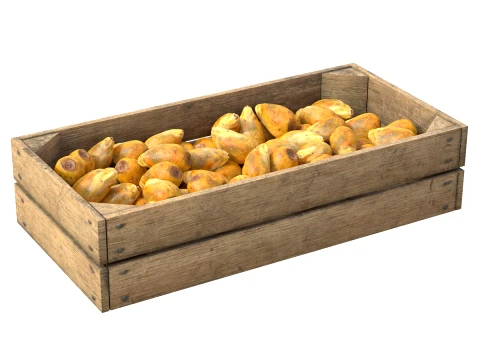
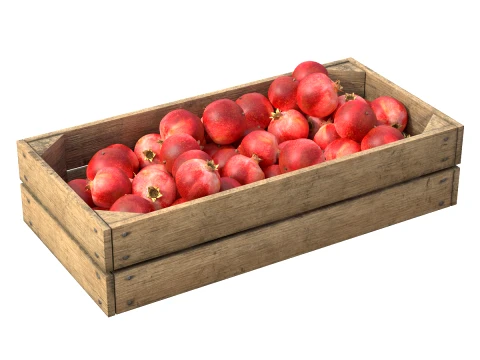
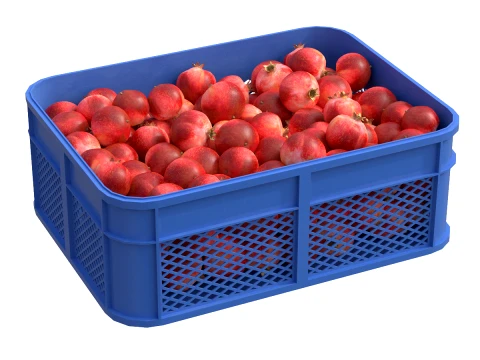
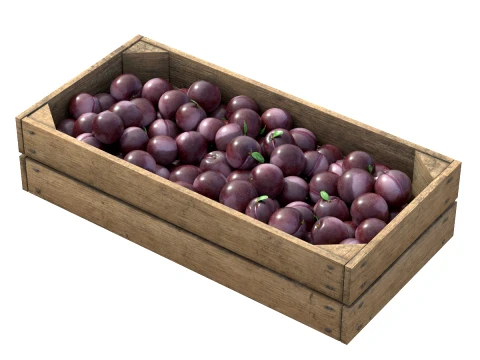
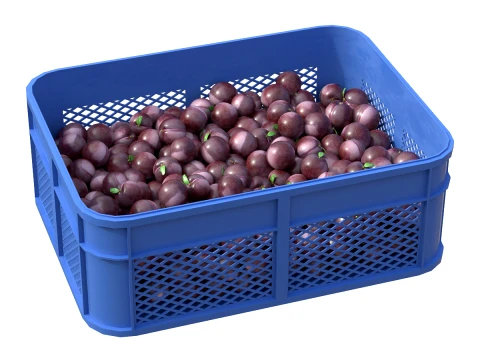
Wij hebben 1510 item(s) Royalty free 3D Modellen. This category contains a wide choice of Fruit 3D Models - Food. Any 3D Fruit model is available in .max, .obj, .c4d, .fbx, .dxf, .dwg, .stl, .iges, .3ds, .mb, .lwo, .3dm, .skp and .blend format. Some of them are ready for 3D Printing & Games. Also you will find a great number of models in Beverage and Miscellaneous categories.



Populaire zoekopdrachten 3D Modellen:
Standbeelden 3D Modellen Karakters 3D Modellen Keuken 3D Modellen Paard 3D Modellen Architechturale ontwerpen 3D Modellen Telefoon en mobiel 3D Modellen Groente 3D Modellen Juwelen 3D Modellen Speelgoed 3D Modellen Medisch 3D Modellen Helikopter 3D Modellen Zware wapens 3D Modellen Vrachtwagen 3D Modellen Anatomie 3D ModellenWat zorgt ervoor dat de 3D-modellen van fruit uit 2026 er realistischer uitzien dan eerdere versies?
De sprong voorwaarts in het realisme van fruit is te danken aan het wijdverbreide gebruik van fotogrammetrie met hoge resolutie en "Subsurface Scattering" (SSS). In 2026 worden vruchten zoals druiven, sinaasappels en bessen zo gemodelleerd dat licht het oppervlak kan doordringen en binnen het vruchtvlees kan verstrooien, waardoor die kenmerkende organische "gloed" ontstaat. We maken ook gebruik van "Micro-Displacement" om de specifieke poriënstructuur van citrusschillen of het fijne dons op een perzik vast te leggen. Dit zorgt ervoor dat het fruit er zelfs op extreme macro-afstanden tastbaar echt uitziet, wat een vereiste is voor moderne boodschappenapps en 4K-voedselcinematografie.
Worden de vruchten in verschillende rijpheidsstadia aangeboden?
Ja, de collectie van 2026 benadrukt 'dynamische rijpheid' door middel van gespecialiseerde textuursets. Eén fruitmodel kan maps bevatten voor de statussen 'vers', 'rijp' en 'licht beschadigd'. Dit wordt bereikt door middel van 'maskergebaseerde' texturering, waardoor de gebruiker kleuren kan mengen om te laten zien hoe een banaan van groen naar geel verandert. Dit niveau van variatie is essentieel voor ArchViz-artiesten die "geleefde" keukenscènes willen creëren of voor gezondheidsgerichte educatieve inhoud waarbij de ontwikkeling van de voedselkwaliteit visueel met wetenschappelijke nauwkeurigheid moet worden gedemonstreerd.
Hoe wordt de interne structuur van gesneden fruit gemodelleerd?
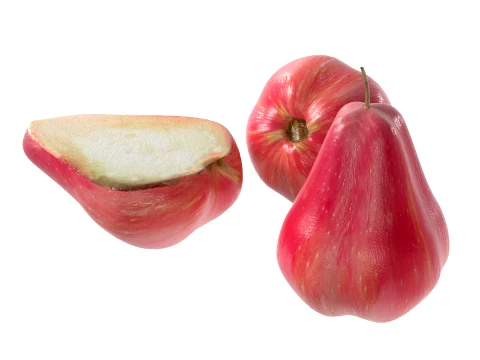
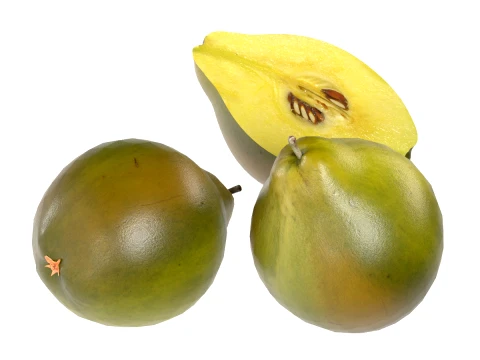
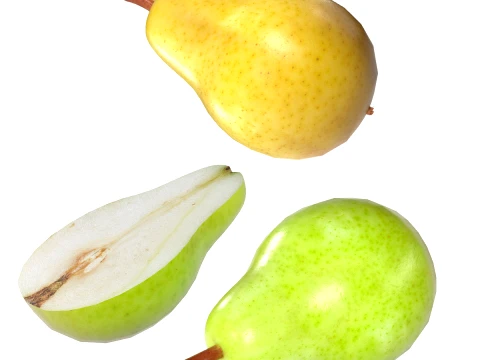
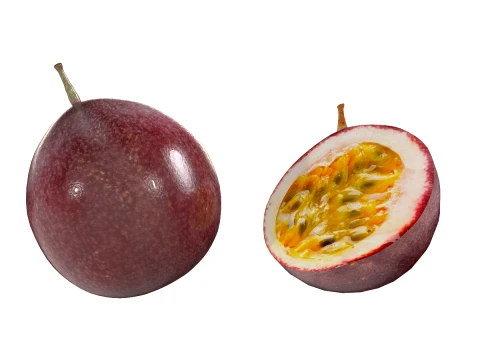
Voor 2026 omvat de categorie Fruit een breed scala aan "Half-Cut" en "Sliced" modellen. Deze assets beschikken over zeer gedetailleerde interne geometrie, zoals de vezelige kern van een ananas of de zaadholtes van een aardbei. De interne shaders zijn zeer gedetailleerd en bevatten "Wetness"-maps die het glinsterende sap op het oppervlak van de plak simuleren. Deze "Juice-Layer" maakt gebruik van een aparte refractieve shader om realistische lichtreflecties te creëren, waardoor gesneden fruit er vers en smakelijk uitziet in hoogwaardige culinaire visualisaties en restaurantmenu-renders.
Bevatten deze modellen "Waxy" en "Dusty" oppervlakte-effecten?
Authentieke fruitoppervlakken zijn zelden uniform, en onze 2026-modellen geven dit weer via "Secondary Roughness"-maps. Een appelmodel bevat bijvoorbeeld een "Wax"-laag die kan worden gepolijst of besmeurd, terwijl een pruim of druif een "Bloom"- of "Dusty"-laag heeft die de natuurlijke gistlaag nabootst. Deze effecten worden verwerkt via "Layered PBR"-shaders, waardoor de artiest de "netheid" van het fruit kan aanpassen, afhankelijk van of het in een mand met vers fruit van de boerderij of in een gepolijste supermarktdisplay hoort te liggen.
Zijn fruit-assets geoptimaliseerd voor "grootschalige" verspreiding in ArchViz?
Ondanks het hoge detailniveau zijn de fruitmodellen van 2026 gebouwd voor "Instancing Performance". We bieden "Proxy-LOD's" voor scènes die honderden stuks fruit vereisen, zoals een marktkraam of een grote decoratieve schaal. Deze versies maken gebruik van "Normal Map Transfer" om het uiterlijk van high-poly details te behouden, terwijl het werkelijke aantal polygonen laag blijft. Dit zorgt ervoor dat uw viewport responsief blijft, zelfs met duizenden individuele bessen of druiven in de scène, wat essentieel is voor professionele architecturale visualisatie en grootschalig omgevingsontwerp.