


 English
 Español
 Deutsch
 日本語
日本語 Polska
 Français
 한국의
한국의 Українська
 Italiano
 Türkçe
 Português
 Bahasa Indonesia
 Русский
 中國
中國 हिंदी
हिंदी
















Andere - Karakters 3D Modellen
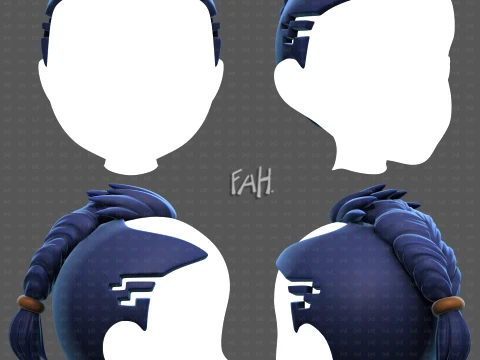
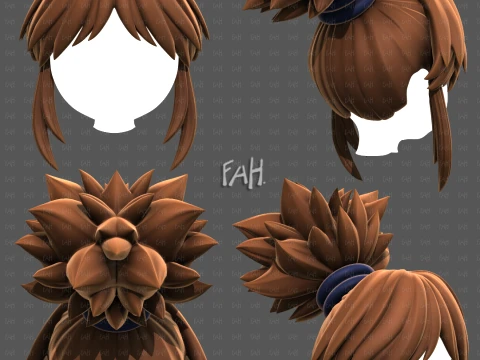
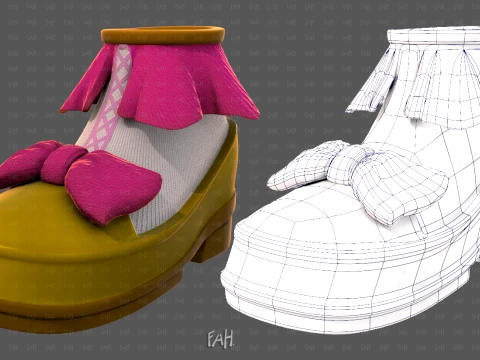
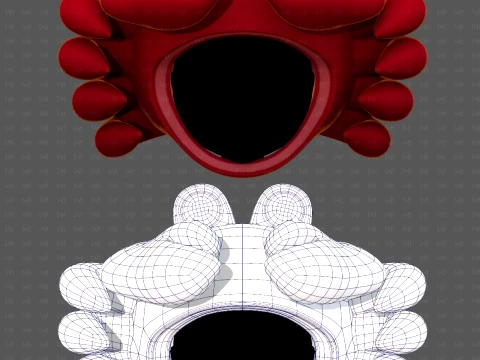
Wij hebben 1725 item(s) Royalty free 3D Modellen. This category contains a wide choice of Other characters 3D Models - Characters. Any 3D Other People and Sci-fi model is available in .max, .obj, .c4d, .fbx, .dxf, .dwg, .stl, .iges, .3ds, .mb, .lwo, .3dm, .skp and .blend format. Some of them are ready for 3D Printing & Games. Also you will find a great number of models in Woman and Anatomy categories.
 RevereelStudioOther

























Populaire zoekopdrachten 3D Modellen:
Standbeelden 3D Modellen Karakters 3D Modellen Keuken 3D Modellen Paard 3D Modellen Architechturale ontwerpen 3D Modellen Telefoon en mobiel 3D Modellen Groente 3D Modellen Juwelen 3D Modellen Speelgoed 3D Modellen Medisch 3D Modellen Helikopter 3D Modellen Zware wapens 3D Modellen Vrachtwagen 3D Modellen Anatomie 3D ModellenWelke soorten assets zijn te vinden in de personagecategorie "Overig" voor 2026?
De categorie "Overige" is het creatieve grensgebied van 3D-personageontwerp en bevat assets die niet onder de standaardclassificaties voor mensachtigen of wezens vallen. Dit omvat "abstracte avatars" voor metaverses, "merkmascottes" met afwijkende verhoudingen, "voxel"-personages en "elementaire wezens" (gemaakt van vuur, water of energie). In 2026 is deze categorie erg populair onder avant-gardistische digitale kunstenaars en VR-social-ontwikkelaars die verder willen gaan dan de traditionele 'menselijke' vorm. Deze modellen hebben vaak experimentele geometrie en niet-lineaire rigs, wat het unieke 'visuele DNA' biedt dat nodig is voor artistieke projecten die surrealistisch, futuristisch of sterk gestileerd willen zijn.
Hoe worden rigs behandeld voor niet-humanoïde of abstracte 'Overige'-personages?
Ondanks hun ongebruikelijke vormen zijn 'Andere' personages gebouwd voor productie. Voor personages die nog steeds een 'hoofd-en-ledematen'-structuur hebben, bieden we rigs die compatibel zijn met standaard animatieretargeting. Voor echt abstracte vormen – zoals een zwevende wolk van geometrische scherven of een veelpotige klodder – worden de modellen geleverd met 'Custom Rigs' en een reeks 'Signature Animations'. Deze rigs maken vaak gebruik van "Spline-IK" en "Procedural Deformers" om ervoor te zorgen dat bewegingen vloeiend en organisch overkomen. Deze technische voorbereiding zorgt ervoor dat zelfs het vreemdste wezen "klaar is voor animatie" op het moment dat het wordt geïmporteerd, waardoor de gebruiker uren aan complexe technische instellingen voor niet-standaard geometrie bespaart.
Zijn deze modellen geoptimaliseerd voor "Metaverse"- en "VR Social"-platforms?
Ja, een aanzienlijk deel van de categorie "Overige" is geoptimaliseerd voor platforms zoals VRChat, Horizon Worlds en opkomende metaverses van 2026. Deze assets worden geleverd als "Performance-Ranked"-modellen, met een laag aantal draw-calls en geoptimaliseerde polygoonverdelingen. Veel beschikken over "Vertex Animation" of "Shader-Based" bewegingen, wat complexe, pulserende of verschuivende effecten mogelijk maakt die de skeletverwerking van de CPU niet belasten. Dit maakt ze ideaal voor gebruikers die willen opvallen in virtuele ruimtes met een unieke, krachtige avatar die er visueel complex uitziet, maar licht genoeg blijft om soepel te worden weergegeven op standalone VR-hardware.
Hoe werken materialen en shaders voor "Energy-Based" of "Elemental" personages?
Elementaire personages in deze categorie maken gebruik van de "VFX-as-a-Character"-filosofie van 2026. In plaats van traditionele texturen vertrouwen deze modellen op "Refractive Shaders", "VDB Volumes" en "Animated Emissive Maps". Een "Spirit"-personage kan bijvoorbeeld een combinatie van Fresnel-transparantie en interne deeltjesemitters gebruiken om een spookachtig, gloeiend uiterlijk te creëren. Deze shaders zijn vaak "reactief", wat betekent dat de gloed of kleur kan worden gekoppeld aan de bewegingssnelheid of het stemvolume van het personage. Dit zorgt voor een niveau van interactieve "visuele magie" dat essentieel is voor high-fantasy-games, muziekvideo's en meeslepende kunstinstallaties waarin het personage letterlijk een manifestatie van licht of energie is.
Kunnen "Overige" personages worden gebruikt voor bedrijfsmascottes en merkidentiteit?
Absoluut. De categorie 'Andere' is een primaire bron voor bedrijven die 'virtuele merkambassadeurs' ontwikkelen. Deze modellen zijn ontworpen om 'iconisch' en 'gedenkwaardig' te zijn, met gedurfde vormen en vriendelijke proporties. In 2026 worden deze mascottes vaak geleverd met 'AI-integratie'-sjablonen, waardoor ze kunnen dienen als het visuele gezicht van een chatbot of klantenservice-interface. De assets omvatten een breed scala aan "uitdrukkingssets" en "interactiehoudingen", waardoor de mascotte de merkwaarden effectief kan overbrengen via het web, sociale media en AR-toepassingen, en een consistente en boeiende "karaktergedreven" merkervaring biedt.