


 English
 Español
 Deutsch
 日本語
日本語 Polska
 Français
 한국의
한국의 Українська
 Italiano
 Türkçe
 Português
 Bahasa Indonesia
 Русский
 中國
中國 हिंदी
हिंदी
















Architecturale elementen 3D Modellen
Wij hebben 22847 item(s) Royalty free 3D Modellen. Wij bieden een uitgebreide collectie 3d architectuurmodellen voor elk soort project. U kunt modellen vinden van MAX, C4D, BLEND, FBX, STL en OBJ, GLTF formaten. Blader door de volledige collectie en je vindt zeker iets bruikbaars in de categorieën 3D architecturale interieurmodellen en 3D automodellen
- -50%
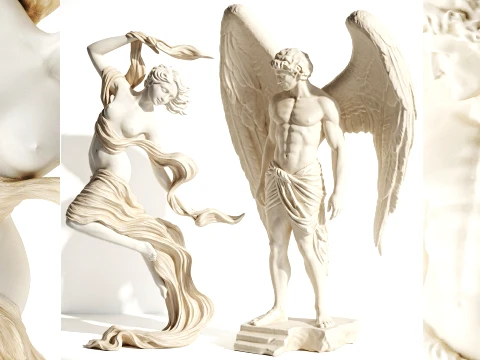 deckoratorSculpture
 - -50%
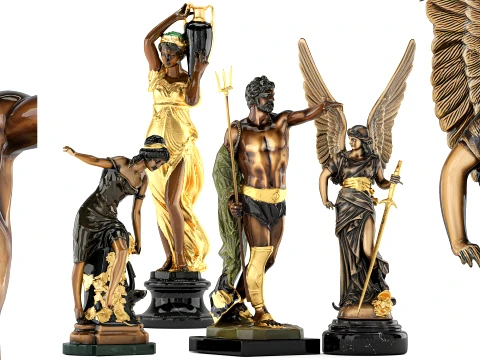 deckoratorSculpture
 - -50%
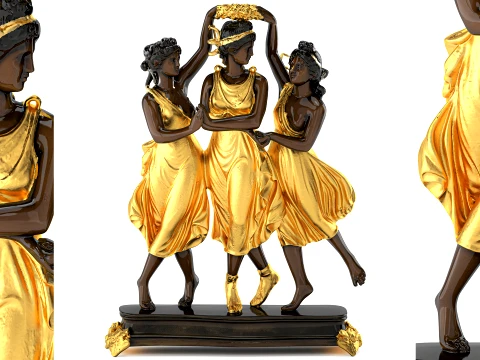 deckoratorSculpture
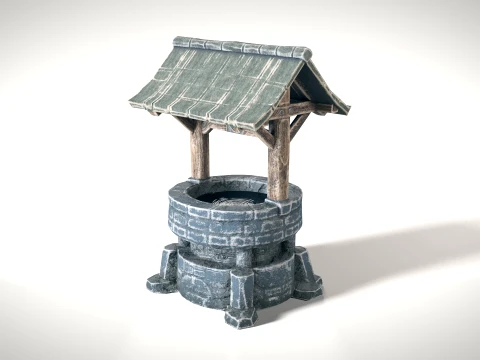



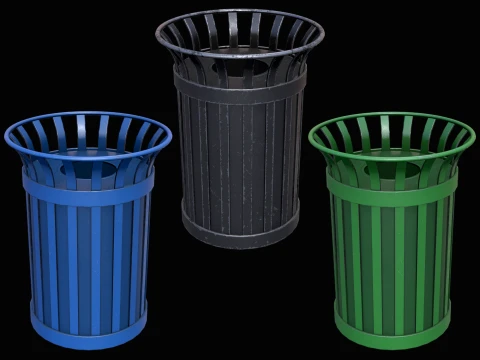

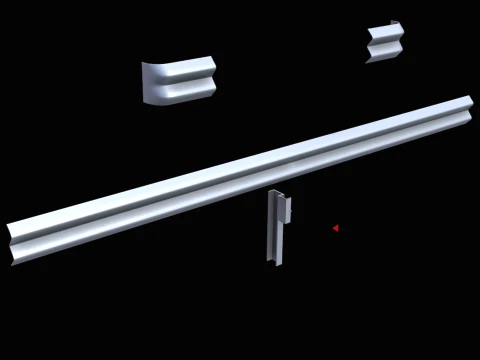
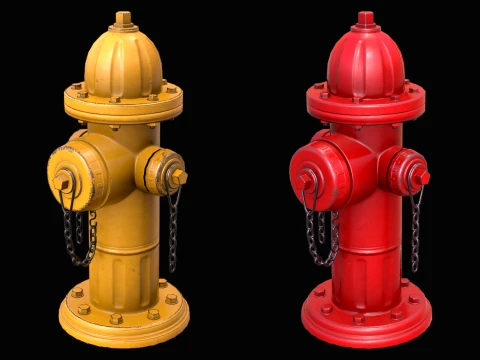
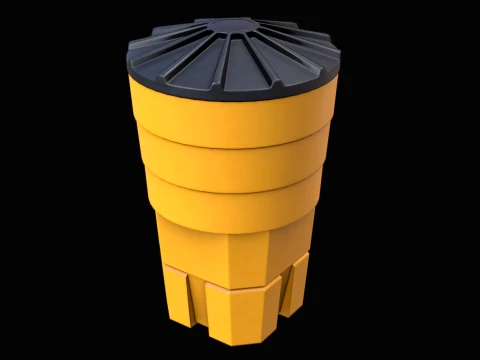







Populaire zoekopdrachten 3D Modellen:
Standbeelden 3D Modellen Karakters 3D Modellen Keuken 3D Modellen Paard 3D Modellen Architechturale ontwerpen 3D Modellen Telefoon en mobiel 3D Modellen Groente 3D Modellen Juwelen 3D Modellen Speelgoed 3D Modellen Medisch 3D Modellen Helikopter 3D Modellen Zware wapens 3D Modellen Vrachtwagen 3D Modellen Anatomie 3D ModellenWat zijn de technische normen voor architecturale elementen in 2026?
In 2026 zullen architecturale 3D-modellen naar verwachting meer zijn dan alleen visuele omhulsels; ze worden steeds meer geïntegreerd met BIM-normen (Building Information Modeling). Hoogwaardige assets in deze categorie beschikken over "Clean Geometry" met niet-overlappende UV's en worden vaak geleverd in formaten zoals IFC of Revit-compatibele FBX. Voor visuele weergave zijn PBR-materialen (Physically Based Rendering) een must, waarbij gebruik wordt gemaakt van 4K- of 8K-texturen voor Albedo-, Normal- en Roughness-maps om realistische stenen, houten en metalen oppervlakken te simuleren. Dit zorgt ervoor dat één enkel element kan worden gebruikt vanaf de eerste conceptuele ontwerpfase tot aan de uiteindelijke fotorealistische marketingrender of VR-walkthrough. De geometrie is geoptimaliseerd voor "Real-Time Global Illumination", waardoor deze assets perfect zijn voor moderne engines zoals Unreal Engine 5 of Lumion 2026.
Hoe wordt modulariteit aangepakt in architecturale 3D-assets?
Modulariteit is een kernvereiste voor workflows in 2026. De meeste architecturale elementen, zoals kolommen, lijsten en panelen, zijn ontworpen om "vast te klikken". Dit betekent dat ze standaard metrische of imperiale afmetingen gebruiken en dat hun draaipunten nauwkeurig zijn geplaatst op de hoeken of in het midden onderaan. Hierdoor kunnen architecten en levelontwerpers snel complexe structuren samenstellen door componenten te dupliceren en aan elkaar te klikken zonder openingen of overlappende meshes. Of u nu een klassieke kathedraal of een moderne wolkenkrabber bouwt, deze modulaire kits verkorten de productietijd aanzienlijk en zorgen tegelijkertijd voor een consistente esthetiek in het hele architecturale project. De meeste kits bevatten ook 'hoekstukken' en 'eindkappen' om naadloze overgangen in complexe geometrische lay-outs te garanderen.
Kunnen deze architecturale elementen worden gebruikt voor VR- en AR-rondleidingen?
Absoluut. In 2026 is de vraag naar meeslepende architecturale ervaringen groter dan ooit. Onze modellen zijn geoptimaliseerd met een uitgebalanceerd aantal polygonen en efficiënte LOD-systemen (Level of Detail), waardoor ze ideaal zijn voor VR-headsets zoals de Apple Vision Pro of Meta Quest 4. Omdat ze gebruikmaken van PBR-workflows, reageren materialen realistisch op dynamische belichting binnen VR-omgevingen. Bovendien bevatten veel elementen vereenvoudigde "Collision Meshes", waardoor gebruikers door digitale ruimtes kunnen lopen zonder door muren of meubilair heen te gaan. Deze technische paraatheid zorgt voor een soepele ervaring met een hoge framesnelheid, wat essentieel is om bewegingsziekte in VR te voorkomen en een professioneel gevoel van aanwezigheid te bieden bij virtuele rondleidingen door onroerend goed.
Zijn de materialen aanpasbaar voor verschillende interieurstijlen?
Ja, aanpassing is een prioriteit in onze collectie voor 2026. Veel architecturale elementen worden geleverd met "Multi-Material"-configuraties, waardoor gebruikers gemakkelijk texturen kunnen wisselen. Zo kan aan één enkel kroonlijstmodel een houten, pleister- of metalen shader worden toegewezen zonder de geometrie te wijzigen. Bovendien bieden veel makers "Substance" (.sbsar)-bestanden of gelaagde PSD's aan, waardoor procedurele aanpassingen aan parameters zoals "Vuil", "Leeftijd" of "Verfkleur" mogelijk zijn. Hierdoor kunnen architecten een unieke uitstraling voor elk project behouden terwijl ze een consistente bibliotheek met basisassets gebruiken, wat het creatieve iteratieproces tijdens de ontwerpontwikkelingsfase aanzienlijk versnelt.
Hoe integreren architecturale elementen met moderne verlichtingssystemen?
Moderne architecturale rendering is sterk afhankelijk van fysieke nauwkeurigheid. Onze 2026-modellen zijn gebouwd om correct te interageren met IES (Illumination Engineering Society) lichtprofielen. Elementen zoals verlichtingsarmaturen, verzonken plafonds en raamkozijnen zijn ontworpen met nauwkeurige "Emissive"-materialen en "Light Portals". Dit zorgt ervoor dat lichtreflecties en schaduwen zich precies zo gedragen als in een echt gebouw. Bovendien worden de UV-maps zorgvuldig uitgepakt om "Lightmap Leaks" of "Light Bleed" te voorkomen, wat essentieel is voor hoogwaardig "Baking" in engines zoals Unity of voor realtime ray-tracing in professionele ArchViz-software, waardoor een realiteitsniveau wordt geboden dat zelfs de meest veeleisende klanten tevreden stelt.