


 English
 Español
 Deutsch
 日本語
日本語 Français
 한국의
한국의 Українська
 Italiano
 Nederlands
 Türkçe
 Português
 Bahasa Indonesia
 Русский
 中國
中國 हिंदी
हिंदी
















Elementy Architektoniczne Modele 3D
Mamy 22851 produkty/ów Bez opłat licencyjnych Modele 3D. Oferujemy szeroką kolekcję modeli architektonicznych 3D dla każdego rodzaju projektu. Można znaleźć modele MAX, C4D, BLEND, FBX, STL oraz OBJ, formaty GLTF. Przejrzyj całą kolekcję, a na pewno znajdziesz coś przydatnego w kategoriach 3D Architectural Interior Models i 3D Cars Models
- -50%
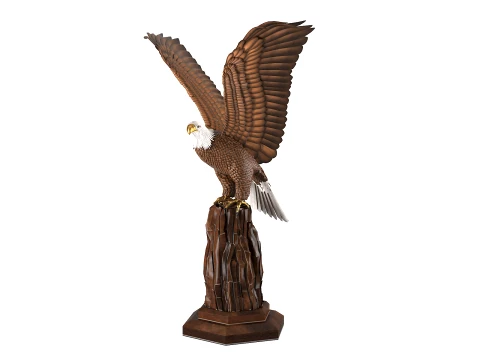
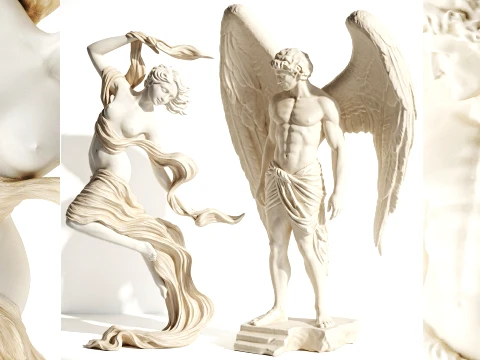 deckoratorSculpture
 - -50%
 deckoratorSculpture
 - -50%
 deckoratorSculpture
 - -50%
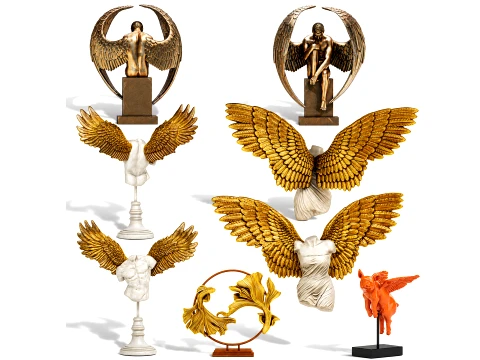 deckoratorSculpture
 - -50%
 deckoratorSculpture
 - -50%
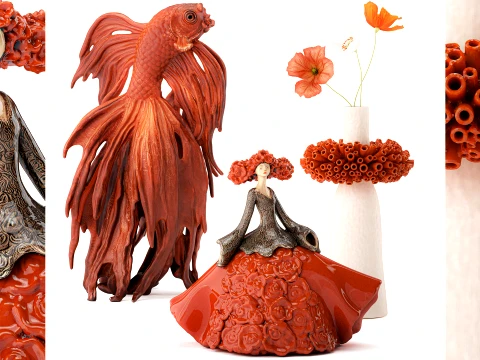 deckoratorSculpture
 - -50%
 deckoratorSculpture
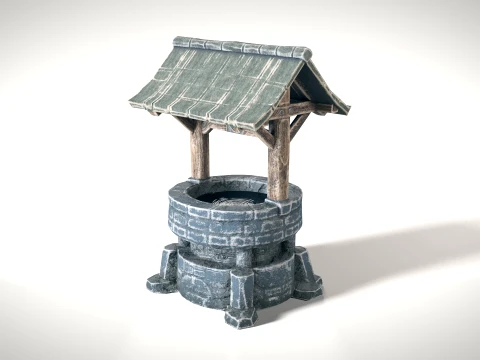
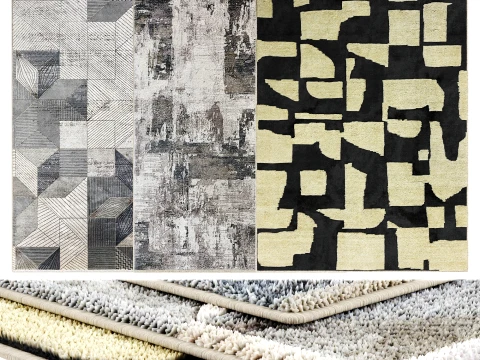
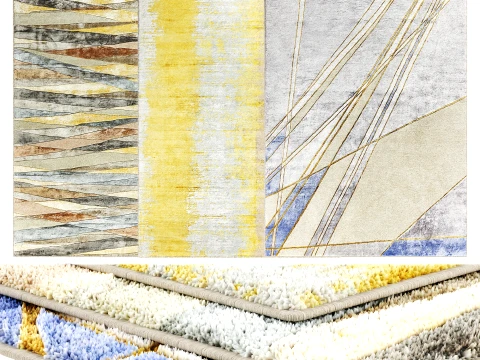
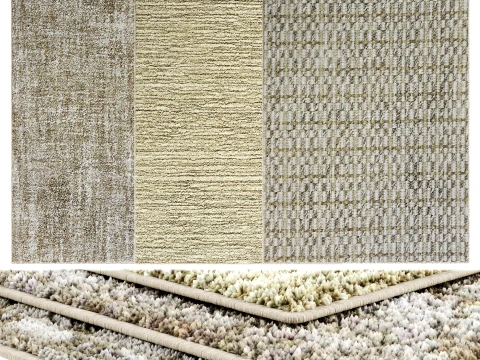
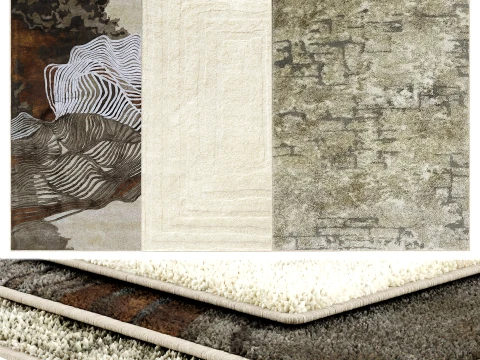













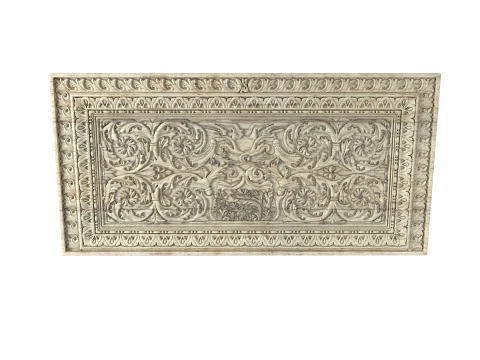
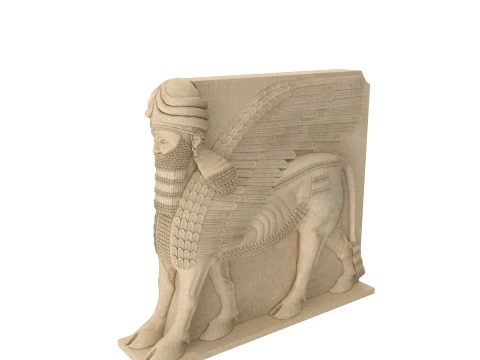
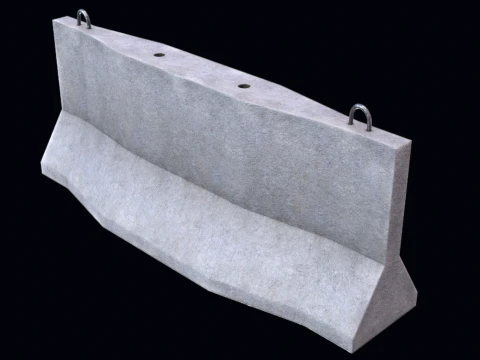
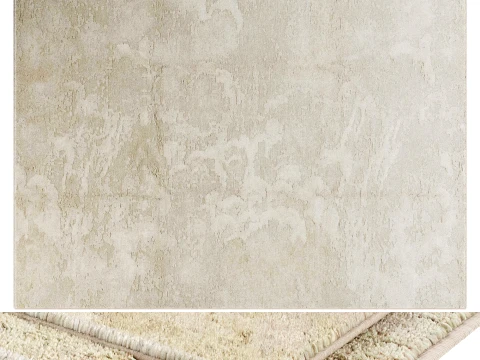

Popularne wyszukiwania Modele 3D:
Rzeźba Modele 3D Postacie Modele 3D Kuchnia Modele 3D Koń Modele 3D Architektoniczne Zewnątrz Modele 3D Telefon i Komórkowy Modele 3D Warzywo Modele 3D Biżuteria Modele 3D Zabawki Modele 3D Medyczny Modele 3D Śmigłowiec Modele 3D Ciężka Broń Modele 3D Ciężarówka Modele 3D Anatomia Modele 3DJakie są standardy techniczne dla elementów architektonicznych w 2026 roku?
W 2026 roku oczekuje się, że architektoniczne modele 3D będą czymś więcej niż tylko wizualnymi powłokami; są one coraz bardziej zintegrowane ze standardami BIM (Building Information Modeling). Wysokiej jakości zasoby w tej kategorii charakteryzują się „czystą geometrią” z nie nakładającymi się siatkami UV i są często dostarczane w formatach takich jak IFC lub FBX kompatybilnym z Revitem. Do renderowania wizualnego niezbędne są materiały PBR (Physically Based Rendering), wykorzystujące tekstury 4K lub 8K dla map albedo, normalnych i chropowatości w celu symulacji realistycznych powierzchni kamiennych, drewnianych i metalowych. Dzięki temu pojedynczy element może być wykorzystywany od początkowej fazy projektowania koncepcyjnego aż po końcowy fotorealistyczny rendering marketingowy lub wirtualną prezentację VR. Geometria jest zoptymalizowana pod kątem obsługi „Real-Time Global Illumination”, co sprawia, że zasoby te idealnie nadają się do nowoczesnych silników, takich jak Unreal Engine 5 lub Lumion 2026.
Jak wygląda kwestia modułowości w architektonicznych zasobach 3D?
Modularność jest podstawowym wymogiem dla procesów roboczych w 2026 roku. Większość elementów architektonicznych, takich jak kolumny, listwy i panele, została zaprojektowana tak, aby można je było „przyłączać”. Oznacza to, że wykorzystują one standardowe wymiary metryczne lub imperialne, a ich punkty obrotu są precyzyjnie umieszczone w rogach lub w środkowej części dolnej krawędzi. Pozwala to architektom i projektantom poziomów na szybkie składanie złożonych konstrukcji poprzez powielanie i przyłączanie komponentów bez szczelin i nakładania się siatki. Niezależnie od tego, czy budujesz klasyczną katedrę, czy nowoczesny wieżowiec, te modułowe zestawy znacznie skracają czas produkcji, zachowując spójną estetykę w całym projekcie architektonicznym. Większość zestawów zawiera również „elementy narożne” i „nakładki końcowe”, które zapewniają płynne przejścia w złożonych układach geometrycznych.
Czy te elementy architektoniczne mogą być wykorzystywane do wirtualnych spacerów w VR i AR?
Oczywiście. W 2026 roku popyt na wciągające doświadczenia architektoniczne osiąga najwyższy poziom w historii. Nasze modele są zoptymalizowane pod kątem zrównoważonej liczby wielokątów i wydajnych systemów LOD (poziomu szczegółowości), dzięki czemu idealnie nadają się do gogli VR, takich jak Apple Vision Pro czy Meta Quest 4. Ponieważ wykorzystują one procesy PBR, materiały reagują realistycznie na dynamiczne oświetlenie w środowiskach VR. Ponadto wiele elementów zawiera uproszczone „siatki kolizji”, co pozwala użytkownikom poruszać się po cyfrowych przestrzeniach bez przechodzenia przez ściany lub meble. Ta gotowość techniczna zapewnia płynne wrażenia przy wysokiej częstotliwości odświeżania, co jest kluczowe dla zapobiegania chorobie lokomocyjnej w VR i zapewnienia profesjonalnego poczucia obecności podczas wirtualnych wycieczek po nieruchomościach.
Czy materiały można dostosować do różnych stylów wystroju wnętrz?
Tak, dostosowywanie jest priorytetem w naszej kolekcji 2026. Wiele elementów architektonicznych jest wyposażonych w konfiguracje „Multi-Material”, co pozwala użytkownikom na łatwą zmianę tekstur. Na przykład do pojedynczego modelu listwy przypodłogowej można przypisać shader drewniany, gipsowy lub metaliczny bez zmiany geometrii. Ponadto wielu twórców udostępnia pliki „Substance” (.sbsar) lub warstwowe pliki PSD, umożliwiające proceduralne dostosowanie parametrów, takich jak „brud”, „wiek” czy „kolor farby”. Pozwala to architektom zachować unikalny wygląd każdego projektu przy jednoczesnym korzystaniu ze spójnej biblioteki zasobów bazowych, co znacznie przyspiesza proces iteracji twórczej na etapie opracowywania projektu.
W jaki sposób elementy architektoniczne integrują się z nowoczesnymi systemami oświetleniowymi?
Nowoczesne renderowanie architektoniczne w dużym stopniu opiera się na fizycznej dokładności. Nasze modele 2026 są skonstruowane tak, aby poprawnie współdziałać z profilami świetlnymi IES (Illumination Engineering Society). Elementy takie jak oprawy oświetleniowe, sufity podwieszane i ramy okienne są zaprojektowane z wykorzystaniem dokładnych materiałów „emisyjnych” i „portali świetlnych”. Zapewnia to, że odbicia światła i cienie zachowują się dokładnie tak, jak w prawdziwym budynku. Ponadto mapy UV są skrupulatnie rozpakowywane, aby uniknąć „wycieków mapy światła” lub „prześwitywania światła”, co jest niezbędne do wysokiej jakości „wypalania” w silnikach takich jak Unity lub do śledzenia promieni w czasie rzeczywistym w profesjonalnym oprogramowaniu ArchViz, zapewniając poziom realizmu, który zadowoli nawet najbardziej wymagających klientów.