


 English
 Español
 Deutsch
 日本語
日本語 Français
 한국의
한국의 Українська
 Italiano
 Nederlands
 Türkçe
 Português
 Bahasa Indonesia
 Русский
 中國
中國 हिंदी
हिंदी
















Nauki ścisłe 3D Modele Druku
Mamy 1091 produkty/ów Bez opłat licencyjnych Modele 3D. Znajdujesz się w kategorii „Nauka do druku 3D”, która jest zupełnie nową kolekcją różnego rodzaju modeli naukowych do druku 3D. Pobierz tutaj doskonałe modele naukowe do druku 3D z kategorii astronomia i fizyka, biologia, inżynieria i matematyka. Wszystkie modele naukowe do druku 3D są dostępne we wszystkich formatach 3D: .obj, .stl, .iges, .3dm, .skp, .fbx oraz .blend itp. Skontaktuj się z naszym zespołem pomocy technicznej, aby uzyskać potrzebny format. Wszystkie modele naukowe do druku 3D zostały stworzone przez profesjonalnych artystów. Będziesz pod ogromnym wrażeniem ich różnorodności i piękna. Przejrzyj całą kategorię i znajdź dokładnie to, czego potrzebujesz do drukowania 3D. Znajdź inne modele w kategoriach Miniatury do druku 3D i Modele terenu do druku 3D.
 seymen12234Engineering
 serhiishmEngineering
 serhiishmEngineering
 smtcnyrt2924Engineering
 3dfarmBiology
 yassinereyan807Biology
- -50%
 SCULP3DMODELBiology
 - -50%
 DavideContiAstronomy and Physics
  Mohamedyehia14Engineering
- -20%
 RoboticpartsEngineering
 - -40%
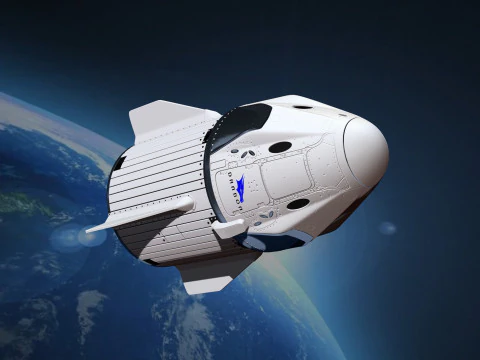 cody3dAstronomy and Physics
  jmdkamrulislam405Astronomy and Physics
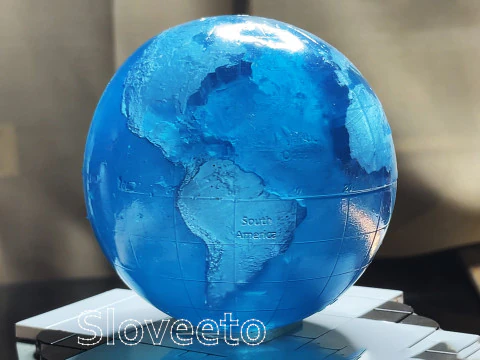 sloveetoAstronomy and Physics





























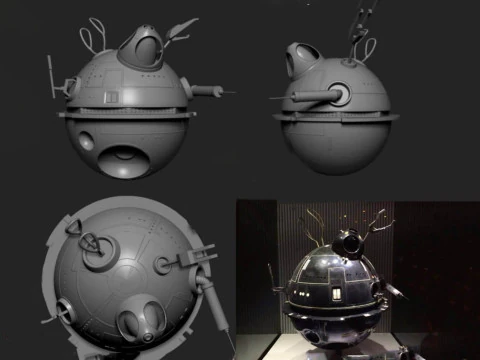


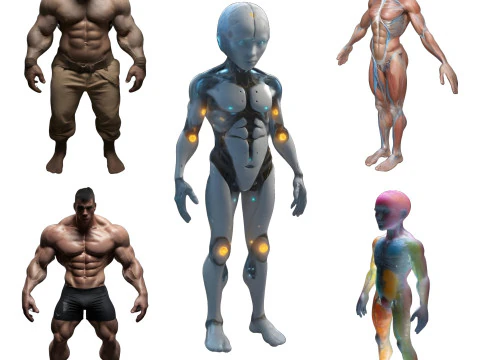





Popularne wyszukiwania Modele 3D:
Rzeźba Modele 3D Postacie Modele 3D Kuchnia Modele 3D Koń Modele 3D Architektoniczne Zewnątrz Modele 3D Telefon i Komórkowy Modele 3D Warzywo Modele 3D Biżuteria Modele 3D Zabawki Modele 3D Medyczny Modele 3D Śmigłowiec Modele 3D Ciężka Broń Modele 3D Ciężarówka Modele 3D Anatomia Modele 3DJaka jest dostępna różnorodność modeli naukowych i edukacyjnych?
Kategoria naukowa dla druku 3D to wyspecjalizowana biblioteka przeznaczona dla nauczycieli, badaczy i studentów. W 2026 roku oferujemy szeroki wybór modeli, od złożonych struktur molekularnych i nici DNA po bardzo szczegółowy sprzęt laboratoryjny, taki jak wirówki i mikroskopy. Oferujemy również dokładne repliki próbek geologicznych i historycznych wynalazków naukowych. Modele te są niezbędne do tworzenia namacalnych pomocy dydaktycznych, które pomagają wyjaśnić abstrakcyjne pojęcia z fizyki, chemii i biologii. Każdy plik został zaprojektowany z myślą o integralności strukturalnej, dzięki czemu nawet złożone kształty matematyczne lub delikatnie wyglądające wiązania molekularne są wystarczająco wytrzymałe, aby można było z nich korzystać w klasie i podczas demonstracji fizycznych.
Jak dokładne są modele anatomiczne i biologiczne?
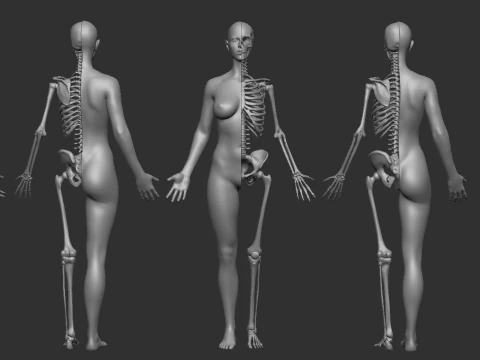
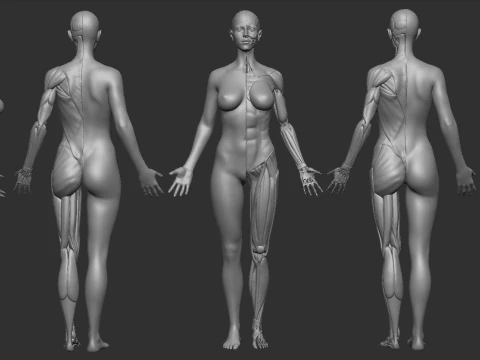
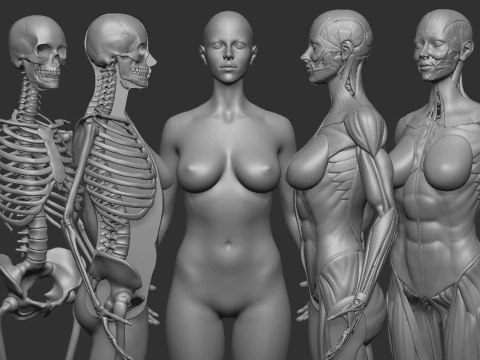
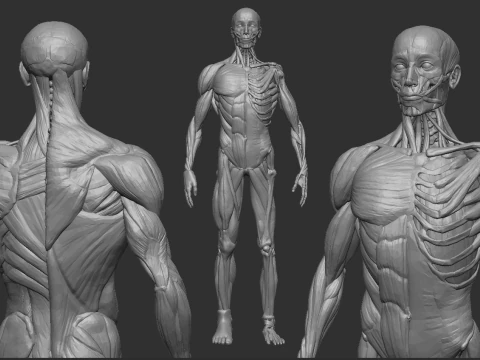
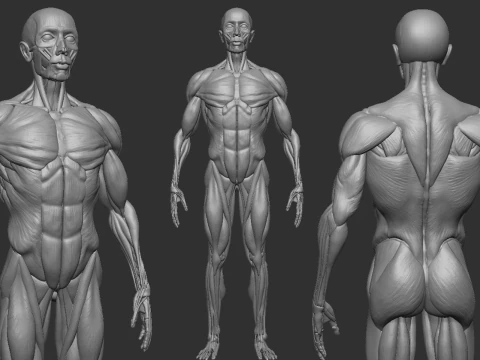
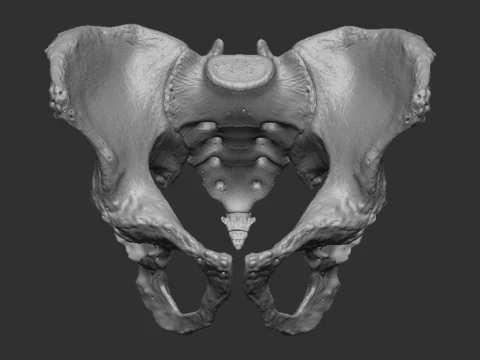
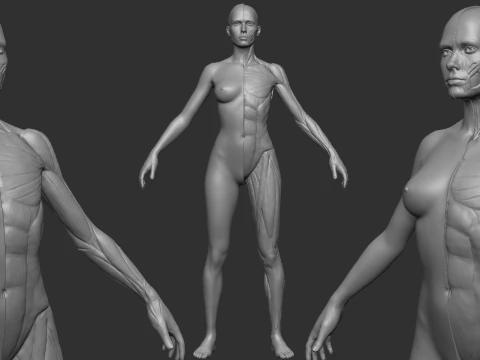
Dokładność to podstawowy wymóg stawiany modelom naukowym w 2026 roku, a nasza kolekcja obejmuje repliki anatomiczne opracowane na podstawie skanów medycznych o wysokiej rozdzielczości. Znajdziesz tu szczegółowe struktury kości ludzkich, układy narządów z przekrojami oraz mikroskopijne modele komórkowe. Zasoby te są niezbędne dla studentów medycyny i pracowników służby zdrowia, którzy potrzebują fizycznych prototypów do nauki lub edukacji pacjentów. Modele zostały zaprojektowane tak, aby były „biologicznie spójne” i odzwierciedlały rzeczywistą skalę oraz złożoność układów organicznych. Ten profesjonalny poziom szczegółowości gwarantuje, że wydruki 3D będą niezawodnymi narzędziami edukacyjnymi, które dokładnie odzwierciedlają skomplikowaną rzeczywistość biologii człowieka i zwierząt.
Czy modele te są zoptymalizowane pod kątem różnych technologii druku 3D?
Tak, nasze modele naukowe z 2026 roku są dostarczane w formatach kompatybilnych zarówno z drukarkami FDM, jak i drukarkami SLA na żywicę. Zapewniamy, że geometria jest „wielokrotna” i „szczelna”, co stanowi niezbędne wymagania techniczne dla udanego wydruku. W przypadku złożonych modeli molekularnych często udostępniamy wersje ze zintegrowanymi podporami lub modułowymi częściami, które można połączyć po wydrukowaniu. Dzięki temu proces produkcji jest bardziej niezawodny i pozwala na tworzenie wielobarwnych ekspozycji naukowych. Dostarczając zoptymalizowane pliki, pomagamy użytkownikom osiągnąć profesjonalne wyniki, niezależnie od tego, czy drukują solidne plastikowe koło zębate do eksperymentu fizycznego, czy delikatną, bardzo szczegółową strukturę białkową do prezentacji badawczej.
Czy mogę wykorzystać te modele do prototypowania sprzętu laboratoryjnego?
Oczywiście. Wiele z naszych modeli naukowych przedstawia standardowe elementy laboratoryjne, które mogą służyć jako podstawa do projektowania przemysłowego i prototypowania. W 2026 roku naukowcy często drukują w 3D niestandardowe uchwyty, wsporniki i specjalistyczne obudowy do swoich eksperymentów. Nasze modele zapewniają precyzyjne wymiary i tolerancje dopasowania niezbędne do współpracy z rzeczywistym sprzętem laboratoryjnym. Pozwala to na szybką iterację i tworzenie niestandardowych narzędzi naukowych za ułamek kosztów tradycyjnej produkcji. Jest to niezbędny zasób dla nowoczesnego laboratorium, gdzie możliwość szybkiego wytwarzania fizycznych części w oparciu o wysokiej jakości szablony 3D stanowi znaczącą przewagę w projektowaniu eksperymentów.
Jakie materiały do druku są zalecane do modeli naukowych?
Aby uzyskać najlepsze wyniki w 2026 r., zalecamy dobór materiałów w zależności od przeznaczenia modelu. W przypadku modeli anatomicznych wymagających drobnych szczegółów profesjonalnym wyborem jest żywica o wysokiej rozdzielczości. W przypadku funkcjonalnego sprzętu laboratoryjnego lub eksperymentów fizycznych wytrzymałe filamenty, takie jak PETG lub nylon, zapewniają niezbędną wytrzymałość i odporność chemiczną. W przypadku modeli edukacyjnych użycie filamentów z „kodowaniem kolorystycznym” może pomóc w rozróżnieniu różnych elementów cząsteczki lub różnych układów w modelu anatomicznym. Te wybory materiałów w połączeniu z naszymi plikami 3D o wysokiej wierności gwarantują, że Twoje wydruki naukowe będą nie tylko imponujące wizualnie, ale także funkcjonalne i nadające się do profesjonalnego użytku w środowiskach edukacyjnych i badawczych.