


 Español
 Deutsch
 日本語
日本語 Polska
 Français
 한국의
한국의 Українська
 Italiano
 Nederlands
 Türkçe
 Português
 Bahasa Indonesia
 Русский
 中國
中國 हिंदी
हिंदी
















Science 3D Print Models
We have 1109 item(s) Royalty free 3D Models. You are in the 3D Printable Science category which is a brand new collection of 3d printable science of different kinds. Here download an excellent 3d printable science model from the categories of Astronomy and Physics, Biology, Engineering, and Math. Any 3d printable science models is available in all 3d formats: .obj, .stl, .iges, .3dm, .skp, .fbx and .blend etc. Contact our Support team for the format you need. All the 3d printable science models are created by professional artists. You will be greatly impressed by their diversity and beauty. Check the whole category and find exactly what you need for your 3d printing. Find other models in Miniatures 3D Print Models and Terrain 3D Print Models categories.
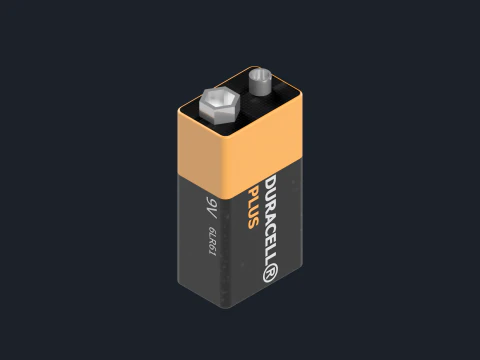
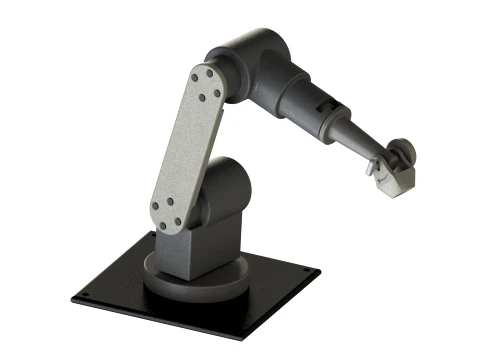 serhiishmEngineering
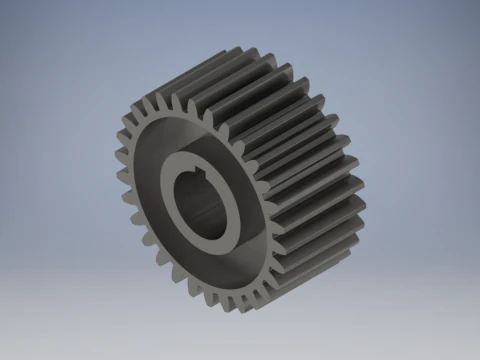
 smtcnyrt2924Engineering
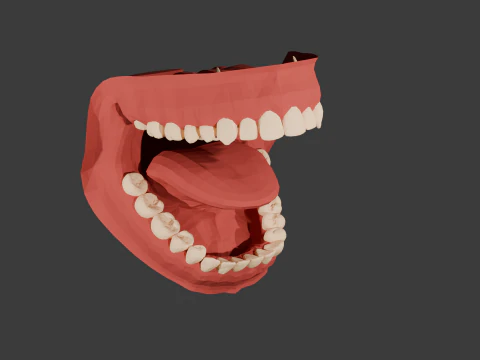
 yassinereyan807Biology
- -20%
 RoboticpartsEngineering




































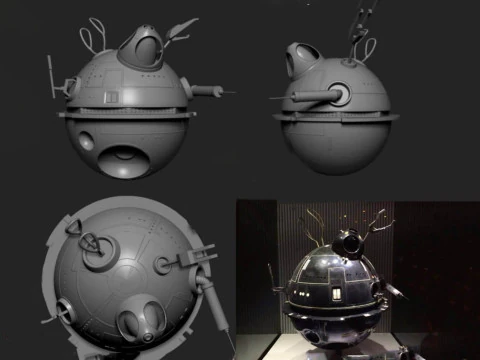

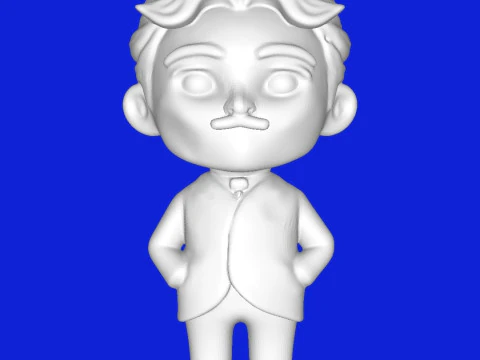

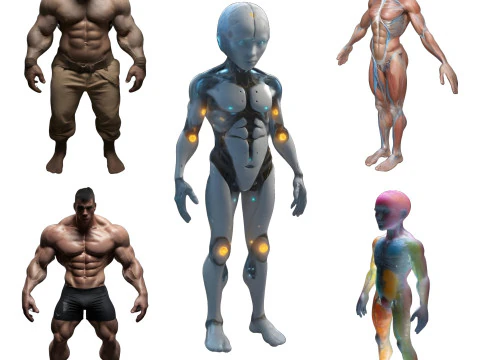
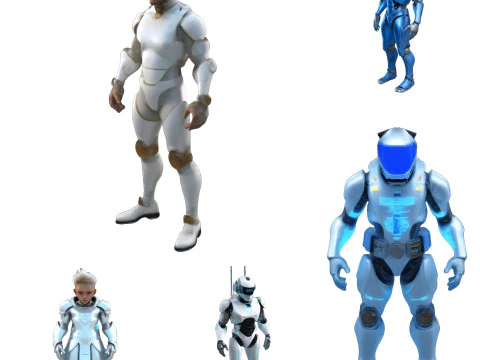

Trending searches 3D Models:
Sculpture 3D Models Characters 3D Models Kitchen 3D Models Horse 3D Models Architectural Exteriors 3D Models Phone and Cell Phone 3D Models Vegetable 3D Models Jewellery 3D Models Toys 3D Models Medical 3D Models Helicopter 3D Models Heavy Weapon 3D Models Truck 3D Models Anatomy 3D ModelsWhat variety of scientific and educational models is available?
The science category for 3D printing is a specialized library designed for educators, researchers, and students. In 2026, we feature a vast array of models ranging from complex molecular structures and DNA strands to high-detail laboratory equipment like centrifuges and microscopes. We also provide accurate replicas of geological samples and historical scientific inventions. These models are essential for creating tactile learning aids that help explain abstract concepts in physics, chemistry, and biology. Each file is engineered with structural integrity in mind, ensuring that even complex mathematical shapes or fragile-looking molecular bonds are durable enough for classroom handling and physical demonstration.
How accurate are the anatomical and biological models?
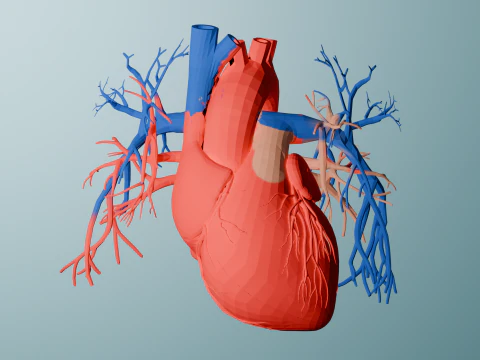
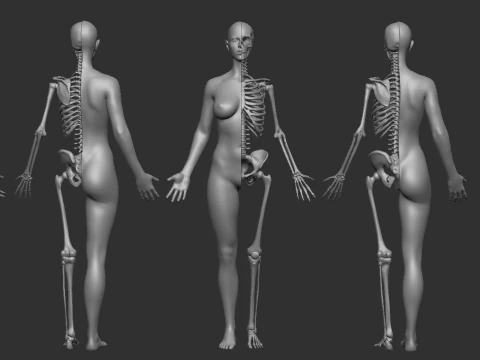
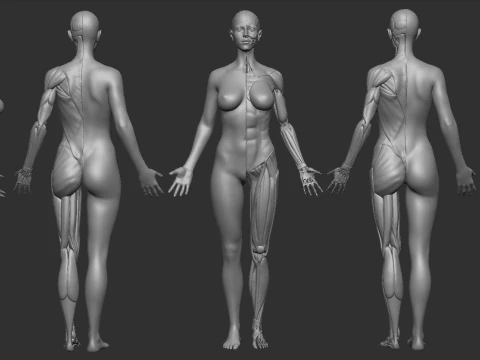
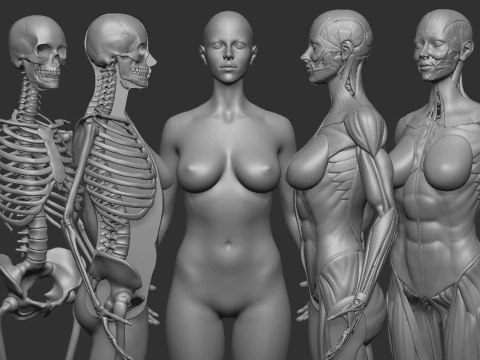
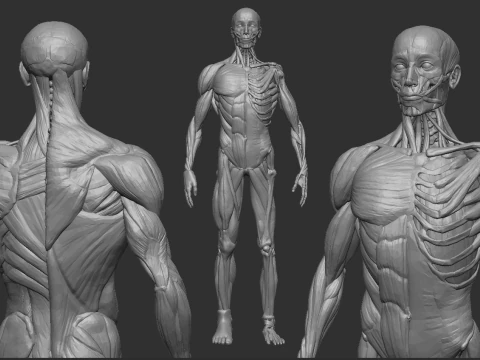
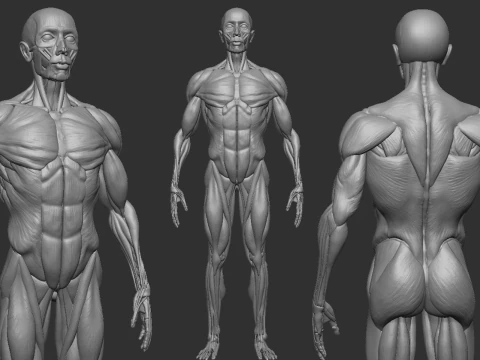
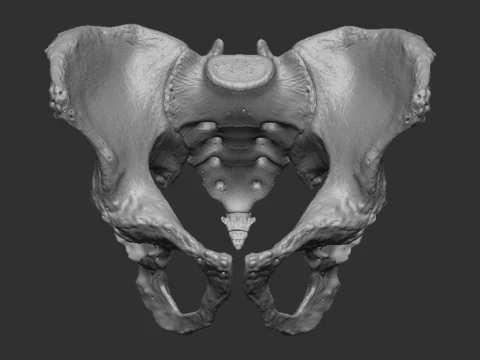
Accuracy is a primary requirement for 2026 scientific models, and our collection features anatomical replicas derived from high-resolution medical scans. You can find detailed human bone structures, organ systems with cross-sectional views, and microscopic cellular models. These assets are vital for medical students and healthcare professionals who need physical prototypes for study or patient education. The models are designed to be "biologically-consistent," representing the true scale and complexity of organic systems. This professional level of detail ensures that your 3D prints serve as reliable educational tools that accurately reflect the intricate reality of human and animal biology.
Are these models optimized for different 3D printing technologies?
Yes, our 2026 science models are provided in formats compatible with both FDM and resin-based SLA printers. We ensure the geometry is "manifold" and "watertight," which are essential technical requirements for a successful print. For complex molecular models, we often provide versions with integrated supports or modular parts that can be snapped together after printing. This makes the manufacturing process more reliable and allows for the creation of multi-colored scientific displays. By providing optimized files, we help users achieve professional results, whether they are printing a sturdy plastic gear for a physics experiment or a delicate, high-detail protein structure for a research presentation.
Can I use these models for lab equipment prototyping?
Absolutely. Many of our science models represent standardized laboratory components that can be used as a basis for industrial design and prototyping. In 2026, researchers often 3D print custom mounts, brackets, and specialized enclosures for their experiments. Our models provide the precise dimensions and fitting tolerances needed to interface with real-world lab gear. This allows for rapid iteration and the creation of bespoke scientific tools at a fraction of the cost of traditional manufacturing. It is a vital resource for the modern lab, where the ability to quickly produce physical parts based on high-quality 3D templates is a significant advantage in experimental design.
What printing materials are recommended for scientific models?
For the best results in 2026, we recommend choosing materials based on the model's purpose. For anatomical models that require fine detail, high-resolution resin is the professional choice. For functional lab gear or physics experiments, durable filaments like PETG or Nylon provide the necessary strength and chemical resistance. For educational models, using "color-coded" filaments can help distinguish different elements in a molecule or different systems in an anatomical model. These material choices, combined with our high-fidelity 3D files, ensure that your scientific prints are not only visually impressive but also functional and fit for professional use in educational and research environments.