


 Español
 Deutsch
 日本語
日本語 Polska
 Français
 한국의
한국의 Українська
 Italiano
 Nederlands
 Türkçe
 Português
 Bahasa Indonesia
 Русский
 中國
中國 हिंदी
हिंदी
















Clothing - Fashion 3D Print Models
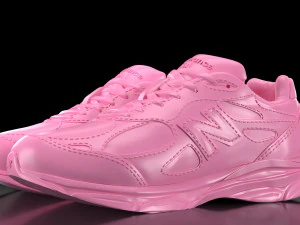
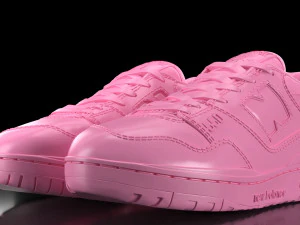
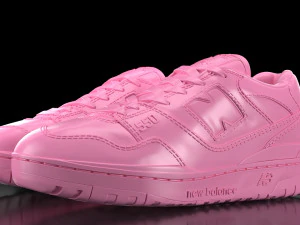
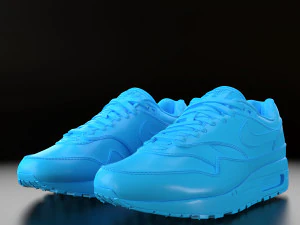
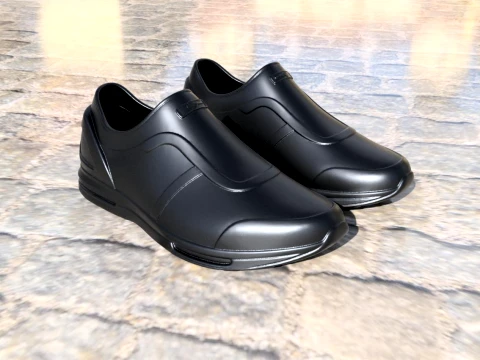
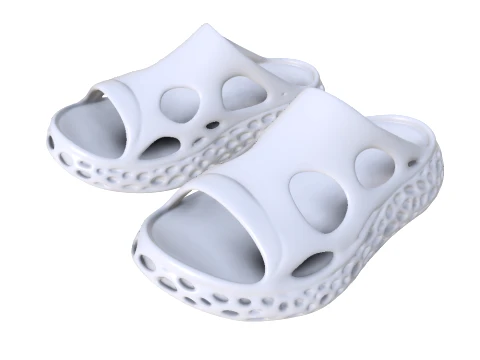
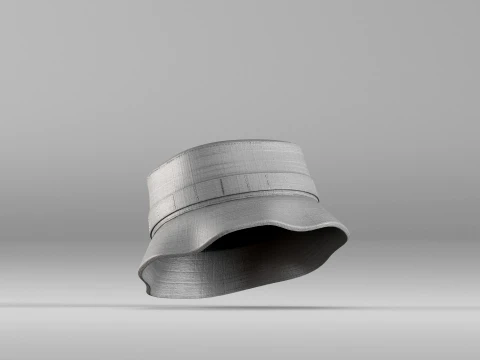
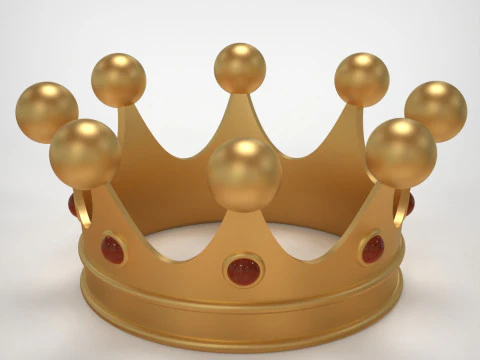
We have 160 item(s) Royalty free 3D Models. This category contains a wide choice of Clothing - 3D Printable Models. Any 3D Printable Clothing model is available in .obj, .stl, .iges, .3dm, .skp, .wrl and .blend format. All of these 3d print models are ready for 3D Printing. Also you will find a great number of 3d models in Belts and Glasses categories.
- -50%
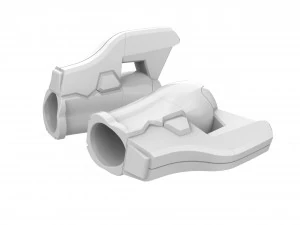 MakerLabClothing
 - -50%
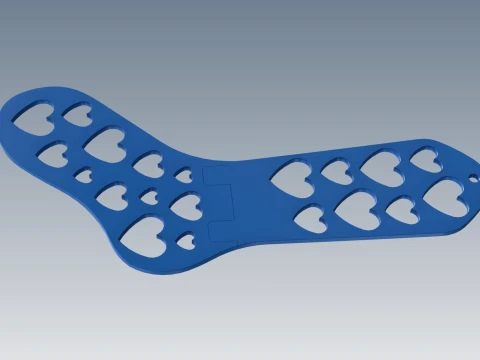 SolidFrameClothing
 - -50%
 SolidFrameClothing
 - -50%
 SolidFrameClothing
 - -50%
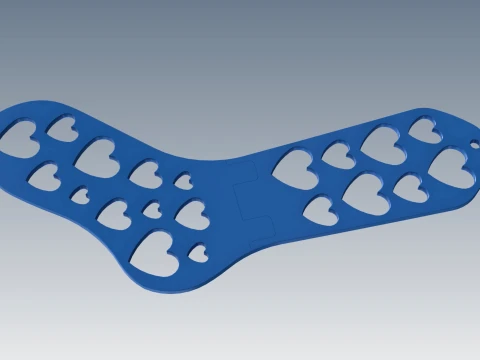 SolidFrameClothing
 - -50%
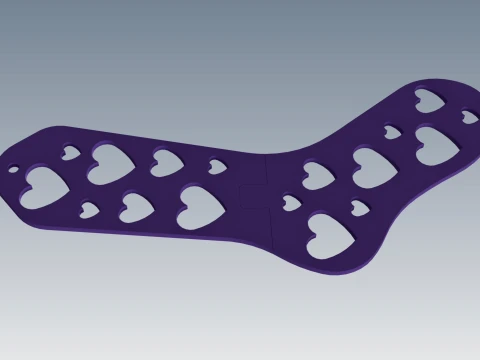 SolidFrameClothing
 - -50%
 SolidFrameClothing
 - -50%
 resitgumustenClothing
 - -50%
 resitgumustenClothing
 - -50%
 resitgumustenClothing
 - -50%
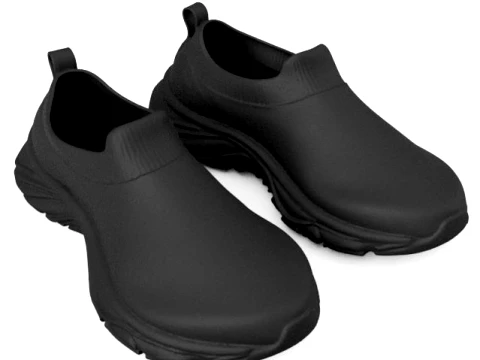 resitgumustenClothing
 - -50%
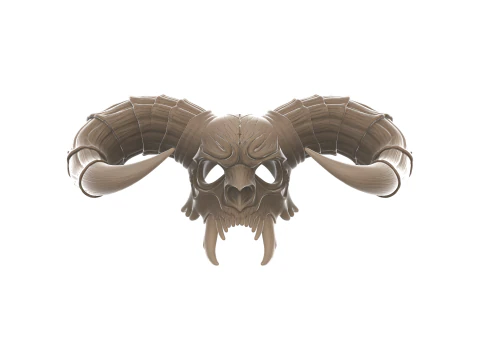 InventiveWorldClothing
 - -50%
 InterGalacticSupplyYardClothing
 - -50%
 InterGalacticSupplyYardClothing
 - -50%
 InterGalacticSupplyYardClothing









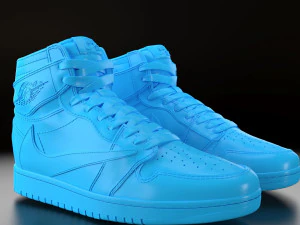

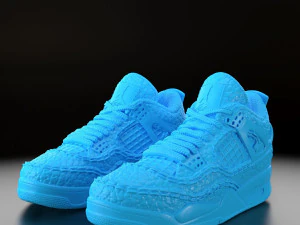
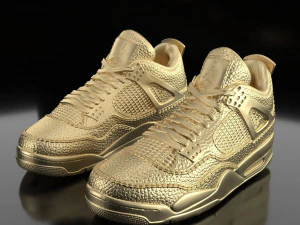

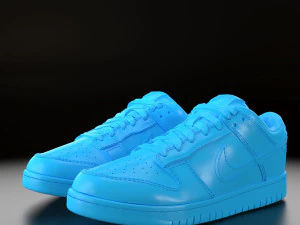
















Trending searches 3D Models:
Sculpture 3D Models Characters 3D Models Kitchen 3D Models Horse 3D Models Architectural Exteriors 3D Models Phone and Cell Phone 3D Models Vegetable 3D Models Jewellery 3D Models Toys 3D Models Medical 3D Models Helicopter 3D Models Heavy Weapon 3D Models Truck 3D Models Anatomy 3D ModelsHow is 3D printing used to create actual clothing?
In 2026, 3D printed clothing is primarily achieved through two methods: flexible chainmail-like fabrics and structural architectural panels. The chainmail models consist of hundreds of tiny interlocking rings or scales that are printed as a single, flexible sheet. This allows the material to drape over the body like traditional fabric. Structural panels, on the other hand, are used to create rigid elements like bodices, shoulder pieces, or decorative overlays for traditional textiles. These models allow designers to create silhouettes and textures that are entirely new to the fashion world, turning a 3D printer into a high-tech loom for the 21st century.
Is 3D printed clothing comfortable for long-term wear?
Comfort is a primary requirement for any wearable item, and our 2026 clothing models address this through careful geometry. Flexible chainmail structures are designed to be smooth against the skin and provide adequate ventilation. For more rigid pieces, we often include mounting points for soft liners or padding. Because these items can be custom-scaled to your exact body measurements, they often fit better than mass-produced clothing. By utilizing flexible filaments like TPU, we can create garments that move with the wearer, providing a level of comfort that balances the striking visual impact of digital manufacturing with the practical needs of daily wear.
Can I print full garments on a standard-sized 3D printer?
Most full 3D printed garments in 2026 are designed using a modular approach. The clothing is broken down into smaller panels or sections that fit on a standard print bed. These sections feature integrated attachment points—like snaps, zippers, or lacing holes—that allow them to be assembled into a complete garment after printing. This modularity also allows for multi-color designs and easy repairs; if one section of a 3D printed dress is damaged, you only need to reprint that specific panel. This makes large-scale fashion projects accessible to anyone with a desktop 3D printer and a bit of patience for assembly.
What role does "Wearable-Art" play in this category?
The clothing category is a major destination for avant-garde designers and cosplayers. We offer models for dramatic headpieces, articulated armor sets, and sculptural elements that transform the human form. These pieces are often used in high-fashion photography, theater, and cinema. 3D printing allows for the creation of intricate, non-linear shapes that are much lighter and more detailed than those made with traditional foam or plastic molding. These assets allow you to create "Statement-Pieces" that are truly unique, pushing the boundaries of what is considered clothing and turning the wearer into a walking piece of digital sculpture and modern art.
What are the best materials for printing flexible clothing?
TPU (Thermoplastic Polyurethane) is the standard material for 3D printed clothing in 2026 due to its incredible flexibility and durability. For chainmail structures, a TPU with a shore hardness of 85A to 95A provides the perfect balance of "Drape" and strength. For more structural or decorative panels, PLA or PETG can be used to achieve sharp details and a wide range of colors. Some designers are also experimenting with "Bio-Based-Filaments" that are more sustainable. Regardless of the material, printing at a slow speed and with high cooling is essential to ensure that the complex interlocking links do not fuse together during the printing process.