


 Español
 Deutsch
 日本語
日本語 Polska
 Français
 한국의
한국의 Українська
 Italiano
 Nederlands
 Türkçe
 Português
 Bahasa Indonesia
 Русский
 中國
中國 हिंदी
हिंदी
















Architectural Elements 3D Models
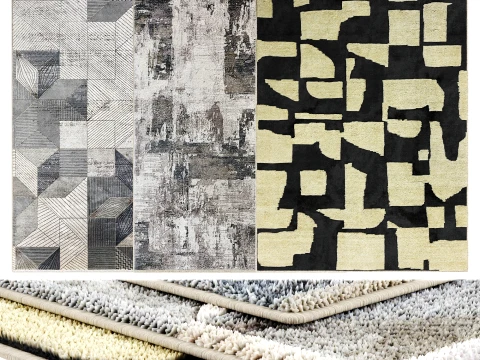
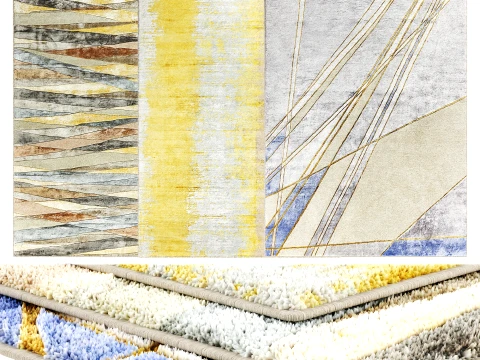
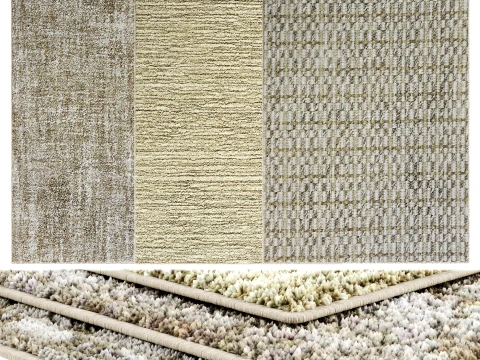
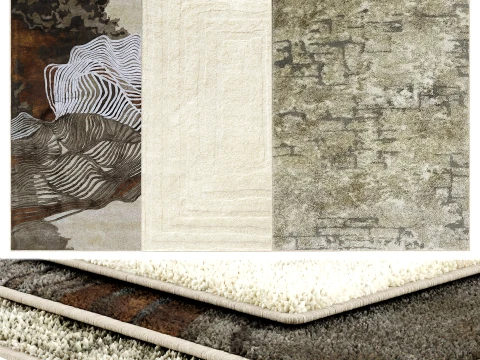
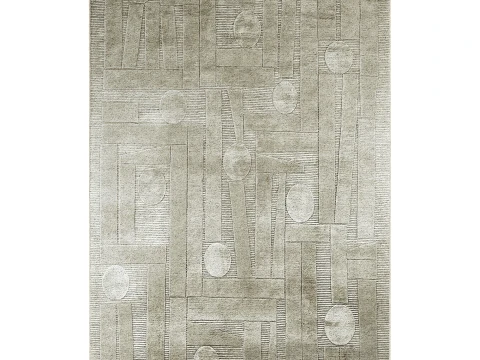
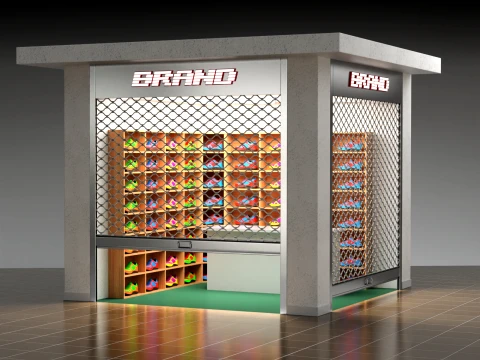
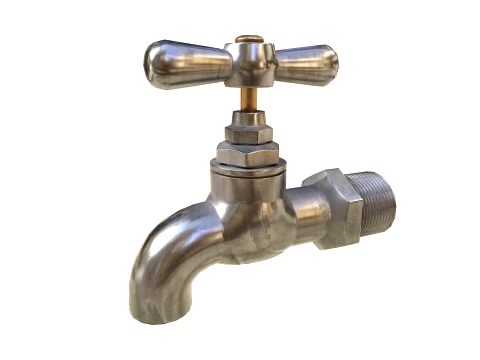
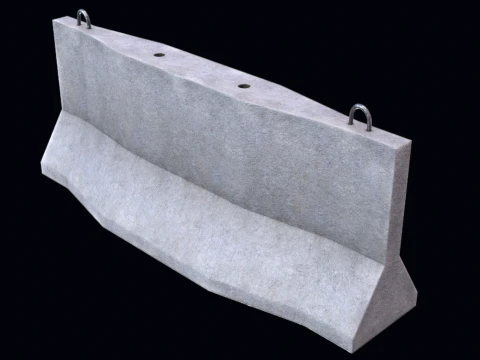
We have 22837 item(s) Royalty free 3D Models. We offer a vast collection of 3d architectural models for any kind of project. You can find models of MAX, C4D, BLEND, FBX, STL and OBJ, GLTF formats. Browse the full collection and you will definitely find something useful in the categories 3D Architectural Interior Models and 3D Cars Models


























Trending searches 3D Models:
Sculpture 3D Models Characters 3D Models Kitchen 3D Models Horse 3D Models Architectural Exteriors 3D Models Phone and Cell Phone 3D Models Vegetable 3D Models Jewellery 3D Models Toys 3D Models Medical 3D Models Helicopter 3D Models Heavy Weapon 3D Models Truck 3D Models Anatomy 3D ModelsWhat are the technical standards for architectural elements in 2026?
In 2026, architectural 3D models are expected to be more than just visual shells; they are increasingly integrated with BIM (Building Information Modeling) standards. High-quality assets in this category feature "Clean Geometry" with non-overlapping UVs and are often provided in formats like IFC or Revit-compatible FBX. For visual rendering, PBR (Physically Based Rendering) materials are a must, utilizing 4K or 8K textures for Albedo, Normal, and Roughness maps to simulate realistic stone, wood, and metal surfaces. This ensures that a single element can be used from the initial conceptual design phase through to the final photorealistic marketing render or VR walkthrough. The geometry is optimized to handle "Real-Time Global Illumination," making these assets perfect for modern engines like Unreal Engine 5 or Lumion 2026.
How is modularity handled in architectural 3D assets?
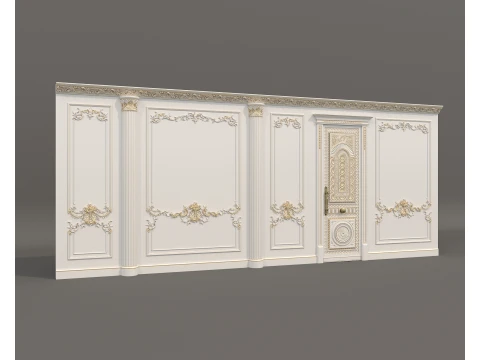
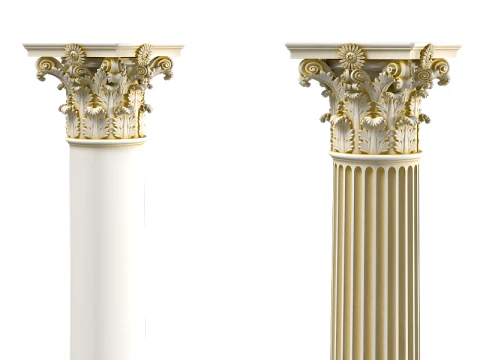
Modularity is a core requirement for 2026 workflows. Most architectural elements, such as columns, moldings, and panels, are designed to be "snappable." This means they use standard metric or imperial dimensions and have their pivot points accurately placed at the corners or center-bottom. This allows architects and level designers to quickly assemble complex structures by duplicating and snapping components together without gaps or mesh overlapping. Whether you are building a classical cathedral or a modern skyscraper, these modular kits significantly reduce production time while maintaining a consistent aesthetic across the entire architectural project. Most kits also include "corner pieces" and "end caps" to ensure seamless transitions in complex geometry layouts.
Can these architectural elements be used for VR and AR walkthroughs?
Absolutely. In 2026, the demand for immersive architectural experiences is at an all-time high. Our models are optimized with balanced polygon counts and efficient LOD (Level of Detail) systems, making them ideal for VR headsets like the Apple Vision Pro or Meta Quest 4. Because they utilize PBR workflows, materials react realistically to dynamic lighting within VR environments. Furthermore, many elements include simplified "Collision Meshes," allowing users to walk through digital spaces without passing through walls or furniture. This technical readiness ensures a smooth, high-frame-rate experience, which is vital for preventing motion sickness in VR and providing a professional sense of presence in virtual property tours.
Are the materials customizable for different interior design styles?
Yes, customization is a priority in our 2026 collection. Many architectural elements are provided with "Multi-Material" setups, allowing users to swap textures easily. For example, a single crown molding model can be assigned a wood, plaster, or metallic shader without changing the geometry. Furthermore, many creators provide "Substance" (.sbsar) files or layered PSDs, enabling procedural adjustments to parameters like "Dirt," "Age," or "Paint Color." This allows architects to maintain a unique look for every project while using a consistent library of base assets, significantly speeding up the creative iteration process during the design development phase.
How do architectural elements integrate with modern lighting systems?
Modern architectural rendering relies heavily on physical accuracy. Our 2026 models are built to interact correctly with IES (Illumination Engineering Society) light profiles. Elements like light fixtures, recessed ceilings, and window frames are designed with accurate "Emissive" materials and "Light Portals." This ensures that light bounces and shadows behave exactly as they would in a real-world building. Additionally, the UV maps are meticulously unwrapped to avoid "Lightmap Leaks" or "Light Bleed," which is essential for high-quality "Baking" in engines like Unity or for real-time ray-tracing in professional ArchViz software, providing a level of realism that satisfies even the most demanding clients.