


 Español
 Deutsch
 日本語
日本語 Polska
 Français
 한국의
한국의 Українська
 Italiano
 Nederlands
 Türkçe
 Português
 Bahasa Indonesia
 Русский
 中國
中國 हिंदी
हिंदी
















Mechanical parts - Hobby and DIY 3D Print Models
We have 233 item(s) Royalty free 3D Models. This category contains a wide choice of Mechanical parts - 3D Printable Models. Any 3D Printable Mechanical parts model is available in .obj, .stl, .iges, .3dm, .skp, .wrl and .blend format. All of these 3d print models are ready for 3D Printing. Also you will find a great number of 3d models in Hand tools and Robotics categories.
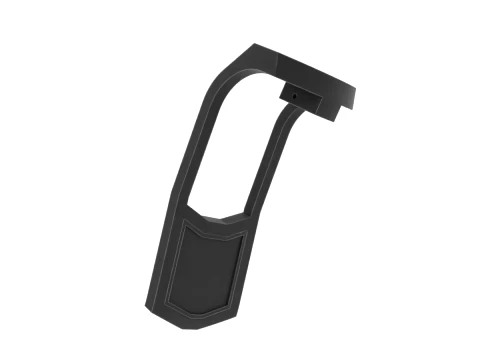 mostudio.print.3dMechanical parts
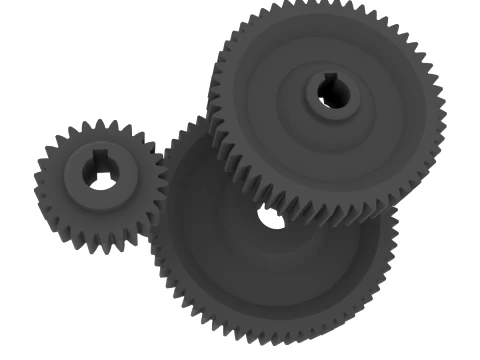 mostudio.print.3dMechanical parts
- -50%
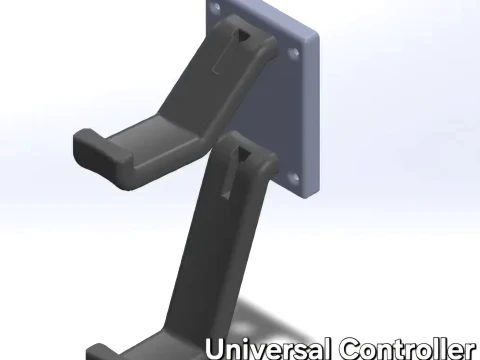 salihondar16Mechanical parts
 - -50%
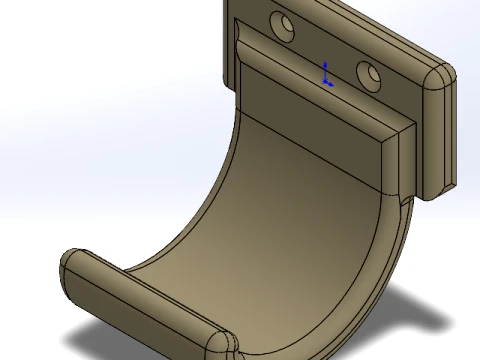 salihondar16Mechanical parts
 - -50%
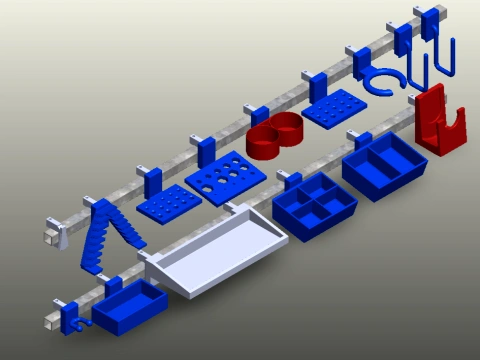 salihondar16Mechanical parts
 - -50%
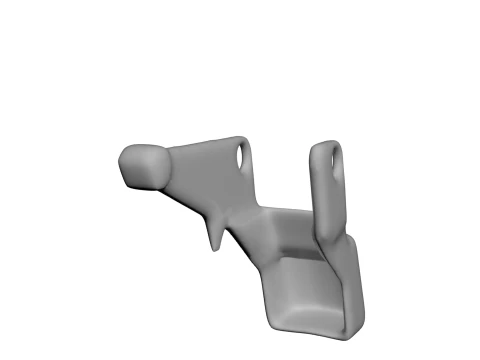 IdeRea3dMechanical parts
 - -50%
 3dcreationsMechanical parts
 - -50%
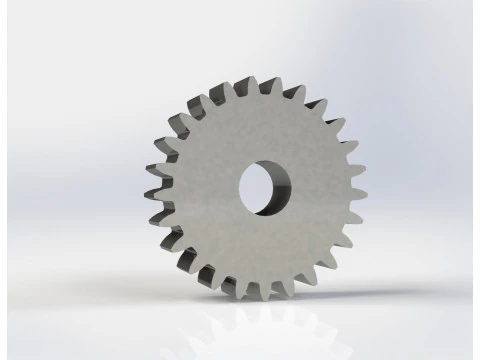 stefano.pellicelli99Mechanical parts
 - -50%
 monk3947Mechanical parts
 - -50%
 vvvingyMechanical parts
 - -50%
 green10111Mechanical parts
  mostudio.print.3dMechanical parts
- -50%
 MYSHOPKIT.FRMechanical parts
 - -50%
 3DMDMechanical parts









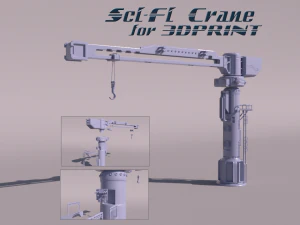













Trending searches 3D Models:
Sculpture 3D Models Characters 3D Models Kitchen 3D Models Horse 3D Models Architectural Exteriors 3D Models Phone and Cell Phone 3D Models Vegetable 3D Models Jewellery 3D Models Toys 3D Models Medical 3D Models Helicopter 3D Models Heavy Weapon 3D Models Truck 3D Models Anatomy 3D ModelsWhat variety of power transmission components is available for 2026?
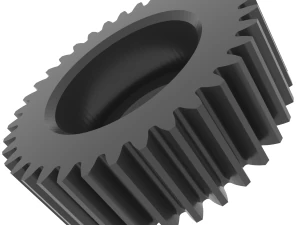
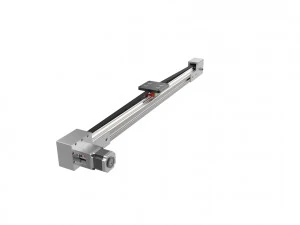
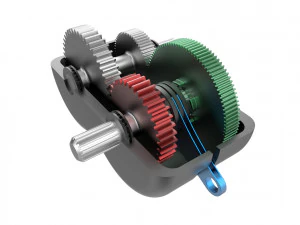
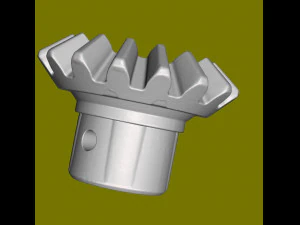
The Mechanical parts category is a digital warehouse of "Kinetic-Logic," featuring an array of spur gears, bevel gears, worm drives, and complex planetary gearsets. Beyond basic gears, we offer "Linear-Actuator-Components," "Cam-Followers," and "Universal-Joints." In 2026, our models are designed with "Involute-Profile-Accuracy," ensuring that gear teeth mesh perfectly with minimal friction and noise. These assets are vital for makers building custom machinery, kinetic sculptures, or home automation devices. By providing a wide range of standardized and specialized mechanical links, we empower users to design and manufacture complex motion systems that were previously only possible with expensive machined metal parts.
How do 3D printed "Bearings-and-Bushings" perform in DIY projects?
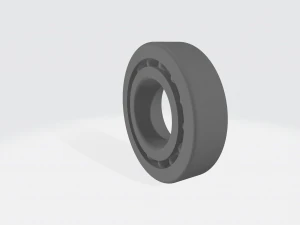
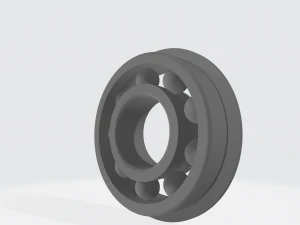
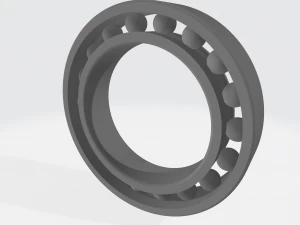
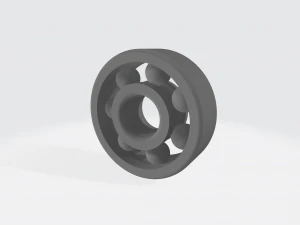
While we recommend using steel bearings for high-speed applications, our 2026 collection includes "Print-in-Place" bearing models for low-load and specialized use. These designs utilize "Micro-Clearance-Engineering" to ensure that the internal balls or rollers move freely immediately after the supports are removed. For high-wear areas, we provide designs for "Self-Lubricating" bushings that can be printed in low-friction filaments like POM or igus-style polymers. This capability allows for the creation of "Fully-Integrated" mechanical systems where the housing and the bearing are a single, cohesive print, reducing part count and simplifying the overall assembly of your mechanical project.
Are the "Gear-Ratios" and "Module-Sizes" standardized?
Yes, in 2026, we adhere to "Metric-ISO" and "Imperial-Pitch" standards across our mechanical library. This means you can easily find a 1.0 Module gear with a 20-tooth count that will perfectly mesh with another 1.0 Module gear from a different designer in our collection. We also provide "Parametric-Gear-Templates" where you can adjust the bore diameter to fit specific motor shafts like D-profile or hex shafts. This standardization is a primary requirement for serious hobbyists and engineers who need to calculate "Torque-Output" and "Rotational-Speed" with mathematical certainty, ensuring that their 3D printed transmission systems perform exactly as intended.
How do I ensure "Structural-Integrity" in 3D printed linkages?
For mechanical links and levers that undergo significant tension or compression, our 2026 models feature "Stress-Path-Optimization." We recommend printing these parts with "Wall-Loop-Maxing," where the perimeters are increased until the part is virtually solid, which is far superior to standard infill for mechanical strength. Our models often include "Bolt-Passthrough-Reinforcements," where the areas around screw holes are thickened to prevent splitting when hardware is tightened. These technical details ensure that your 3D printed mechanical assembly can handle the "Dynamic-Loads" of real-world operation, providing a level of durability and reliability that makes DIY 3D printed machinery truly viable.
What are the best printing practices for "High-Precision" mechanical parts?
To achieve "Mechanical-Fit-Perfection" in 2026, "Dimensional-Accuracy" is the goal. We recommend calibrating your "Horizontal-Expansion" settings to account for plastic shrinkage and "Elephant-Foot" compensation to ensure the first layer doesn't interfere with gear meshing. Printing at a slower speed (around 40-50mm/s for outer walls) and using a smaller layer height (0.12mm or 0.16mm) will result in a much smoother tooth surface, reducing friction and wear. Finally, using a small amount of "Plastic-Safe-Lithium-Grease" on moving parts can significantly increase the efficiency and lifespan of your 3D printed mechanical systems, making them run smoother and quieter for longer periods.