


 Español
 Deutsch
 日本語
日本語 Polska
 Français
 한국의
한국의 Українська
 Italiano
 Nederlands
 Türkçe
 Português
 Bahasa Indonesia
 Русский
 中國
中國 हिंदी
हिंदी
















Sailplane - AirCraft 3D Models
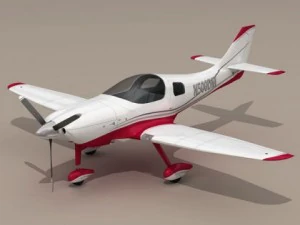
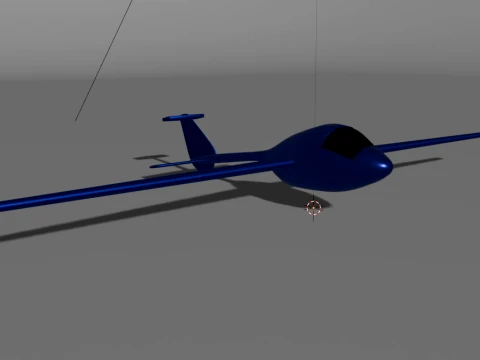
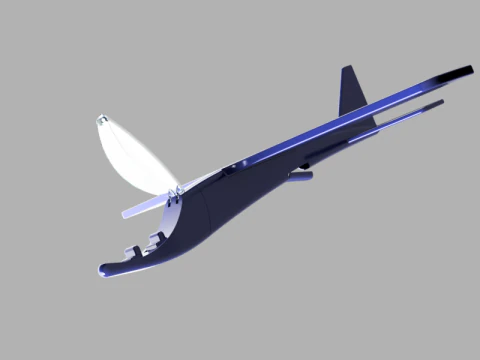
We have 53 item(s) Royalty free 3D Models. This category contains a wide choice of Sailplane 3D Models - AirCraft. Any 3D Sailplane Airplane model is available in .max, .obj, .c4d, .fbx, .dxf, .dwg, .stl, .iges, .3ds, .mb, .lwo, .3dm, .skp and .blend format. Some of them are ready for 3D Printing & Games. A vast collection of Drone copter 3D models, Helicopter 3D models and Fighter 3D models.
- -10%
 AlejandrordamSailplane
 - -10%
 AlejandrordamSailplane
 - -10%
 AlejandrordamSailplane
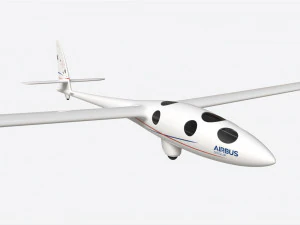
  vexpertSailplane
















Trending searches 3D Models:
Sculpture 3D Models Characters 3D Models Kitchen 3D Models Horse 3D Models Architectural Exteriors 3D Models Phone and Cell Phone 3D Models Vegetable 3D Models Jewellery 3D Models Toys 3D Models Medical 3D Models Helicopter 3D Models Heavy Weapon 3D Models Truck 3D Models Anatomy 3D ModelsWhat defines a "high-fidelity" sailplane 3D model in 2026?
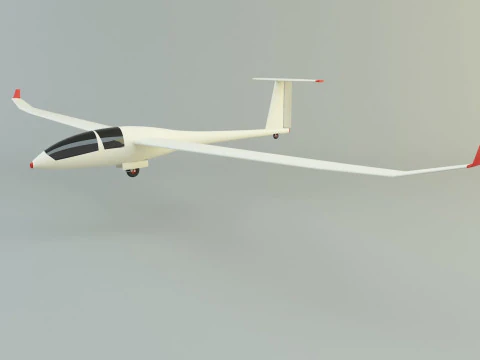
High-fidelity sailplane models are characterized by their extreme aerodynamic smoothness. In 2026, gliders are modeled with ultra-clean, high-density meshes to replicate the polished composite surfaces (like carbon fiber) that allow for high lift-to-drag ratios. Key details include the thin, flexible wings, the aerodynamic winglets, and the retractable landing gear. For simulators, the "wing flex" is a crucial technical feature, and our models are often rigged to allow for the natural upward bend of the wings during high-lift soaring, providing a truly immersive experience for virtual pilots.
Are the cockpits of these gliders suitable for VR soaring sims?
Yes, because glider pilots rely heavily on visual cues and variometers, the cockpits are modeled with exceptional detail. In 2026, VR soaring is a popular niche, and our models feature 3D instruments, realistic canopy glass with subtle scratches or reflections, and detailed pilot harnesses. The textures are optimized for the "Metallic/Roughness" PBR workflow to accurately depict the contrast between the high-gloss fuselage and the matte interior of the cockpit.
Do these 3D models include airbrakes and control surface rigging?
Absolutely. One of the most important parts of a sailplane is its airbrake (spoiler) system used for descent control. Our 3D sailplanes come with fully rigged spoilers that emerge from the wings, as well as functional ailerons, elevators, and rudders. In 2026, these are pre-animated or rigged with proper pivot points, making it easy to map them to joystick inputs in simulators like Condor 3 or Microsoft Flight Simulator 2024.
Can I use sailplane 3D models for architectural environmental renders?
Gliders are fantastic assets for adding a sense of scale and peace to architectural visualizations of mountainous or coastal regions. In 2026, they are often used as "scatter" objects in the sky to make a scene feel alive without the noise and clutter of motorized aircraft. These models are typically optimized to be lightweight enough for background use while still looking perfect in high-resolution renders of premium real estate or resort developments.
What materials are standard for modern glider 3D models?
In 2026, the standard material for sailplanes is White Composite/Carbon Fiber. Our 3D assets use high-quality PBR shaders to capture the "eggshell" or "high-gloss" finish typical of modern gliders like the ASG 29 or Perlan II. The textures often include sub-surface scattering (SSS) for the canopy and composite surfaces, ensuring that the aircraft glows realistically when flying against the sun, which is essential for achieving a photorealistic soaring atmosphere.