


 Español
 Deutsch
 日本語
日本語 Polska
 Français
 한국의
한국의 Українська
 Italiano
 Nederlands
 Türkçe
 Português
 Bahasa Indonesia
 Русский
 中國
中國 हिंदी
हिंदी
















Dog - Animals 3D Models
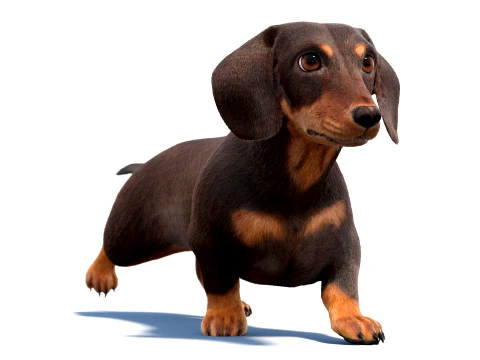
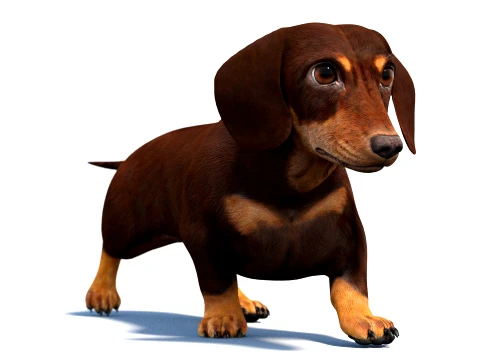
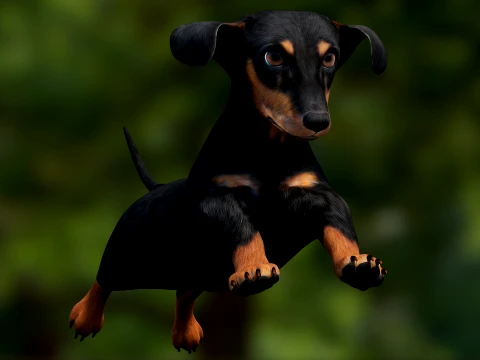
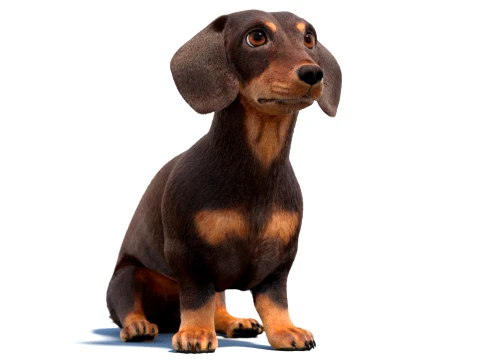
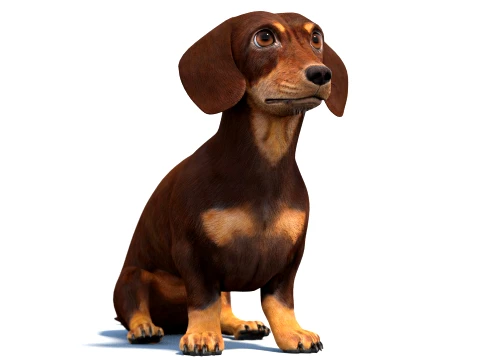
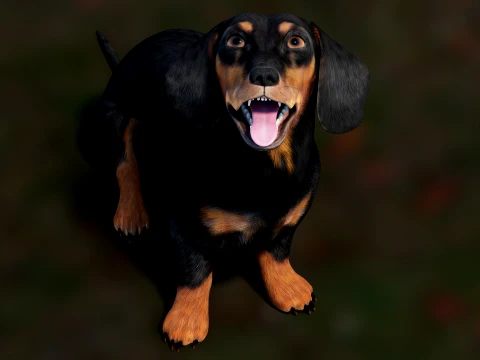
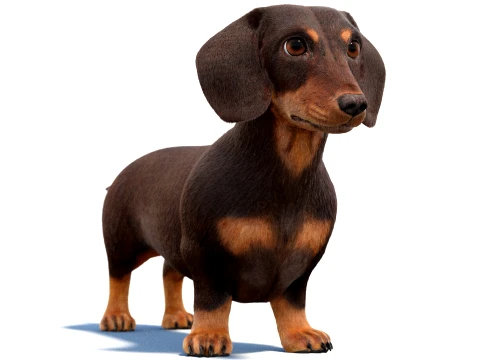
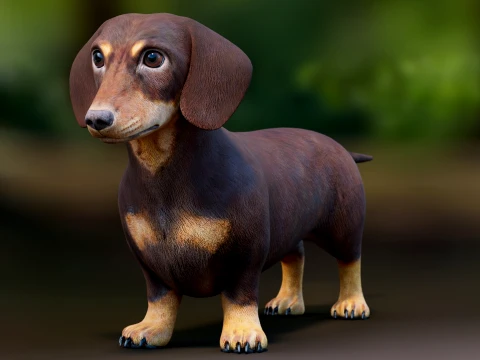
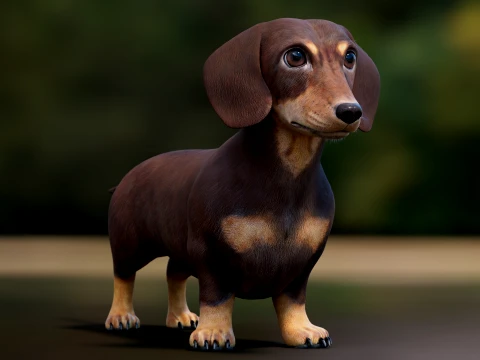
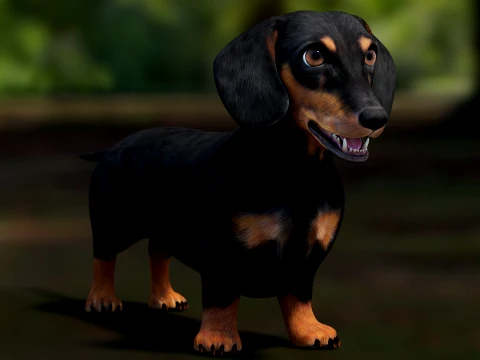
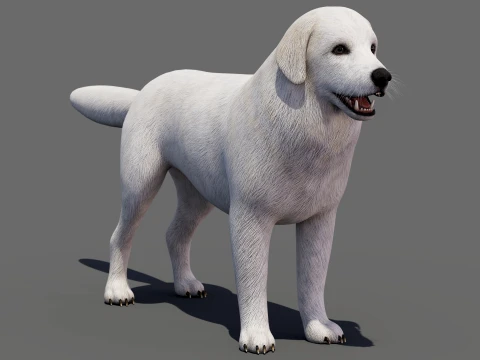
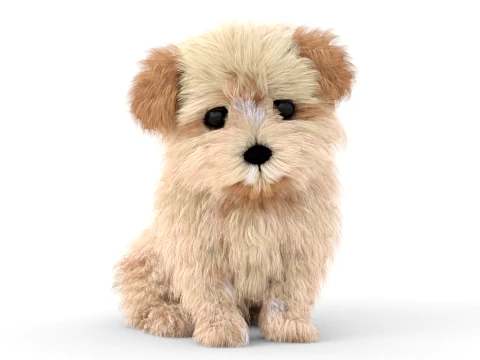
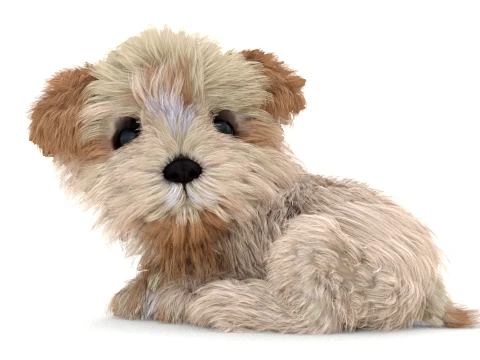
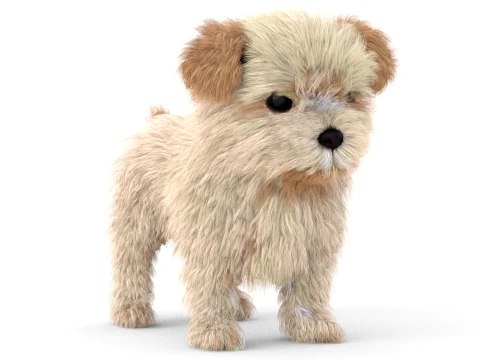
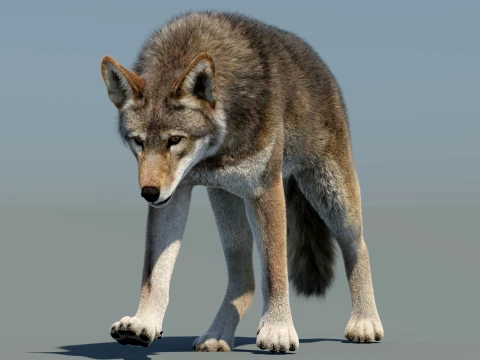
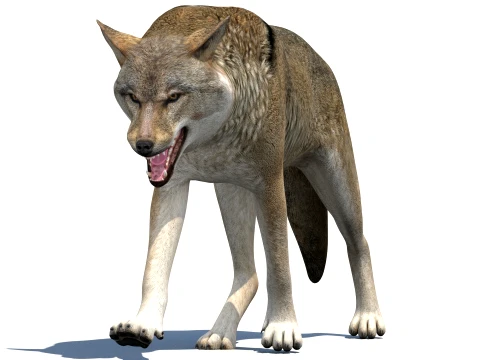
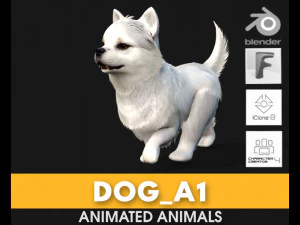
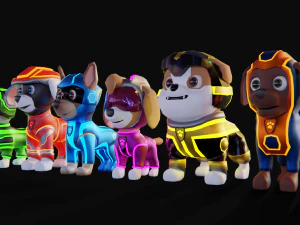
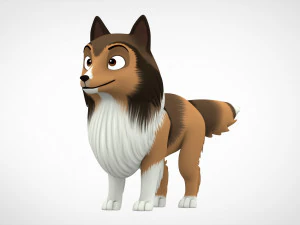
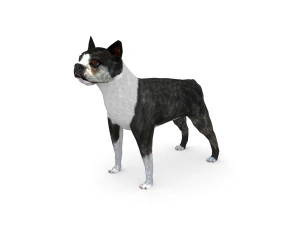
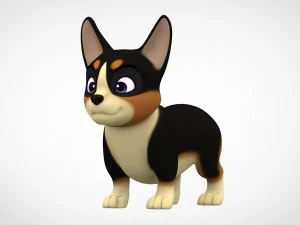
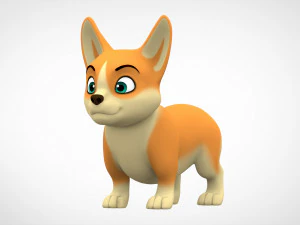
We have 779 item(s) Royalty free 3D Models. This category contains a wide choice of Dog 3D Models - Animals. Any 3D Dog model is available in .max, .obj, .c4d, .fbx, .dxf, .dwg, .stl, .iges, .3ds, .mb, .lwo, .3dm, .skp and .blend format. Some of them are ready for 3D Printing & Games. Also you will find a great number of models in Dinosaur and Elephant categories.























Trending searches 3D Models:
Sculpture 3D Models Characters 3D Models Kitchen 3D Models Horse 3D Models Architectural Exteriors 3D Models Phone and Cell Phone 3D Models Vegetable 3D Models Jewellery 3D Models Toys 3D Models Medical 3D Models Helicopter 3D Models Heavy Weapon 3D Models Truck 3D Models Anatomy 3D ModelsWhat are the technical requirements for realistic canine 3D models in 2026?
In 2026, professional canine models must prioritize anatomical accuracy, specifically focusing on the skeletal structure and superficial muscle layers. A high-quality dog model requires a robust rig that supports the distinct "scapula" (shoulder blade) movement essential for a realistic gait. For real-time applications like Unreal Engine 5, assets must include PBR textures and, increasingly, hair-grooming files (Alembic) to handle breed-specific fur lengths. Beyond visuals, "Canine AI" integration is a trend, meaning models should have clearly defined "socket" points for accessories and be optimized for pathfinding in complex 3D environments. This ensures the 3D dog doesn't just look realistic in a static frame but behaves like a living, breathing companion in interactive media.
Are the dog models rigged for specific breeds like Labradors or Huskies?
Yes, our 2026 collection features breed-specific rigs tailored to the unique proportions of different canines. A Greyhound rig, for instance, is optimized for high-speed "double-suspension" gallop animations, while a Bulldog rig focuses on the heavy-set, wide-stance movement patterns. Professional creators provide separate skeletal setups for small, medium, and large breeds to ensure that the "skin-weights" deform naturally without stretching. Most assets also include "Facial Morph Targets" or "Shape Keys" for expressions like panting, barking, and tilting the head, allowing for a high level of emotional range in cinematic storytelling or virtual pet interactions where the player develops a bond with the animal.
How is the fur texture handled for long-haired vs. short-haired dogs?
Fur handling has evolved significantly by 2026, moving toward a hybrid system. Short-haired breeds like Dobermans utilize high-frequency Normal maps and "Micro-Occlusion" to simulate the sheen of the coat. Conversely, long-haired breeds like Golden Retrievers or Huskies are supplied with "Strand-Based" hair grooms. These grooms are physically simulated, allowing the fur to sway during a run or react to environmental wind. For developers on a performance budget, "Alpha-Card" versions are often included as a fallback. This ensures the 3D dog maintains its iconic silhouette and texture quality across various hardware, from high-end VR headsets to mobile devices, without sacrificing the soft, tactile feel of the animal's coat.
Can I use these canine models for veterinary or educational apps?
Absolutely. A growing segment of our 2026 dog models is labeled "Anatomically Accurate," featuring internal systems such as the skeleton, musculature, and vital organs. These are specifically designed for veterinary students and educational software. These models often come with high-resolution textures that clearly label different biological structures. Because they are built in 3D, users can "hide" layers (like the skin or muscle) to view the underlying bone structure. This makes them invaluable tools for surgical planning visualizations or interactive biology lessons, providing a level of detail and interactivity that traditional 2D medical diagrams cannot achieve.
Are the animations pre-configured for common behaviors like sitting or fetching?
Most premium canine assets include a library of "Action Sets." In 2026, this standard library has expanded to include "Pro-Level" loops for sitting, lying down, sniffing, walking, and the classic "play-bow." For games, these are often provided as "Animation Blueprints," which seamlessly blend between states—for example, transitioning from a walk to a run based on the character's speed. High-quality dog 3D models also feature "Root Motion," ensuring the 3D model’s physical location stays in sync with its animation, preventing the "skating" effect. This technical readiness allows developers to focus on gameplay mechanics while the dog provides a polished, lifelike performance out of the box.