


 English
 Español
 Deutsch
 日本語
日本語 Polska
 Français
 한국의
한국의 Українська
 Italiano
 Nederlands
 Português
 Bahasa Indonesia
 Русский
 中國
中國 हिंदी
हिंदी
















Köpekler - Hayvanlar 3D Modeller
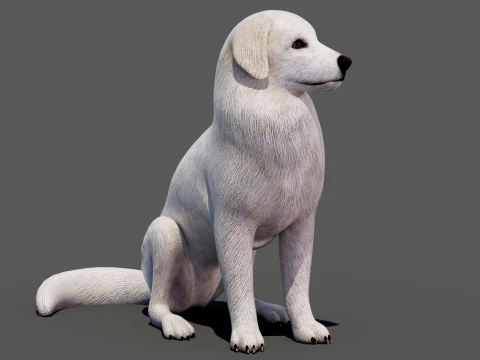
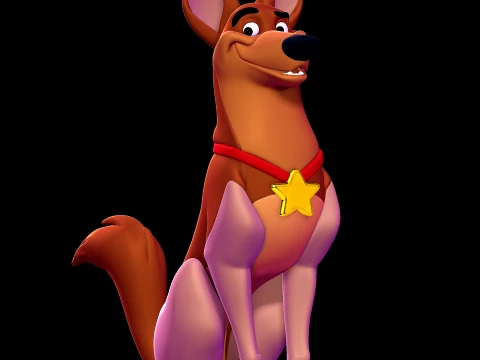
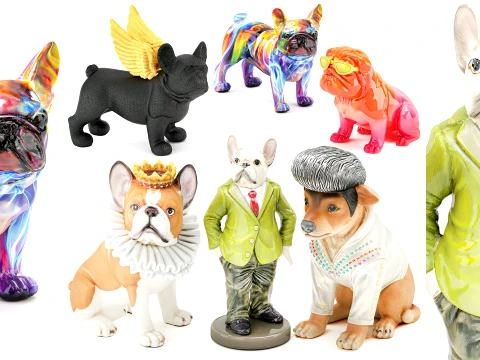
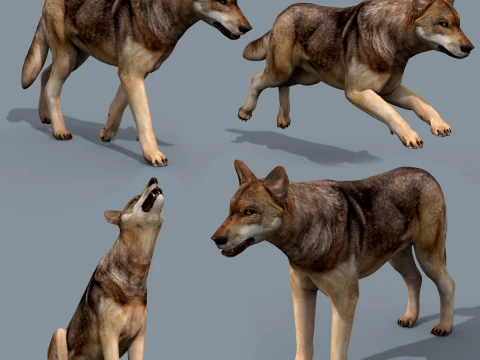
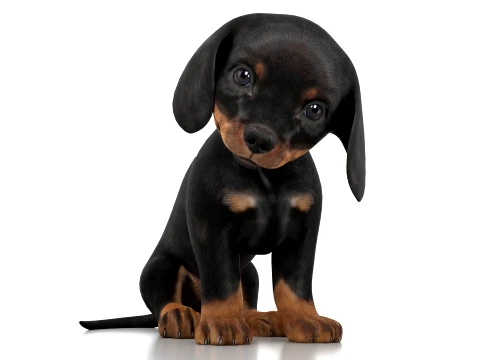
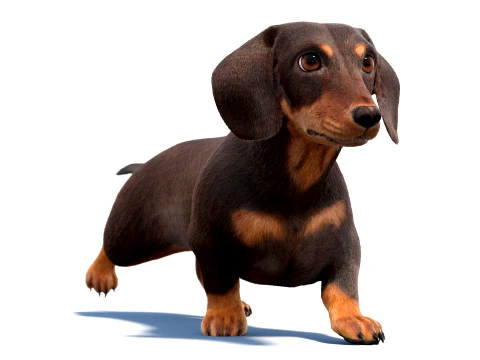
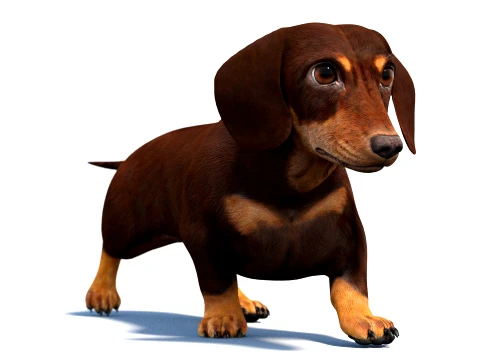
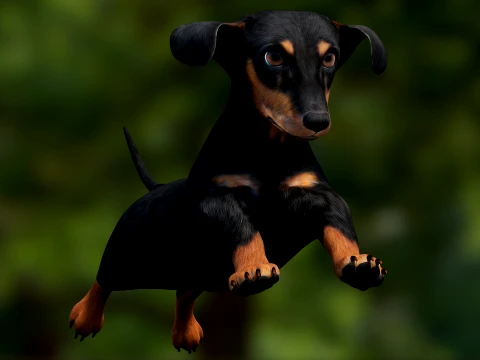
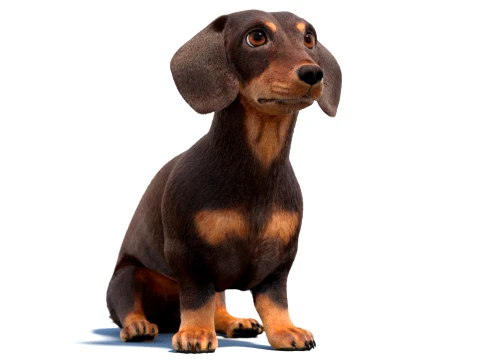
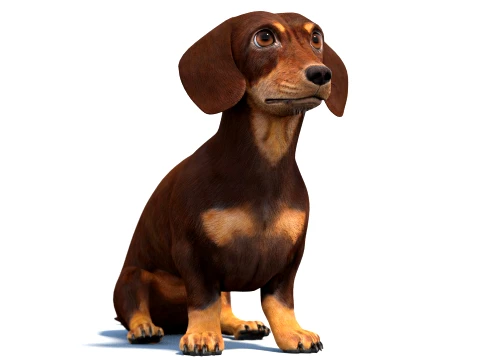
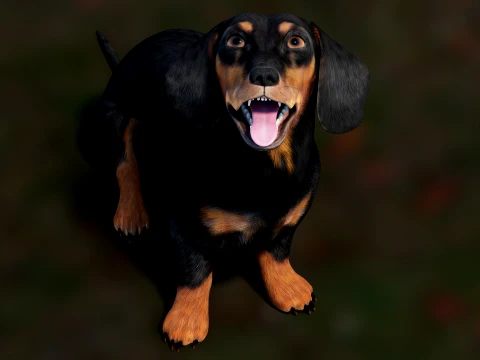
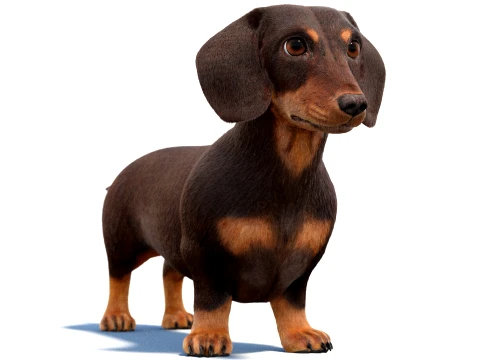
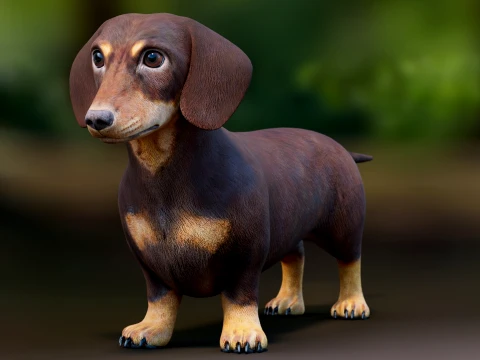
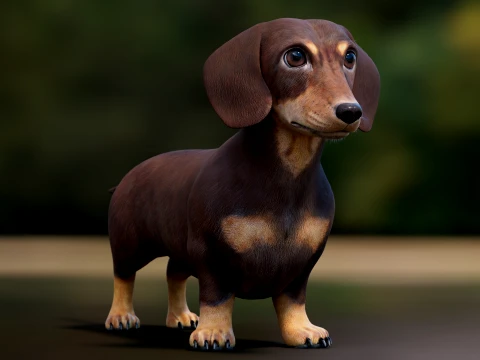
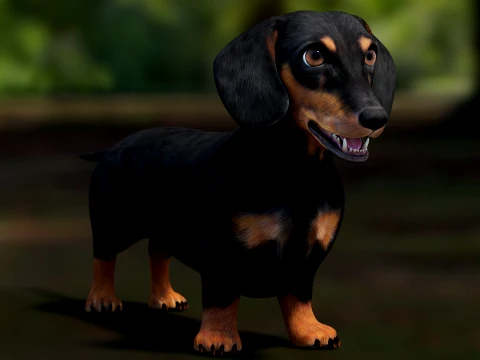
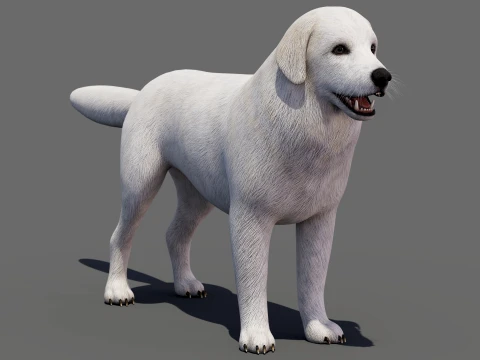
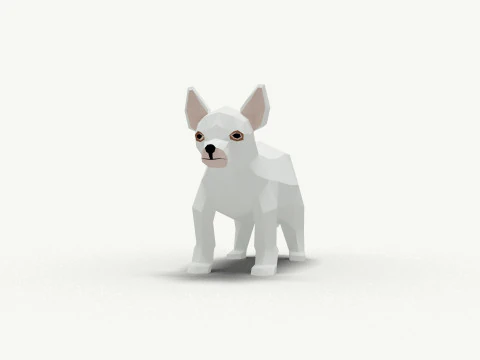
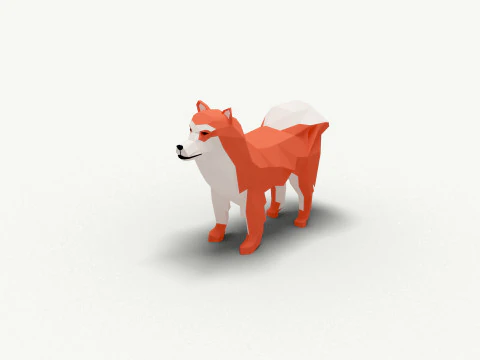
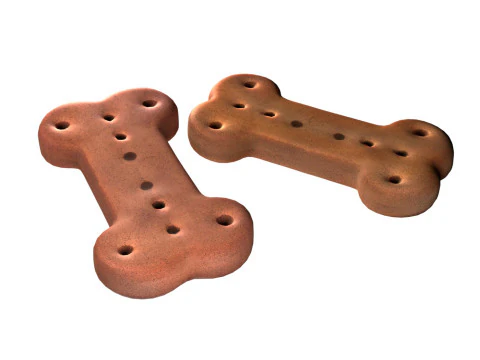
Bizde mevcut 780 ürün(ler) Telifsiz 3D Modeller. This category contains a wide choice of Dog 3D Models - Animals. Any 3D Dog model is available in .max, .obj, .c4d, .fbx, .dxf, .dwg, .stl, .iges, .3ds, .mb, .lwo, .3dm, .skp and .blend format. Some of them are ready for 3D Printing & Games. Also you will find a great number of models in Dinosaur and Elephant categories.























Trend olan aramalar 3D Modeller:
Heykel 3D Modeller Karakterler 3D Modeller Mutfak 3D Modeller At 3D Modeller Dış Mimarlık 3D Modeller Ev Telefonu ve Cep Telefonu 3D Modeller Sebze 3D Modeller Mücevher 3D Modeller Oyuncaklar 3D Modeller Tıbbi 3D Modeller Helikopter 3D Modeller Ağır silah 3D Modeller Kamyon 3D Modeller Anatomi 3D Modeller2026 yılında gerçekçi köpek 3D modelleri için teknik gereksinimler nelerdir?
2026'da profesyonel köpek modelleri, anatomik doğruluğu önceliklendirmeli ve özellikle iskelet yapısı ile yüzeysel kas katmanlarına odaklanmalıdır. Yüksek kaliteli bir köpek modeli, gerçekçi bir yürüyüş için gerekli olan belirgin "skapula" (omuz kemiği) hareketini destekleyen sağlam bir rig gerektirir. Unreal Engine 5 gibi gerçek zamanlı uygulamalar için, varlıklar PBR dokuları ve giderek artan bir şekilde, ırka özgü kürk uzunluklarını işlemek için tüy bakım dosyaları (Alembic) içermelidir. Görsellerin ötesinde, "Canine AI" entegrasyonu bir trend haline gelmiştir; bu, modellerin aksesuarlar için açıkça tanımlanmış "soket" noktalarına sahip olması ve karmaşık 3D ortamlarda yol bulma için optimize edilmesi gerektiği anlamına gelir. Bu, 3D köpeğin sadece statik bir karede gerçekçi görünmesini değil, etkileşimli medyada yaşayan, nefes alan bir arkadaş gibi davranmasını da sağlar.
Köpek modelleri, Labrador veya Husky gibi belirli ırklar için mi tasarlanmıştır?
Evet, 2026 koleksiyonumuzda farklı köpeklerin benzersiz oranlarına göre uyarlanmış, ırk özelinde rig'ler bulunmaktadır. Örneğin, bir Greyhound rig'i yüksek hızlı "çift süspansiyonlu" galop animasyonları için optimize edilirken, bir Bulldog rig'i ise ağır yapılı, geniş duruşlu hareket kalıplarına odaklanır. Profesyonel yaratıcılar, "deri ağırlıklarının" gerilmeden doğal bir şekilde deforme olmasını sağlamak için küçük, orta ve büyük ırklar için ayrı iskelet yapıları sağlar. Çoğu varlık, nefes nefese kalma, havlama ve başını eğme gibi ifadeler için "Yüz Morf Hedefleri" veya "Şekil Anahtarları" içerir; bu da sinematik hikaye anlatımında veya oyuncunun hayvanla bir bağ kurduğu sanal evcil hayvan etkileşimlerinde yüksek düzeyde bir duygu yelpazesi sağlar.
Uzun tüylü ve kısa tüylü köpekler için kürk dokusu nasıl işlenir?
Kürk işleme, 2026 yılına kadar önemli ölçüde gelişerek hibrit bir sisteme doğru ilerlemiştir. Doberman gibi kısa tüylü ırklar, kürkün parlaklığını simüle etmek için yüksek frekanslı Normal haritaları ve "Mikro-Oklüzyon" kullanır. Buna karşılık, Golden Retriever veya Husky gibi uzun tüylü ırklar için "Strand-Based" tüy düzenlemeleri sağlanır. Bu tüy düzenlemeleri fiziksel olarak simüle edilir, böylece koşarken tüylerin sallanmasına veya çevresel rüzgara tepki vermesine olanak tanınır. Performans bütçesi kısıtlı geliştiriciler için, genellikle yedek olarak "Alpha-Card" sürümleri dahil edilir. Bu, 3D köpeğin, hayvanın tüylerinin yumuşak, dokunsal hissini feda etmeden, üst düzey VR başlıklarından mobil cihazlara kadar çeşitli donanımlarda ikonik siluetini ve doku kalitesini korumasını sağlar.
Bu köpek modellerini veterinerlik veya eğitim uygulamaları için kullanabilir miyim?
Kesinlikle. 2026 köpek modelimizin giderek büyüyen bir kısmı, iskelet, kas sistemi ve hayati organlar gibi iç sistemleri içeren "Anatomik Olarak Doğru" etiketine sahiptir. Bunlar, veterinerlik öğrencileri ve eğitim yazılımları için özel olarak tasarlanmıştır. Bu modeller genellikle farklı biyolojik yapıları açıkça gösteren yüksek çözünürlüklü dokularla birlikte gelir. 3D olarak oluşturuldukları için, kullanıcılar altta yatan kemik yapısını görmek için katmanları (deri veya kas gibi) "gizleyebilir". Bu, onları cerrahi planlama görselleştirmeleri veya etkileşimli biyoloji dersleri için paha biçilmez araçlar haline getirir ve geleneksel 2D tıbbi diyagramların ulaşamayacağı bir ayrıntı ve etkileşim düzeyi sağlar.
Animasyonlar, oturma veya top getirme gibi yaygın davranışlar için önceden yapılandırılmış mıdır?
Çoğu premium köpek varlığı, bir "Eylem Setleri" kütüphanesi içerir. 2026'da bu standart kütüphane, oturma, uzanma, koklama, yürüme ve klasik "oyun selamı" için "Profesyonel Seviye" döngülerini içerecek şekilde genişletilmiştir. Oyunlar için bunlar genellikle durumlar arasında sorunsuz bir şekilde geçiş yapan "Animasyon Şablonları" olarak sunulur; örneğin, karakterin hızına göre yürüyüşten koşuya geçiş yapılır. Yüksek kaliteli köpek 3D modelleri ayrıca "Root Motion" özelliğine sahiptir; bu, 3D modelin fiziksel konumunun animasyonuyla senkronize kalmasını sağlayarak "kayma" etkisini önler. Bu teknik hazırlık, geliştiricilerin oyun mekaniğine odaklanmasına olanak tanırken, köpek ise kullanıma hazır halde kusursuz ve gerçekçi bir performans sergiler.