


 English
 Español
 Deutsch
 日本語
日本語 Polska
 Français
 한국의
한국의 Українська
 Italiano
 Nederlands
 Türkçe
 Português
 Русский
 中國
中國 हिंदी
हिंदी
















Anjing - Hewan Model 3D
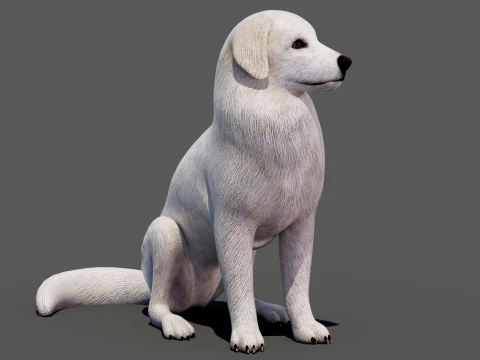
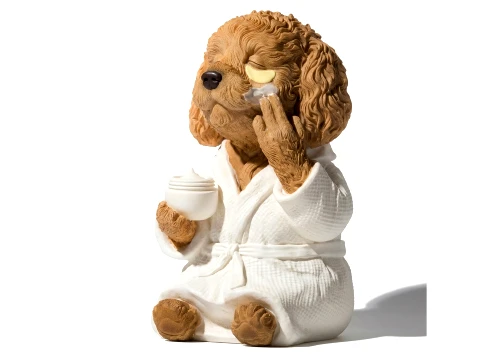
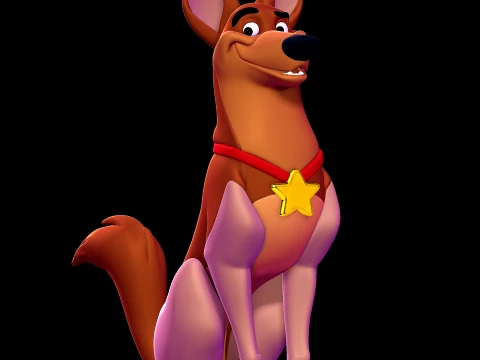
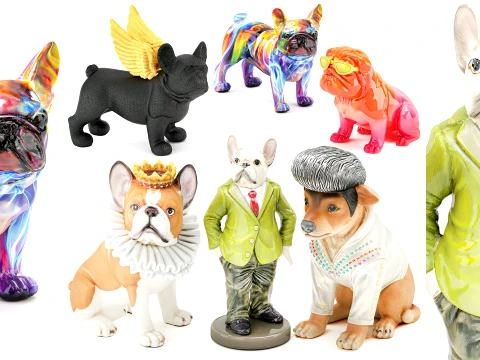
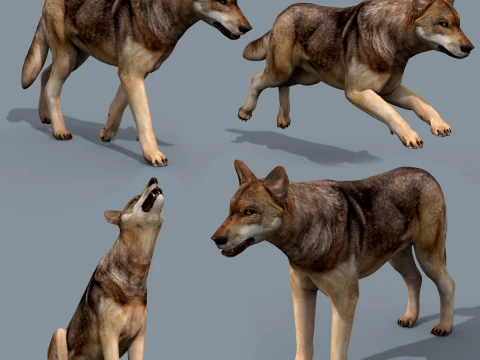
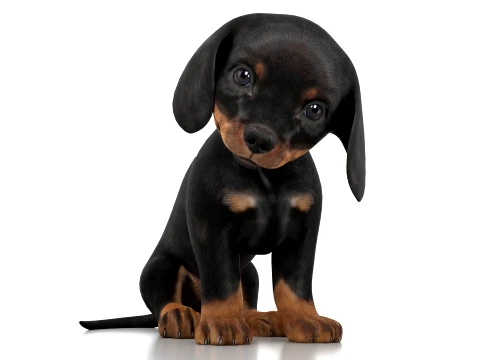
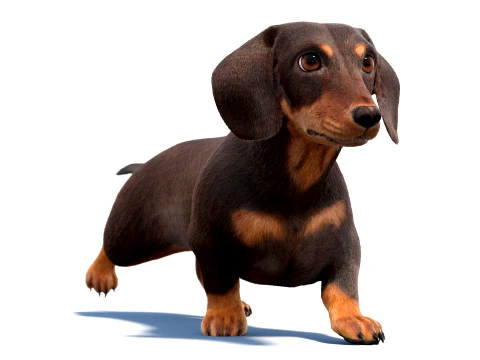
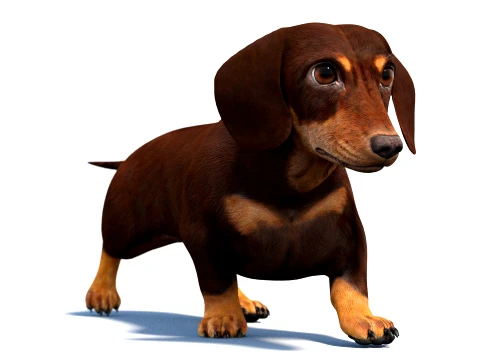
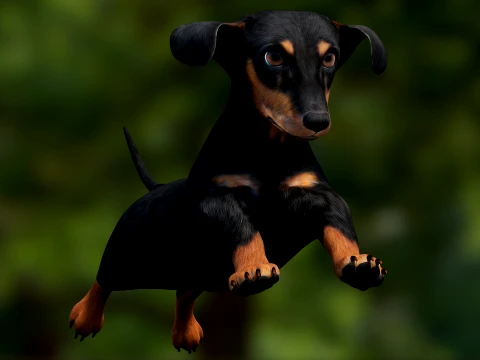
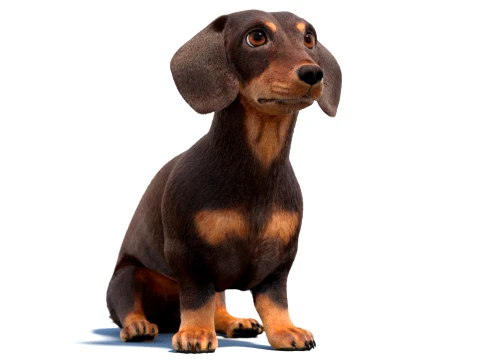
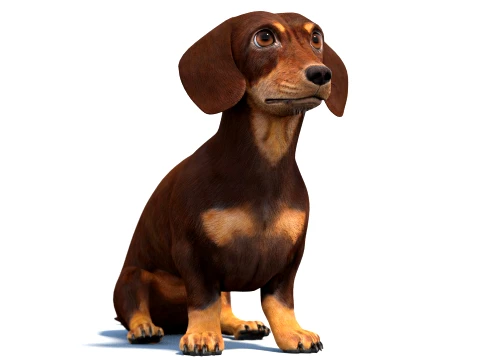
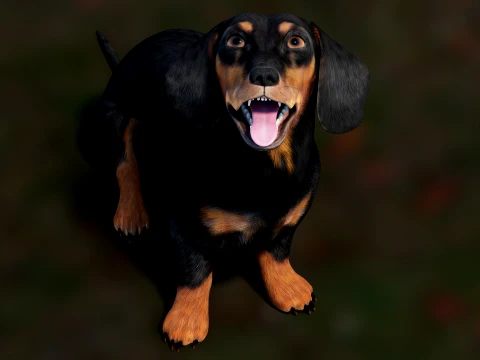
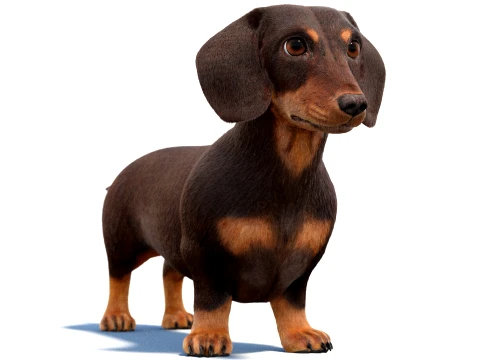
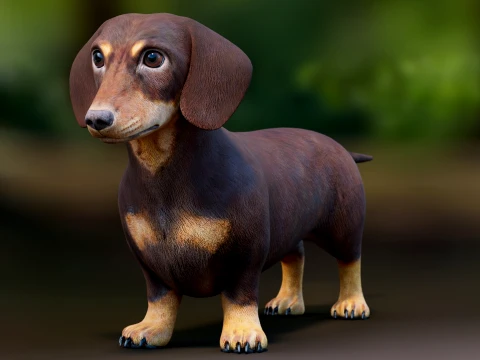
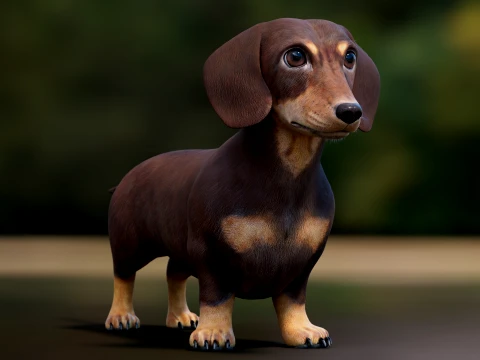
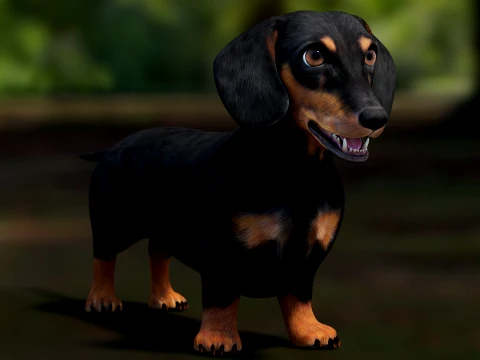
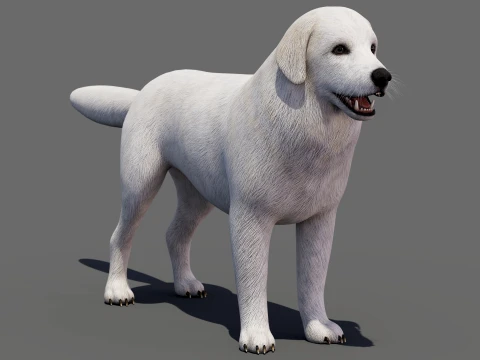
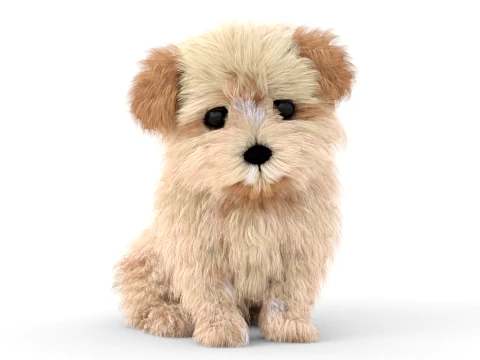
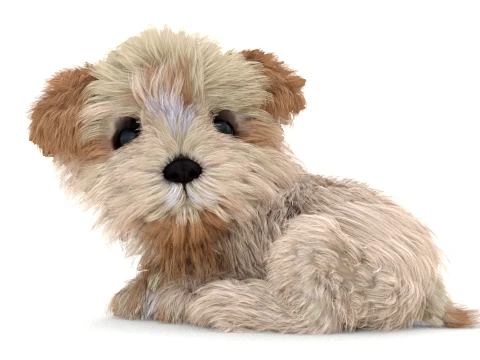
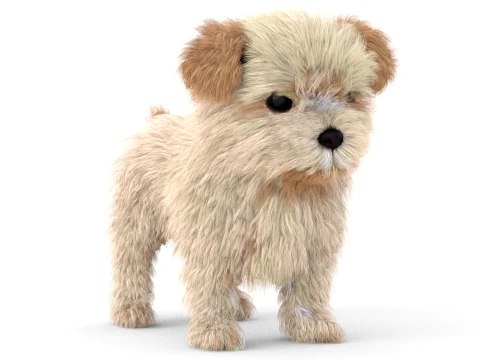
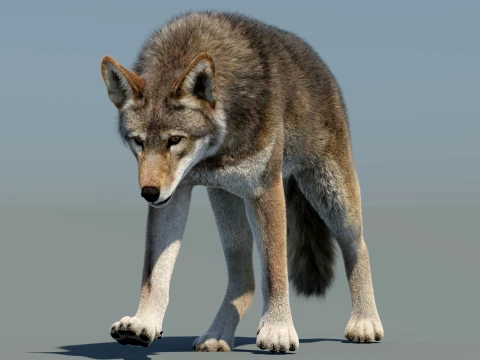
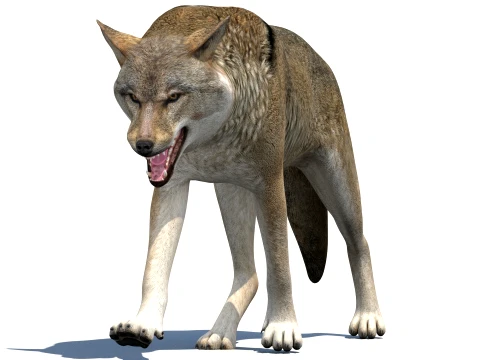
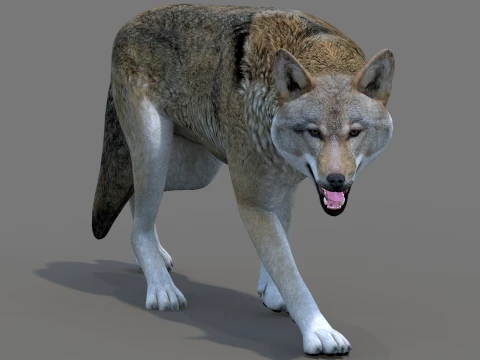
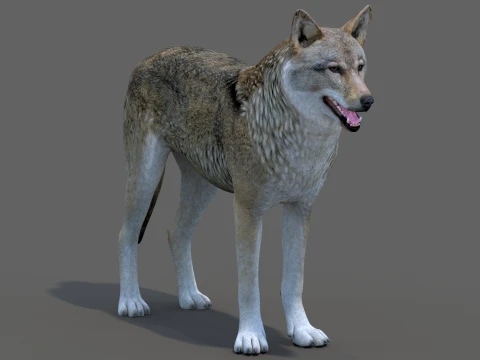
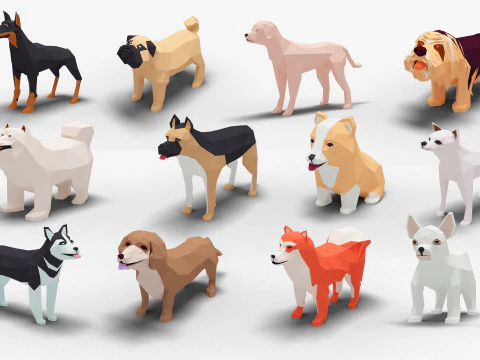
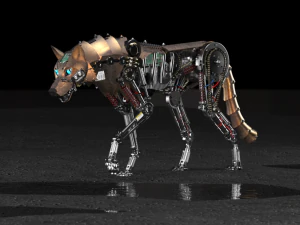
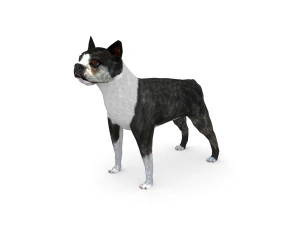
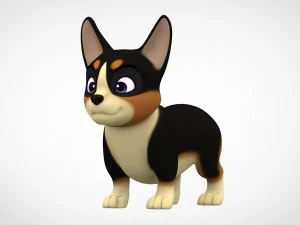
Kita punya 780 item Royalti gratis Model 3D. This category contains a wide choice of Dog 3D Models - Animals. Any 3D Dog model is available in .max, .obj, .c4d, .fbx, .dxf, .dwg, .stl, .iges, .3ds, .mb, .lwo, .3dm, .skp and .blend format. Some of them are ready for 3D Printing & Games. Also you will find a great number of models in Dinosaur and Elephant categories.






















Penelusuran yang lagi ngetren Model 3D:
Patung Model 3D Karakter Model 3D Dapur Model 3D Kuda Model 3D Eksterior Arsitektur Model 3D Telepon dan Ponsel Model 3D Sayuran Model 3D Perhiasan Model 3D Mainan Model 3D Medis Model 3D Helikopter Model 3D Senjata Berat Model 3D Truk Model 3D Anatomi Model 3DApa saja persyaratan teknis untuk model 3D anjing yang realistis pada tahun 2026?
Pada tahun 2026, model anjing profesional harus memprioritaskan akurasi anatomi, khususnya berfokus pada struktur kerangka dan lapisan otot superfisial. Model anjing berkualitas tinggi memerlukan rig yang kokoh yang mendukung gerakan "skapula" (tulang belikat) yang khas, yang esensial untuk gaya berjalan yang realistis. Untuk aplikasi real-time seperti Unreal Engine 5, aset harus mencakup tekstur PBR dan, semakin sering, file penataan bulu (Alembic) untuk menangani panjang bulu yang spesifik sesuai ras. Selain visual, integrasi "Canine AI" menjadi tren, artinya model harus memiliki titik "socket" yang jelas untuk aksesori dan dioptimalkan untuk navigasi jalur di lingkungan 3D yang kompleks. Hal ini memastikan anjing 3D tidak hanya terlihat realistis dalam bingkai statis, tetapi berperilaku seperti teman hidup yang bernapas dalam media interaktif.
Apakah model anjing dirancang khusus untuk ras tertentu seperti Labrador atau Husky?
Ya, koleksi 2026 kami menampilkan rig khusus ras yang disesuaikan dengan proporsi unik anjing-anjing berbeda. Rig Greyhound, misalnya, dioptimalkan untuk animasi lari cepat "double-suspension", sementara rig Bulldog berfokus pada pola gerakan yang berat dan berpostur lebar. Pembuat profesional menyediakan pengaturan kerangka terpisah untuk ras kecil, sedang, dan besar guna memastikan "skin-weights" berdeformasi secara alami tanpa meregang. Sebagian besar aset juga mencakup "Facial Morph Targets" atau "Shape Keys" untuk ekspresi seperti menghela napas, menggonggong, dan memiringkan kepala, memungkinkan rentang emosional yang tinggi dalam narasi sinematik atau interaksi hewan peliharaan virtual di mana pemain membangun ikatan dengan hewan tersebut.
Bagaimana tekstur bulu ditangani untuk anjing berbulu panjang versus berbulu pendek?
Penanganan bulu telah berkembang secara signifikan pada tahun 2026, beralih ke sistem hibrida. Ras berbulu pendek seperti Doberman menggunakan peta Normal berfrekuensi tinggi dan "Micro-Occlusion" untuk mensimulasikan kilau bulu. Sebaliknya, ras berbulu panjang seperti Golden Retriever atau Husky dilengkapi dengan "Strand-Based" hair grooms. Gaya bulu ini disimulasikan secara fisik, memungkinkan bulu bergoyang saat berlari atau bereaksi terhadap angin lingkungan. Bagi pengembang dengan anggaran kinerja terbatas, versi "Alpha-Card" sering disertakan sebagai alternatif. Hal ini memastikan anjing 3D mempertahankan siluet ikonik dan kualitas teksturnya di berbagai perangkat keras, mulai dari headset VR kelas atas hingga perangkat seluler, tanpa mengorbankan rasa lembut dan tekstur bulu hewan tersebut.
Apakah saya dapat menggunakan model anjing ini untuk aplikasi kedokteran hewan atau pendidikan?
Tentu saja. Sebagian besar model anjing 2026 kami diberi label "Anatomically Accurate," menampilkan sistem internal seperti kerangka, otot, dan organ vital. Model-model ini dirancang khusus untuk mahasiswa kedokteran hewan dan perangkat lunak pendidikan. Model-model ini sering dilengkapi dengan tekstur beresolusi tinggi yang secara jelas menandai struktur biologis yang berbeda. Karena dibangun dalam 3D, pengguna dapat "menyembunyikan" lapisan (seperti kulit atau otot) untuk melihat struktur tulang di bawahnya. Hal ini menjadikannya alat yang tak ternilai untuk visualisasi perencanaan bedah atau pelajaran biologi interaktif, memberikan tingkat detail dan interaktivitas yang tidak dapat dicapai oleh diagram medis 2D tradisional.
Apakah animasi-animasi tersebut sudah dikonfigurasi untuk perilaku umum seperti duduk atau mengambil benda?
Sebagian besar aset anjing premium mencakup perpustakaan "Action Sets." Pada tahun 2026, perpustakaan standar ini telah diperluas untuk mencakup loop "Pro-Level" untuk duduk, berbaring, mencium, berjalan, dan gerakan klasik "play-bow." Untuk game, ini sering disediakan sebagai "Animation Blueprints," yang secara mulus beralih antar keadaan—misalnya, beralih dari berjalan ke berlari berdasarkan kecepatan karakter. Model 3D anjing berkualitas tinggi juga dilengkapi dengan "Root Motion," memastikan lokasi fisik model 3D tetap sinkron dengan animasinya, sehingga mencegah efek "skating." Kesiapan teknis ini memungkinkan pengembang untuk fokus pada mekanika permainan sementara anjing tersebut memberikan performa yang halus dan realistis secara langsung.