


 English
 Español
 Deutsch
 日本語
日本語 Polska
 Français
 한국의
한국의 Українська
 Italiano
 Nederlands
 Türkçe
 Português
 Русский
 中國
中國 हिंदी
हिंदी
















Anatomi - Karakter Model 3D
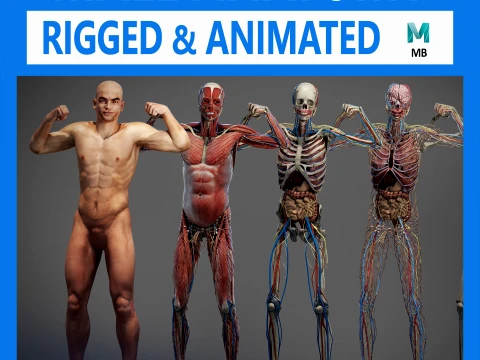
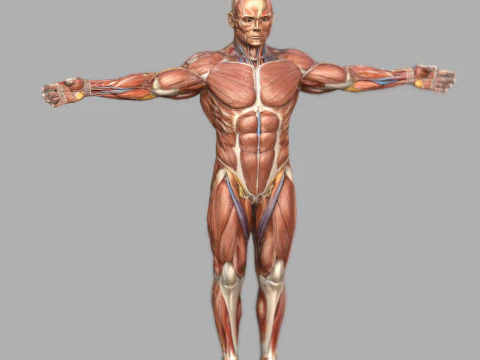
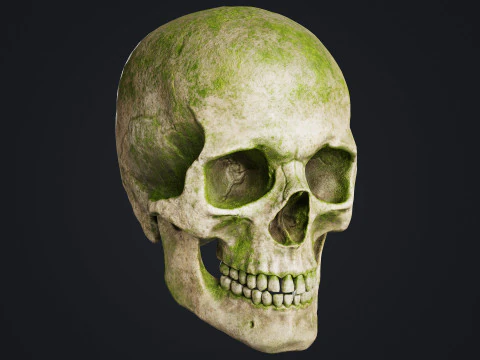
Kita punya 1830 item Royalti gratis Model 3D. This category contains a wide choice of Anatomy 3D Models - Characters. Any 3D Anatomy model is available in .max, .obj, .c4d, .fbx, .dxf, .dwg, .stl, .iges, .3ds, .mb, .lwo, .3dm, .skp and .blend format. Some of them are ready for 3D Printing & Games. Also you will find a great number of models in Robots and Cartoon categories.
- -50%
 creativegameshopAnatomy



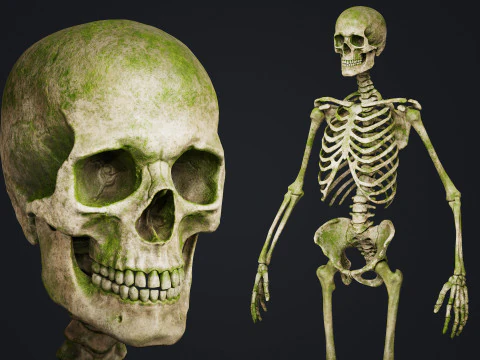


















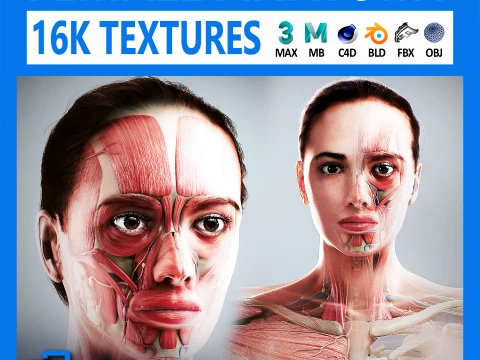






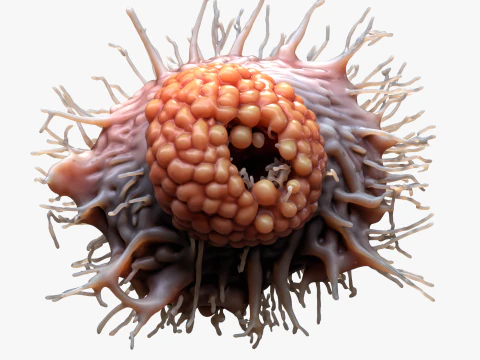


Penelusuran yang lagi ngetren Model 3D:
Patung Model 3D Karakter Model 3D Dapur Model 3D Kuda Model 3D Eksterior Arsitektur Model 3D Telepon dan Ponsel Model 3D Sayuran Model 3D Perhiasan Model 3D Mainan Model 3D Medis Model 3D Helikopter Model 3D Senjata Berat Model 3D Truk Model 3D Anatomi Model 3DSeberapa akurat model 3D anatomi ini untuk penggunaan medis profesional pada tahun 2026?
Pada tahun 2026, aset anatomi profesional dikembangkan menggunakan data MRI dan CT scan beresolusi tinggi, memastikan presisi milimeter untuk setiap struktur fisiologis. Ini bukan lagi sekadar representasi visual, melainkan "Digital Twins" dari tubuh manusia, di mana setiap tulang, otot, arteri, dan organ mengikuti geometri medis yang benar serta penempatan topologis yang tepat. Aset-aset ini sangat penting untuk perencanaan bedah, memungkinkan dokter mempelajari patologi dalam 3D sebelum prosedur, atau untuk rekonstruksi forensik dan studi antropologi. Tingkat ketelitian yang tinggi memungkinkan pembedahan virtual di laboratorium VR pendidikan, memberikan mahasiswa pengalaman imersif yang sebelumnya hanya mungkin di laboratorium jenazah sungguhan, namun dengan keuntungan tambahan berupa studi yang dapat diulang dan pemeriksaan jaringan mikroskopis.
Apakah model-model ini mendukung isolasi sistem tertentu untuk visualisasi medis khusus?
Ya, aset anatomi profesional 2026 memiliki struktur hierarkis yang ketat dan konvensi penamaan sesuai terminologi medis internasional. Hal ini memungkinkan pengguna untuk langsung mengisolasi atau menyembunyikan sistem apa pun, seperti sistem skeletal, otot, saraf, pencernaan, atau kardiovaskular. Fitur ini diimplementasikan melalui mesh modular, memungkinkan pengguna untuk menampilkan hanya sistem sirkulasi untuk studi angiologi atau hanya pleksus saraf untuk penelitian neurologi. Fleksibilitas ini sangat penting untuk membuat video pendidikan, atlas interaktif, dan presentasi pemasaran farmasi di mana fokus harus ditempatkan pada area tubuh tertentu tanpa mengacaukan tampilan, yang juga mengoptimalkan kinerja untuk render farm dan mesin real-time.
Bagaimana animasi dan biomekanika ditangani dalam model anatomi ini?
Sebagian besar model anatomi kelas atas tahun 2026 dilengkapi dengan rig fisiologis yang kompleks. Artinya, model-model ini tidak statis; mereka dapat menunjukkan gerakan dinamis seperti kontraksi otot bisep, rotasi sendi dengan batasan ligamen, atau ekspansi tulang rusuk selama pernapasan. Pengembang kini memanfaatkan sistem simulasi otot real-time yang memperhitungkan volume jaringan dan gesekan. Hal ini memungkinkan simulasi yang sangat realistis untuk kedokteran olahraga, analisis cedera, atau pengembangan prostetik dan eksoskeleton. Pengguna dapat menganimasi model untuk melihat bagaimana tegangan otot berubah di bawah beban tertentu, memberikan visualisasi yang didasarkan pada ilmu pengetahuan tentang aktivitas manusia untuk keperluan film, game, dan penelitian.
<р2>Jenis shader dan tekstur apa yang digunakan untuk mensimulasikan jaringan internal manusia?Untuk mencapai fotorealistik lingkungan internal manusia, model 2026 menggunakan bahan PBR khusus dengan pengaturan Subsurface Scattering (SSS) yang canggih. Hal ini membuat organ tampak basah dan tembus cahaya, meniru sifat biologis kehidupan nyata. Tekstur mencakup peta difusi, normal, dan spekular dengan resolusi 8K, menangkap detail halus seperti jaringan kapiler, struktur tulang berpori, atau serat otot. Perhatian khusus diberikan pada shader "Cross-Section", yang memungkinkan pemotongan real-time melalui organ untuk menunjukkan struktur internal—seperti ruang jantung atau lapisan kulit—tanpa modifikasi mesh manual, yang kini menjadi standar industri untuk presentasi medis tingkat tinggi dan simulator bedah VR.
<р2>Apakah model-model ini kompatibel dengan platform VR/AR untuk pembelajaran medis interaktif?Optimasi untuk VR dan AR menjadi prioritas utama pada tahun 2026. Meskipun detailnya sangat mendalam, model-model ini dilengkapi dengan set LOD (Level of Detail) bertahap, memungkinkan mereka berjalan lancar di headset mandiri seperti Meta Quest atau Apple Vision Pro. Mereka mendukung label interaktif, proxy tabrakan, dan mekanisme "grab", memungkinkan pengguna secara harfiah mengangkat organ, memutarnya, dan memeriksanya dari semua sisi di ruang virtual. Hal ini menciptakan lingkungan pembelajaran yang imersif di mana kesalahan bedah tidak mengorbankan nyawa, melainkan memberikan pengalaman praktis yang tak ternilai. Model-model ini juga sering kompatibel dengan format USDZ dan GLB untuk tampilan AR instan melalui browser smartphone tanpa aplikasi khusus.