


 English
 Español
 Deutsch
 日本語
日本語 Polska
 Français
 한국의
한국의 Українська
 Italiano
 Nederlands
 Türkçe
 Português
 Русский
 中國
中國 हिंदी
हिंदी
















Engineering - Sains Model Cetak 3D
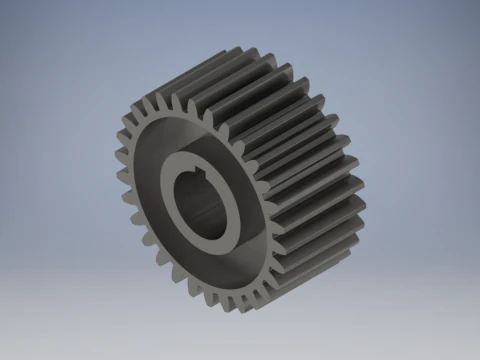
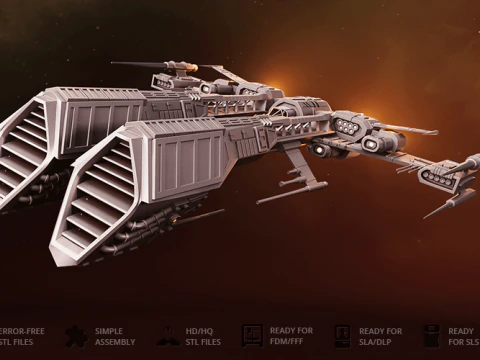
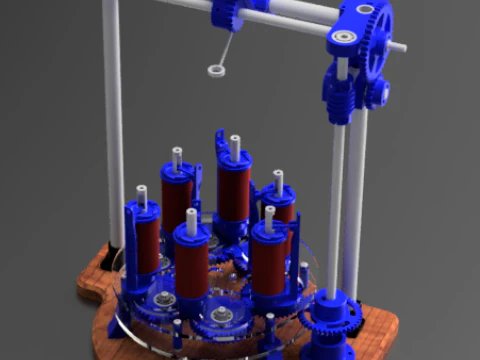
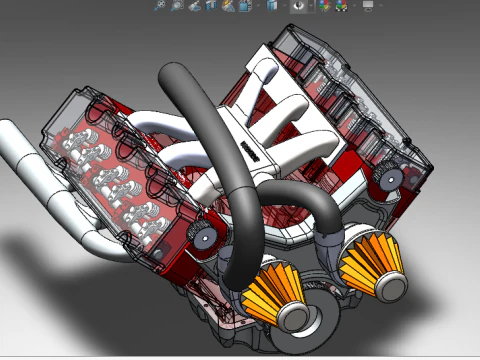
Kita punya 903 item Royalti gratis Model 3D. This category contains a wide choice of Engineering - 3D Printable Models. Any 3D Printable Engineering model is available in .obj, .stl, .iges, .3dm, .skp, .wrl and .blend format. All of these 3d print models are ready for 3D Printing. Also you will find a great number of 3d models in Biology and Math categories.
 seymen12234Engineering
 smtcnyrt2924Engineering
- -20%
 RoboticpartsEngineering
  andrey.deal.2023Engineering
- -50%
 cody3dEngineering
 - -50%
 cody3dEngineering
 - -50%
 cody3dEngineering
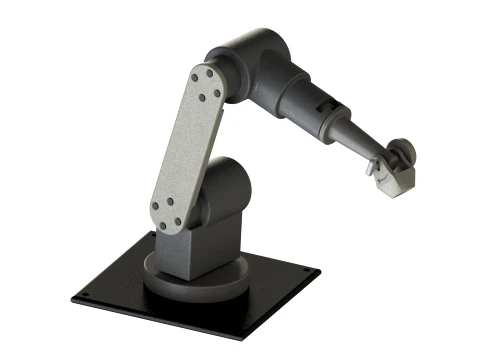
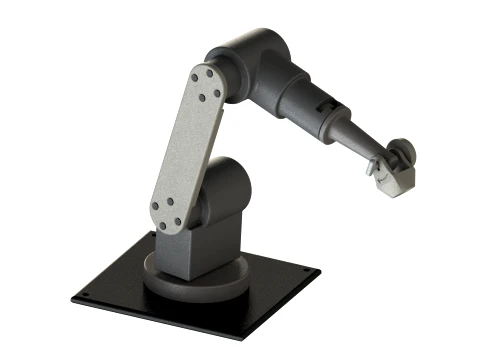

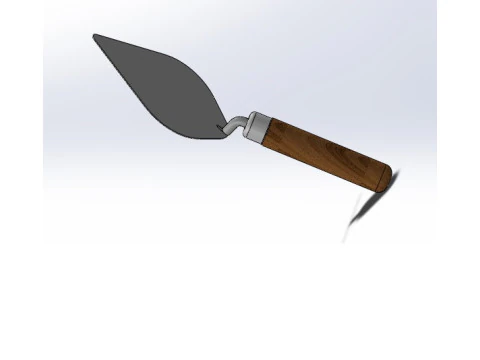


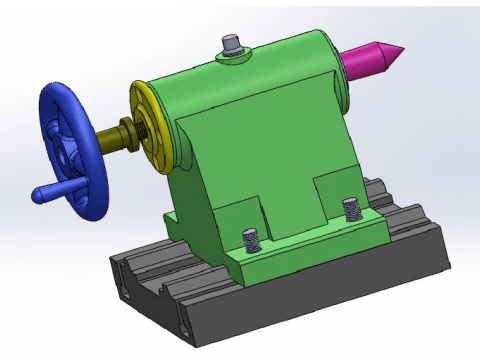


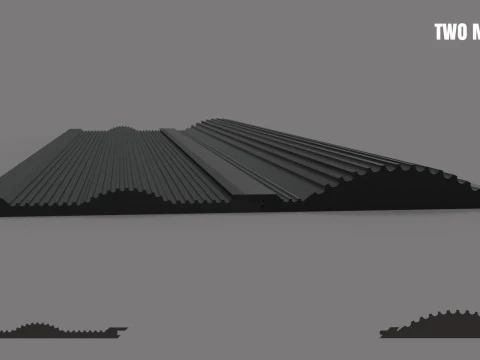

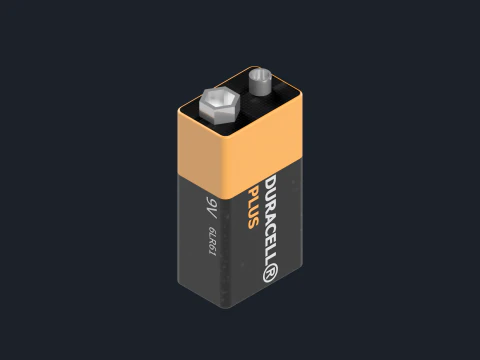


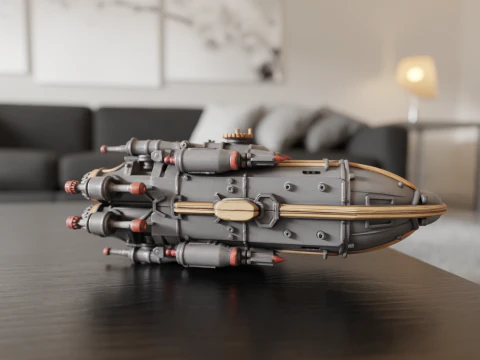
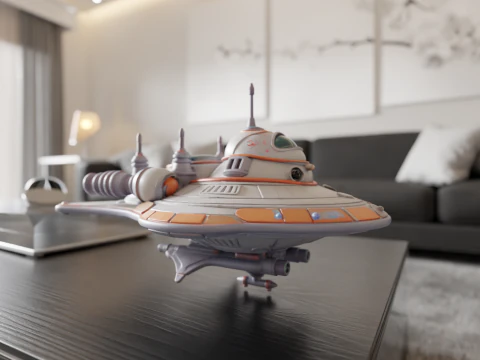




















Penelusuran yang lagi ngetren Model 3D:
Patung Model 3D Karakter Model 3D Dapur Model 3D Kuda Model 3D Eksterior Arsitektur Model 3D Telepon dan Ponsel Model 3D Sayuran Model 3D Perhiasan Model 3D Mainan Model 3D Medis Model 3D Helikopter Model 3D Senjata Berat Model 3D Truk Model 3D Anatomi Model 3DJenis sistem mekanik fungsional apa saja yang termasuk dalam kategori Teknik?
Koleksi Teknik 2026 adalah perpustakaan yang komprehensif tentang kecerdikan mekanis, menampilkan segala hal mulai dari rangkaian roda gigi planet yang rumit dan rakitan diferensial hingga model penampang turbin jet dan mesin pembakaran dalam. Kami juga menyediakan model teknik struktural seperti rangka jembatan dan balok "Voronoi-Optimized" untuk demonstrasi pengujian beban. Setiap model dirancang dengan mengutamakan "Logika Mekanik", memastikan bahwa poros, bantalan, dan gigi yang saling mengunci memiliki ukuran yang tepat untuk gerakan fisik. Aset-aset ini sangat penting bagi mahasiswa teknik yang perlu memahami bagaimana rakitan kompleks saling cocok dan bergerak bersama, memberikan pengalaman langsung yang melengkapi pelatihan perangkat lunak CAD.
Apakah model teknik ini "Print-in-Place" atau memerlukan perakitan?
Kami menawarkan opsi "Print-in-Place" (PIP) dan "Modular-Assembly" untuk menyesuaikan tingkat keahlian pencetakan 3D yang berbeda. Model PIP dirancang dengan celah internal spesifik yang memungkinkan roda gigi dan sambungan bergerak segera setelah dicetak, tanpa perakitan. Pada tahun 2026, model ini sangat populer untuk mendemonstrasikan rantai kinematik. Untuk mesin atau mesin "Large-Scale" yang lebih kompleks, kami menyediakan kit modular dengan "Interlocking-Fasteners." Kit ini memungkinkan pengguna mencetak komponen individu dalam warna dan bahan yang berbeda, yang sangat baik untuk tujuan pendidikan untuk membedakan antara tahap intake, kompresi, dan pembuangan pada mesin, atau sekadar menjadikan proses perakitan sebagai momen pembelajaran itu sendiri.
Bagaimana model-model ini menangani "Toleransi Mekanis" untuk bagian yang bergerak?
Model teknik untuk tahun 2026 dirancang dengan "Dynamic-Clearance-Offsets." Biasanya, kami menyediakan celah 0,2 mm hingga 0,4 mm antara bagian bergerak, yang merupakan "titik optimal" untuk sebagian besar printer FDM standar guna mencegah bagian-bagian menyatu sambil tetap menjaga kesesuaian yang rapat dan profesional. Bagi yang menggunakan printer resin presisi tinggi, kami juga menyediakan versi "Toleransi Ketat." Perhatian teknis terhadap detail ini memastikan bahwa gigi tidak bergetar dan piston meluncur dengan lancar, menghasilkan model fisik yang berperilaku seperti versi industri aslinya. Hal ini esensial untuk prototipe "Proof-of-Concept" di mana sensasi mekanis perakitan sama pentingnya dengan penampilannya.
Apakah model-model ini dapat digunakan untuk pengujian beban dan tegangan struktural?
Ya, banyak model teknik struktural 2026 kami dirancang sebagai "Aset Acuan" untuk menguji kekuatan material. Kami menyediakan model dengan pola pengisian dan desain rangka yang beragam, yang dapat dicetak oleh mahasiswa dan dipatahkan secara fisik di bawah tekanan untuk mengamati "Titik Kegagalan" dan "Distribusi Tegangan." Model-model ini sering digunakan dalam kompetisi "Pembangunan Jembatan" atau laboratorium ilmu material. Dengan mencetak dan menguji geometri teknik ini, pengguna dapat memperoleh pemahaman praktis tentang bagaimana bentuk struktural yang berbeda—seperti balok I versus tabung hampa—merespons tegangan dan kompresi, mengubah kuliah teoretis di kelas menjadi eksperimen teknik yang mendalam dan berkesan.
Proses pasca-pencetakan apa yang direkomendasikan untuk cetakan mekanis fungsional?
Untuk cetakan teknik yang dimaksudkan untuk gerakan berulang, kami merekomendasikan "Pengamplasan Permukaan" dan pelumasan. Pada tahun 2026, kami menyarankan penggunaan amplas berbutir halus pada permukaan yang bersentuhan, diikuti dengan pelumas kering berbasis PTFE untuk memastikan keandalan mekanis jangka panjang. Untuk cetakan resin, memastikan pengeringan UV yang sempurna sangat penting untuk mencegah bagian menjadi terlalu rapuh di bawah tekanan mekanis. Kami juga merekomendasikan "Heat-Annealing" untuk bagian yang dicetak dari polimer seperti PLA+ atau PETG guna meningkatkan ketahanan panas dan kekakuan strukturalnya. Langkah-langkah tambahan ini memastikan bahwa mesin atau gearbox cetakan 3D Anda benar-benar dapat "dijalankan" oleh motor listrik kecil dalam waktu lama tanpa meleleh atau gagal.