


 English
 Español
 Deutsch
 日本語
日本語 Polska
 Français
 한국의
한국의 Українська
 Italiano
 Nederlands
 Türkçe
 Português
 Русский
 中國
中國 हिंदी
हिंदी
















Serba-serbi - Makanan Model 3D
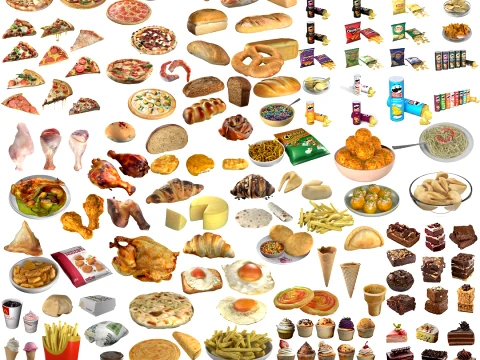
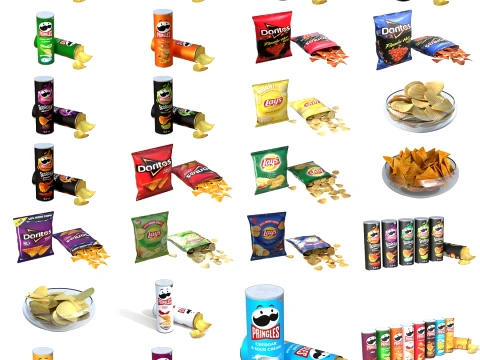
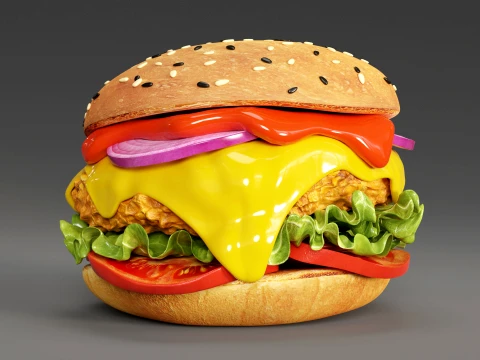
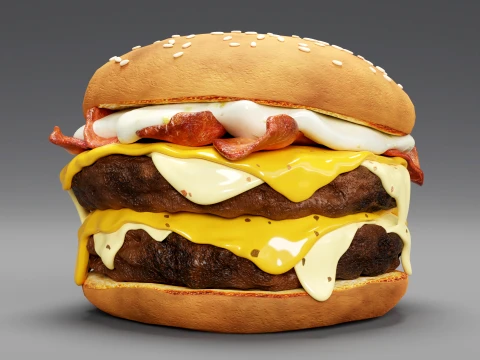
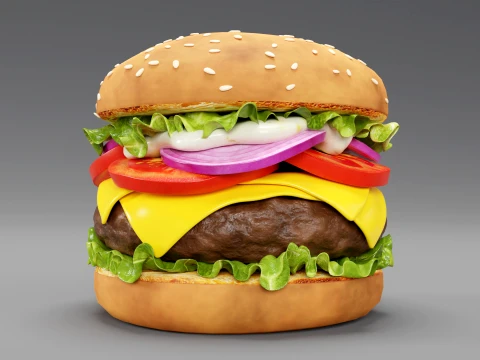
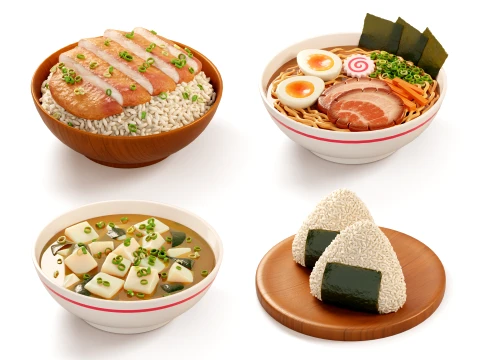
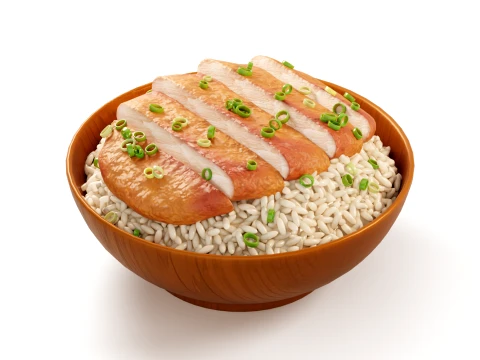
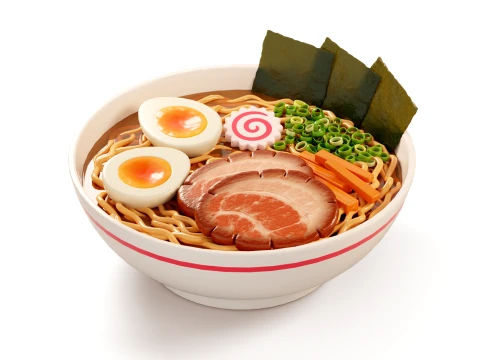
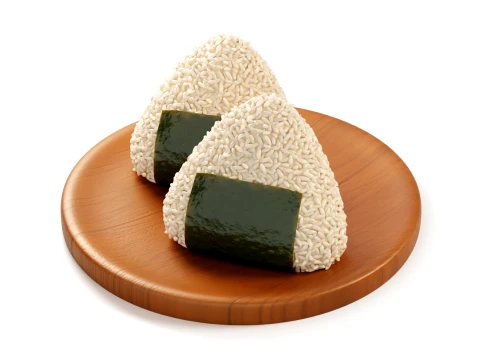
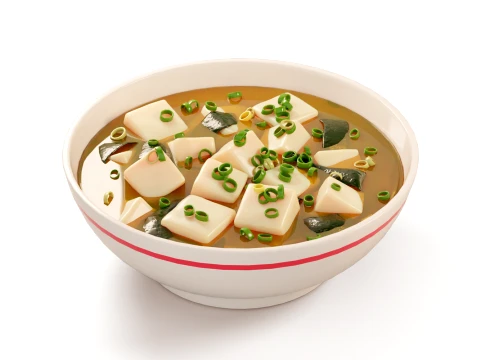
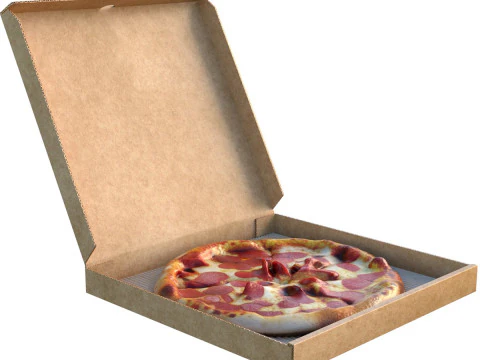
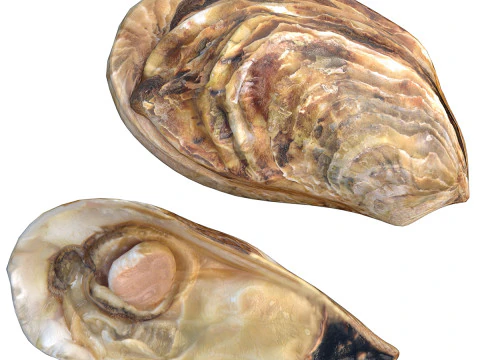
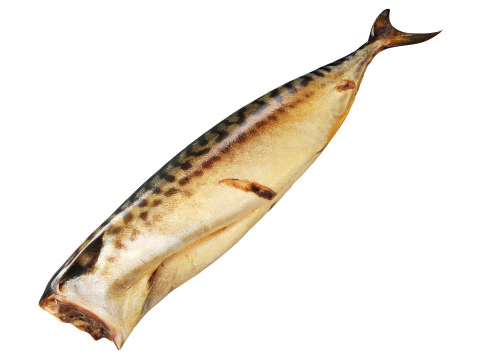
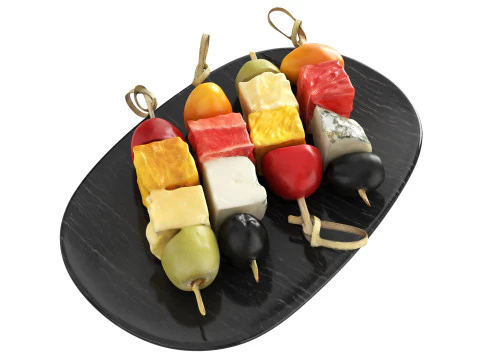
Kita punya 2783 item Royalti gratis Model 3D. This category contains a wide choice of Miscellaneous 3D Models - Food. Any 3D Miscellaneous model is available in .max, .obj, .c4d, .fbx, .dxf, .dwg, .stl, .iges, .3ds, .mb, .lwo, .3dm, .skp and .blend format. Some of them are ready for 3D Printing & Games. Also you will find a great number of models in Fruit and Meat categories.























Penelusuran yang lagi ngetren Model 3D:
Patung Model 3D Karakter Model 3D Dapur Model 3D Kuda Model 3D Eksterior Arsitektur Model 3D Telepon dan Ponsel Model 3D Sayuran Model 3D Perhiasan Model 3D Mainan Model 3D Medis Model 3D Helikopter Model 3D Senjata Berat Model 3D Truk Model 3D Anatomi Model 3DJenis produk apa saja yang termasuk dalam kategori makanan lain-lain untuk tahun 2026?
Kategori Lain-lain adalah perpustakaan komprehensif untuk bahan-bahan yang tidak masuk dalam kelompok tradisional, seperti beras, pasta, rempah-rempah kering, tepung, dan minyak dalam botol. Pada tahun 2026, model-model ini dibangun dengan "Granular Precision," artinya semangkuk beras atau tumpukan tepung bukan sekadar gumpalan bertekstur, melainkan jaring kompleks dengan "Micro-Geometry" yang mensimulasikan butiran atau partikel individu. Hal ini esensial bagi kreator yang membangun adegan dapur berdetail tinggi, lorong supermarket, atau tutorial memasak di mana fokus kamera tertuju pada bahan mentah yang digunakan dalam resep.
Bagaimana "Bahan Kering" seperti tepung dan rempah-rempah diberi tekstur agar terlihat realistis?
Mencapai tampilan realistis untuk bahan bertekstur bubuk memerlukan shader khusus "Fuzz" dan "Velvet" untuk meniru cara cahaya menyebar di jutaan partikel kecil. Untuk rempah-rempah, kami menggunakan "Normal Maps" beresolusi tinggi yang dihasilkan dari fotogrametri untuk menangkap tepi tidak beraturan dan bergerigi dari herba yang dihancurkan atau biji lada. Hal ini mencegah bahan-bahan tersebut terlihat seperti plastik padat. Pada tahun 2026, kami juga menyertakan geometri "Clumping" untuk tepung dan gula, yang menunjukkan bagaimana kelembapan menyebabkan bubuk-bubuk ini saling menempel, memberikan nuansa taktil "Work-in-Progress" untuk adegan persiapan dapur.
Apakah ada model untuk "Bahan Cair" seperti minyak dan cuka?
Ya, koleksi ini mencakup berbagai cairan dalam botol dengan shader "Viscosity-Based". Untuk minyak zaitun atau madu, kami menggunakan "Volumetric Absorption" untuk memastikan cairan lebih gelap di tengah botol dan lebih terang di tepi. Pada tahun 2026, model-model ini sering menampilkan geometri "Dynamic Meniscus" di mana cairan bertemu dengan kaca, yang merupakan detail halus namun kritis untuk fotografi produk kelas atas. Botol-botol tersebut dilengkapi dengan label realistis yang memiliki foil logam dan teks timbul, memungkinkan branding premium dalam render komersial.
Apakah model-model ini mendukung "Kitbashing" untuk kemasan makanan kustom?
Banyak aset tambahan dirancang dengan "Modularitas Kemasan." Untuk barang seperti kotak sereal, kantong pasta, atau toples bumbu, kemasan luar merupakan mesh terpisah dari isi di dalamnya. Hal ini memungkinkan seniman 3D menggunakan geometri makanan realistis di dalam wadah bermerek kustom mereka sendiri. Peta UV dioptimalkan secara ketat untuk "Label Swapping," memudahkan tim pemasaran memvisualisasikan desain kemasan eksklusif mereka menggunakan aset makanan 3D standar industri yang sudah memiliki properti fisik dan pengaturan pencahayaan yang tepat.
Bagaimana "Small Grains" dioptimalkan untuk rendering skala besar?
Untuk mencegah penurunan kinerja saat merender ribuan butir beras atau merica, model 2026 menggunakan "Point Cloud Rendering" atau "Instanced Geometry." Kami menyediakan aset "Hero" untuk close-up dan proxy "Scatter-Ready" untuk mengisi wadah besar. Proxy ini menggunakan "Hybrid Shader" yang memperkirakan penyebaran cahaya melalui volume butiran tanpa menghitung masing-masing secara individual. Hal ini memastikan Anda dapat merender silo penuh atau wadah bulk supermarket besar dengan ketelitian visual tinggi sambil menjaga waktu rendering tetap terkelola untuk produksi ArchViz profesional.