


 English
 Español
 Deutsch
 日本語
日本語 Polska
 Français
 한국의
한국의 Українська
 Italiano
 Nederlands
 Português
 Bahasa Indonesia
 Русский
 中國
中國 हिंदी
हिंदी
















Pirinç - Müzik 3D Modeller
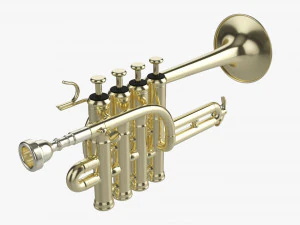
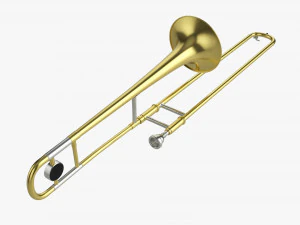
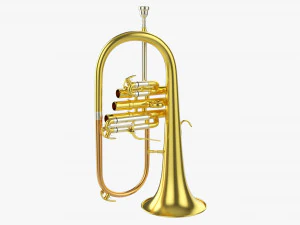
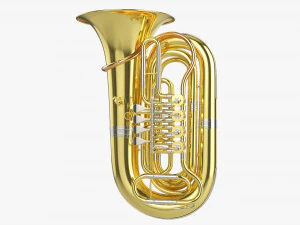
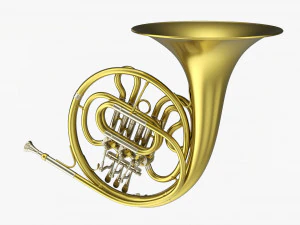
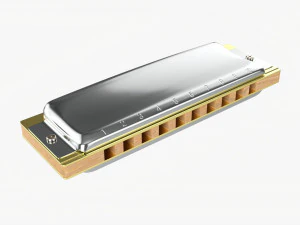
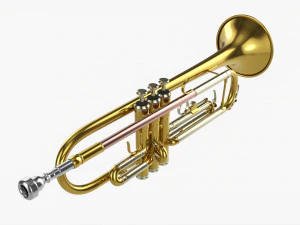
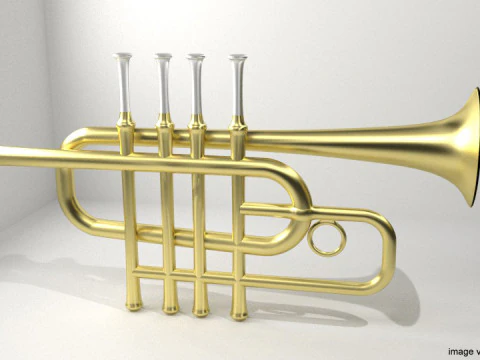
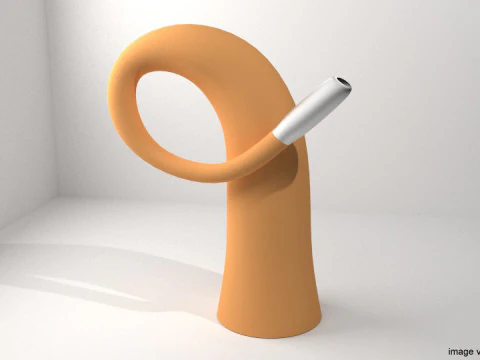
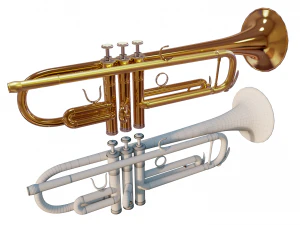
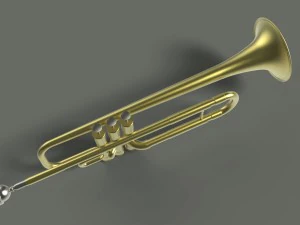
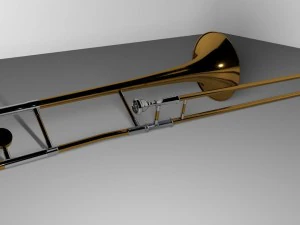
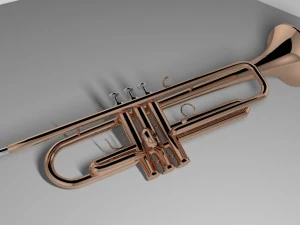
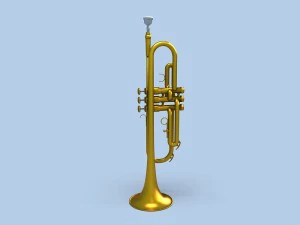
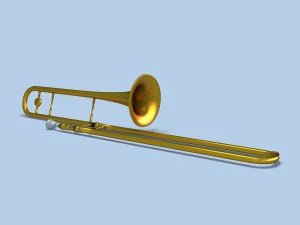
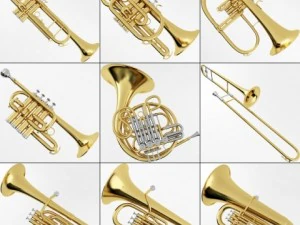
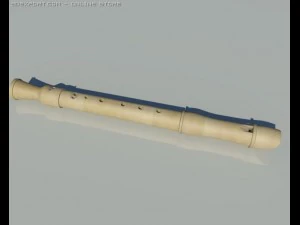
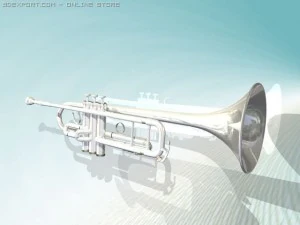
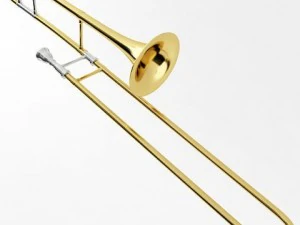
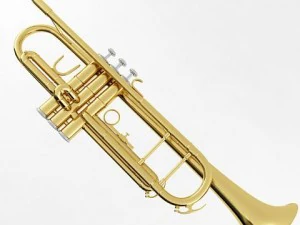
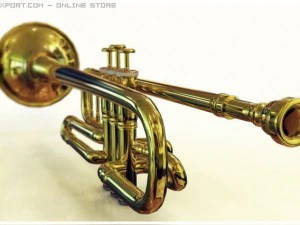
Bizde mevcut 79 ürün(ler) Telifsiz 3D Modeller. This category contains a wide choice of Brass 3D Models - Music. Any 3D Brass model is available in .max, .obj, .c4d, .fbx, .dxf, .dwg, .stl, .iges, .3ds, .mb, .lwo, .3dm, .skp and .blend format. Some of them are ready for 3D Printing & Games. Also you will find a great number of models in Piano and Electronic categories.
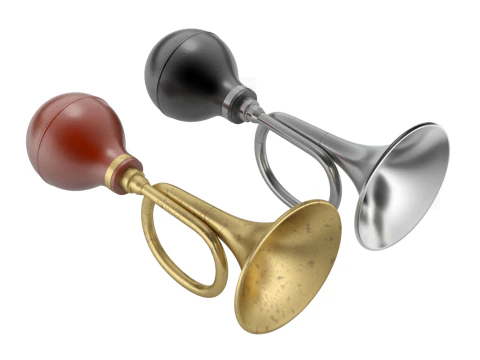

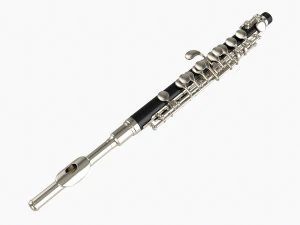
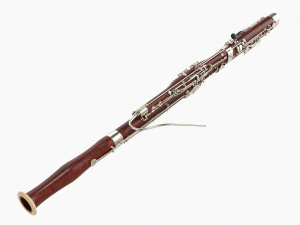

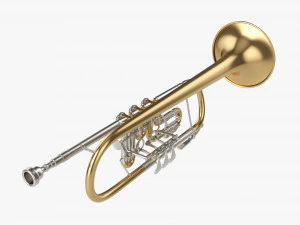




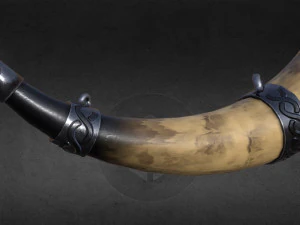
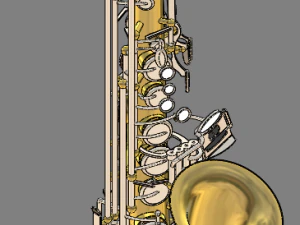
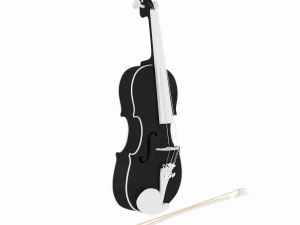
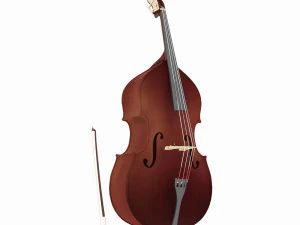























Trend olan aramalar 3D Modeller:
Heykel 3D Modeller Karakterler 3D Modeller Mutfak 3D Modeller At 3D Modeller Dış Mimarlık 3D Modeller Ev Telefonu ve Cep Telefonu 3D Modeller Sebze 3D Modeller Mücevher 3D Modeller Oyuncaklar 3D Modeller Tıbbi 3D Modeller Helikopter 3D Modeller Ağır silah 3D Modeller Kamyon 3D Modeller Anatomi 3D Modeller2026'da pirinç enstrümanların karakteristik metalik parlaklığı nasıl elde ediliyor?
Profesyonel bir orkestranın ikonik görünümünü yakalamak için, cilalı sarı pirinç, altın kaplama ve gümüş-nikel alaşımlarının derinliğini simüle eden çok katmanlı PBR gölgelendiricileri kullanıyoruz. Bu malzemeler, ışığın kavisli çan ve borular boyunca yayılma şeklini yeniden üreten anizotropik parlaklık özelliklerine sahiptir. 2026'da, hafif parlatma izleri ve çatlaklardaki ince kararmalar gibi mikro kusurları da dahil ederek, enstrümanların prosedürel olarak oluşturulmuş şekillerden ziyade, bir virtüözün yüksek kaliteli, elle cilalanmış aletleri gibi görünmesini sağlıyoruz. Bu düzeyde malzeme gerçekçiliği, enstrümanın çevredeki sahne ortamını mutlak teknik netlikle yansıtması gereken yakın plan renderlar için çok önemlidir.
Valfler ve sürgüler, gerçekçi performans animasyonları için donatılmış mı?
2026 koleksiyonumuzdaki her pirinç enstrüman, tamamen çalışmaya hazırdır. Trompetler ve tubalar için piston valfleri, doğru yay geri dönüş fiziği ile donatılmıştır; trombonlar ise kısıtlamalara dayalı yumuşak kaydırma hareketine sahiptir. Su anahtarları ve akort sürgüler bile ayrı, hareketli bileşenlerdir. Bu mekanik hassasiyet, animatörlerin enstrüman hareketini müzik notalarıyla mükemmel bir şekilde senkronize etmelerine olanak tanır ve enstrümanın mekanik mantığının korunduğu inandırıcı bir performans sunar. Bu, izleyicinin ses ile pirinç bölümünün görsel mekaniği arasında 1:1 bir korelasyon beklediği sanal gerçeklik orkestra deneyimleri ve sinematik müzik videoları için temel bir gerekliliktir.
Çan ve ağızlıklar ne düzeyde iç detaylara sahiptir?
2026 modellerimiz, kesintisiz iç geometriye sahiptir; bu, çan kısmının iç kısmının dış kısmı kadar ayrıntılı olduğu anlamına gelir. Bu, ışık yansımaları ve akustik görselleştirmeler için hayati önem taşır. Ağızlıklar, doğru boğaz ve arka delik boyutlarına sahip, ayrı ve çıkarılabilir varlıklar olarak modellenmiştir. Bu, teknik "Patlatılmış Görünüm" renderlarına ve havanın enstrüman içinden nasıl aktığını gösteren eğitim içeriğine olanak tanır. İç yüzeyler, boru içindeki cilalanmamış pirincin ince dokusunu simüle etmek için özel pürüzlülük haritaları kullanır ve çan kısmına doğrudan bakmak da dahil olmak üzere her kamera açısının teknik olarak doğru ve fiziksel olarak gerçekçi bir 3D varlığı ortaya çıkarmasını sağlar.
Bu modeller gerçekçi aşınma ve "Sahne Ömrü" yıpranmasını destekliyor mu?
Steril bir görünümden kaçınmak için, "Müzisyen Temas" aşınması için özel maskeler sunuyoruz. Müzisyenin ellerinin doğal olarak dayandığı valf kasalarında kaplama bozulmasının derecesini ayarlayabilir veya su tuşlarının yakınında ince "Tükürük Valfi" izleri ekleyebilirsiniz. 2026'da bu yıpranma efektleri tahribatsızdır; bu sayede fabrika çıkışı yeni bir showroom görünümü ile deneyimli, turne yıpranmış bir estetik arasında geçiş yapabilirsiniz. Bu çok yönlülük, ister prestijli bir konservatuvar salonunu ister enstrümanların fiziksel dokusunda kullanım tarihini taşıyan, sert ve loş ışıklı bir caz kulübünü tasvir ediyor olun, 3D ortamlarda hikaye anlatımı için çok önemlidir.
Boruların karmaşık eğrileri performans açısından nasıl optimize edilmiştir?
Kornoların ve tubaların karmaşık geometrisine rağmen, 2026 modellerimiz "Sub-D" (Subdivision Surface) iş akışlarını ve "Vertex-Normal" optimizasyonunu kullanır. Bu, poligon sayısını gereksiz yere artırmadan, boruların yuvarlaklığının aşırı yakın çekimlerde bile mükemmel bir şekilde pürüzsüz kalmasını sağlar. Çeşitli LOD seviyeleri sunuyoruz; en yüksek detay seviyesi karmaşık lehim bağlantılarına ve desteklere odaklanırken, daha düşük seviyeler uzak orkestra çekimleri için zarif silueti korur. Teknik hassasiyet ve performans optimizasyonu arasındaki bu denge, karmaşık bir müzik sekansı sırasında sistem kararlılığından veya kameranın akıcı hareketinden ödün vermeden 100 kişilik tam bir orkestranın render edilmesini sağlar.