


 English
 Español
 Deutsch
 Polska
 Français
 한국의
한국의 Українська
 Italiano
 Nederlands
 Türkçe
 Português
 Bahasa Indonesia
 Русский
 中國
中國 हिंदी
हिंदी
















金管楽器 - 音楽 3Dモデル
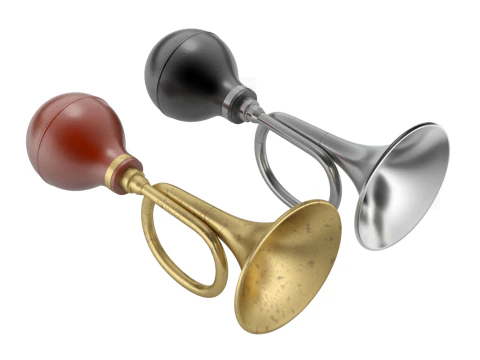
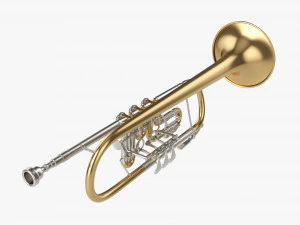
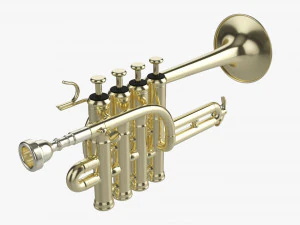
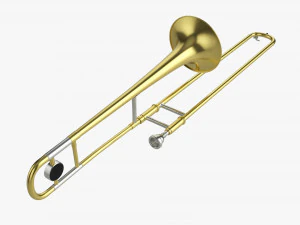
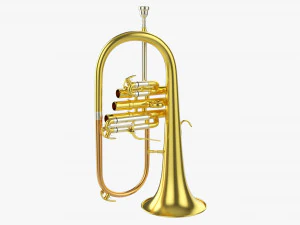
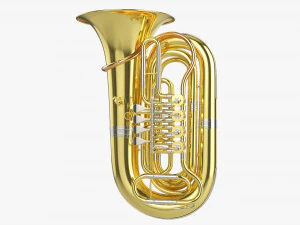
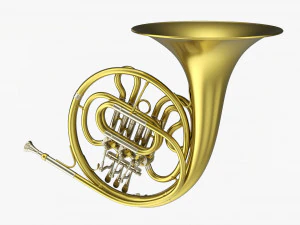
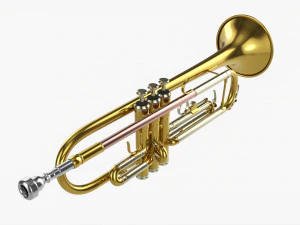
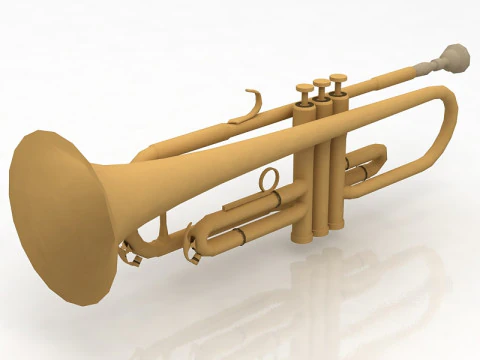
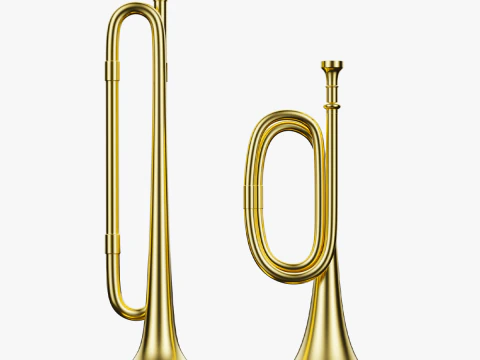
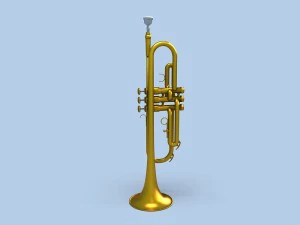
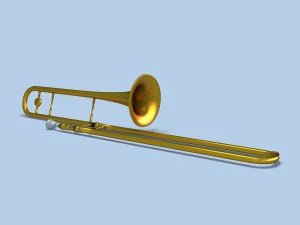
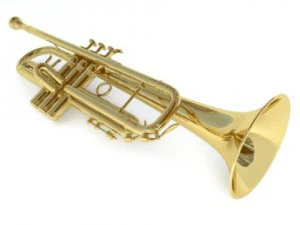
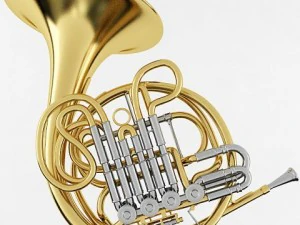
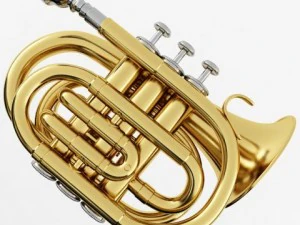
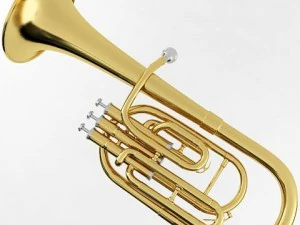
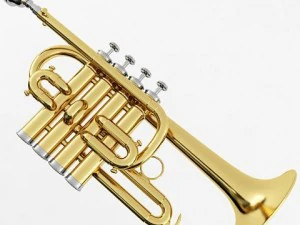
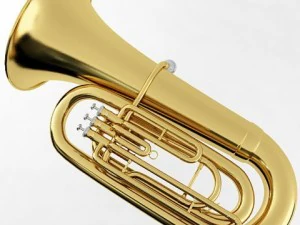
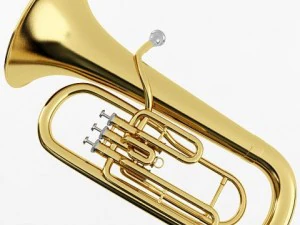
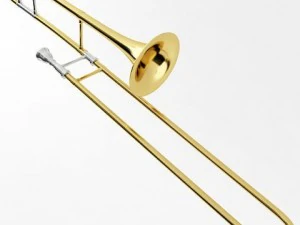
あります 79アイテム ロイヤリティフリー 3Dモデル. This category contains a wide choice of Brass 3D Models - Music. Any 3D Brass model is available in .max, .obj, .c4d, .fbx, .dxf, .dwg, .stl, .iges, .3ds, .mb, .lwo, .3dm, .skp and .blend format. Some of them are ready for 3D Printing & Games. Also you will find a great number of models in Piano and Electronic categories.














トレンド検索 3Dモデル:
彫刻 3Dモデル 特徴 3Dモデル 台所 3Dモデル 馬 3Dモデル 外装 3Dモデル 電話と携帯電話 3Dモデル 野菜 3Dモデル ジュエリー 3Dモデル 人形 3Dモデル 医療の 3Dモデル ヘリコプター 3Dモデル 重い武器 3Dモデル トラック 3Dモデル 骨格 3Dモデル2026年、金管楽器特有の金属光沢はどのように再現されているのでしょうか?
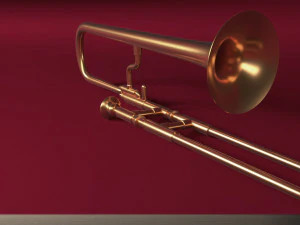
プロオーケストラの象徴的な外観を再現するため、磨き上げられたイエローブラス、金メッキ、銀ニッケル合金の奥行きをシミュレートする多層PBRシェーダーを採用しています。これらのマテリアルには異方性ハイライトが施されており、湾曲したベルや管に沿って光が伸びていく様子を忠実に再現しています。 2026年版では、かすかな研磨跡や溝に生じた微細な変色といった微細な欠陥も再現し、楽器がプロシージャル生成された形状ではなく、名演奏家が使用する高品質で手磨きされた道具のように見えるようにしています。このレベルのマテリアル再現性は、楽器が周囲のステージ環境を技術的に完璧に反映しなければならないクローズアップレンダリングにおいて極めて重要です。
バルブやスライドは、リアルな演奏アニメーションに対応するようリギングされていますか?
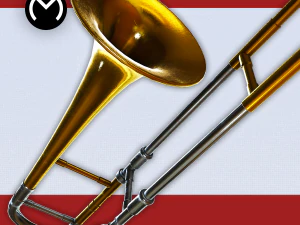
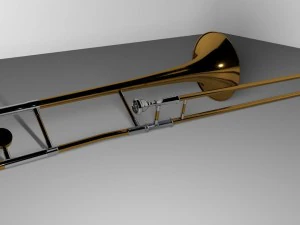
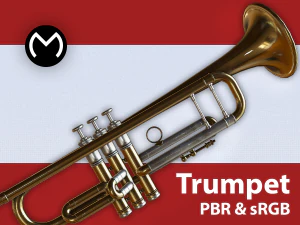
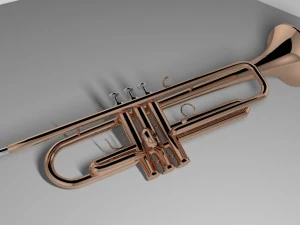
2026年コレクションのすべての金管楽器は、演奏動作に対応しています。トランペットとチューバのピストンバルブには正確なスプリングバック物理演算が適用されており、トロンボーンは制約ベースの滑らかなスライド動作を実現しています。 ウォーターキーやチューニングスライドでさえ、独立した可動部品として実装されています。この機械的な精密さにより、アニメーターは楽器の動きを楽譜と完璧に同期させることができ、楽器の機械的ロジックを損なうことなく、説得力のある演奏表現を実現します。これは、視聴者が金管セクションの音と視覚的なメカニズムの間に1対1の相関関係を期待する、バーチャルリアリティのオーケストラ体験やシネマティックなミュージックビデオにおいて、不可欠な要件です。
ベルやマウスピースの内部ディテールはどの程度再現されていますか?
当社の2026年モデルは連続した内部ジオメトリを採用しており、ベルの内部も外部と同様に詳細に再現されています。これは、光の反射や音響の可視化において不可欠な要素です。 マウスピースは、スロートとバックボアの寸法を正確に再現した、独立した取り外し可能なアセットとしてモデリングされています。これにより、技術的な「分解図」のレンダリングや、楽器内部の空気の流れを解説する教育コンテンツの作成が可能になります。内部表面には特殊なラフネスマップが使用されており、管内部の研磨されていない真鍮の微細な質感をシミュレートしています。これにより、ベルを真上から覗き込むようなカメラアングルを含め、あらゆる角度から見た際に、技術的に正確で物理的に妥当な3Dアセットが再現されます。
これらのモデルは、リアルな摩耗や「ステージでの使用による経年変化」を再現できますか?
無機質な外観を避けるため、「演奏者による接触」による摩耗を再現するカスタムマスクを用意しています。演奏者の手が自然に置かれるバルブケーシングの仕上げ劣化の度合いを調整したり、ウォーターキー付近に「唾によるバルブ」の微細な筋を追加したりすることが可能です。 2026年現在、これらの経年変化効果は非破壊的であり、工場出荷時のショールームのような外観と、ツアーで使い込まれた風格のある外観を自由に切り替えることができます。この汎用性は、名門音楽院のホールを描く場合でも、楽器の物理的な質感にその使用の歴史が刻まれた、荒削りで薄暗いジャズクラブを描く場合でも、3D環境におけるストーリーテリングに不可欠です。
管体の複雑な曲線は、パフォーマンスの観点からどのように最適化されているのでしょうか?
ホルンやチューバの複雑な形状にもかかわらず、2026年モデルでは「Sub-D」(サブディビジョンサーフェス)ワークフローと「Vertex-Normal」最適化を採用しています。これにより、ポリゴン数を不必要に増やすことなく、極端なクローズアップでもパイプの丸みを完璧に滑らかに保つことができます。 様々なLODレベルを用意しており、最高詳細レベルでは複雑なはんだ接合部や補強構造に焦点を当て、低詳細レベルでは遠景のオーケストラショットでも優雅なシルエットを保ちます。この技術的な精度とパフォーマンス最適化のバランスにより、複雑な音楽シーケンス中でもシステムの安定性やカメラの滑らかな動きを損なうことなく、100人編成のオーケストラ全体をレンダリングすることが可能です。