


 English
 Español
 Deutsch
 Polska
 Français
 한국의
한국의 Українська
 Italiano
 Nederlands
 Türkçe
 Português
 Bahasa Indonesia
 Русский
 中國
中國 हिंदी
हिंदी
















エイリアン - 特徴 3Dモデル
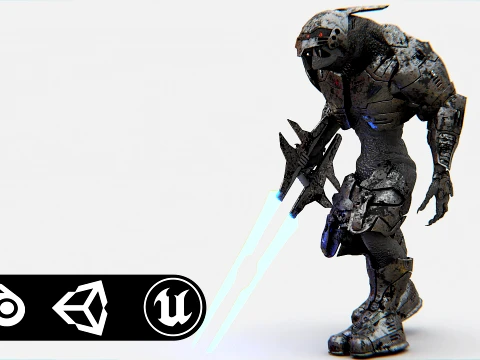
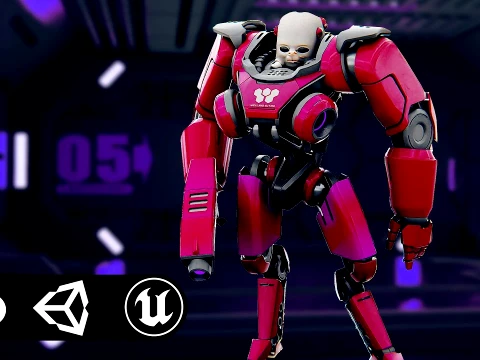
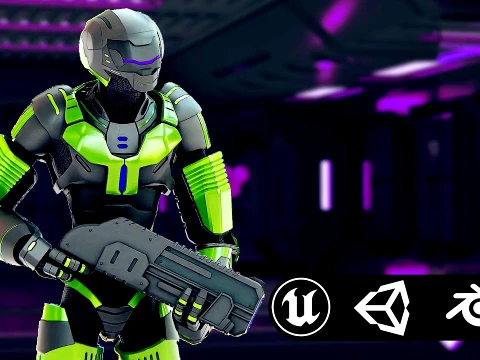
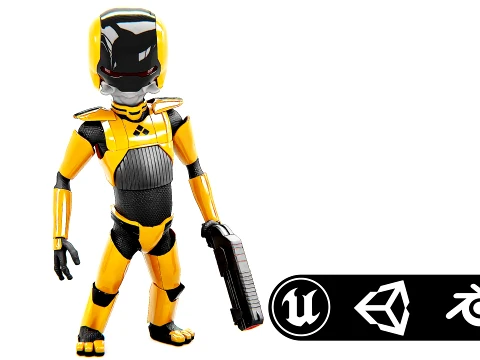
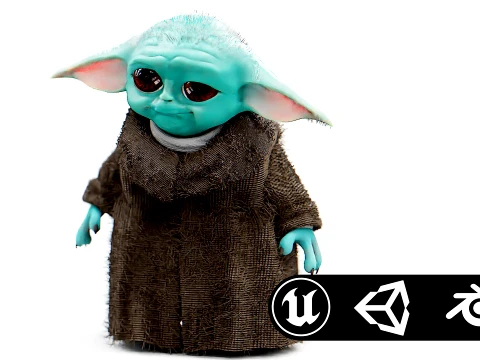
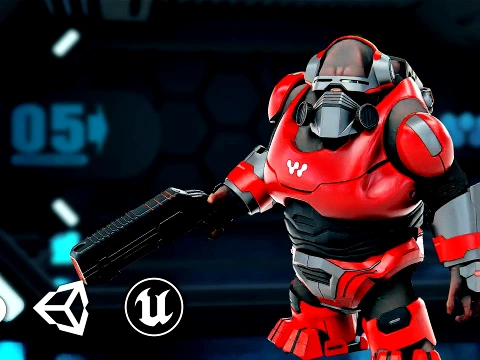
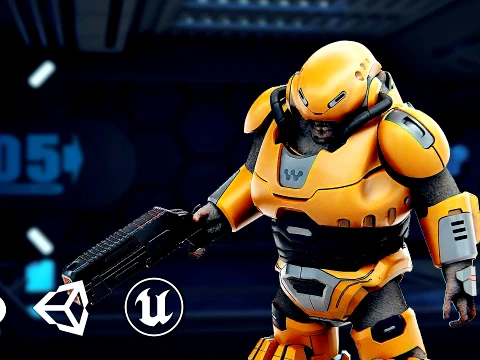
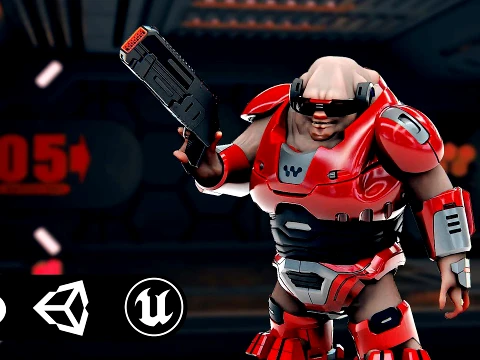
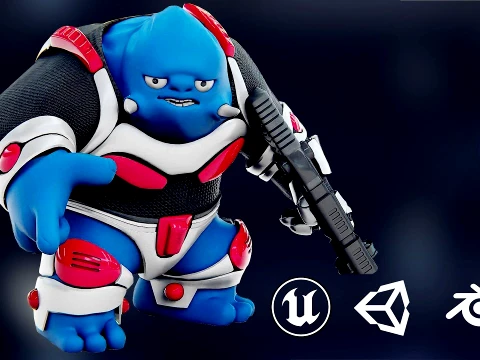
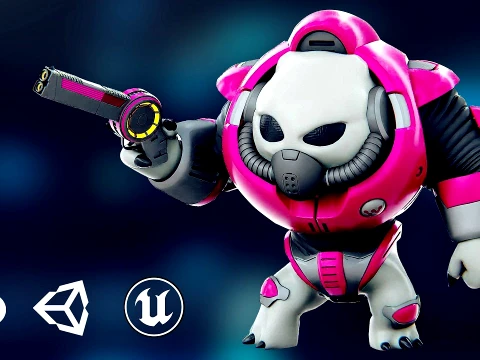
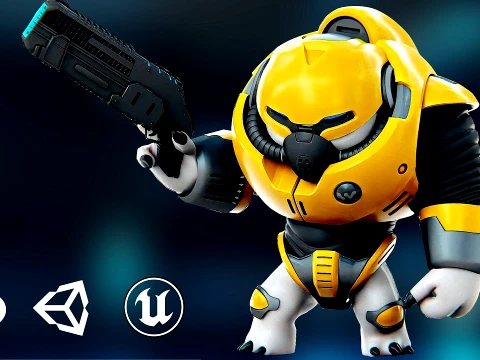
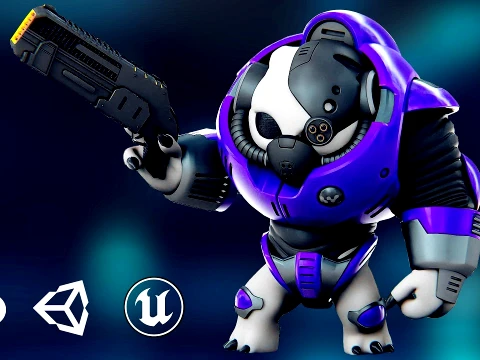
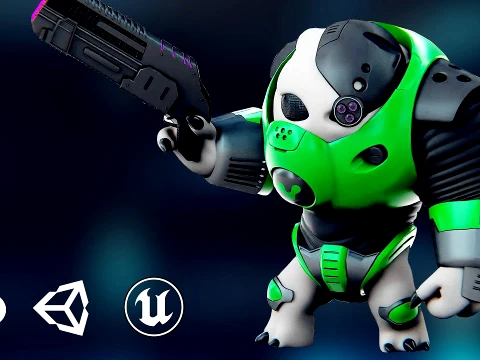
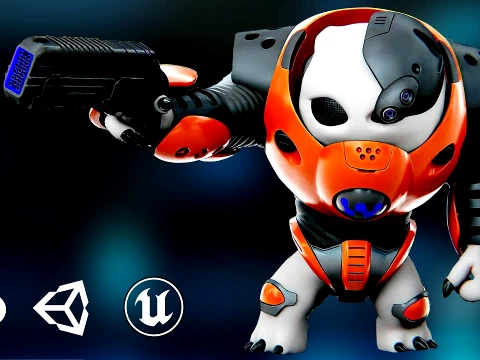
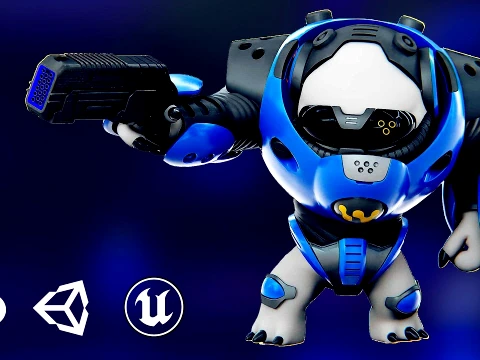
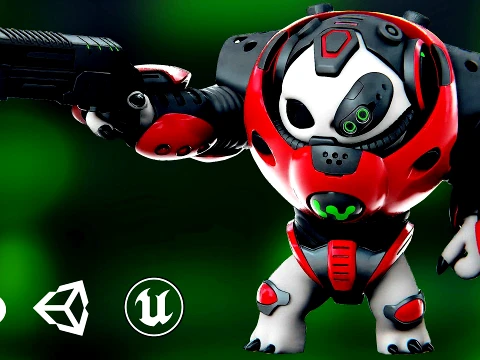
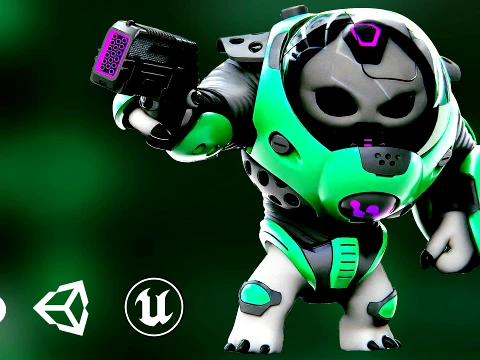
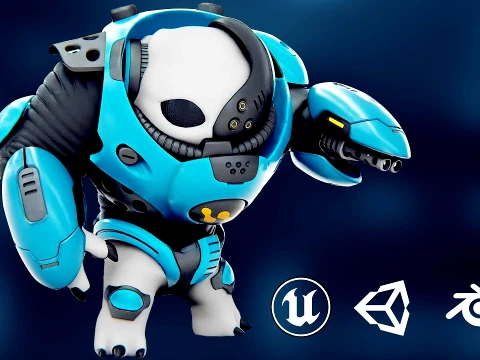
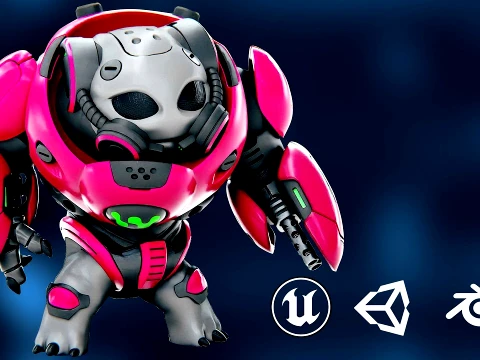
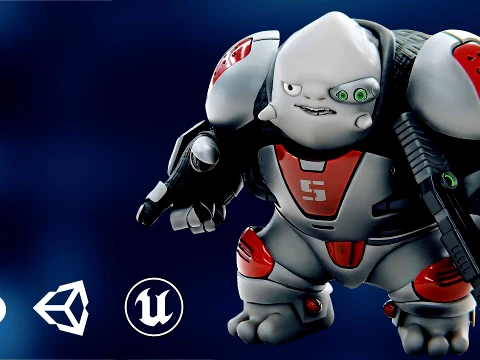
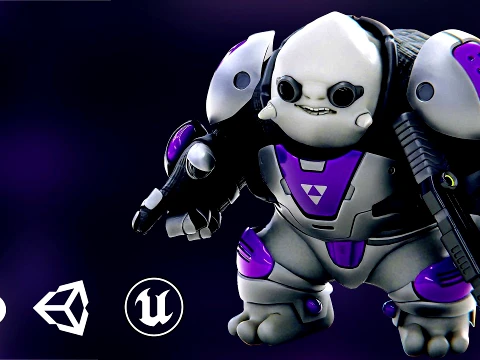
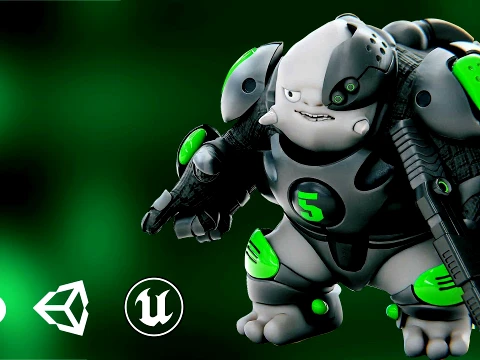
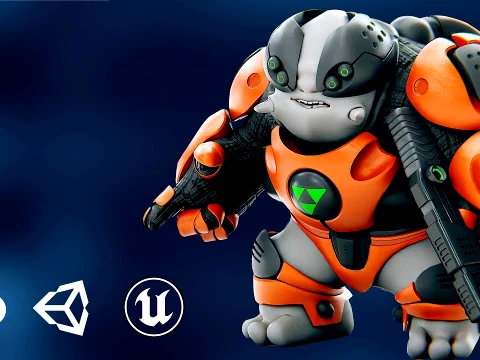
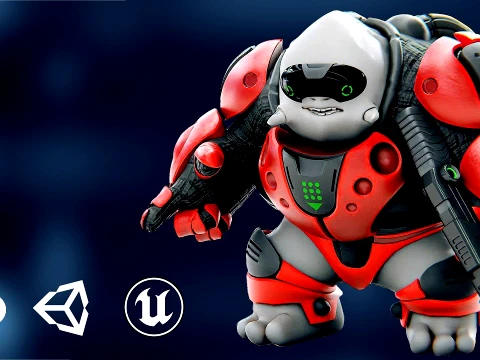
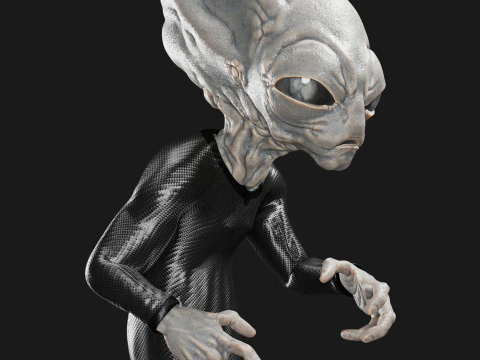
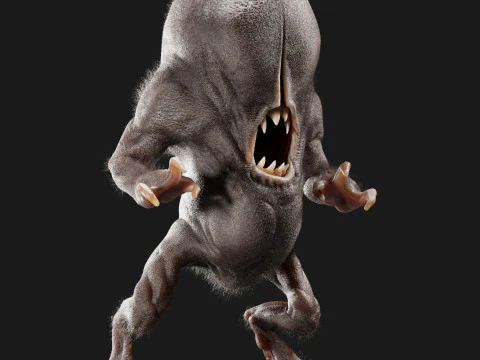
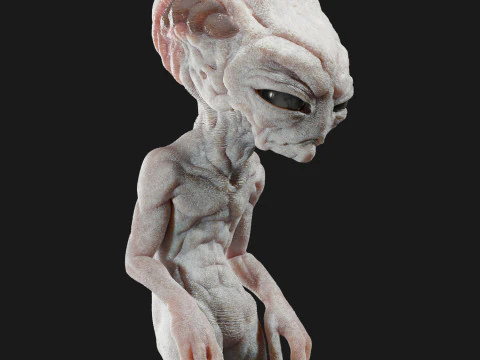
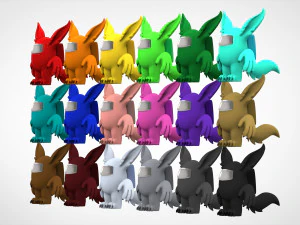
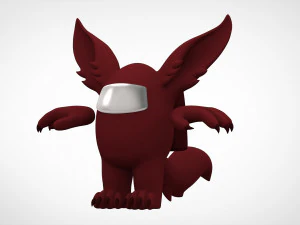
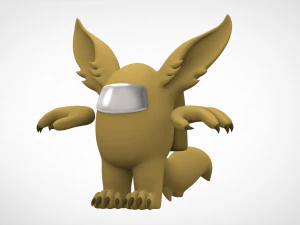
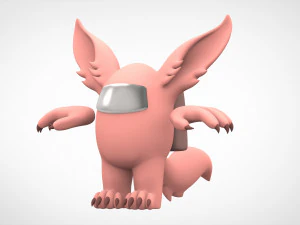
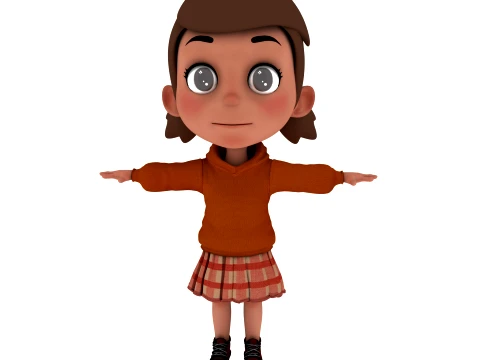
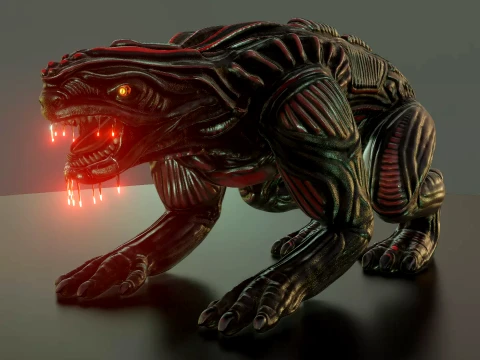
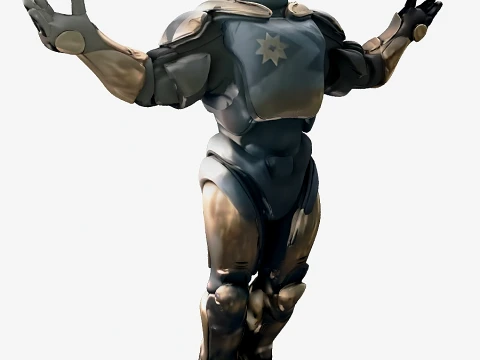
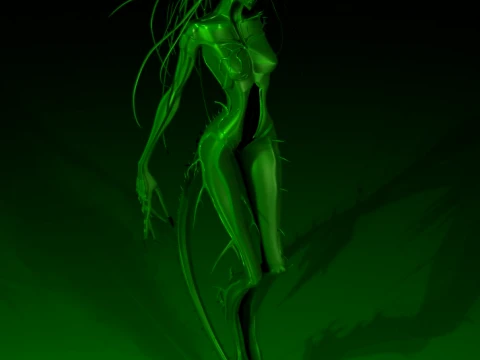
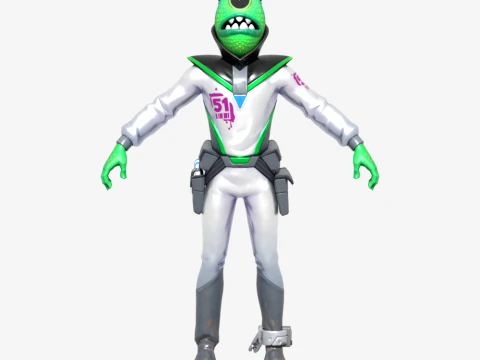
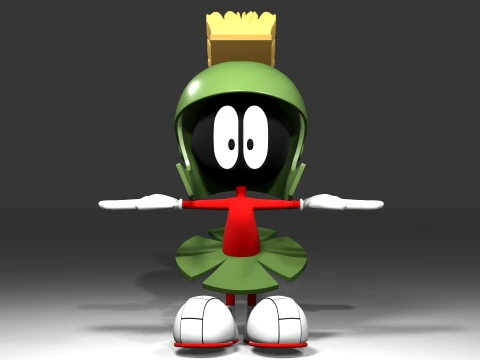
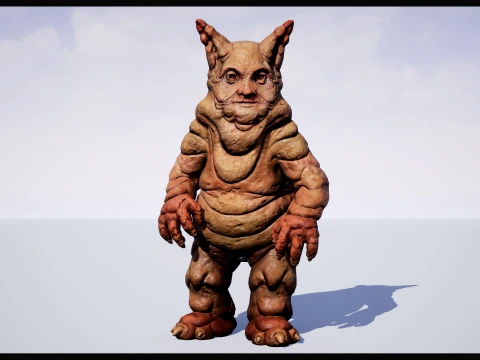
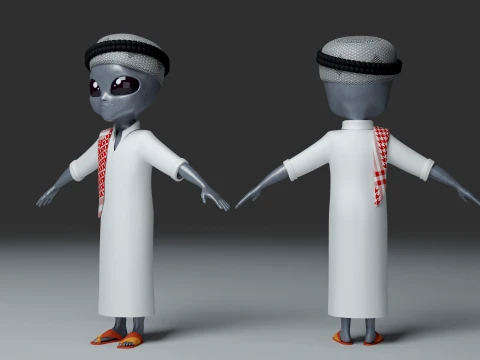
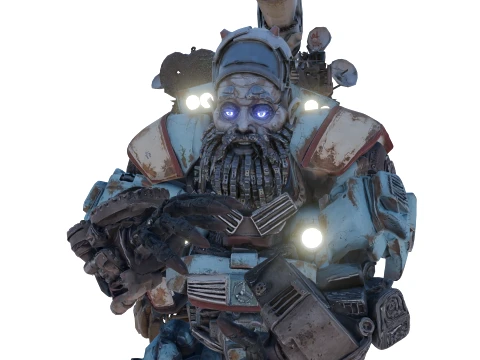
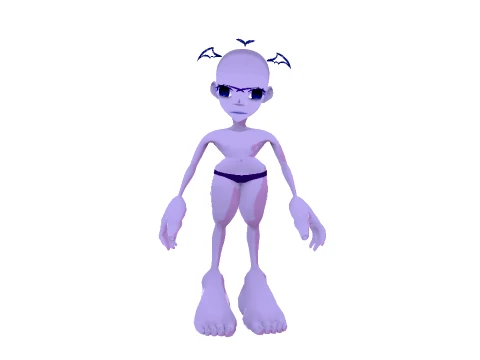
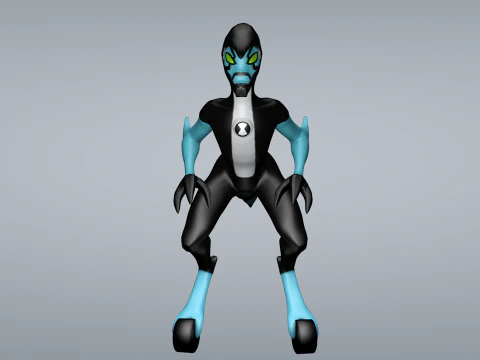
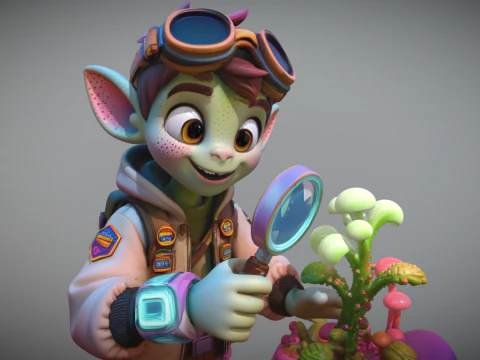
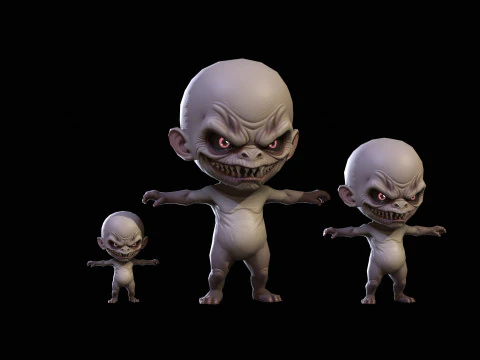
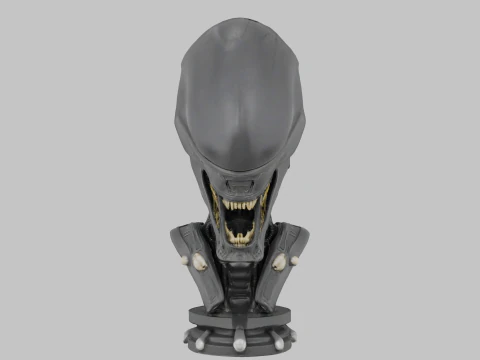
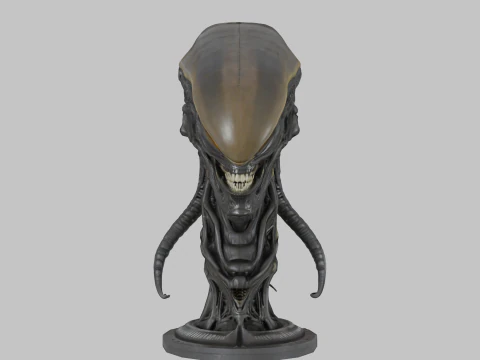
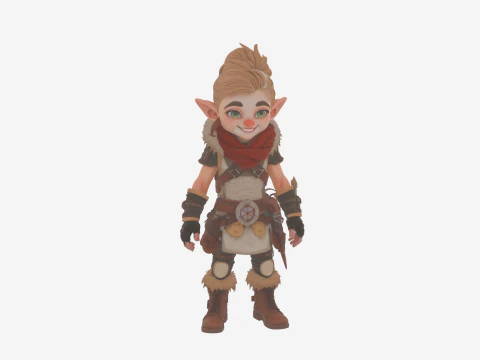
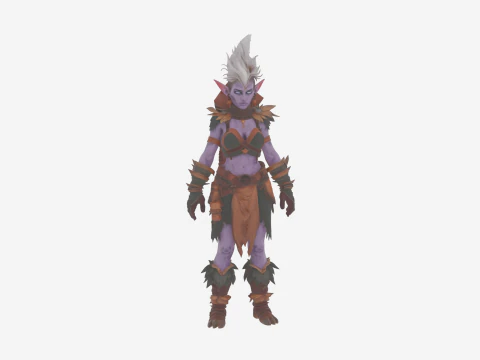
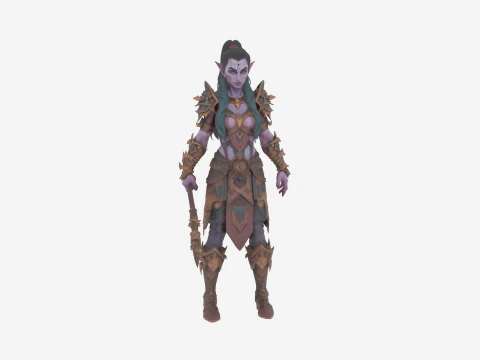
あります 493アイテム ロイヤリティフリー 3Dモデル. This category contains a wide choice of Alien 3D Models - Fantasy and Sci-fi. Any 3D Alien Fantasy and Sci-fi model is available in .max, .obj, .c4d, .fbx, .dxf, .dwg, .stl, .iges, .3ds, .mb, .lwo, .3dm, .skp and .blend format. Some of them are ready for 3D Printing & Games. Also you will find a great number of models in Woman and Anatomy categories.



























トレンド検索 3Dモデル:
彫刻 3Dモデル 特徴 3Dモデル 台所 3Dモデル 馬 3Dモデル 外装 3Dモデル 電話と携帯電話 3Dモデル 野菜 3Dモデル ジュエリー 3Dモデル 人形 3Dモデル 医療の 3Dモデル ヘリコプター 3Dモデル 重い武器 3Dモデル トラック 3Dモデル 骨格 3Dモデル2026年エイリアンコレクションには、どのような生物学的スタイルや解剖学的バリエーションが表現されていますか?
2026年エイリアン・サブカテゴリーは、従来のキャラクターデザインの限界を押し広げることを目的としており、「クラシック」なグレー系から真に「ラブクラフト的」なホラーまで、あらゆる要素を提供します。 当社のエイリアンアセットは、主に3つの生物学的系統に分類されます:ヒューマノイド(2本の手足を持つが、頭部や皮膚の構造が異質なタイプ)、インセクトイド(多肢を持ち、キチン質の殻を持つタイプ)、そしてゼノオーガニック(非伝統的な骨格、浮遊する実体、または不定形な形状を持つタイプ)です。 これらのモデルは「思索的進化」を念頭に置いて構築されており、関節や筋肉の付着部位は、いかに奇妙であっても解剖学的に論理的です。これにより、エイリアンが動く際の動作が物理的に説得力があり、現実味のあるものになります。これは、ハイコンセプトなSFプロジェクト、宇宙シミュレーションゲーム、あるいはシネマティックなデジタルアートにおいて、プレイヤーや視聴者の没入感を維持するために不可欠な要素です。
地球外生命体の皮膚や表面テクスチャは、どのようにして最大限のリアリズムを実現しているのでしょうか?
2026年のエイリアンの皮膚は、もはや単なる平面テクスチャではなく、複雑で多層的なマテリアルシミュレーションとなっています。 プロフェッショナルなエイリアンモデルでは、高度なPBRシェーダーを活用し、虹色に輝く鱗、半透明のゼラチン状の肉体、あるいは多孔質で岩のような皮膚といった特殊な生物学的表面を再現しています。重要な特徴の一つは、サブサーフェススキャタリング(SSS)マップの多用です。これにより、膜状の翼や頭部のトサカのような薄い膜を通して光が「滲み出る」ような表現が可能になります。 さらに、多くのエイリアンモデルには「生物発光」マスクが組み込まれています。これにより、クリーチャーの特定の部分が内側から光り、その光を点滅させたり色を変えたりといったアニメーション表現が可能になります。これは、SF環境のダイナミックな照明に美しく反応する、「エイリアン」特有の技術や生物学的な要素を加えています。
地球外生物のモデルは、非ヒューマノイドや複雑な動きに対応したリギングが施されていますか?
はい、2026年のエイリアンアセットのリギングは、多くの場合、標準的な二足歩行の骨格をはるかに超えています。尾、触手、または余分な手足を持つクリーチャーの場合、クリエイターは「カスタムIK/FKリグ」を実装し、人間とは異なる滑らかな動きを実現しています。これらのリグの多くは、喉の袋、垂れ下がった触角、または流れるような膜などの柔らかい部分に「プロシージャル・フィジックス」(しばしばジグルボーンと呼ばれる)も備えています。 これにより、これらの部位がクリーチャーの主要な動きに自動的に反応し、手動でのアニメーション作成を必要とせずに、有機的な二次的な動きが追加されます。開発者にとって、これはエイリアンが高度な「クリーチャーAI」との統合に対応していることを意味し、クリーチャーは壁を登ったり、通気口をくぐり抜けたり、リアルな羽ばたき物理演算でリアルタイムに飛行したりすることが可能になります。
これらのエイリアンモデルは、ハイエンドなSF映画撮影や「ヒーロー」ショットに使用できますか?
2026年コレクションのエイリアンモデルの「ヒーロー」グレードは、映画的な「クローズアップ」での忠実度を追求して特別に設計されています。これらのモデルは、数百万のポリゴンと、微細なしわ、毛穴、有機的な不完全さをすべて捉える32ビットのディスプレースメントマップを備えていることが多くあります。 V-Ray、Arnold、Octaneなどのパストレーシングエンジンでレンダリングすると、これらのアセットは現代の大作映画制作の基準を満たすレベルのフォトリアリズムを発揮します。 これらのエイリアンの目は特に注目のポイントであり、多層構造のジオメトリ(角膜、虹彩、水晶体)と、生命感あふれる外観を生み出す専用の屈折シェーダーを採用しています。このレベルのディテールにより、カメラがエイリアンの顔から数センチの距離に迫ったとしても、デジタルクリーチャーは観客にとって恐ろしくも、手に取るようにリアルな存在感を保ち続けます。
エイリアンのアセットは、高性能な宇宙シミュレーションゲームエンジン向けにどのように最適化されているのでしょうか?
SF作品に求められる極めて高いディテールにもかかわらず、当社の2026年版エイリアン・アセットは、リアルタイム性能のために綿密に最適化されています。 これは「ベイク」と呼ばれる手法によって実現されており、複雑なハイポリゴンのディテールを、法線マップやディスプレースメントマップを介して、低ポリゴンのゲーム用メッシュに投影します。これらのモデルはUnreal Engine 5のNaniteシステムと完全に互換性があり、従来のパフォーマンス低下を招くことなく、膨大なポリゴン数を実現します。 さらに、クリエイターは最適化された「ヒットボックス」と「コリジョンプロキシ」を提供しており、エイリアンがゲーム内の物理演算、武器、環境と正しく相互作用することを保証します。この視覚的な素晴らしさと技術的な効率性のバランスにより、これらのモデルは、大規模多人数参加型オンライン(MMO)宇宙ゲームから、親密で雰囲気のあるVRホラー体験に至るまで、あらゆる用途に最適です。