


 English
 Español
 日本語
日本語 Polska
 Français
 한국의
한국의 Українська
 Italiano
 Nederlands
 Türkçe
 Português
 Bahasa Indonesia
 Русский
 中國
中國 हिंदी
हिंदी
















Alien - Charaktere 3D Modelle
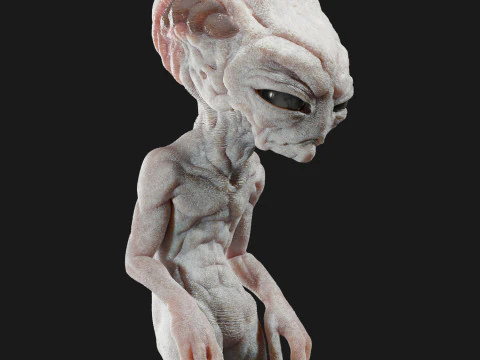
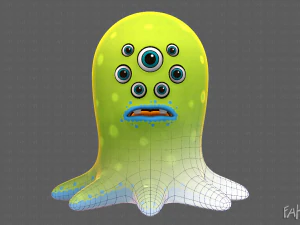
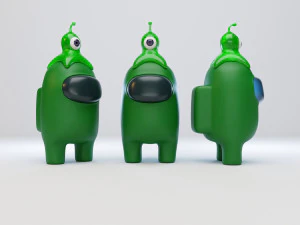
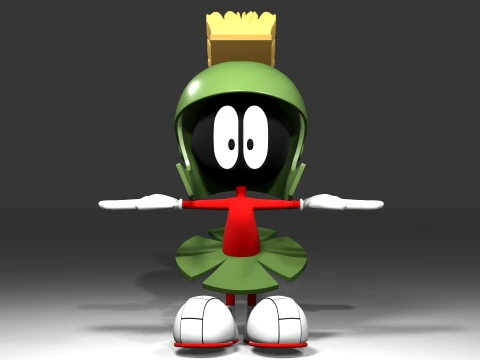
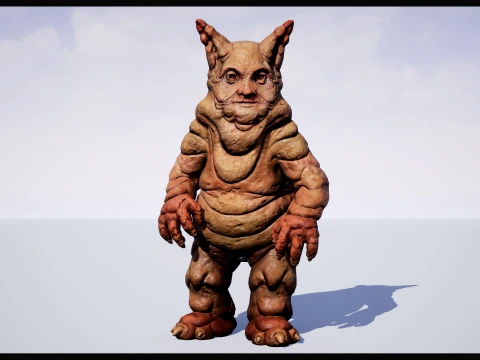
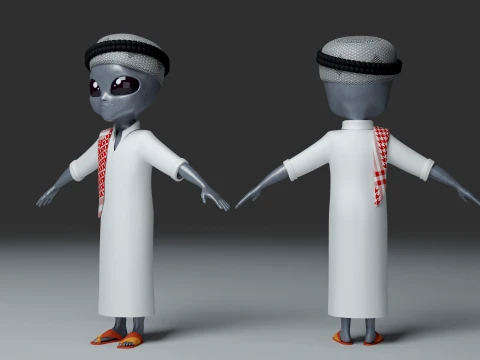
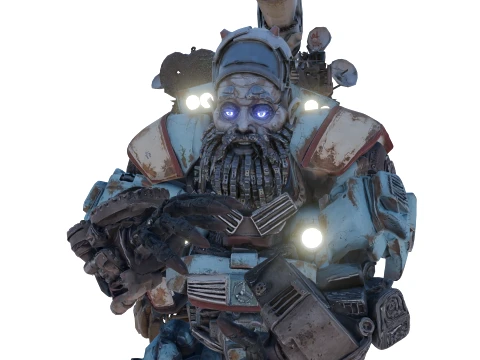
Wir haben 493 Artikel Lizenzfrei 3D Modelle. This category contains a wide choice of Alien 3D Models - Fantasy and Sci-fi. Any 3D Alien Fantasy and Sci-fi model is available in .max, .obj, .c4d, .fbx, .dxf, .dwg, .stl, .iges, .3ds, .mb, .lwo, .3dm, .skp and .blend format. Some of them are ready for 3D Printing & Games. Also you will find a great number of models in Woman and Anatomy categories.
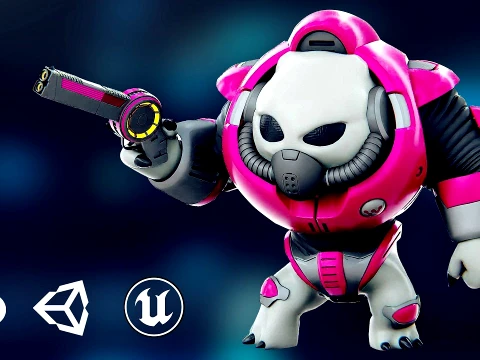 3dChaosAlien
 GamercraftAlien
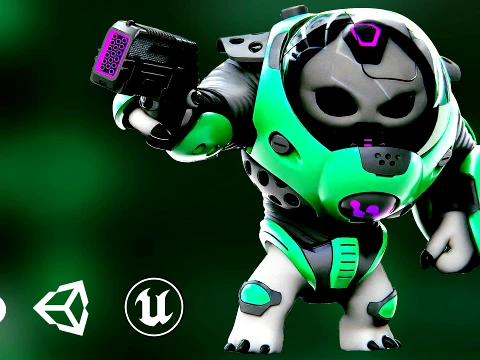
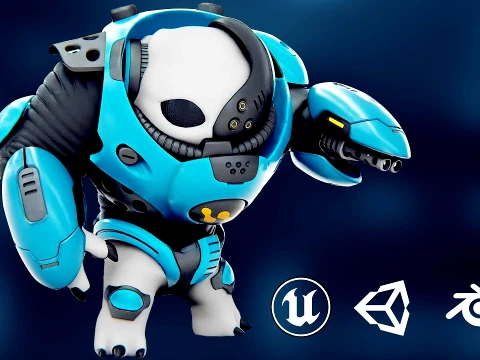
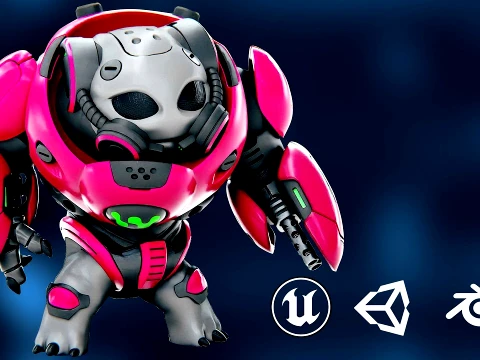
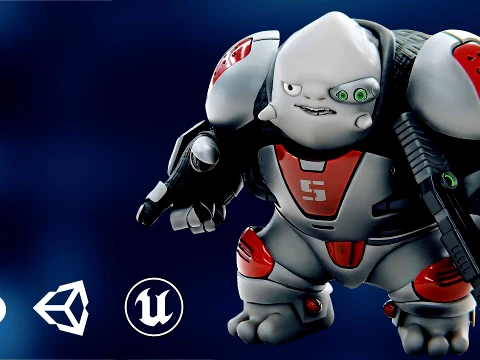







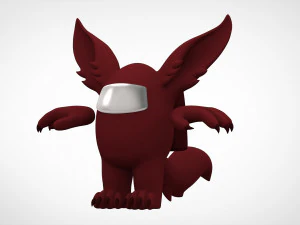

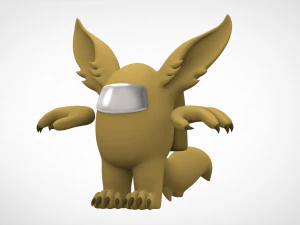


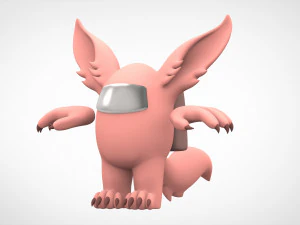
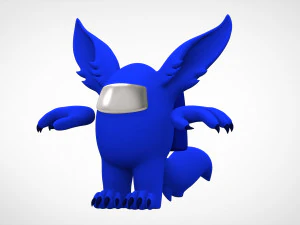





















Angesagte Suchanfragen 3D Modelle:
Skulptur 3D Modelle Charaktere 3D Modelle Küche 3D Modelle Pferd 3D Modelle Außenbereich 3D Modelle Telefon und Handy 3D Modelle Gemüse 3D Modelle Schmuck 3D Modelle Spielzeug 3D Modelle Medizinisch 3D Modelle Helikopter 3D Modelle Schwere Waffen 3D Modelle LKW 3D Modelle Anatomie 3D ModelleWelche biologischen Stile und anatomischen Variationen sind in der Alien-Kollektion 2026 vertreten?
Die Alien-Unterkategorie 2026 wurde entwickelt, um die Grenzen des traditionellen Charakterdesigns zu erweitern, und bietet alles von „klassischen“ Grautönen bis hin zu wahrhaft „Lovecraftschen“ Schrecken. Wir unterteilen unsere außerirdischen Assets in drei biologische Hauptzweige: Humanoid (zwei Arme, zwei Beine, aber exotische Kopf-/Hautstrukturen), Insektoid (mehrgliedrig, Chitinschalen) und Xeno-organisch (nicht-traditionelle Skelette, schwebende Wesen oder amorphe Formen). Diese Modelle wurden unter Berücksichtigung der „spekulativen Evolution“ erstellt, was bedeutet, dass ihre Gelenke und Muskelansätze – egal wie seltsam sie auch sein mögen – anatomisch logisch sind. Dies stellt sicher, dass die Fortbewegung des Aliens physikalisch fundiert und glaubwürdig wirkt, was entscheidend ist, um die Immersion der Spieler oder Zuschauer in hochkonzeptionellen Science-Fiction-Projekten, Weltraum-Simulationsspielen oder filmischer digitaler Kunst aufrechtzuerhalten.
Wie werden die Haut und die Oberflächenstruktur außerirdischer Wesen für maximalen Realismus gerendert?
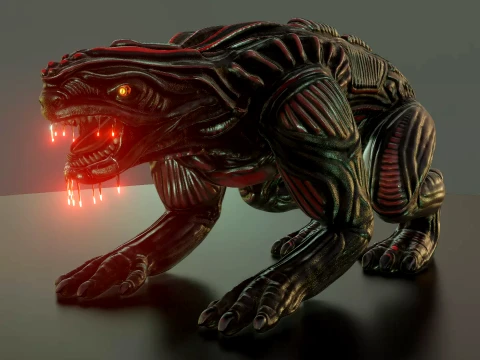
Die Haut von Außerirdischen ist im Jahr 2026 nicht mehr nur eine flache Textur, sondern eine komplexe, mehrschichtige Materialsimulation. Professionelle Alien-Modelle nutzen fortschrittliche PBR-Shader, um spezielle biologische Oberflächen wie schillernde Schuppen, durchscheinendes, gelatinöses Fleisch oder poröse, felsartige Haut nachzubilden. Ein wesentliches Merkmal ist der umfangreiche Einsatz von Subsurface-Scattering-Karten (SSS), die es ermöglichen, dass Licht durch dünne Membranen wie Schwinghäute oder Schädelkämme „durchscheint“. Darüber hinaus enthalten viele Alien-Modelle „biolumineszente“ Masken. Diese lassen bestimmte Teile der Kreatur mit einem inneren Licht leuchten, das animiert werden kann, um zu pulsieren oder die Farbe zu wechseln. Dies fügt eine Ebene „außerirdischer“ Technologie oder Biologie hinzu, die wunderschön auf die dynamische Beleuchtung einer Sci-Fi-Umgebung reagiert.
Sind außerirdische Modelle für nicht-humanoide oder komplexe Bewegungen geriggt?
Ja, das Rigging für Alien-Assets aus dem Jahr 2026 geht oft weit über das standardmäßige zweibeinige Skelett hinaus. Für Kreaturen mit Schwänzen, Tentakeln oder zusätzlichen Gliedmaßen implementieren die Entwickler „Custom IK/FK Rigs“, die flüssige, nicht-menschliche Bewegungen ermöglichen. Viele dieser Rigs verfügen zudem über „Procedural Physics“ (oft als Jiggle Bones bezeichnet) an weichen Bereichen wie Kehlsäcken, herabhängenden Antennen oder fließenden Membranen. Dies stellt sicher, dass diese Teile automatisch auf die primäre Bewegung der Kreatur reagieren und eine Ebene organischer Sekundärbewegungen hinzufügen, ohne dass manuelle Animation erforderlich ist. Für Entwickler bedeutet dies, dass das Alien für die Integration einer hochentwickelten „Creature-AI“ bereit ist, bei der das Wesen in Echtzeit Wände erklimmen, durch Lüftungsschächte schlängeln oder mit realistischer Flügelschlagphysik fliegen kann.
Können diese Alien-Modelle in High-End-Science-Fiction-Filmen und „Hero“-Aufnahmen verwendet werden?
Die „Hero“-Kategorie der Alien-Modelle in unserer Kollektion 2026 wurde speziell für kinoreife „Nahaufnahmen“ entwickelt. Diese Modelle verfügen oft über Millionen von Polygonen und 32-Bit-Displacement-Maps, die jede Mikrofalte, jede Pore und jede organische Unvollkommenheit erfassen. Wenn sie mit Path-Tracing-Engines wie V-Ray, Arnold oder Octane gerendert werden, weisen diese Assets einen Fotorealismus auf, der den Standards moderner Blockbuster-Filmproduktionen entspricht. Auch die Augen dieser Aliens stehen im Mittelpunkt: Sie verfügen über mehrschichtige Geometrie (Hornhaut, Iris, Linse) und spezielle Refraktions-Shader, um einen „lebendigen“ Ausdruck zu erzeugen. Dieser Detailgrad sorgt dafür, dass die digitale Kreatur für das Publikum selbst dann erschreckend und greifbar real wirkt, wenn die Kamera nur wenige Zentimeter vom Gesicht des Aliens entfernt ist.
Wie werden Alien-Assets für leistungsstarke Weltraum-Simulations-Spiel-Engines optimiert?
Trotz der für Science-Fiction erforderlichen extremen Detailgenauigkeit sind unsere Alien-Assets für 2026 sorgfältig für Echtzeit-Leistung optimiert. Dies wird durch „Baking“ erreicht, bei dem alle komplexen High-Poly-Details über Normal- und Displacement-Maps auf ein spielfertiges Mesh mit niedrigerer Polygonanzahl projiziert werden. Diese Modelle sind vollständig kompatibel mit dem Nanite-System der Unreal Engine 5, das eine enorme Polygonanzahl ohne die üblichen Leistungseinbußen ermöglicht. Darüber hinaus stellen die Entwickler optimierte „Hitboxen“ und „Collision Proxies“ bereit, die sicherstellen, dass die Aliens korrekt mit der Physik der Spielwelt, den Waffen und den Umgebungen interagieren. Diese Balance aus visueller Pracht und technischer Effizienz macht diese Modelle ideal für alles, von Massive-Multiplayer-Online-Weltraumspielen (MMO) bis hin zu intimen, atmosphärischen VR-Horror-Erlebnissen.