


 English
 Español
 日本語
日本語 Polska
 Français
 한국의
한국의 Українська
 Italiano
 Nederlands
 Türkçe
 Português
 Bahasa Indonesia
 Русский
 中國
中國 हिंदी
हिंदी
















Delfin - Tiere 3D Modelle
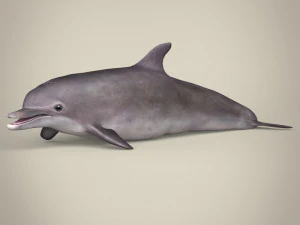
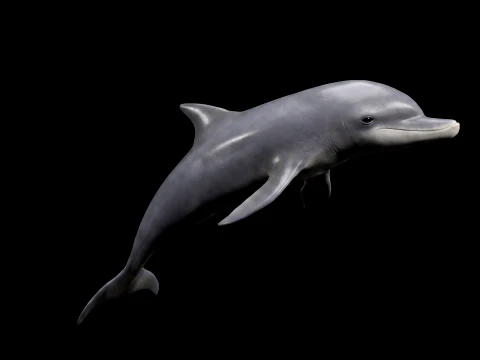
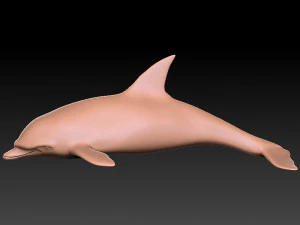
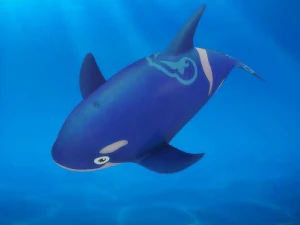
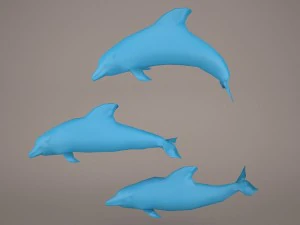
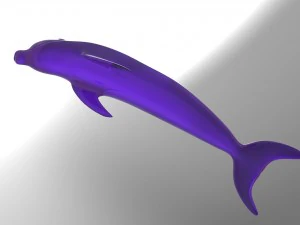
Wir haben 44 Artikel Lizenzfrei 3D Modelle. This category contains a wide choice of Dolphin 3D Models - Animals. Any 3D Dolphin model is available in .max, .obj, .c4d, .fbx, .dxf, .dwg, .stl, .iges, .3ds, .mb, .lwo, .3dm, .skp and .blend format. Some of them are ready for 3D Printing & Games. Also you will find a great number of models in Crab and Fish categories.
- -50%
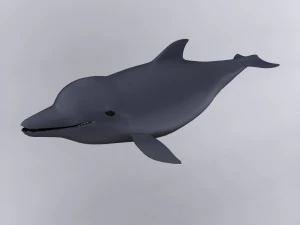
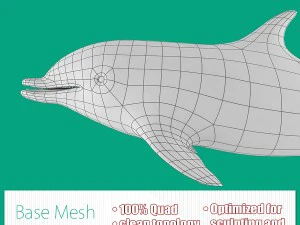
 hyowon09877Dolphin








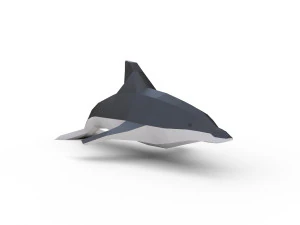
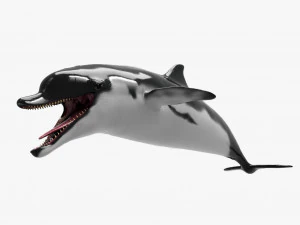


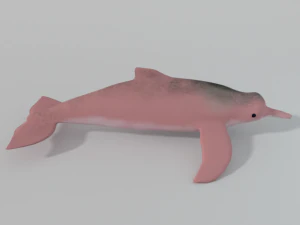






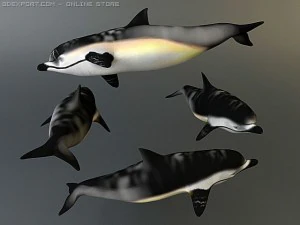
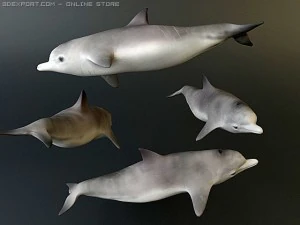
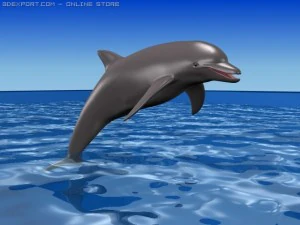

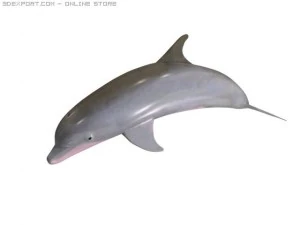
Angesagte Suchanfragen 3D Modelle:
Skulptur 3D Modelle Charaktere 3D Modelle Küche 3D Modelle Pferd 3D Modelle Außenbereich 3D Modelle Telefon und Handy 3D Modelle Gemüse 3D Modelle Schmuck 3D Modelle Spielzeug 3D Modelle Medizinisch 3D Modelle Helikopter 3D Modelle Schwere Waffen 3D Modelle LKW 3D Modelle Anatomie 3D ModelleWie wird die einzigartige Haut eines Delfins im Jahr 2026 in 3D dargestellt?
Die Haut eines Delfins ist weder vollständig matt noch vollständig reflektierend; sie hat eine einzigartige „gummiartige“ Textur, die speziell auf Lichtreflexionen unter Wasser reagiert. Im Jahr 2026 verwenden unsere Delfinmodelle einen speziellen PBR-Shader mit einem hohen „Clearcoat“-Wert, um den dünnen Wasserfilm zu simulieren, der stets auf ihrer Haut vorhanden ist. Zusätzlich nutzen die Entwickler „Subsurface Scattering“, um den Flossen und der Schnauze eine leichte Transluzenz zu verleihen, wenn sie von der Sonne hinterleuchtet werden. Erweiterte Textursätze enthalten zudem subtile Kratzer, Bissspuren von Raubtieren und Details am „Blasloch“, die dem 3D-Asset eine zusätzliche Ebene an Individualität und Realismus verleihen, sodass es in Unterwasserszenen nicht von realen Aufnahmen zu unterscheiden ist.
Sind die Delfin-Rigs für realistisches Schwimmen in „S-Kurven“ optimiert?
Das Schwimmen von Delfinen ist eine komplexe, fließende Bewegung, die ein hochgradig bewegliches Wirbelsäulen-Rig erfordert. Im Jahr 2026 verfügen unsere Delfin-Assets über „Spline-basierte“ Rigs, die sanfte, kontinuierliche „S-Kurven“-Verformungen vom Kopf bis zur Schwanzflosse ermöglichen. Dies verhindert, dass sich das Mesh bei engen Kurven „knickt“ oder „faltet“. Die Rigs enthalten außerdem spezielle Controller für die Brustflossen und das Blasloch, was Atemanimationen an der Oberfläche ermöglicht. Für Spieleentwickler bieten diese Modelle oft Unterstützung für „prozedurale Animation“, bei der sich die Schwanzgeschwindigkeit des Modells automatisch an die Bewegungsgeschwindigkeit im Wasser anpasst, was eine glaubwürdige und flüssige Unterwasser-Performance gewährleistet.
Verfügen diese 3D-Modelle über eine realistische Unterwasser-Physik?
Ja, viele unserer 2026 Wasserlebewesen-Modelle sind so konzipiert, dass sie mit „Fluid Interaction“-Systemen in modernen Engines zusammenarbeiten. Das bedeutet, dass der 3D-Delphin mit einem „Physics Asset“ ausgestattet ist, das realistische Kielwasser und Blasenpartikel erzeugt, während er sich durch einen virtuellen Ozean bewegt. High-End-Modelle verfügen zudem über „Acoustic“-Lokalisatoren, also Punkte am Kopf (der Melone), an denen Entwickler visuelle Effekte wie „Sonar“ oder „Echolokation“ anbringen können. Diese technische Bereitschaft ist entscheidend für Bildungs-Apps zur Meeresbiologie und realistische Tauchsimulatoren, bei denen die Interaktion zwischen dem Tier und seiner flüssigen Umgebung genauso wichtig ist wie das Modell selbst.
Finde ich in dieser Kategorie verschiedene Arten wie Tümmler oder Orcas?
Während Orcas (Schwertwale) oft in der Kategorie „Wale“ zu finden sind, sind sie und andere Delfine wie der Große Tümmler oder der Spinnerdelfin hier gut vertreten. Im Jahr 2026 werden artspezifische anatomische Unterschiede sorgfältig modelliert – wie zum Beispiel der markante „Schnabel“ des Großen Tümmlers im Gegensatz zum runderen Kopf eines Rundkopfdelfins. Jedes Modell verfügt über historisch und biologisch korrekte Markierungen. Für Projekte, die eine Delfinschule erfordern, bieten Anbieter oft „Variationspakete“ mit unterschiedlichen Hauttexturen (Narben, Pigmentierung) an, damit keine zwei Delfine in Ihrer Szene genau gleich aussehen, was den Realismus der Gruppendynamik erhöht.
Welche Formate eignen sich am besten für Meereslebewesen in VR und AR?
Für Unterwasser-VR-Erlebnisse im Jahr 2026 sind USDZ und GLB die Industriestandards für mobile und webbasierte AR, während FBX weiterhin das Maß aller Dinge für High-End-VR-Headsets wie das Meta Quest 4 oder Apple Vision Pro bleibt. Diese Formate bewahren die PBR-Texturen und das komplexe Rigging, die für die Betrachtung aus nächster Nähe erforderlich sind. Bei der Verwendung dieser Modelle in AR ist der „Wetness“-Shader besonders effektiv, da er den Delfin so aussehen lässt, als wäre er physisch anwesend und würde in der realen Umgebung des Benutzers vor Wasser triefen. Wir empfehlen, den Abschnitt „Materials“ zu überprüfen, um sicherzustellen, dass das Asset die erforderlichen Maps für die von Ihnen verwendete Engine enthält.