


 English
 Español
 日本語
日本語 Polska
 Français
 한국의
한국의 Українська
 Italiano
 Nederlands
 Türkçe
 Português
 Bahasa Indonesia
 Русский
 中國
中國 हिंदी
हिंदी
















Getränk - Nahrung 3D Modelle
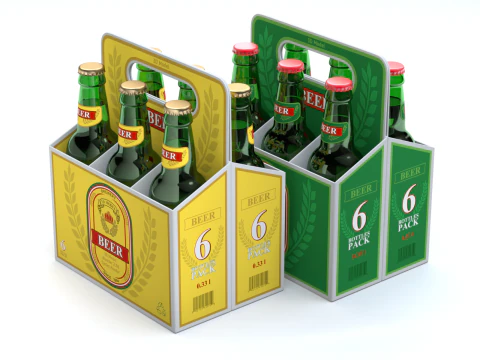
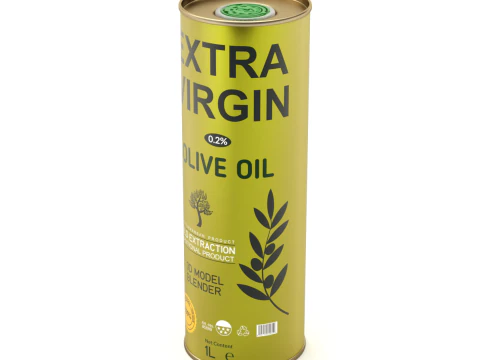
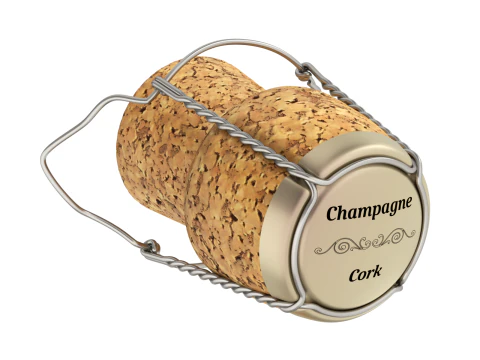
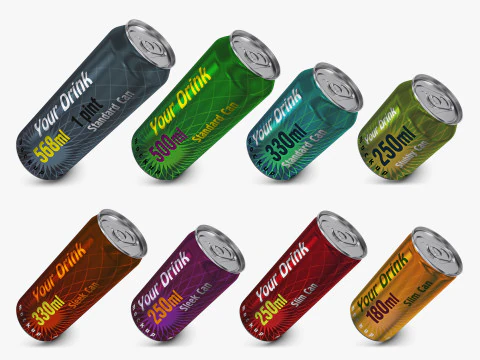
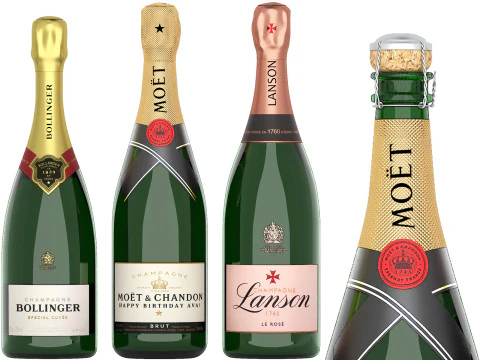
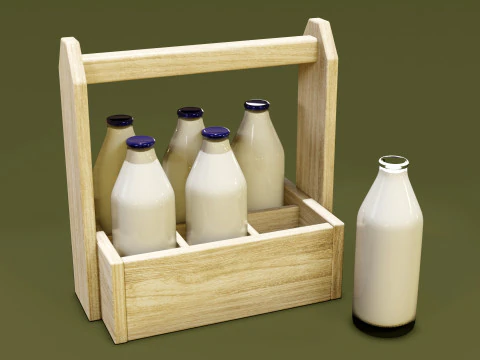
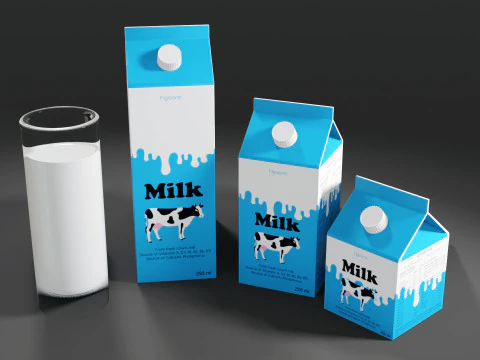
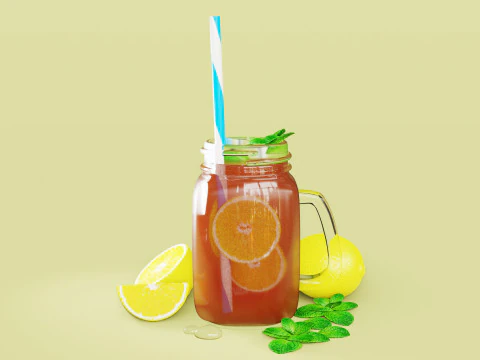
Wir haben 2264 Artikel Lizenzfrei 3D Modelle. This category contains a wide choice of Beverage 3D Models - Food. Any 3D Beverage model is available in .max, .obj, .c4d, .fbx, .dxf, .dwg, .stl, .iges, .3ds, .mb, .lwo, .3dm, .skp and .blend format. Some of them are ready for 3D Printing & Games. Also you will find a great number of models in Meat and Fruit categories.































Angesagte Suchanfragen 3D Modelle:
Skulptur 3D Modelle Charaktere 3D Modelle Küche 3D Modelle Pferd 3D Modelle Außenbereich 3D Modelle Telefon und Handy 3D Modelle Gemüse 3D Modelle Schmuck 3D Modelle Spielzeug 3D Modelle Medizinisch 3D Modelle Helikopter 3D Modelle Schwere Waffen 3D Modelle LKW 3D Modelle Anatomie 3D ModelleWie wird Flüssigkeitsrealismus in 3D-Modellen für Getränke im Jahr 2026 erreicht?
Der Realismus bei flüssigen Objekten beruht auf fortschrittlicher Flüssigkeitssimulation und der Genauigkeit des Brechungsindex (IOR). Im Jahr 2026 nutzen Getränkemodelle „Nested Dielectric“-Shader, die die Grenzfläche zwischen Glas und Flüssigkeit ohne visuelle Artefakte darstellen. Dies stellt sicher, dass eine Weinflasche oder ein Glas Whisky das Licht mit absoluter physikalischer Genauigkeit reflektiert und bricht. Darüber hinaus verfügen Flüssigkeiten über „Volumetric Absorption“, was bedeutet, dass die Flüssigkeit in der Mitte des Glases dunkler und dichter wirkt als an den Rändern. Dieses Maß an optischer Detailtreue ist entscheidend für Werbespots für Luxusgetränke und Renderings von High-End-Restaurants, bei denen die Flüssigkeit appetitlich und hochwertig wirken muss.
Gibt es spezielle Shader für Kondensations- und „Eiskalt“-Effekte?
Ja, professionelle Getränkemodelle verfügen über spezielle „Kondensationsschichten“. Anstelle von flachen Texturen verwenden Modelle aus dem Jahr 2026 „procedurale Tropfen“-Geometrie oder hochauflösende Displacement-Maps, um realistische Wassertropfen auf der Oberfläche von Dosen und Flaschen zu erzeugen. Diese Tropfen besitzen eigene Brechungseigenschaften, wodurch sie das darunterliegende Etikett genau wie echtes Wasser verzerren. In Kombination mit „Frost“-Shadern, die das trübe Aussehen eines gekühlten Glases nachahmen, bieten diese Assets ein multisensorisches visuelles Erlebnis. Dies ist für das Getränkemarketing unerlässlich, wo das Ziel darin besteht, durch perfekte visuelle Hinweise auf Kühle und Frische eine „Durst“-Reaktion auszulösen.
Wie werden „Kohlensäure und Bläschen“ in Erfrischungsgetränken simuliert?
Für kohlensäurehaltige Getränke und Bier enthalten die Modelle von 2026 „Internal Particle Systems“ oder „Bubble Geometry“. Diese werden als Tausende winziger Kugeln mit hochreflektierenden Shadern modelliert, die realistisch im Flüssigkeitsvolumen verteilt sind. Viele Modelle enthalten für Bier zudem eine „Schaumkrone“- oder „Schaum“-Ebene, die mithilfe von „Subsurface Scattering“ die cremige, luftige Textur der Bläschen einfängt. Dies sorgt dafür, dass das Getränk „lebendig“ und frisch eingeschenkt wirkt, und liefert die dynamische Energie, die für rasante Werbespots oder interaktive VR-Bar-Erlebnisse benötigt wird.
Sind Flaschenetiketten und Verpackungen für das Branding anpassbar?
Die meisten Getränke-Assets verfügen über „Non-Overlapping UVs“ und separate Material-IDs für Etiketten, was eine einfache Markenanpassung ermöglicht. Im Jahr 2026 bieten die Etiketten „Unterstützung für komplexe Materialien“, wie Metallic-Folienprägung, geprägte Texturen und Matt-Glanz-Kontraste. Dies ist entscheidend für Verpackungsdesigner, die visualisieren müssen, wie ein neues Etikett unter professioneller Studiobeleuchtung wirkt. Die Flaschen weisen zudem realistische „Unvollkommenheiten“ des Glases auf, wie winzige Bläschen oder leichte Schwankungen in der Wandstärke, die die digitale Perfektion durchbrechen und dem Produkt eine organische Authentizität verleihen.
Unterstützen diese Modelle flüssige Animationen für das Eingießen und Spritzen?
Viele Getränke-Assets werden als „Sim-Ready“-Setups bereitgestellt. Die Basismodelle sind zwar statisch, werden jedoch oft von „VDB-Sequenzen“ oder „Alembic-Caches“ begleitet, die hochauflösende Spritzer und Ausgießvorgänge darstellen. Dies ermöglicht es 3D-Künstlern, einen „Hero“-Spritzer in ihre Szene zu integrieren, ohne eine komplexe Flüssigkeitssimulation von Grund auf neu durchführen zu müssen. Diese Meshes sind topologisch optimiert, um eine flüssigkeitsähnliche Oberfläche beizubehalten, und gleichzeitig leicht genug für die Echtzeitwiedergabe in modernen Engines, was sie ideal für wirkungsvolle Werbung in sozialen Medien und interaktive Produktkonfiguratoren macht.