


 English
 Español
 日本語
日本語 Polska
 Français
 한국의
한국의 Українська
 Italiano
 Nederlands
 Türkçe
 Português
 Bahasa Indonesia
 Русский
 中國
中國 हिंदी
हिंदी
















Fleisch - Nahrung 3D Modelle
Wir haben 318 Artikel Lizenzfrei 3D Modelle. This category contains a wide choice of Meat 3D Models - Food. Any 3D Meat model is available in .max, .obj, .c4d, .fbx, .dxf, .dwg, .stl, .iges, .3ds, .mb, .lwo, .3dm, .skp and .blend format. Some of them are ready for 3D Printing & Games. Also you will find a great number of models in Sweets and Vegetable categories.






























Angesagte Suchanfragen 3D Modelle:
Skulptur 3D Modelle Charaktere 3D Modelle Küche 3D Modelle Pferd 3D Modelle Außenbereich 3D Modelle Telefon und Handy 3D Modelle Gemüse 3D Modelle Schmuck 3D Modelle Spielzeug 3D Modelle Medizinisch 3D Modelle Helikopter 3D Modelle Schwere Waffen 3D Modelle LKW 3D Modelle Anatomie 3D ModelleWie wird die komplexe Textur von rohem Fleisch in 3D simuliert?
Die Modellierung von rohem Fleisch im Jahr 2026 stützt sich auf „Anisotropic Shaders“ und „Deep SSS“, um die faserige Struktur von Muskeln und die Transluzenz von Fett nachzubilden. Wir verwenden hochauflösende „Marbling Maps“, die die Verteilung des intramuskulären Fetts mit absoluter biologischer Genauigkeit darstellen. Dies stellt sicher, dass ein Wagyu-Steak oder ein Schweinekotelett das Licht auf seiner Oberfläche unterschiedlich reflektiert und so die „glänzende“ Qualität von frischem Fleisch einfängt. Dieses Maß an viszeralem Realismus ist entscheidend für hochwertige Kochshows, Simulationsprogramme für die Metzgerausbildung und hochwertige Renderings von Lebensmittelverpackungen, bei denen die Qualität des Fleisches deutlich erkennbar sein muss.
Enthalten die Fleischmodelle „gekochte“ und „rohe“ Versionen?
Ja, die Kollektion 2026 bietet „State-Transition“-Assets. Diese Modelle verfügen über separate Meshes und Textursätze für die Zustände „Roh“, „Angebraten“ und „Vollständig gegart“. Die „Gekocht“-Versionen verfügen über „Char-Mapping“, das die Karamellisierung der Oberfläche (Maillard-Reaktion) und das Schrumpfen der Fleischfasern simuliert. Dies ermöglicht Zeitraffer-Kochanimationen, in denen sich das Fleisch unter Hitzeeinwirkung physikalisch verändert. Diese Funktionalität ist unverzichtbar für Food-Tech-Unternehmen und Gerätehersteller, die die perfekten Kochergebnisse ihrer Hardware in 3D visualisieren möchten.
Wie wird „Feuchtigkeit und Saft“ bei frischen Fleisch-Assets behandelt?
Frisches Fleisch zeichnet sich durch ein „nasses“ Aussehen aus, das wir mithilfe einer „Dual-Specular“-Shader-Konfiguration erzielen. Eine Basisschicht sorgt für die Reflexion des organischen Gewebes, während eine sekundäre „Clearcoat“-Schicht den dünnen Feuchtigkeitsfilm auf der Oberfläche darstellt. Im Jahr 2026 fügen wir außerdem „Fluid-Drop“-Geometrie für gelegentliche Blut- oder Safttropfen hinzu, was für ein „klebriges“ und realistisches Oberflächenbild sorgt. Dies stellt sicher, dass das Fleisch nicht wie trockener Kunststoff aussieht, und bietet den appetitlichen Realismus, der für professionelles kulinarisches Marketing und hochauflösende Spielumgebungen erforderlich ist.
Gibt es spezielle Modelle für „Feinkost“- und „verarbeitete“ Fleischprodukte?
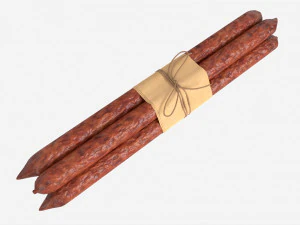
Die Kategorie „Fleisch“ umfasst eine breite Palette an Aufschnitt, Würsten und gepökeltem Schinken wie Prosciutto oder Salami. Diese Modelle betonen die „Texturvielfalt“ und zeigen die unterschiedlichen Fleischkörnungen sowie das Vorhandensein von Gewürzen oder Pfefferkörnern in der Scheibe. Für gepökeltes Fleisch verwenden wir „Toughened“-Shader, die die trockene, ledrige Außenseite und das ölige, durchscheinende Innere einfangen. Diese Assets eignen sich perfekt für Visualisierungen von „Charcuterie-Platten“ in luxuriösen Architekturvisualisierungen und tragen dazu bei, eine Atmosphäre von gehobener Gastlichkeit und Gourmet-Dining zu schaffen.
Wie werden die Details zu „Knochen und Sehnen“ in die Modelle integriert?
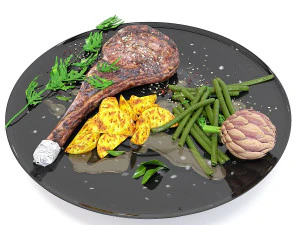
Bei Stücken wie T-Bone-Steaks oder ganzen Geflügelstücken verfügen die Modelle über eine „Multi-Material“-Integration. Der Knochen wird mit einer porösen, matten Textur modelliert, die einen starken Kontrast zum feuchten, durchscheinenden Fleisch und den faserigen Sehnen bildet. Im Jahr 2026 werden in diesen Übergangsbereichen „Blended Masks“ verwendet, um sicherzustellen, dass die Verbindungspunkte organisch wirken und nicht wie separate Geometrieteile. Diese anatomische Genauigkeit ist entscheidend für die medizinische Ausbildung und für realistische „Zubereitungsszenen“ in der Küche, in denen eine Figur das Produkt zerlegt oder zerlegt. Wie wird die komplexe Textur von rohem Fleisch in 3D simuliert? Die Modellierung von rohem Fleisch im Jahr 2026 stützt sich auf „Anisotropic Shaders“ und „Deep SSS“, um die faserige Beschaffenheit von Muskeln und die Transluzenz von Fett nachzubilden. Wir verwenden hochauflösende „Marbling Maps“, die die Verteilung des intramuskulären Fetts mit absoluter biologischer Genauigkeit darstellen. Dies stellt sicher, dass ein Wagyu-Steak oder ein Schweinekotelett das Licht auf seiner Oberfläche unterschiedlich reflektiert und so die „glänzende“ Beschaffenheit von frischem Fleisch einfängt. Dieses Maß an viszeralem Realismus ist entscheidend für hochwertige Kochshows, Simulationsübungen für Metzger und hochwertige Renderings von Lebensmittelverpackungen, bei denen die Qualität des Fleisches deutlich erkennbar sein muss.
Umfassen die Fleischmodelle „gekochte“ und „rohe“ Versionen?
Ja, die Kollektion 2026 bietet „State-Transition“-Assets. Diese Modelle verfügen über separate Meshes und Textursätze für die Zustände „Roh“, „Angebraten“ und „Vollständig gegart“. Die „Cooked“-Versionen verfügen über „Char-Mapping“, das die Karamellisierung der Oberfläche (Maillard-Reaktion) und das Schrumpfen der Fleischfasern simuliert. Dies ermöglicht Zeitraffer-Kochanimationen, in denen sich das Fleisch unter Hitzeeinwirkung physikalisch verändert. Diese Funktionalität ist unverzichtbar für Food-Tech-Unternehmen und Gerätehersteller, die die perfekten Garergebnisse ihrer Geräte in 3D visualisieren möchten.
Wie wird „Feuchtigkeit und Saft“ bei frischen Fleisch-Assets behandelt?
Frisches Fleisch zeichnet sich durch ein „nasses“ Aussehen aus, das wir mithilfe einer „Dual-Specular“-Shader-Konfiguration erzielen. Eine Basisschicht sorgt für die Reflexion des organischen Gewebes, während eine sekundäre „Clearcoat“-Schicht den dünnen Feuchtigkeitsfilm auf der Oberfläche darstellt. Im Jahr 2026 fügen wir außerdem „Fluid-Drop“-Geometrie für gelegentliche Blut- oder Safttropfen hinzu, was für ein „klebriges“ und realistisches Oberflächenbild sorgt. Dies stellt sicher, dass das Fleisch nicht wie trockener Kunststoff aussieht, und bietet den appetitlichen Realismus, der für professionelles kulinarisches Marketing und hochauflösende Spielumgebungen erforderlich ist.
Gibt es spezielle Modelle für „Feinkost“- und „verarbeitete“ Fleischprodukte?
Die Kategorie „Fleisch“ umfasst eine breite Palette an Aufschnitt, Würsten und gepökeltem Schinken wie Prosciutto oder Salami. Diese Modelle betonen die „Texturvielfalt“ und zeigen die unterschiedlichen Fleischkörnungen sowie das Vorhandensein von Gewürzen oder Pfefferkörnern in der Scheibe. Für gepökeltes Fleisch verwenden wir „Toughened“-Shader, die die trockene, ledrige Außenseite und das ölige, durchscheinende Innere einfangen. Diese Assets eignen sich perfekt für Visualisierungen von „Charcuterie-Platten“ in luxuriösen Architekturvisualisierungen und tragen dazu bei, eine Atmosphäre von gehobener Gastlichkeit und Gourmet-Dining zu schaffen.
Wie werden die Details zu „Knochen und Sehnen“ in die Modelle integriert?
Bei Stücken wie T-Bone-Steaks oder ganzen Geflügelstücken verfügen die Modelle über eine „Multi-Material“-Integration. Der Knochen ist mit einer porösen, matten Textur modelliert, die einen starken Kontrast zum feuchten, durchscheinenden Fleisch und den faserigen Sehnen bildet. In 2026 werden in diesen Übergangsbereichen „Blended Masks“ verwendet, um sicherzustellen, dass die Verbindungspunkte organisch wirken und nicht wie separate Geometrieteile. Diese anatomische Genauigkeit ist entscheidend für die medizinische Ausbildung und für realistische „Prep“-Szenen in der Küche, in denen eine Figur das Produkt zerlegt oder zerlegt.