


 English
 Español
 Deutsch
 日本語
日本語 Polska
 한국의
한국의 Українська
 Italiano
 Nederlands
 Türkçe
 Português
 Bahasa Indonesia
 Русский
 中國
中國 हिंदी
हिंदी
















Viande - Nourriture Modèles 3D
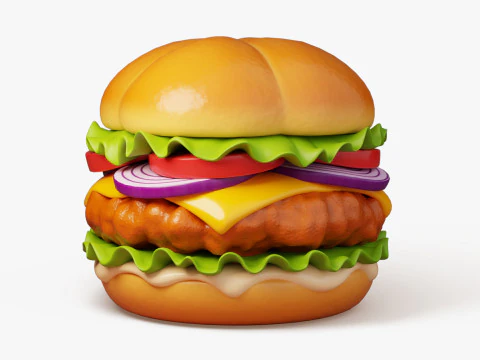
Nous avons 318 produit(s) Libre de droits Modèles 3D. This category contains a wide choice of Meat 3D Models - Food. Any 3D Meat model is available in .max, .obj, .c4d, .fbx, .dxf, .dwg, .stl, .iges, .3ds, .mb, .lwo, .3dm, .skp and .blend format. Some of them are ready for 3D Printing & Games. Also you will find a great number of models in Sweets and Vegetable categories.
- -50%
 proart1zoneMeat





























Recherches tendances Modèles 3D:
Sculpture Modèles 3D Personnages Modèles 3D Cuisine Modèles 3D Chevale Modèles 3D Architecturaux extérieurs Modèles 3D Téléphone et téléphone portable Modèles 3D Légume Modèles 3D Bijoux Modèles 3D Jouets Modèles 3D Médical Modèles 3D Hélicoptère Modèles 3D Armes lourdes Modèles 3D Camion Modèles 3D Anatomie Modèles 3DComment la texture complexe de la viande crue est-elle simulée en 3D?
En 2026, la modélisation de la viande crue s'appuie sur des «shaders anisotropiques» et le «Deep SSS» pour reproduire la nature fibreuse du muscle et la translucidité de la graisse. Nous utilisons des «cartes de marbrure» haute résolution qui représentent la répartition de la graisse intramusculaire avec une précision biologique totale. Cela garantit qu'un steak de Wagyu ou une côte de porc reflète la lumière différemment sur toute sa surface, capturant ainsi l'aspect «luisant» de la viande fraîche. Ce niveau de réalisme viscéral est essentiel pour les émissions culinaires haut de gamme, les simulations de formation en boucherie et les rendus d'emballages alimentaires haut de gamme où la qualité de la viande doit être évidente.
Les modèles de viande incluent-ils des versions «cuites» et «crues»?
Oui, la collection 2026 propose des ressources «State-Transition». Ces modèles sont fournis avec des maillages et des ensembles de textures distincts pour les états «Cru», «Saisi» et «Entièrement cuit». Les versions «cuites» intègrent un «char-mapping», simulant la caramélisation de la surface (réaction de Maillard) et le rétrécissement des fibres de la viande. Cela permet de créer des animations de cuisson en accéléré où la viande se transforme physiquement sous l'effet de la chaleur. Cette fonctionnalité est essentielle pour les entreprises de technologie alimentaire et les fabricants d'appareils électroménagers qui souhaitent visualiser en 3D les résultats de cuisson parfaits obtenus avec leur matériel.
Comment la «humidité et le jus» sont-ils gérés pour les ressources de viande fraîche?
La viande fraîche se caractérise par un aspect «humide», que nous obtenons à l'aide d'une configuration de shader «Dual-Specular». Une couche de base gère la réflexion des tissus organiques, tandis qu’une couche secondaire «Clearcoat» représente la fine pellicule d'humidité à la surface. En 2026, nous avons également intégré une géométrie «Fluid-Drop» pour les gouttelettes occasionnelles de sang ou de jus, offrant un aspect de surface «collant» et réaliste. Cela garantit que la viande ne ressemble pas à du plastique sec, apportant le réalisme appétissant requis pour le marketing culinaire professionnel et les environnements de jeu haute fidélité.
Existe-t-il des modèles spécialisés pour les produits de charcuterie et les produits carnés transformés?
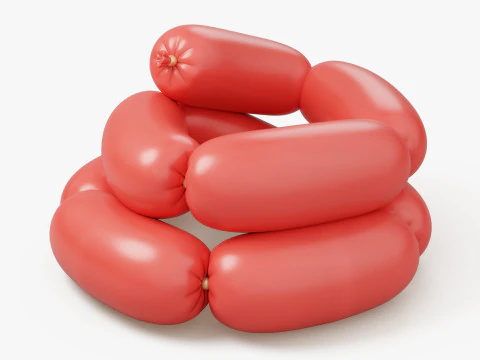
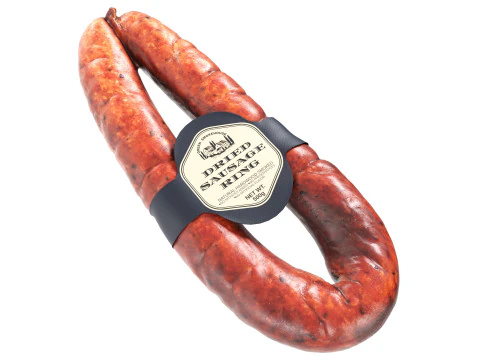
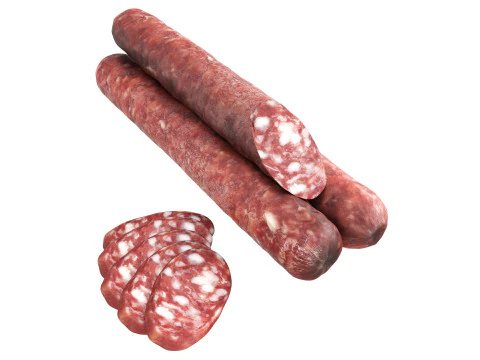
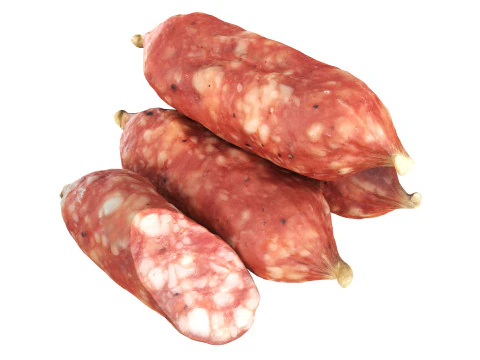
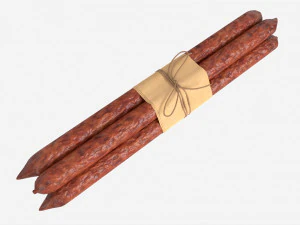
La catégorie Viande comprend une large gamme de charcuteries, de saucisses et de jambons séchés comme le prosciutto ou le salami. Ces modèles mettent l'accent sur la «variété des textures», en montrant les différentes moutures de viande et la présence d'épices ou de grains de poivre dans la tranche. Pour les viandes séchées, nous utilisons des shaders «durcis» qui capturent l'aspect sec et coriace de l'extérieur et l'intérieur huileux et translucide. Ces ressources sont parfaites pour les visualisations de «plateaux de charcuterie» dans les rendus architecturaux de luxe, contribuant à créer une atmosphère d'hospitalité haut de gamme et de gastronomie.
Comment les détails «os et tendons» sont-ils intégrés aux modèles?
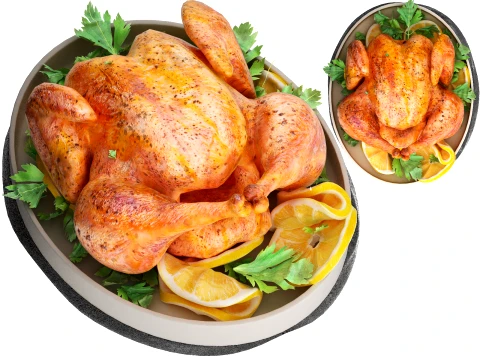
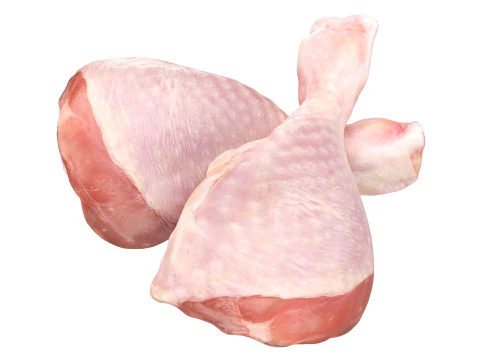
Pour les découpes telles que les steaks T-bone ou la volaille entière, les modèles intègrent la technologie «Multi-Material». l'os est modélisé avec une texture poreuse et mate qui contraste fortement avec la viande humide et translucide et les tendons fibreux. En 2026, ces zones de transition utilisent des «Blended Masks» pour garantir que les points d'attache aient un aspect organique et ne ressemblent pas à des éléments géométriques séparés. Cette précision anatomique est essentielle pour l'enseignement médical et pour les scènes réalistes de «préparation» en cuisine où l'on peut voir un personnage découper ou dépecer le produit. Comment la texture complexe de la viande crue est-elle simulée en 3D? En 2026, la modélisation de la viande crue s'appuie sur des «shaders anisotropiques» et le «Deep SSS» pour reproduire la nature fibreuse du muscle et la translucidité de la graisse. Nous utilisons des «cartes de marbrure» haute résolution qui représentent la répartition de la graisse intramusculaire avec une précision biologique totale. Cela garantit qu'un steak de Wagyu ou une côte de porc reflète la lumière différemment sur toute sa surface, capturant ainsi l'aspect «luisant» de la viande fraîche. Ce niveau de réalisme viscéral est essentiel pour les émissions culinaires haut de gamme, les simulations de formation en boucherie et les rendus d'emballages alimentaires haut de gamme où la qualité de la viande doit être évidente.
Les modèles de viande incluent-ils des versions «cuites» et «crues»?
Oui, la collection 2026 propose des ressources «State-Transition». Ces modèles sont fournis avec des maillages et des ensembles de textures distincts pour les états «Cru», «Saisi» et «Bien cuit». Les versions «Cooked» intègrent la fonctionnalité «Char-Mapping», qui simule la caramélisation de la surface (réaction de Maillard) et le rétrécissement des fibres de la viande. Cela permet de créer des animations de cuisson en accéléré où la viande se transforme physiquement sous l'effet de la chaleur. Cette fonctionnalité est essentielle pour les entreprises de technologie alimentaire et les fabricants d'appareils électroménagers qui souhaitent visualiser en 3D les résultats de cuisson parfaits obtenus avec leur matériel.
Comment la «humidité et le jus» sont-ils gérés pour les ressources de viande fraîche?
La viande fraîche se caractérise par un aspect «humide», que nous obtenons à l'aide d'une configuration de shader «Dual-Specular». Une couche de base gère la réflexion des tissus organiques, tandis qu’une couche secondaire «Clearcoat» représente la fine pellicule d'humidité à la surface. En 2026, nous avons également intégré une géométrie «Fluid-Drop» pour les gouttelettes occasionnelles de sang ou de jus, offrant un aspect de surface «collant» et réaliste. Cela garantit que la viande ne ressemble pas à du plastique sec, apportant le réalisme appétissant requis pour le marketing culinaire professionnel et les environnements de jeu haute fidélité.
Existe-t-il des modèles spécialisés pour les produits de charcuterie et les produits carnés transformés?
La catégorie Viande comprend une large gamme de charcuteries, de saucisses et de jambons séchés comme le prosciutto ou le salami. Ces modèles mettent l'accent sur la «variété des textures», en montrant les différentes moutures de viande et la présence d'épices ou de grains de poivre dans la tranche. Pour les viandes séchées, nous utilisons des shaders «durcis» qui capturent l'aspect sec et coriace de l'extérieur et l'intérieur huileux et translucide. Ces ressources sont parfaites pour les visualisations de «plateaux de charcuterie» dans les rendus architecturaux de luxe, contribuant à créer une atmosphère d'hospitalité haut de gamme et de gastronomie.
Comment les détails «os et tendons» sont-ils intégrés aux modèles?
Pour les découpes telles que les steaks T-bone ou la volaille entière, les modèles intègrent la technologie «Multi-Material». l'os est modélisé avec une texture poreuse et mate qui contraste fortement avec la viande humide et translucide et les tendons fibreux. En 2026, ces zones de transition utilisent des «masques mélangés» pour garantir que les points de jonction aient un aspect organique et ne ressemblent pas à des éléments géométriques séparés. Cette précision anatomique est essentielle pour l'enseignement médical et pour les scènes réalistes de «préparation» en cuisine où l'on peut voir un personnage découper ou dépeçer le produit.