


 English
 Español
 Deutsch
 日本語
日本語 Polska
 한국의
한국의 Українська
 Italiano
 Nederlands
 Türkçe
 Português
 Bahasa Indonesia
 Русский
 中國
中國 हिंदी
हिंदी
















Parties - Avion Modèles 3D
Nous avons 199 produit(s) Libre de droits Modèles 3D. This category contains a wide choice of Aircraft Parts 3D Models. Any 3D Aircraft Parts models is available in .max, .obj, .c4d, .fbx, .dxf, .dwg, .stl, .iges, .3ds, .mb, .lwo, .3dm, .skp and .blend format. Some of them are ready for 3D Printing & Games. A vast collection of Jet 3D models, Helicopter 3D models and Fighter AirCraft 3D models.
 pukamakaraParts
- -50%
 ZURELParts
 - -40%
 Markos3dParts
 - -40%
 Markos3dParts








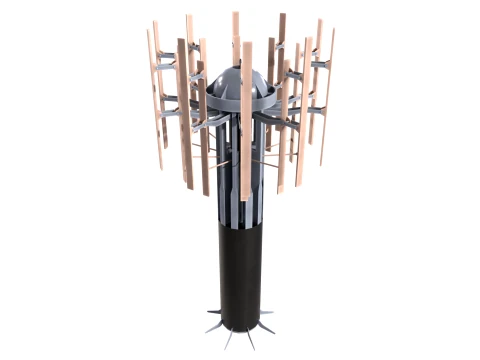
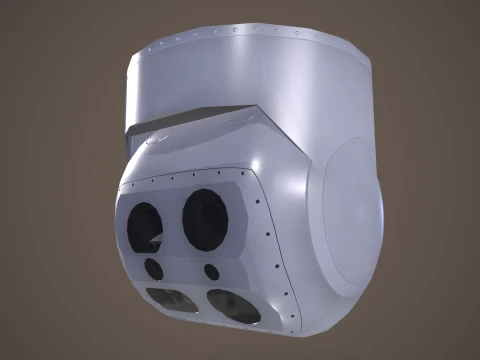
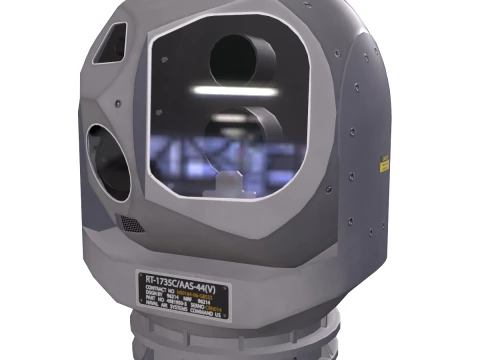

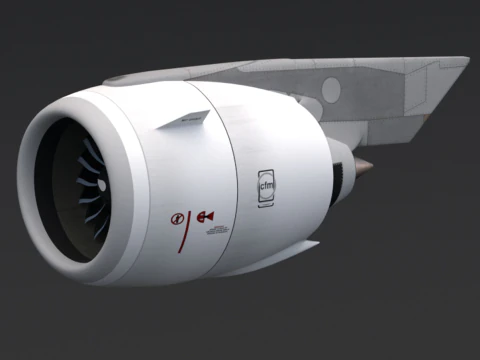
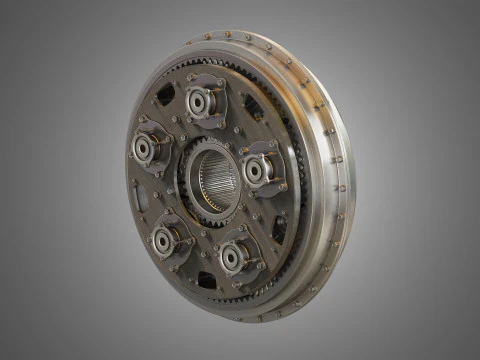




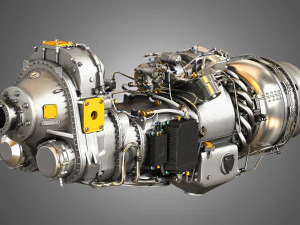




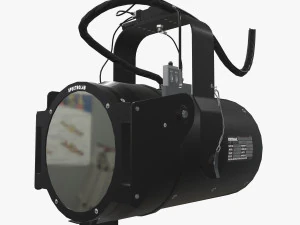


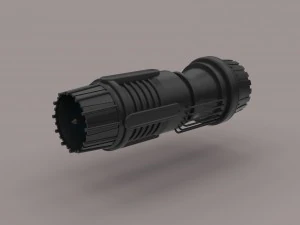
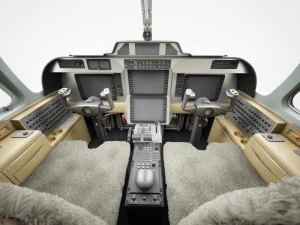

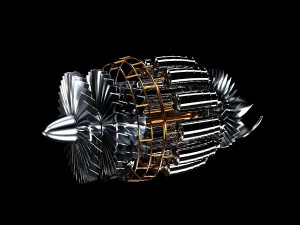




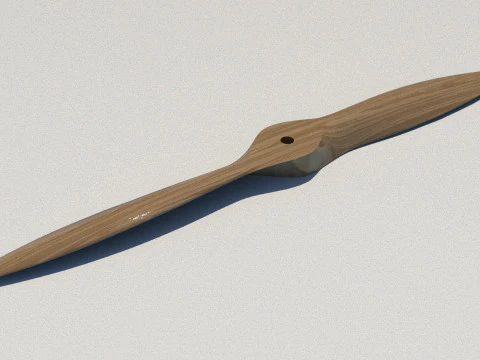


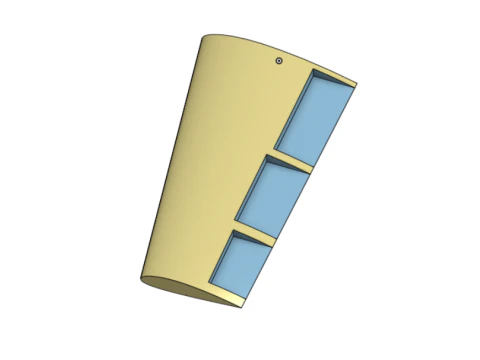
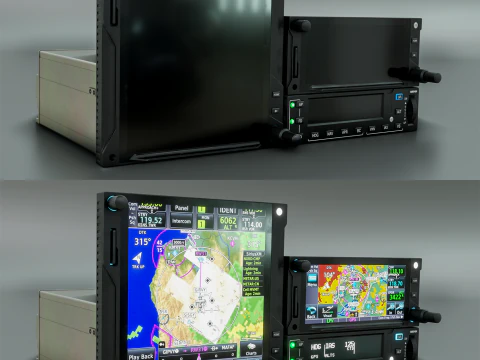
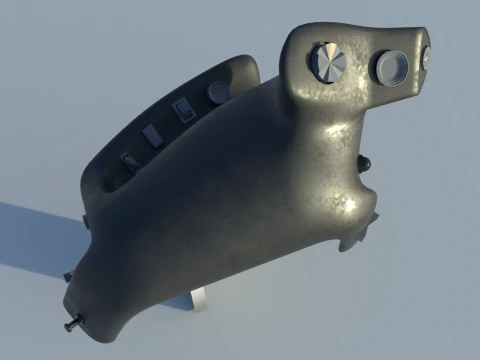
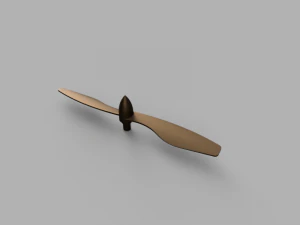


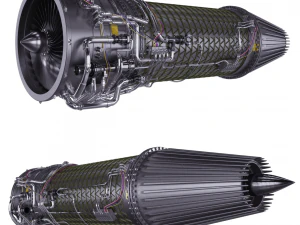

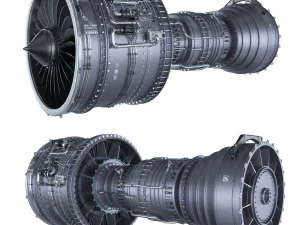


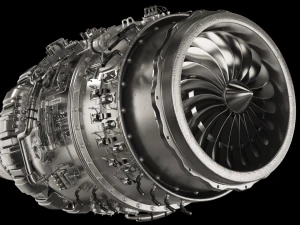


Recherches tendances Modèles 3D:
Sculpture Modèles 3D Personnages Modèles 3D Cuisine Modèles 3D Chevale Modèles 3D Architecturaux extérieurs Modèles 3D Téléphone et téléphone portable Modèles 3D Légume Modèles 3D Bijoux Modèles 3D Jouets Modèles 3D Médical Modèles 3D Hélicoptère Modèles 3D Armes lourdes Modèles 3D Camion Modèles 3D Anatomie Modèles 3DQuelles sont les principales applications des modèles 3D de pièces d'avion en 2026?
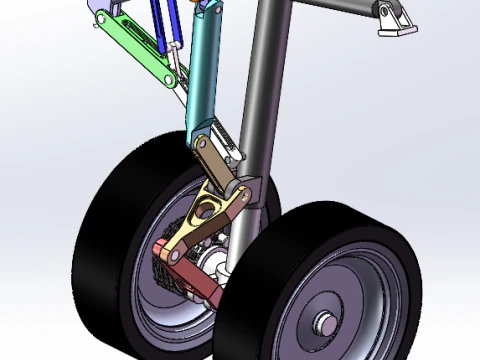
En 2026, les modèles 3D de composants aéronautiques sont indispensables à l'industrie aérospatiale, en particulier pour la formation en maintenance, réparation et révision (MRO) et la visualisation technique. Les ingénieurs et les formateurs utilisent ces ressources de haute précision pour créer des manuels interactifs permettant aux mécaniciens d'étudier le fonctionnement interne d'un turboréacteur ou d'un train d'atterrissage hydraulique en réalité augmentée (RA). De plus, ces modèles sont essentiels pour les simulations de «jumeaux numériques», permettant aux entreprises de visualiser les points de contrainte ou les flux d'air à travers des composants spécifiques avant la fabrication de prototypes physiques. Sur 3DExport, nos pièces sont conçues pour répondre à ces besoins professionnels, offrant la précision géométrique requise tant pour les supports pédagogiques haut de gamme que pour les animations industrielles complexes.
Ces pièces 3D sont-elles étanches et prêtes pour l'impression 3D?
Bon nombre de nos modèles de pièces d'avion sont spécifiquement conçus comme des ressources «prêtes pour l'impression 3D». Dans le contexte de la fabrication additive de 2026, cela signifie que les maillages sont fermés (étanches) sans trous ni arêtes non fermées, garantissant un découpage réussi pour les imprimantes 3D FDM, SLA ou métalliques. Ces modèles sont fréquemment utilisés par les amateurs pour construire des répliques de cockpits à grande échelle ou par des start-ups aérospatiales pour le prototypage rapide de composants intérieurs non critiques. Si un modèle est destiné à des effets visuels (VFX) plutôt qu'à l'impression, il peut nécessiter un modificateur «shell» (coque) ou «thicken» (épaissir) dans des logiciels tels que ZBrush ou Meshmixer, mais de nombreux vendeurs proposent à la fois des versions cinématiques à haute résolution et des versions optimisées pour l'impression afin de répondre à tous les besoins des utilisateurs.
Proposez-vous des modèles 3D de composants spécifiques de moteurs à réaction?
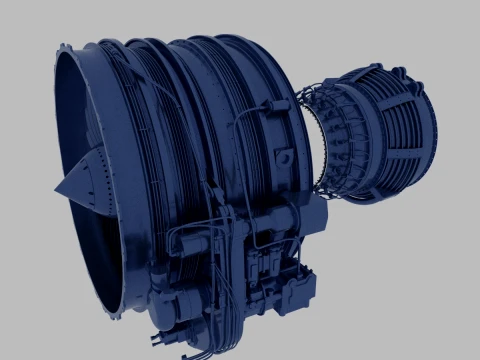
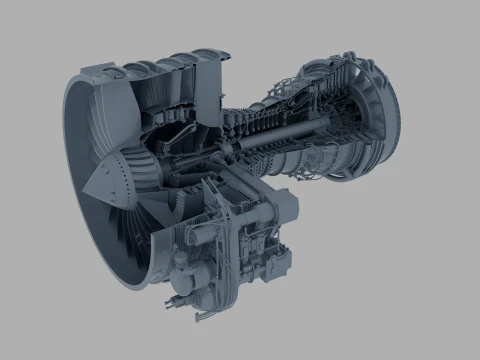
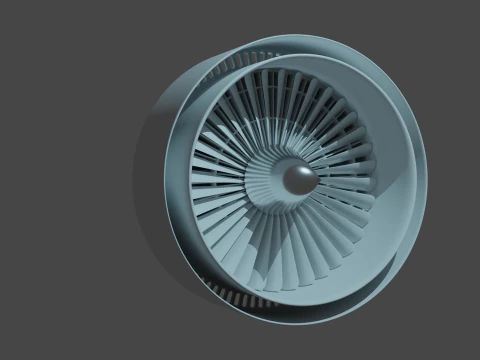
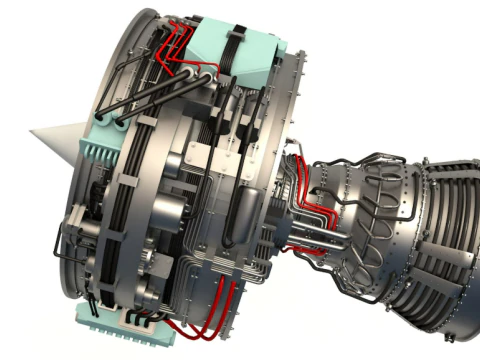
Oui, notre bibliothèque comprend des vues éclatées très détaillées de systèmes de propulsion modernes, notamment des aubes de soufflante, des chambres de combustion, des turbines haute pression et des tuyères d'échappement. En 2026, la demande en modèles «en vue éclatée» a conduit nos contributeurs à créer des moteurs dont l'architecture interne est entièrement modélisée. Vous y trouverez des composants pour tout type de moteur, des moteurs radiaux vintage aux derniers turboréacteurs à très haute dérivation utilisés sur les avions de ligne commerciaux. Ces modèles utilisent des matériaux PBR pour représenter avec précision les alliages aérospatiaux spécialisés, le titane et les céramiques résistantes à la chaleur, offrant ainsi le reflet métallique réaliste et les textures teintées par la chaleur nécessaires aux présentations d'ingénierie professionnelles et aux simulations de vol haute fidélité.
Puis-je utiliser ces modèles de pièces pour des animations en vue éclatée?
Absolument. La plupart de nos modèles 3D de pièces d'avion sont construits selon une hiérarchie modulaire, ce qui signifie que chaque boulon, plaque et engrenage est un objet distinct doté de son propre point de pivot. Cette structure est idéale pour les animations de «vues éclatées» utilisées dans les documentaires techniques ou les vidéos marketing consacrées au matériel aérospatial. En 2026, ces ressources sont souvent fournies dans des formats tels que FBX ou Cinema 4D, qui permettent d'animer facilement les pièces s'éjectant d'un axe central. Cela permet aux spectateurs de voir comment des systèmes complexes, tels que le système de freinage d'un avion ou un groupe auxiliaire de puissance (APU), sont assemblés et comment ils fonctionnent en interne, offrant un niveau de clarté que les schémas 2D ne peuvent tout simplement pas égaler.
Quels formats de fichiers sont proposés pour l'intégration dans des logiciels de CAO?
Afin de combler le fossé entre les logiciels de création de contenu numérique (DCC) et les logiciels de CAO de niveau ingénierie, nos vendeurs proposent une variété de formats. Alors que les formats OBJ et FBX sont la norme pour le rendu et les jeux, de nombreuses pièces techniques incluent également des fichiers STEP, IGES ou STL, qui sont bien plus compatibles avec les plateformes de CAO telles que SolidWorks, Autodesk Fusion ou Rhino. En 2026, disposer de ces formats de maillage NURBS ou de haute précision est essentiel pour les professionnels qui doivent intégrer des ressources 3D dans un assemblage mécanique plus vaste. Nous vous recommandons de consulter les «Spécifications techniques» sur la page du produit afin de vous assurer que les formats disponibles répondent aux exigences de précision de votre pipeline d'ingénierie ou de visualisation spécifique.