


 English
 Español
 Deutsch
 日本語
日本語 Polska
 한국의
한국의 Українська
 Italiano
 Nederlands
 Türkçe
 Português
 Bahasa Indonesia
 Русский
 中國
中國 हिंदी
हिंदी
















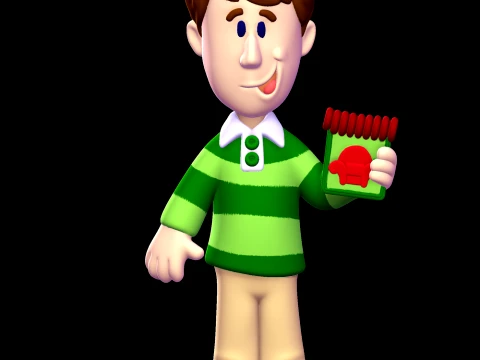
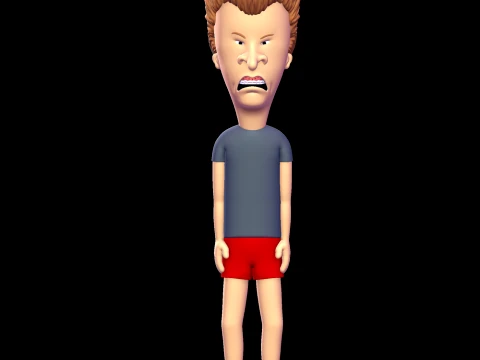
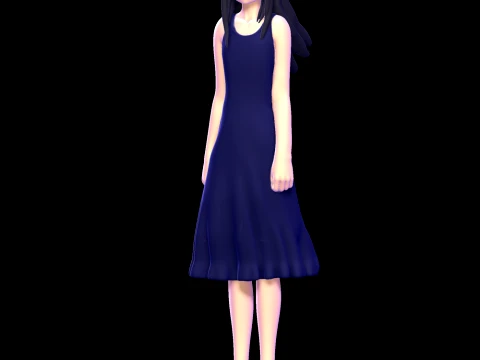
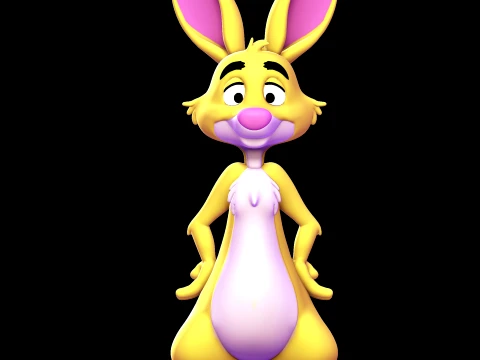
Dessin animé - Personnages Modèles 3D
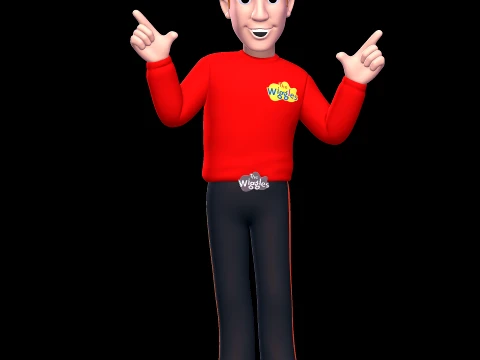
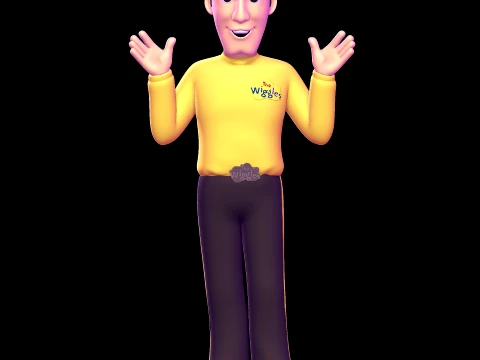
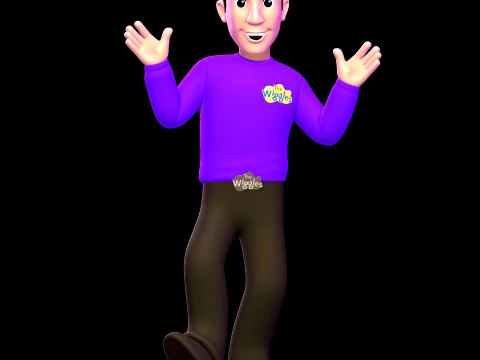
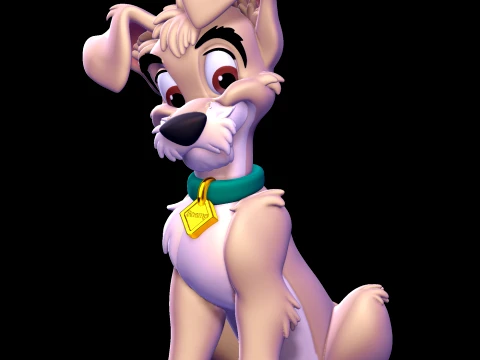
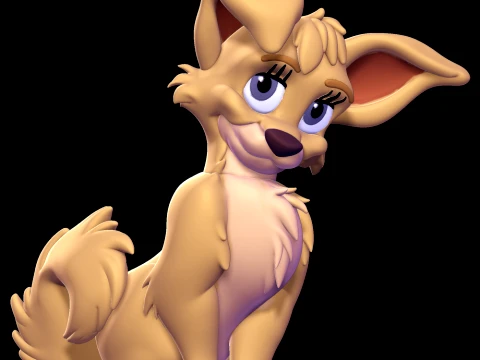
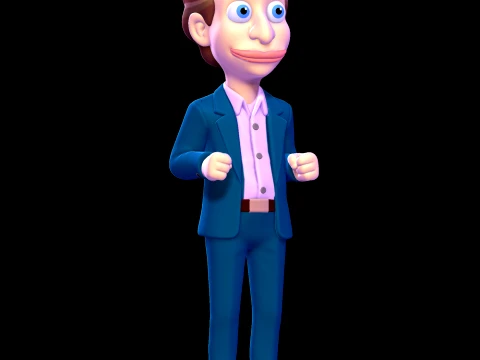
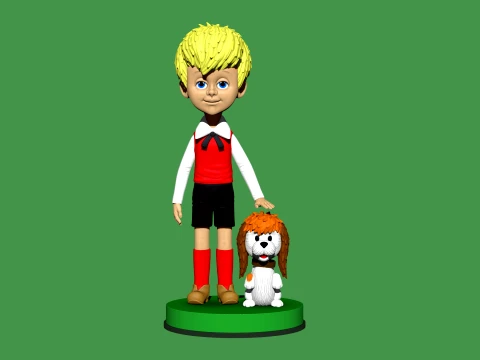
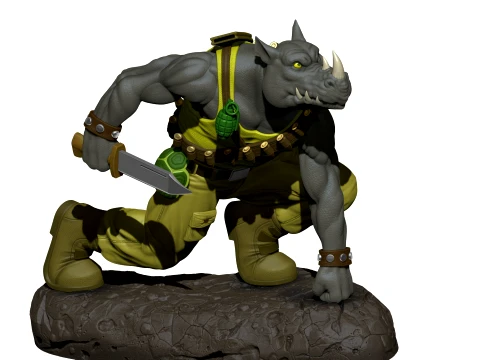
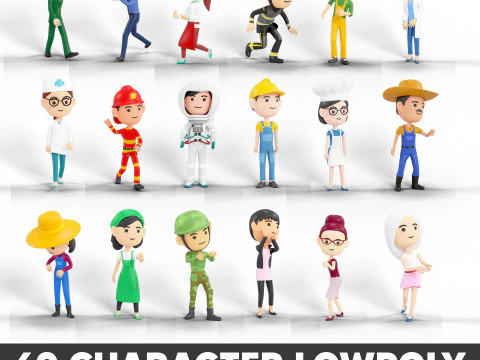
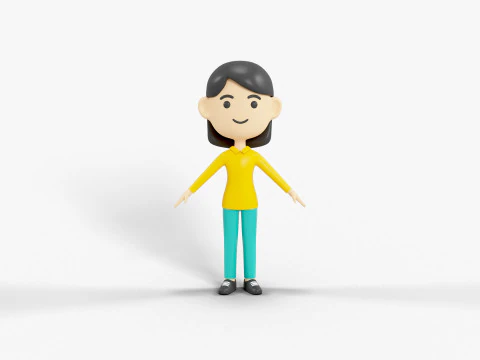
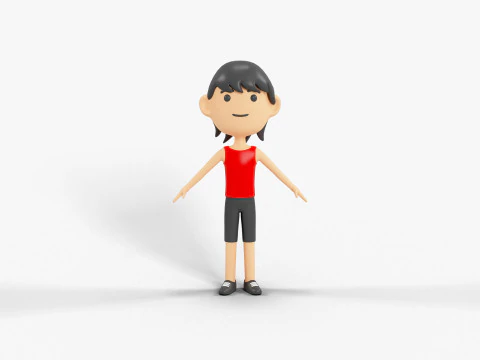
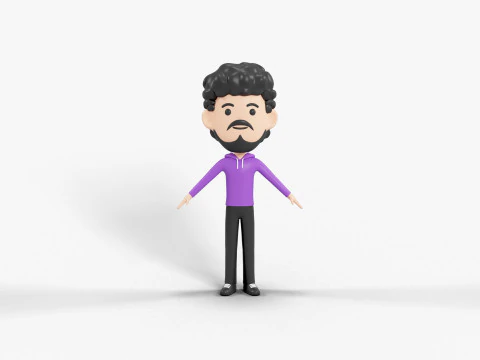
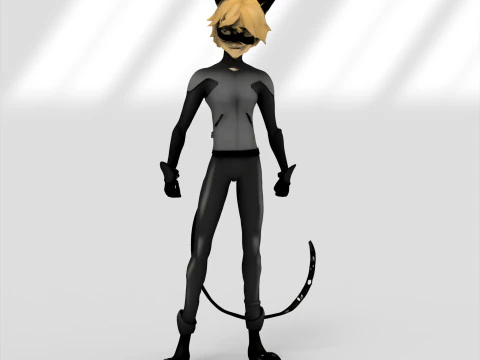
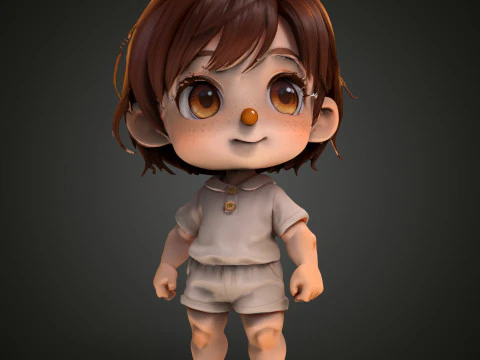
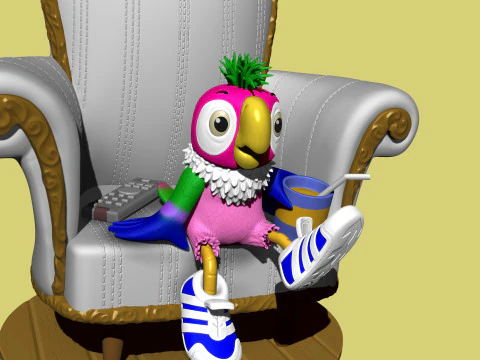
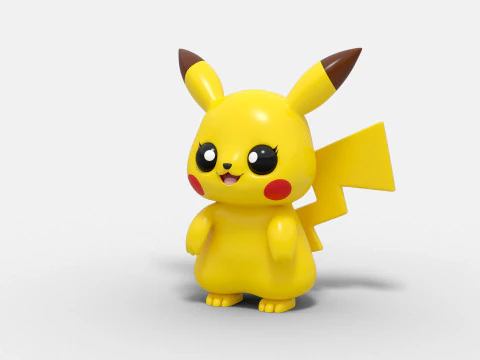
Nous avons 5249 produit(s) Libre de droits Modèles 3D. This category contains a wide choice of Cartoon 3D Models - Characters. Any 3D Cartoon model is available in .max, .obj, .c4d, .fbx, .dxf, .dwg, .stl, .iges, .3ds, .mb, .lwo, .3dm, .skp and .blend format. Some of them are ready for 3D Printing & Games. Also you will find a great number of models in Anatomy and Woman categories.
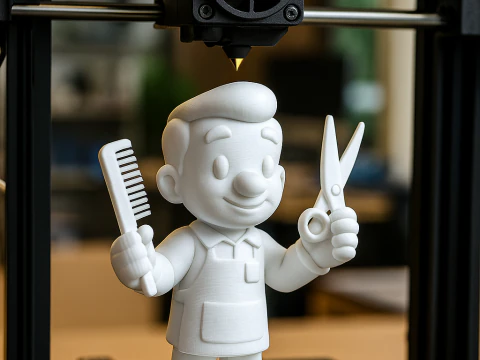 brunonunesdpCartoon
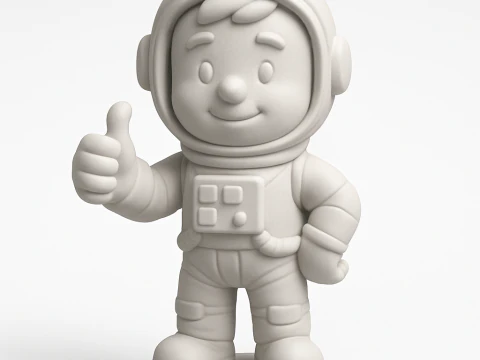 brunonunesdpCartoon
 brunonunesdpCartoon
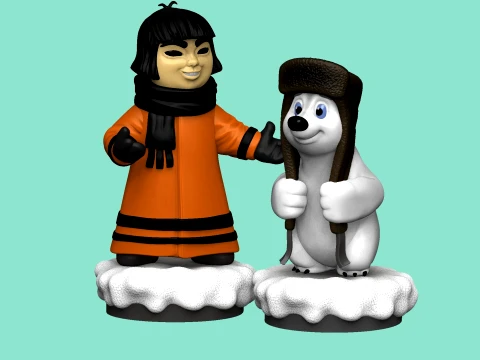
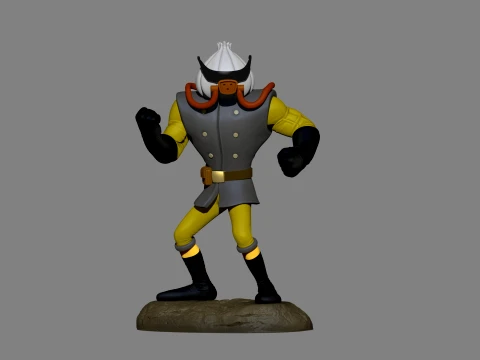














Recherches tendances Modèles 3D:
Sculpture Modèles 3D Personnages Modèles 3D Cuisine Modèles 3D Chevale Modèles 3D Architecturaux extérieurs Modèles 3D Téléphone et téléphone portable Modèles 3D Légume Modèles 3D Bijoux Modèles 3D Jouets Modèles 3D Médical Modèles 3D Hélicoptère Modèles 3D Armes lourdes Modèles 3D Camion Modèles 3D Anatomie Modèles 3DQu'est-ce qui caractérise le style technique des modèles 3D de dessins animés en 2026?
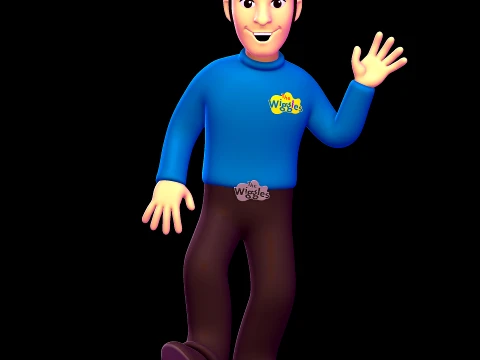
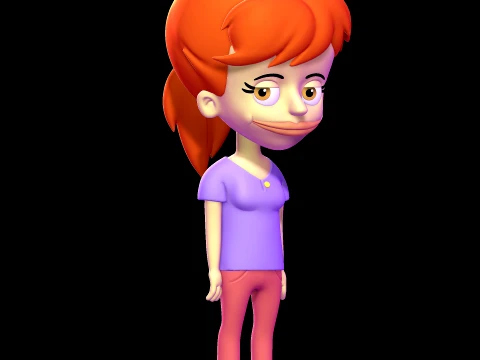
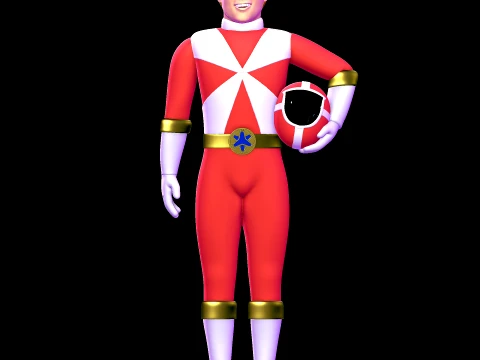
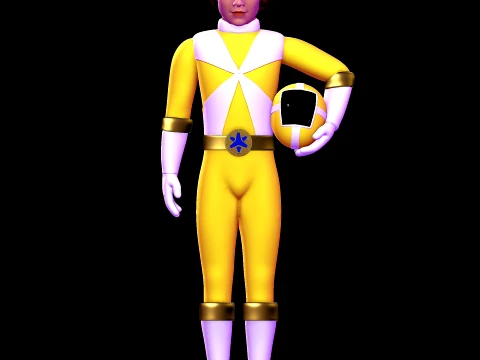
Les modèles de dessins animés en 2026 représentent un mariage parfait entre expression artistique et haute technologie. Contrairement aux personnages réalistes, l'accent est ici mis sur des silhouettes expressives, des proportions attrayantes et des lignes épurées. Techniquement, cela implique une topologie parfaite qui permet une déformation extrême du maillage sans artefacts. Les textures «peintes à la main» et le «cel-shading» (ombrage cartoon) sont très populaires, car ils imitent l'art 2D dans un espace 3D. Ces modèles sont idéaux pour les jeux indépendants, les séries animées et les publicités où il est plus important de gagner la sympathie du public grâce à des images lumineuses et uniques que par le photoréalisme, offrant ainsi un look distinct qui se démarque sur un marché numérique saturé.
Comment les rigs de dessins animés mettent-ils en œuvre les principes de «squash» et «stretch»?
En 2026, les rigs de dessins animés professionnels sont construits à l'aide de déformateurs non linéaires et de systèmes complexes d'étirement des os. Cela permet aux animateurs de «Squash» ou «Stretch» radicalement la tête, le torse ou les membres d'un personnage sans perdre de volume visuel. Cette approche transpose les principes classiques de l'animation de Disney et Warner Bros. en 3D, ajoutant une énergie dynamique et une élasticité incroyables aux mouvements. C'est essentiel pour le timing comique ou les séquences d'action, où une réaction exagérée du héros crée l'impact émotionnel nécessaire. Les utilisateurs reçoivent des contrôleurs prêts à l'emploi qui rendent le processus d'animation intuitif et créatif, permettant un niveau de performance des personnages qui semble vivant et plein d'entrain.
Ces modèles sont-ils adaptés aux jeux mobiles et aux projets interactifs grand public?
Oui, la catégorie «cartoon» comprend de nombreux éléments spécialement optimisés pour les plateformes mobiles et les casques de réalité virtuelle dont la puissance de traitement est limitée. En 2026, cela est rendu possible grâce au «Texture Baking», où l'éclairage et les ombres sont directement intégrés dans les cartes de texture. Cela permet au modèle d'apparaître volumineux et attrayant sans avoir besoin de shaders en temps réel coûteux. Ces personnages présentent un faible nombre de polygones (Low-poly) mais conservent leur caractère et leurs détails grâce à une conception astucieuse et à des textures de haute qualité. Cela en fait le choix idéal pour les jeux hyper-casual, les applications mobiles et les métavers où les performances et la vitesse de chargement sont des facteurs clés de succès pour la fidélisation des utilisateurs.
Quel est le niveau de détail des expressions faciales des personnages de dessins animés de 2026?
Les expressions faciales des modèles de dessins animés de 2026 sont souvent plus complexes que celles des modèles réalistes, car elles doivent être exagérées. Les rigs basent généralement leur fonctionnalité sur une combinaison d'os et de blendshapes, offrant à l'animateur un contrôle total sur les sourcils, les yeux et la bouche pour créer des émotions extrêmes, allant d'une joie sans limite à un profond désespoir. De nombreux modèles prennent en charge la norme ARKit, ce qui permet à un utilisateur de contrôler les expressions faciales du personnage en temps réel à l'aide d'un smartphone standard. Cela ouvre de vastes opportunités pour les vlogueurs virtuels (VTubers) et les créateurs de contenu pour enfants, leur permettant d'animer un héros «à la volée» avec un haut niveau de jeu d'acteur et de nuances émotionnelles.
Quelles solutions sont utilisées pour la modélisation des cheveux chez les personnages stylisés?
Pour les personnages de dessins animés en 2026, les «cheveux sculptés» (cheveux basés sur la géométrie) constituent la solution la plus courante. Cela signifie que la coiffure est modélisée comme un objet solide ou un ensemble de mèches stylisées plutôt que comme des mèches individuelles. Cette approche garantit une cohérence stylistique et facilite considérablement l'animation des cheveux à l'aide de la physique pour créer un «mouvement secondaire» — où les cheveux rebondissent lors des marches ou des sauts. Les textures de cheveux comprennent généralement des reflets brillants et des dégradés qui soulignent le volume. Cela est non seulement esthétique dans le style artistique choisi, mais permet également d'économiser considérablement des ressources de calcul par rapport aux systèmes de cheveux réalistes, ce qui est essentiel pour maintenir des fréquences d'images élevées dans les projets de jeux vidéo.