


 English
 Español
 日本語
日本語 Polska
 Français
 한국의
한국의 Українська
 Italiano
 Nederlands
 Türkçe
 Português
 Bahasa Indonesia
 Русский
 中國
中國 हिंदी
हिंदी
















Architektonische Elemente 3D Modelle
Wir haben 22863 Artikel Lizenzfrei 3D Modelle. Wir bieten eine umfangreiche Sammlung von 3d Architekturmodellen für jede Art von Projekt. Sie finden hier Modelle von MAX, C4D, BLEND, FBX, STL und OBJ, GLTF-Formate. Stöbern Sie in der vollständigen Sammlung und Sie werden bestimmt etwas Nützliches in den Kategorien 3D Architekturmodelle von Innenräumen und 3D Automodelle finden
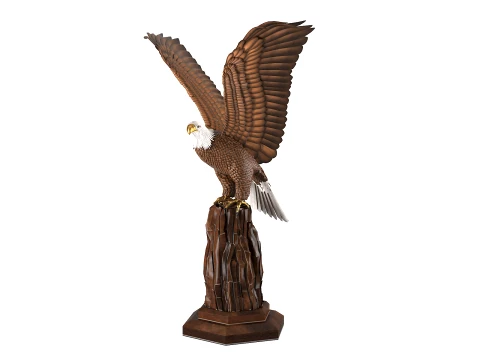
 deckoratorSculpture
 deckoratorSculpture





















Angesagte Suchanfragen 3D Modelle:
Skulptur 3D Modelle Charaktere 3D Modelle Küche 3D Modelle Pferd 3D Modelle Außenbereich 3D Modelle Telefon und Handy 3D Modelle Gemüse 3D Modelle Schmuck 3D Modelle Spielzeug 3D Modelle Medizinisch 3D Modelle Helikopter 3D Modelle Schwere Waffen 3D Modelle LKW 3D Modelle Anatomie 3D ModelleWas sind die technischen Standards für architektonische Elemente im Jahr 2026?
Im Jahr 2026 werden architektonische 3D-Modelle voraussichtlich mehr sein als nur visuelle Hüllen; sie werden zunehmend in BIM-Standards (Building Information Modeling) integriert. Hochwertige Assets dieser Kategorie zeichnen sich durch „Clean Geometry“ mit nicht überlappenden UVs aus und werden oft in Formaten wie IFC oder Revit-kompatiblem FBX bereitgestellt. Für das visuelle Rendering sind PBR-Materialien (Physically Based Rendering) ein Muss, wobei 4K- oder 8K-Texturen für Albedo-, Normal- und Roughness-Maps verwendet werden, um realistische Stein-, Holz- und Metalloberflächen zu simulieren. Dadurch wird sichergestellt, dass ein einzelnes Element von der ersten Konzeptionsphase bis hin zum endgültigen fotorealistischen Marketing-Rendering oder VR-Rundgang verwendet werden kann. Die Geometrie ist für „Real-Time Global Illumination“ optimiert, wodurch sich diese Assets perfekt für moderne Engines wie Unreal Engine 5 oder Lumion 2026 eignen.
Wie wird Modularität bei architektonischen 3D-Assets gehandhabt?
Modularität ist eine zentrale Anforderung für Workflows im Jahr 2026. Die meisten architektonischen Elemente, wie Säulen, Leisten und Paneele, sind so konzipiert, dass sie „angepasst“ werden können. Das bedeutet, dass sie standardmäßige metrische oder imperiale Maße verwenden und ihre Drehpunkte präzise an den Ecken oder in der unteren Mitte platziert sind. Dies ermöglicht es Architekten und Level-Designern, komplexe Strukturen schnell zusammenzusetzen, indem sie Komponenten duplizieren und ohne Lücken oder Überlappungen der Meshes aneinanderfügen. Ganz gleich, ob Sie eine klassische Kathedrale oder einen modernen Wolkenkratzer bauen – diese modularen Bausätze verkürzen die Produktionszeit erheblich und sorgen gleichzeitig für eine einheitliche Ästhetik im gesamten Architekturprojekt. Die meisten Bausätze enthalten zudem „Eckstücke“ und „Endkappen“, um nahtlose Übergänge in komplexen Geometrie-Layouts zu gewährleisten.
Können diese architektonischen Elemente für VR- und AR-Rundgänge verwendet werden?
Auf jeden Fall. Im Jahr 2026 ist die Nachfrage nach immersiven Architekturerlebnissen so hoch wie nie zuvor. Unsere Modelle sind mit ausgewogener Polygonanzahl und effizienten LOD-Systemen (Level of Detail) optimiert, wodurch sie sich ideal für VR-Headsets wie das Apple Vision Pro oder Meta Quest 4 eignen. Da sie PBR-Workflows nutzen, reagieren Materialien realistisch auf dynamische Beleuchtung in VR-Umgebungen. Darüber hinaus verfügen viele Elemente über vereinfachte „Collision Meshes“, sodass Nutzer durch digitale Räume gehen können, ohne durch Wände oder Möbel hindurchzugehen. Diese technische Ausgereiftheit gewährleistet ein flüssiges Erlebnis mit hoher Bildrate, was entscheidend ist, um Bewegungsübelkeit in VR zu vermeiden und ein professionelles Gefühl der Präsenz bei virtuellen Immobilienbesichtigungen zu vermitteln.
Sind die Materialien an verschiedene Einrichtungsstile anpassbar?
Ja, Anpassbarkeit hat in unserer Kollektion 2026 Priorität. Viele architektonische Elemente werden mit „Multi-Material“-Einstellungen bereitgestellt, sodass Nutzer Texturen einfach austauschen können. So kann beispielsweise einem einzelnen Zierleistenmodell ein Holz-, Putz- oder Metall-Shader zugewiesen werden, ohne die Geometrie zu verändern. Darüber hinaus stellen viele Entwickler „Substance“-Dateien (.sbsar) oder PSD-Dateien mit Ebenen bereit, die prozedurale Anpassungen von Parametern wie „Verschmutzung“, „Alter“ oder „Farbton“ ermöglichen. So können Architekten bei jedem Projekt ein einzigartiges Erscheinungsbild beibehalten und gleichzeitig eine einheitliche Bibliothek mit Basis-Assets nutzen, was den kreativen Iterationsprozess während der Entwurfsphase erheblich beschleunigt.
Wie lassen sich architektonische Elemente in moderne Beleuchtungssysteme integrieren?
Modernes Architektur-Rendering stützt sich stark auf physikalische Genauigkeit. Unsere 2026-Modelle sind so konzipiert, dass sie korrekt mit IES-Lichtprofilen (Illumination Engineering Society) interagieren. Elemente wie Leuchten, Einbau-Decken und Fensterrahmen sind mit präzisen „Emissive“-Materialien und „Light Portals“ gestaltet. Dies stellt sicher, dass Lichtreflexionen und Schatten sich genau so verhalten, wie sie es in einem realen Gebäude tun würden. Darüber hinaus werden die UV-Maps sorgfältig entfaltet, um „Lightmap Leaks“ oder „Light Bleed“ zu vermeiden. Dies ist unerlässlich für hochwertiges „Baking“ in Engines wie Unity oder für Echtzeit-Raytracing in professioneller ArchViz-Software und sorgt für einen Realismusgrad, der selbst die anspruchsvollsten Kunden zufriedenstellt.