


 English
 Español
 Deutsch
 Polska
 Français
 한국의
한국의 Українська
 Italiano
 Nederlands
 Türkçe
 Português
 Bahasa Indonesia
 Русский
 中國
中國 हिंदी
हिंदी
















飲み物 - 食べ物 3Dモデル
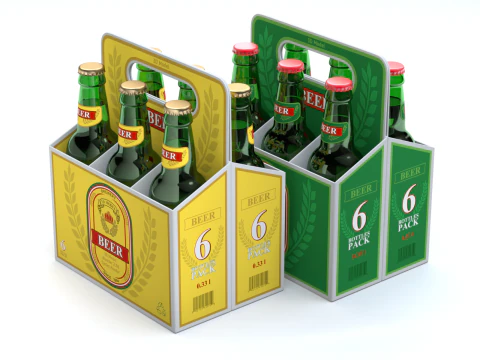
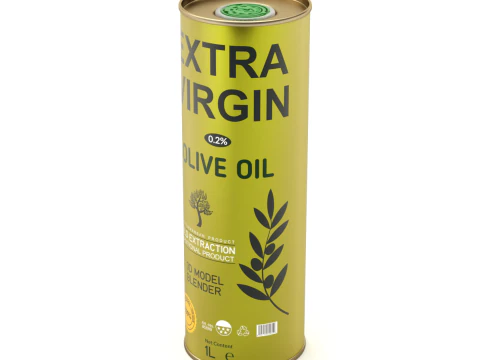
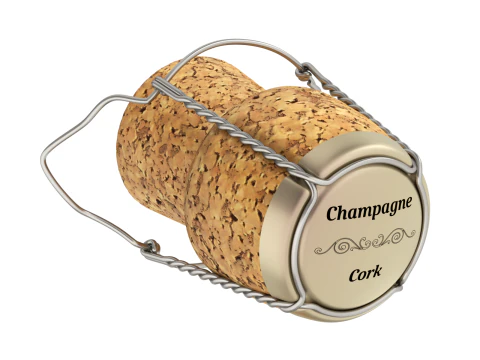
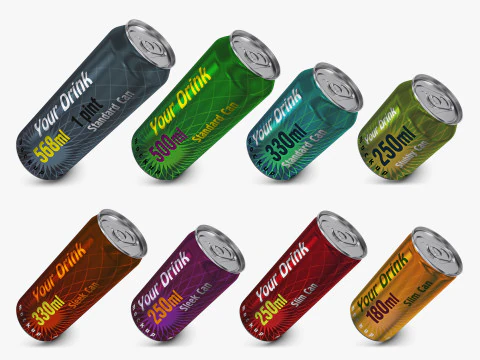
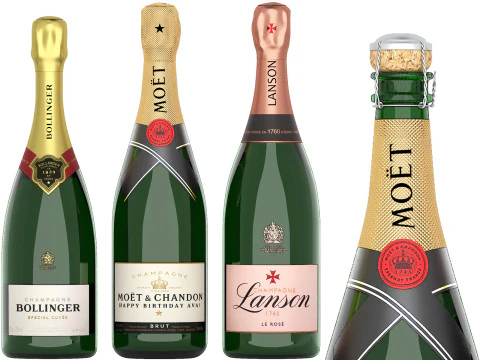
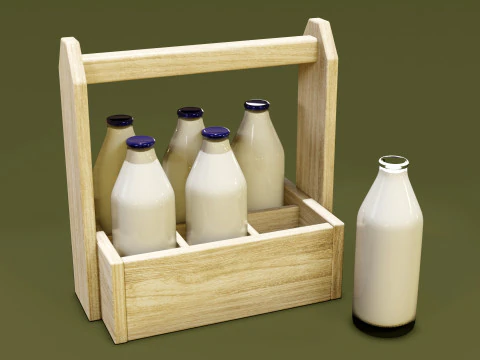
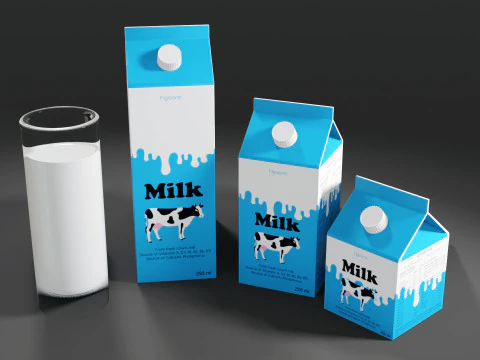
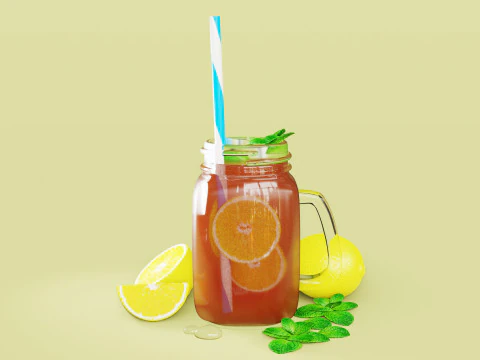
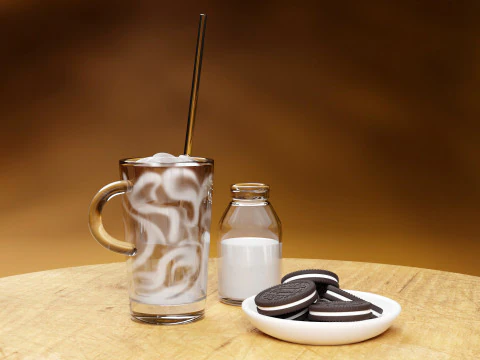
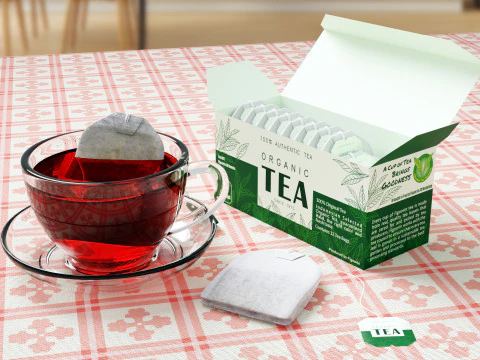
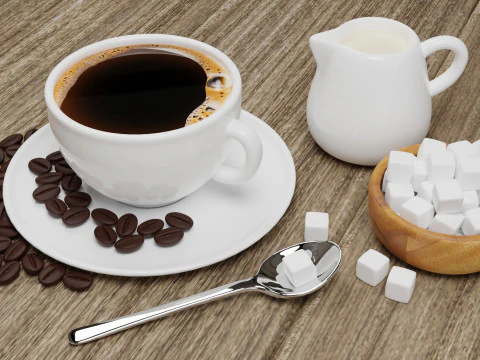
あります 2284アイテム ロイヤリティフリー 3Dモデル. This category contains a wide choice of Beverage 3D Models - Food. Any 3D Beverage model is available in .max, .obj, .c4d, .fbx, .dxf, .dwg, .stl, .iges, .3ds, .mb, .lwo, .3dm, .skp and .blend format. Some of them are ready for 3D Printing & Games. Also you will find a great number of models in Meat and Fruit categories.































トレンド検索 3Dモデル:
彫刻 3Dモデル 特徴 3Dモデル 台所 3Dモデル 馬 3Dモデル 外装 3Dモデル 電話と携帯電話 3Dモデル 野菜 3Dモデル ジュエリー 3Dモデル 人形 3Dモデル 医療の 3Dモデル ヘリコプター 3Dモデル 重い武器 3Dモデル トラック 3Dモデル 骨格 3Dモデル2026年の飲料3Dモデルにおいて、液体のリアリズムはどのように実現されているのでしょうか?
液体のリアルな表現は、高度な流体シミュレーションと屈折率(IOR)の正確さによって実現されます。2026年、飲料のモデルには「Nested Dielectric」シェーダーが採用され、ガラスと液体の境界面を視覚的なアーティファクトなしに処理できるようになります。これにより、ワインボトルやウイスキーのグラスが、物理的に完全に正確な光の反射と屈折を再現できるようになります。 さらに、液体には「体積吸収」が適用されており、グラスの中心部では縁よりも液体が暗く、濃密に見えるようになっています。このレベルの光学的なディテールは、液体が食欲をそそり、高級感あふれるように見える必要がある、高級飲料のCMや高級レストランのレンダリングにおいて不可欠です。
結露や「氷のように冷たい」効果専用のシェーダーはありますか?
はい、プロフェッショナルな飲料モデルには専用の「結露レイヤー」が含まれています。2026年のモデルでは、平面テクスチャの代わりに「プロシージャル・ドロップレット」ジオメトリや高精細なディスプレースメントマップを使用し、缶やボトルの表面にリアルな水滴を生成します。これらの水滴は独自の屈折特性を持っており、本物の水と同じように下にあるラベルを歪ませることができます。 冷やされたグラスの曇ったような質感を再現する「フロスト」シェーダーと組み合わせることで、これらのアセットは五感に訴える視覚体験を提供します。冷たさと新鮮さを完璧に視覚的に表現し、「喉の渇き」を誘発することを目的とする飲料マーケティングにおいて、これは不可欠な要素です。
ソフトドリンクにおける「炭酸と気泡」はどのようにシミュレートされているのでしょうか?
炭酸飲料やビールについては、2026年のモデルでは「内部パーティクルシステム」や「バブルジオメトリ」が採用されています。これらは、高反射率のシェーダーを適用した数千個の微小な球体としてモデル化され、液体の空間内にリアルに散りばめられています。 多くのモデルには、ビール用の「ヘッド」または「フォーム」レイヤーも含まれており、「サブサーフェススキャタリング」を使用して、泡のクリーミーで空気感のある質感を表現しています。これにより、飲料が「生き生き」としていて、注がれたばかりのように見え、テンポの速いコマーシャルの編集やインタラクティブなVRバー体験に必要なダイナミックなエネルギーを提供します。
ボトルラベルやパッケージはブランディングに合わせてカスタマイズ可能ですか?
ほとんどの飲料アセットは「非重なりUV」を採用しており、ラベル用に個別のマテリアルIDが用意されているため、ブランドに合わせたカスタマイズが容易です。 2026年版では、ラベルに「複雑なマテリアル対応」が追加され、メタリック箔押し、エンボス加工、マットと光沢のコントラストなどが表現可能です。これは、プロのスタジオ照明下で新しいラベルがどのように見えるかを視覚化する必要があるパッケージデザイナーにとって極めて重要です。また、ボトルには微細な気泡やわずかな厚みのばらつきといったリアルなガラスの「不完全さ」も再現されており、デジタルならではの完璧さを打ち破り、製品に有機的な本物らしさを加えています。
これらのモデルは、注ぐ動作や水しぶきの流体アニメーションに対応していますか?
多くの飲料アセットは「Sim-Ready」セットアップとして提供されています。ベースモデル自体は静止モデルですが、高解像度の飛沫や注ぎ込みを表現した「VDBシーケンス」や「Alembicキャッシュ」が付属していることがよくあります。 これにより、3Dアーティストは複雑な流体シミュレーションをゼロから実行することなく、シーンに「ヒーロー」となる水しぶきを組み込むことができます。これらのメッシュは、流体のような表面を維持しつつ、最新のエンジンでのリアルタイム再生に十分な軽さを保つようトポロジカルに最適化されており、インパクトの強いソーシャルメディア広告やインタラクティブな製品コンフィギュレーターに最適です。