


 English
 Español
 Deutsch
 Polska
 Français
 한국의
한국의 Українська
 Italiano
 Nederlands
 Türkçe
 Português
 Bahasa Indonesia
 Русский
 中國
中國 हिंदी
हिंदी
















部品 - 工業的な 3Dモデル
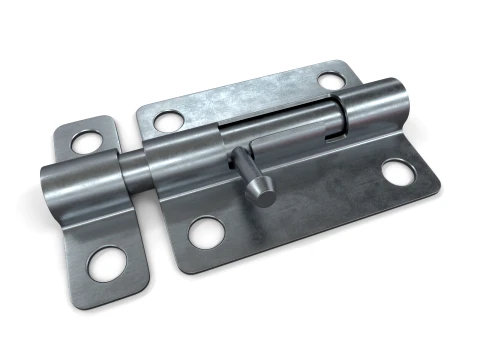
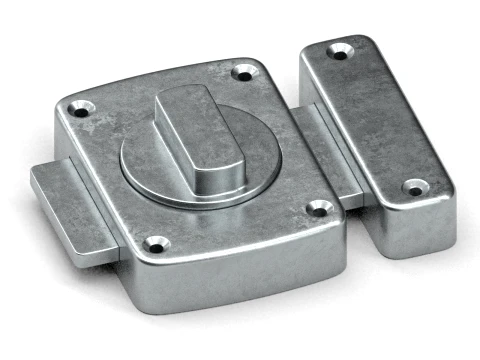
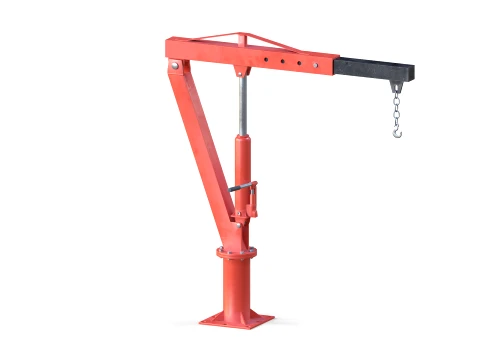
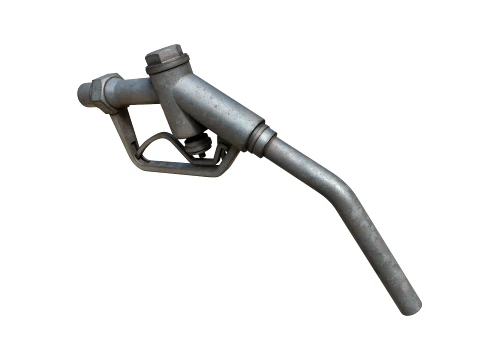
あります 3006アイテム ロイヤリティフリー 3Dモデル. This category contains a wide choice of Industrial parts 3D Models - Industrial. Any 3D Industrial parts model is available in .max, .obj, .c4d, .fbx, .dxf, .dwg, .stl, .iges, .3ds, .mb, .lwo, .3dm, .skp and .blend format. Some of them are ready for 3D Printing & Games. Also you will find a great number of models in Machines and Shipping containers categories.


トレンド検索 3Dモデル:
彫刻 3Dモデル 特徴 3Dモデル 台所 3Dモデル 馬 3Dモデル 外装 3Dモデル 電話と携帯電話 3Dモデル 野菜 3Dモデル ジュエリー 3Dモデル 人形 3Dモデル 医療の 3Dモデル ヘリコプター 3Dモデル 重い武器 3Dモデル トラック 3Dモデル 骨格 3Dモデル2026年の産業用パーツにおいて、標準的な設計精度はどの程度でしょうか?
「パーツ」カテゴリは、1:1の機械的精度という原則に基づいて構築されています。平歯車、ボールベアリング、高圧バルブなど、あらゆるコンポーネントが標準的なISOまたはDIN規格に準拠しています。 2026年、これらの部品は面取りされたエッジとリアルなねじ山でモデリングされており、ボルトやナットが対応する穴に物理的に確実に嵌合するようになっています。この技術的な深みは、プロトタイピングに3Dモデルを利用する機械エンジニアにとって不可欠であるだけでなく、機械の内部構造を完全に明確に示す必要がある分解図アニメーションを作成するアーティストにとっても重要です。
機械部品の金属質や油っぽい質感はどのようにシミュレートされているのでしょうか?
工業用パーツのリアリズムは、金属と潤滑剤の相互作用によって生まれます。当社の2026年モデルは、異方性を表現するための専用のPBRマップを採用しており、機械加工された鋼材のブラッシュ仕上げのような質感を再現しています。 また、ラフネスおよびメタリックチャンネルにグリースやオイルのマスクを組み込み、新品部品に見られる保護コーティングや、使用済み部品に蓄積した潤滑油をシミュレートしています。これにより、ギアの縁やベアリングのハウジング内部にリアルな光の反射が生じ、ハイエンドな工業製品写真やテクニカルレンダリングに不可欠な、実在感あふれる重厚な質感が表現されます。
パーツは、カスタム機械の組み立て用にモジュール化されていますか?
はい、2026年版工業用パーツライブラリは、キットバッシュやカスタム組み立てを想定して設計されています。油圧シリンダー、パイプ、電気コネクタなどのコンポーネントは、標準化された取り付けポイントを備えたモジュール式ユニットとして構築されています。これにより、アーティストはパーツをスナップ式に組み合わせることで、カスタム機械や複雑な配管を素早く「構築」できます。 各パーツは独自のUVレイアウトとマテリアルIDを保持しているため、カスタムで構築された装置でも一貫したビジュアル基準を維持できます。このモジュール性は、特注の機械ソリューションやSF環境に取り組むコンセプトアーティストや工業デザイナーにとって、大幅な時間短縮につながります。
パーツには断面レンダリング用の「内部」ジオメトリが含まれていますか?
エンジンや複雑なバルブなど、当社のハイエンドな2026パーツの多くは、内部ボリュームを完全にモデリングしています。つまり、ブール演算によるカットや断面レンダリングを行うと、内部のピストン、スプリング、シールなどが確認できます。この「ソリッドモデリング」アプローチは、機械部品の内部構造や動作原理を説明することを目的とする教育用動画や技術系マーケティングにおいて不可欠です。 また、内部表面にもマテリアルが割り当てられているため、断面も外殻と同様にリアルで技術的に正確な仕上がりになります。
大規模な産業シーンにおいて、小さな部品はどのように最適化されているのでしょうか?
数千個のボルト、リベット、または小さなギアを必要とするシーン向けに、高度に最適化された「インスタンス化」アセットを提供しています。これらのモデルは、ベイクされた法線マップを使用して低ポリゴンベース上で複雑な形状をシミュレートし、メモリ使用量を大幅に削減します。 2026年には、メッシュシェーディングなどの最新のGPU機能も活用し、こうした数百万個の小さなコンポーネントをリアルタイムで処理します。これにより、石油精製所や大規模なエンジンルームのような巨大な産業環境を、3Dビューポートの視覚的な密度やパフォーマンスを損なうことなく作成することが可能になります。