


 English
 Español
 Deutsch
 Polska
 Français
 한국의
한국의 Українська
 Italiano
 Nederlands
 Türkçe
 Português
 Bahasa Indonesia
 Русский
 中國
中國 हिंदी
हिंदी
















ロボット - 特徴 3Dモデル
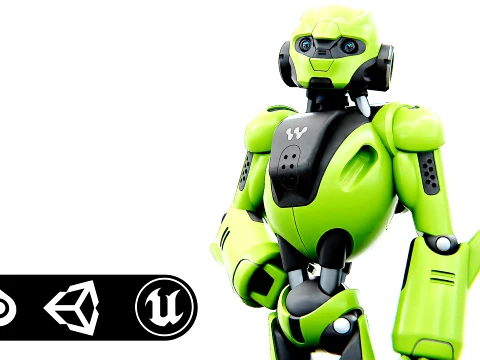
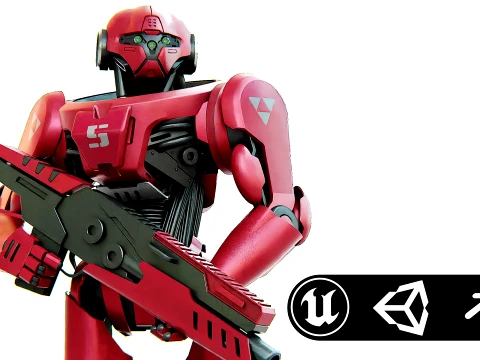
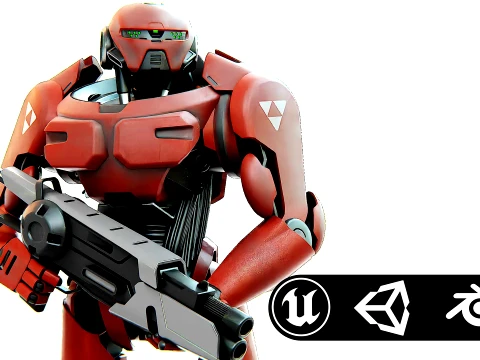
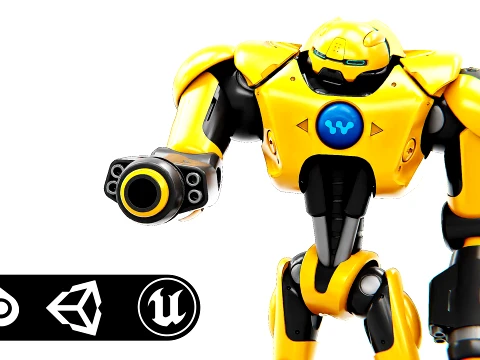
あります 1711アイテム ロイヤリティフリー 3Dモデル. This category contains a wide choice of Robot 3D Models - Fantasy and Sci-fi. Any 3D Robot Fantasy and Sci-fi model is available in .max, .obj, .c4d, .fbx, .dxf, .dwg, .stl, .iges, .3ds, .mb, .lwo, .3dm, .skp and .blend format. Some of them are ready for 3D Printing & Games. Also you will find a great number of models in Fantasy and Sci-fi and Anatomy categories.
- -50%
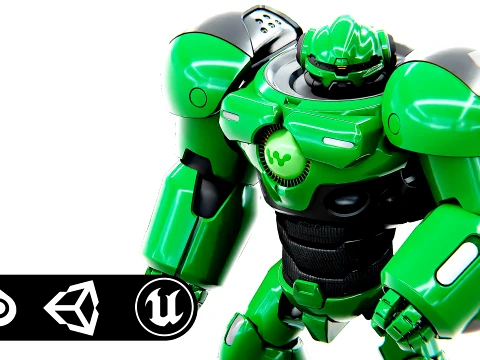 3dChaosRobot
 - -50%
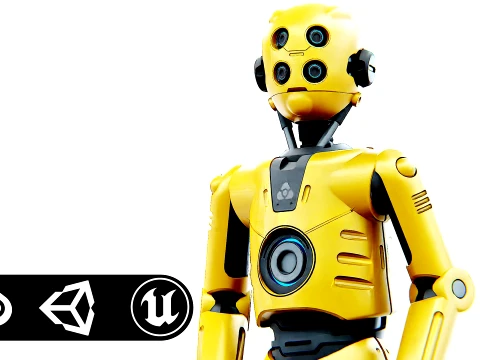 3dChaosRobot
 - -50%
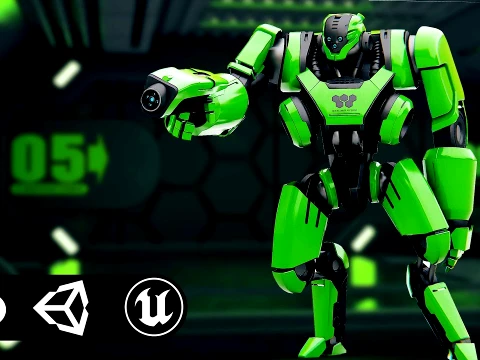 3dChaosRobot
 - -50%
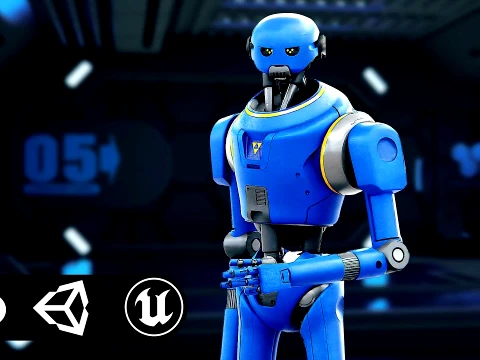 3dChaosRobot
 - -50%
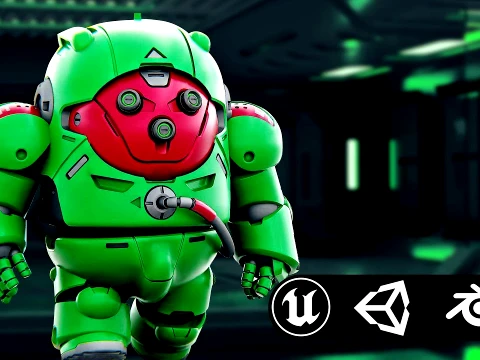 3dChaosRobot
 - -50%
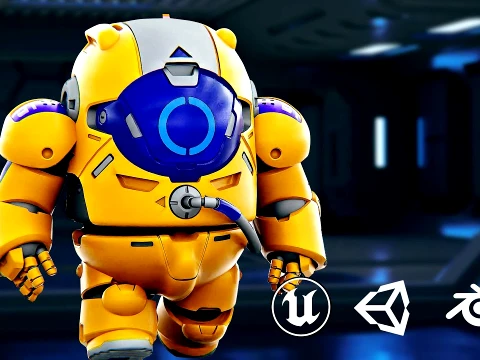 3dChaosRobot
 - -50%
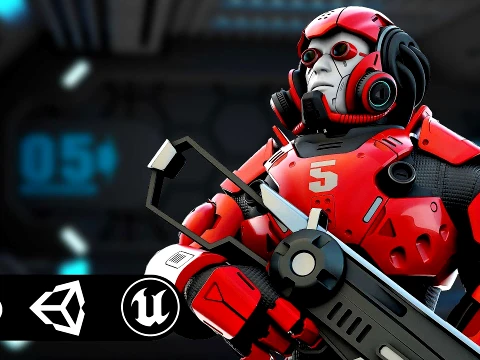 3dChaosRobot
 - -50%
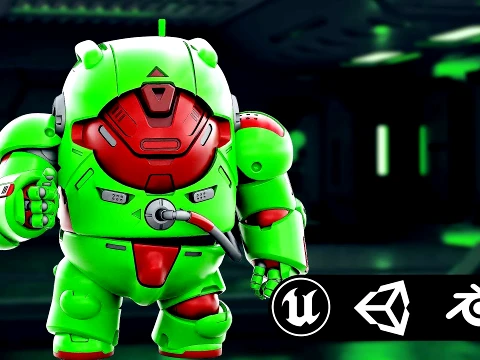 3dChaosRobot
 - -50%
 3dChaosRobot
 - -50%
 3dChaosRobot



トレンド検索 3Dモデル:
彫刻 3Dモデル 特徴 3Dモデル 台所 3Dモデル 馬 3Dモデル 外装 3Dモデル 電話と携帯電話 3Dモデル 野菜 3Dモデル ジュエリー 3Dモデル 人形 3Dモデル 医療の 3Dモデル ヘリコプター 3Dモデル 重い武器 3Dモデル トラック 3Dモデル 骨格 3Dモデル2026年モデルのロボットにおける「ハードサーフェス」メカニカルリギングの特徴は何ですか?
有機的なキャラクターとは異なり、2026年のロボットモデルは、現実世界の工学原理に基づいた「メカニカル・リギング」を採用しています。これには、ピストン、ギア、油圧ライン、ボール・アンド・ソケット・ジョイントのための複雑な階層構造が含まれます。リグは「制約制限」で構成されており、金属部品が互いに貫通することなく、物理的な能力の範囲内でのみ動くように保証されています。 「アンドロイド」モデルの場合、リグには機械的な骨格を合成皮膚で覆う「ソフトスキン」ハイブリッドシステムが含まれることがあります。この技術的な精緻さにより、メカの重々しい足音であれ、家庭用ロボットの滑らかな動きであれ、ロボットの動作に物理的な重みと安定感が生まれ、産業シミュレーションやSF映画において不可欠な要素となっています。
未来的な金属や合成素材をシミュレートするために、どのようなマテリアル基準が使用されていますか?
2026年、ロボットの素材には「異方性」と「多層クリアコート」に重点を置いた高度なPBR(物理ベースレンダリング)レイヤーが採用されています。これにより、ブラッシュ仕上げのチタン、カーボンファイバー、塗装されたスチールといったリアルな質感が表現可能です。多くのロボットには「摩耗・損傷」マップが搭載されており、関節部の微細な傷、オイル漏れ、埃の堆積などを表現することで、「使い込まれた」外観を演出しています。 アンドロイドの場合、「合成皮膚」シェーダーは特殊なサブサーフェススキャタリング(SSS)を利用して、実験室で培養された組織を模倣します。これらのマテリアルはリアルタイムレイトレーシング向けに最適化されており、ロボットの金属表面が周囲の環境をリアルに反射することを保証し、「サイバーパンク」シーンやハイテク製品のビジュアライゼーションにハイエンドな外観をもたらします。
これらのモデルには、「分解図」用の内部機械的ディテールが含まれていますか?
多くのハイエンドな2026年型ロボットアセットは、「内部忠実度」を重視してモデリングされています。つまり、外装プレートの下には、ワイヤーハーネス、CPUコア、冷却システムを含む、完全に詳細な内部構造が存在します。これは、「技術的な可視化」や、ロボットが損傷したり分解されたりするアクションシーンにおいて不可欠な機能です。 装甲パネルのジオメトリが個別に作成されているため、ユーザーは教育やマーケティング目的で、機械の複雑な組み立て工程を示す「分解図」アニメーションを作成できます。このレベルの内部ディテールは、SFや産業コンセプトの「仕組み」を表現する必要があるクリエイターにとって、非常に大きな価値をもたらします。
3Dロボットには、機能的な「電子」部品やUIが搭載されていますか?
はい、現代の3Dロボットは統合された電子デバイスとして扱われています。当社の2026年モデルは、発光する「ライトパイプ」、機能的なLEDアレイ、そして統合されたホログラフィックUIディスプレイを備えています。これらは個別のマテリアルチャンネルを通じて制御されるため、ユーザーはロボットの「電源投入」、センサーの色を青から赤への変更、あるいは胸部のスクリーンへのデータ表示などをアニメーション化することができます。 多くのアセットには、LiDARスキャナーや、リアルなガラスの屈折効果を備えたカメラレンズなどの「センサージオメトリ」も含まれています。これにより、ロボットは静的な彫像ではなく「アクティブなテクノロジー」のように感じられ、AIをテーマにしたプロジェクト、未来的な戦争ゲーム、そして「スマートシティ」のコンセプト動画に最適です。
これらのロボットは、「デジタルツイン」や産業用自動化シミュレーションに活用できますか?
エンターテインメントの枠を超えて、2026年の「ロボット」カテゴリーは産業分野にも貢献します。多くのモデルは、実在する産業用ロボットアームや自律型配送ドローンを基にしています。これらのアセットは寸法精度が高く、標準的な産業用アニメーションパス(Gコードシミュレーションなど)に従うようリギングされています。これにより、企業が自動化された生産ラインを構築する前にシミュレーションを行う必要がある「デジタルツイン」による工場フロアの可視化に最適です。 モデルはSTEPやFBXなどの高精度フォーマットで提供されており、エンジニアリングソフトウェアやリアルタイムシミュレーションプラットフォームにインポートして、物流やワークフローの正確なテストを行うことが可能です。